
Applications — Matcha for Latte
Wholesale Matcha for
Lattes and Café Service
Compare E3, E4 and O3 in your milk, recipe and service window before approving a repeatable café grade.







Who This Is For
Built for Beverage
Teams That Need Repeatable Matcha
For cafés, beverage brands and chains, the practical decision is whether a grade performs in the buyer's actual milk, recipe, service method and price target.
Coffee Shops & Chains
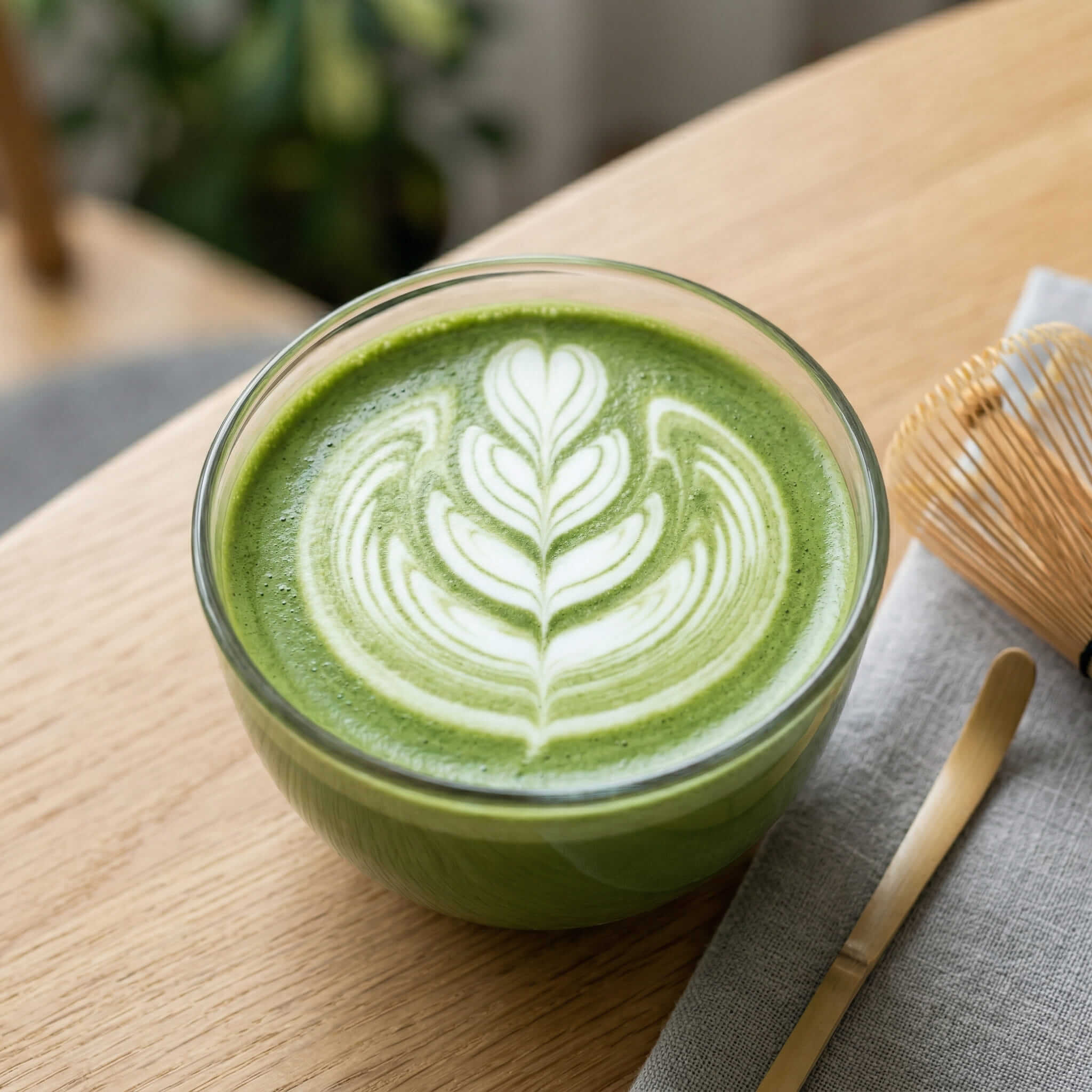
Cafés and multi-outlet coffee chains can compare premium grades for color in milk, flavor balance and a repeatable preparation method.
Latte · Signature Menu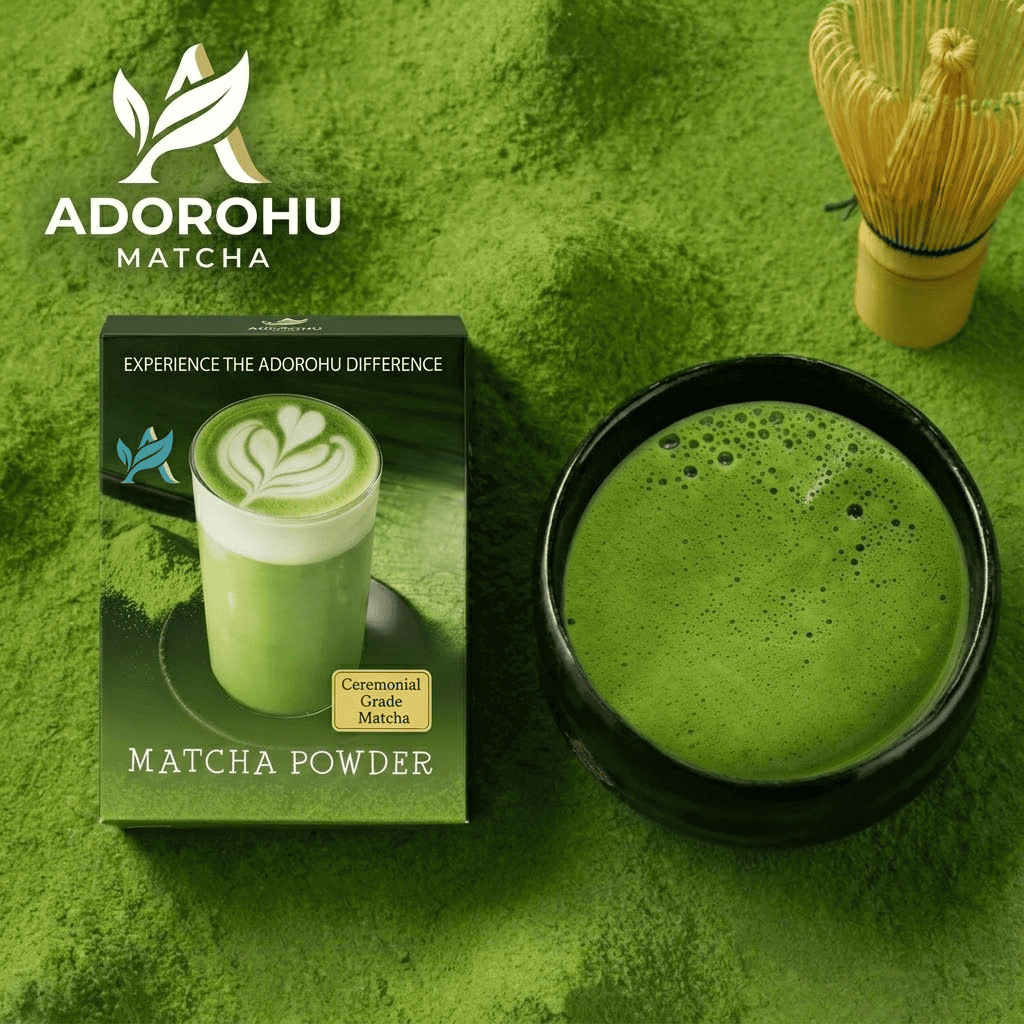
Beverage Brands
RTD and bottled beverage producers that require a documented powder specification, recipe validation and market-relevant compliance files for retail and distribution buyers.
RTD · Bottled · Retail
Bubble Tea Stores
Fast-growing bubble tea networks with high daily volumes that need a grade and preparation SOP that their teams can validate under normal and peak service conditions.
Bubble Tea · High Volume
New Drink Startups
Emerging beverage brands launching their first matcha line who need a supplier that can recommend grades, provide samples for recipe testing and discuss documentation and future packaging needs.
Startup · OEM · Planned PurchasingSee yourself in one of these? Let's find the right grade for your product.
Talk to Our TeamThe Real Problems
Why Matcha Lattes
Fail at Scale
A useful latte trial separates powder characteristics from recipe and service conditions. Review color, flavor, lot specifications and preparation together.
Color Turns Yellow or Dull
Compare color immediately after preparation and through the intended service window, using the same milk and lighting.
Bitter or Overly Strong Taste
Compare bitterness and matcha character at the intended milk ratio and sweetness level. Record the recipe used for each sample.
Inconsistent Batches
Keep an approved sample reference and define the powder specification so later lots can be assessed consistently.
Hard to Standardize Recipes
Record dosage, milk ratio, mixing method and service temperature. Confirm that the selected sample fits the workflow used by your team.
Use application trials and available grade documents to make the purchasing decision.
Our Solution
Four Checks for a
Commercial Matcha Latte
Evaluate candidate samples in the intended recipe. Color after milk, perceived bitterness, dispersion and batch documentation matter more than a grade name alone.
Finished-Drink Color
Compare Against the Approved Sample
Steam or hot-air fixation · sealed food-grade liner
Review the available specification and compare an approved sample in the actual dairy or plant-based milk. Steam and hot-air fixation are available within AdoroHu's production system; the suitable process depends on the target flavor and recipe.
Smooth Flavor Profile
Low Astringency · High Umami
Select by milk ratio · sweetness target · bitterness tolerance
Compare E3 and E4 for sweetness, bitterness and matcha character in your chosen milk. Test O3 when an organic-certified option is required.
Standardized Quality
Batch-to-Batch Consistency
Specification · COA review · buyer-defined acceptance checks
Ask which specification and COA fields are available, then define the buyer's acceptance checks before scale-up.
Latte-Optimized
Dispersion in the Intended Recipe
Ultrasonic screening · recipe testing · format review
Ultrasonic screening supports an ultra-fine powder. Test whisking, settling and mouthfeel in the intended milk, serving temperature and preparation workflow before approving the grade.
Ready to build your signature latte on a foundation that holds? Start with an application sample.
Request an Application SampleThe Science Behind It
Three Checks That
Guide Latte Grade Selection
Review color, flavor and mouthfeel in the intended milk base. Use the same recipe and preparation method so differences between samples can be assessed fairly.
Color Stability
Compare Color Through the Service Window
Assess powder and finished-drink color separately. If instrumental color values are used, keep the measurement method consistent and pair the readings with a visual reference.
Flavor Balance
Natural Sweetness, Low Astringency
Compare perceived sweetness, bitterness and umami at the intended dosage. The milk and other recipe ingredients influence the finished taste.
Grind Fineness
Mouthfeel and Dispersion
Particle size influences mouthfeel and suspension. Compare each sample for residue, settling and mouthfeel in the intended hot or cold recipe.
 Color checked in the buyer's milk base
 Flavor checked at target dosage
Dispersion checked in service
Application Troubleshooting
Questions to Ask When a
Latte Isn't Working
Use these examples as troubleshooting prompts. Recipe, preparation, storage and powder characteristics can each influence the result.
Example: the drink tastes too bitter.
Compare candidate samples at the same dose, milk ratio and sweetness level before changing the recipe.
Review Point
Grade Choice and Recipe Balance
Taste the matcha in the finished drink. Record bitterness, sweetness and matcha character, then compare another suitable grade if the balance misses the target.
Example: the prepared color differs from the target.
Review the powder and finished drink under consistent lighting. Record the milk base, dose and preparation method used for each sample.
Review Point
Powder, Recipe and Storage Conditions
Compare fresh samples using the same recipe and service conditions. Review the pack and storage guidance as part of the investigation.
Example: the drink feels gritty or settles quickly.
Record mouthfeel, visible particles and settling through the normal service window. Compare samples using the actual mixing equipment.
Review Point
Particle Profile and Mixing Method
A matcha labeled "fine" may still be a coarse particle profile — coarse enough to feel gritty in cold milk and resist full suspension. An ultra-fine powder may improve mouthfeel, but the buyer should test whisking, settling and surface behavior in the intended hot or cold recipe.
Which of these is your current problem? Share your recipe and service needs so we can discuss suitable samples.
Request Samples for Recipe TestingProduction Logic
A Practical
Matcha Latte Trial
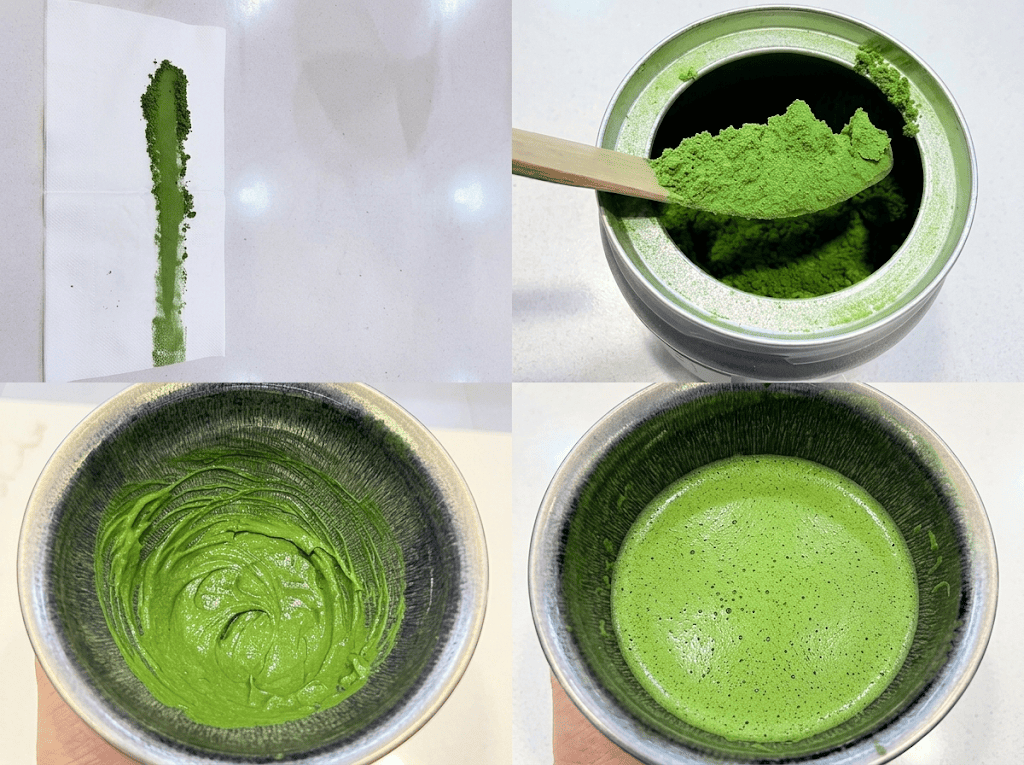
Use a documented trial recipe to compare grades fairly. Record each preparation step before choosing the sample and commercial specification.
Measure Powder
Set dosage in the buyer trialRecord the trial dose so candidate grades are compared on the same basis.
Mix with Hot Water
Set water and temperature in the buyer trialUse one documented mixing method for each candidate sample.
Add Milk
Use the buyer's milk ratioTest the actual dairy or plant-based milk because each base changes color, flavor and mouthfeel.
Texture Foam
Use the buyer's service temperatureUse the intended frothing and service method during the trial.
Serve
Use the buyer's cup formatObserve color, aroma, settling and mouthfeel through the buyer's normal service window.
Discuss sample quantities, preparation methods,
and suitable grades for a documented trial
Choose Your Solution
Three Matcha Paths —
One Right Fit for Your Brand
A café may begin with E3 or E4; a buyer needing an organic attribute may test O3. The right choice comes from sensory, operational and cost validation.
E3 or E4 Premium Matcha
→ Compare in specialty café and premium drink recipes
E3 and E4 are Premium grades in the EU Standard Series. Compare color, sweetness, bitterness and ingredient cost in the intended latte recipe.
- Review finished color under consistent lighting
- Compare sweetness and bitterness in the intended milk recipe
- Test the intended dairy or plant-based milk
- Confirm order quantity for the selected grade and format
O3 Premium Matcha
→ For beverages requiring an organic attribute
O3 is the Premium grade in the Organic Series. Test it in the intended milk recipe and confirm certification scope for your product and market.
- Check dispersion using your preparation method
- Compare hot and cold preparations separately
- Record flavor and color at the intended dosage
- Confirm organic documents for the proposed product claim
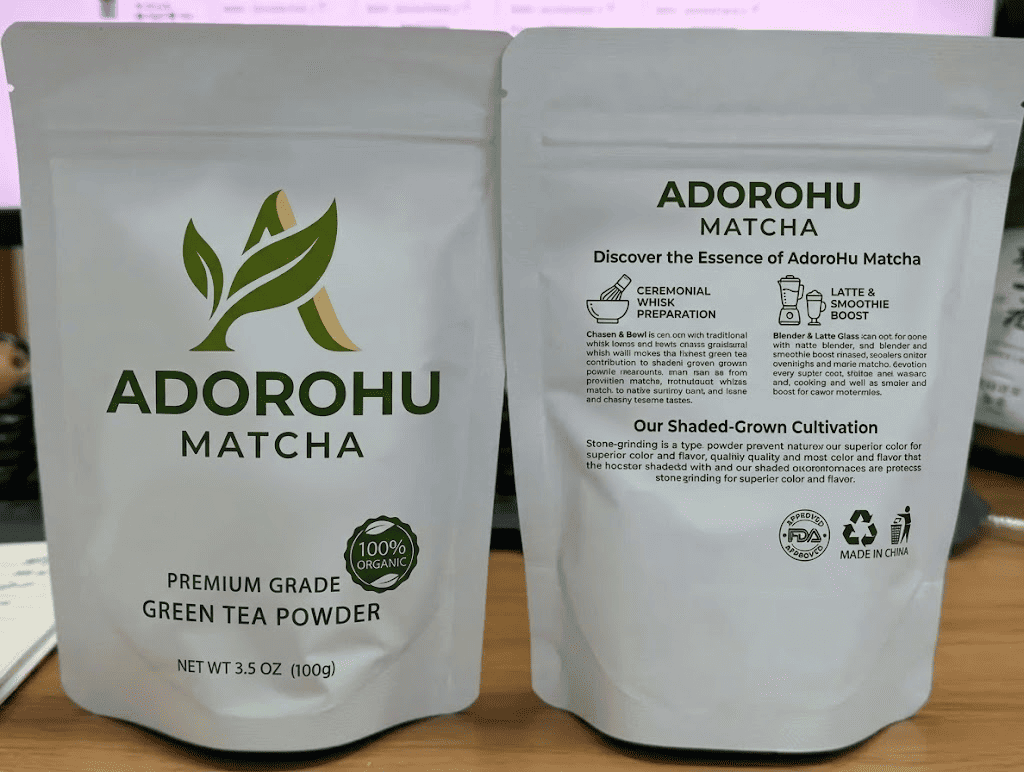
Pure Matcha Private Label
→ Selected grade and packaging for your brand
A product brief can cover flavor direction, color target, application, market, packaging and expected purchasing volume. Any custom or private-label scope is confirmed after grade, packaging and production feasibility review.
- Pure matcha grade selected by sensory target
- Retail pack and artwork reviewed for the project
- Matcha origin: Jingshan, Hangzhou
- Relevant product and market documents reviewed
Not sure which path fits? Tell us your application and we'll recommend the right starting point.
Get a RecommendationBusiness Case
The Real Cost of
Getting Matcha Wrong
The price on the spec sheet is rarely the real cost. Labor overhead, prep complexity, waste from inconsistency, and recipe reformulation all add up — often making a "cheaper" powder the most expensive decision a beverage operation makes.
| Metric | Evaluation Step Before Grade Selection |
E3 / E4 Premium EU Standard Series |
O3 Premium Organic Series |
|---|---|---|---|
| Labor Cost per Cup | Record the preparation method | Measure in your café trial | Measure in the same workflow |
| Cups per Shift | Record service conditions | Test preparation time at target volume | Use the same service test |
| Batch-to-Batch Stability | Define acceptance criteria | Review the selected grade's specification | Review specification and organic scope |
| Recipe Standardization | Document the trial recipe | Approve dose and mixing method | Approve the tested organic recipe |
| Color Consistency | Set a finished-drink reference | Compare using the same milk and lighting | Compare at the same dosage |
| Waste from Bad Batches | Record rejects and reasons | Assess in the buyer's pilot | Assess under the same conditions |
| Training Complexity | Record the service procedure | Check repeatability across staff | Use the approved preparation steps |
Preparation Effort
Validate in the buyer's workflow
Measure preparation time and ingredient use in your own workflow. Compare the result alongside taste, color and cost per cup.
Recipe Review
Approve the trial recipe
Keep a record of the chosen grade, recipe and acceptance criteria. Review any proposed specification change before using it in commercial service.
Sample-to-Bulk Match
Sample-based
Define how the approved sample, specification and order documentation will be compared before scale-up.
See which grade delivers the most suitable recipe cost for your operation.
Get a Cost ComparisonOur Technology
The Process Behind
Commercial Grade Selection
Our production system includes steaming, hot-air fixation, milling, ultrasonic screening and in-house laboratories. Application testing connects these capabilities to the buyer's drink.
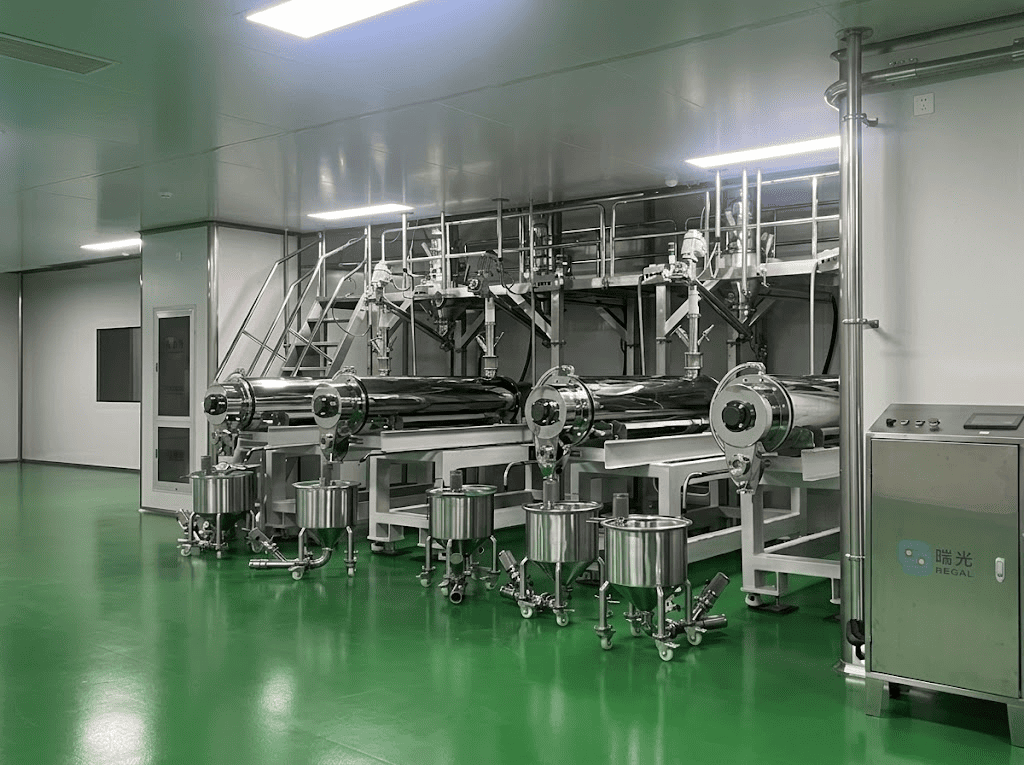
Steam-Fixed for Freshness
Steam fixation is one capability within AdoroHu's production system. Compare its color and flavor profile with the selected grade in the intended milk recipe.
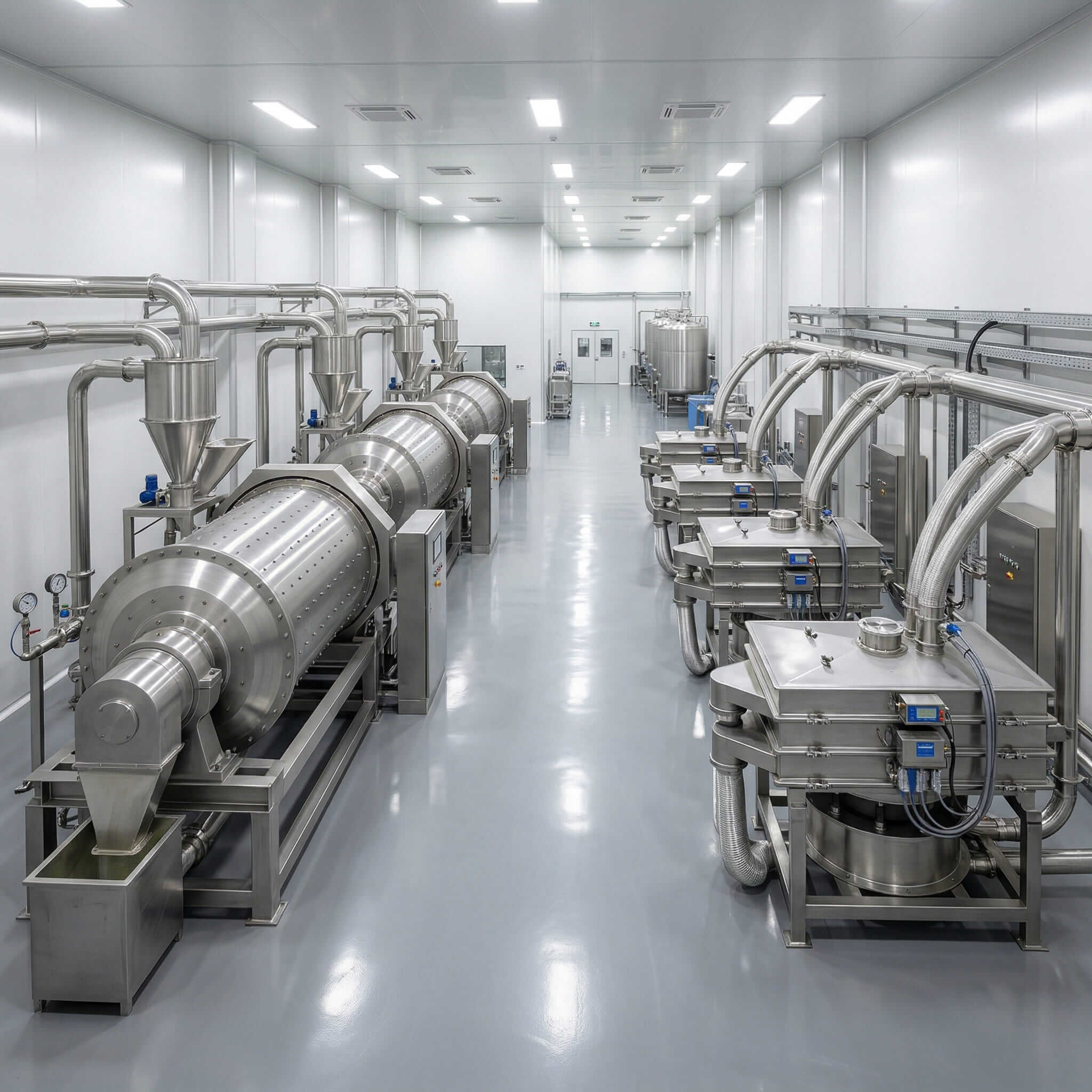
Hot-Air Fixed for Depth
Hot-air fixation is available within our production system. Compare the offered grade's aroma, flavor and color in your intended milk recipe before selection.
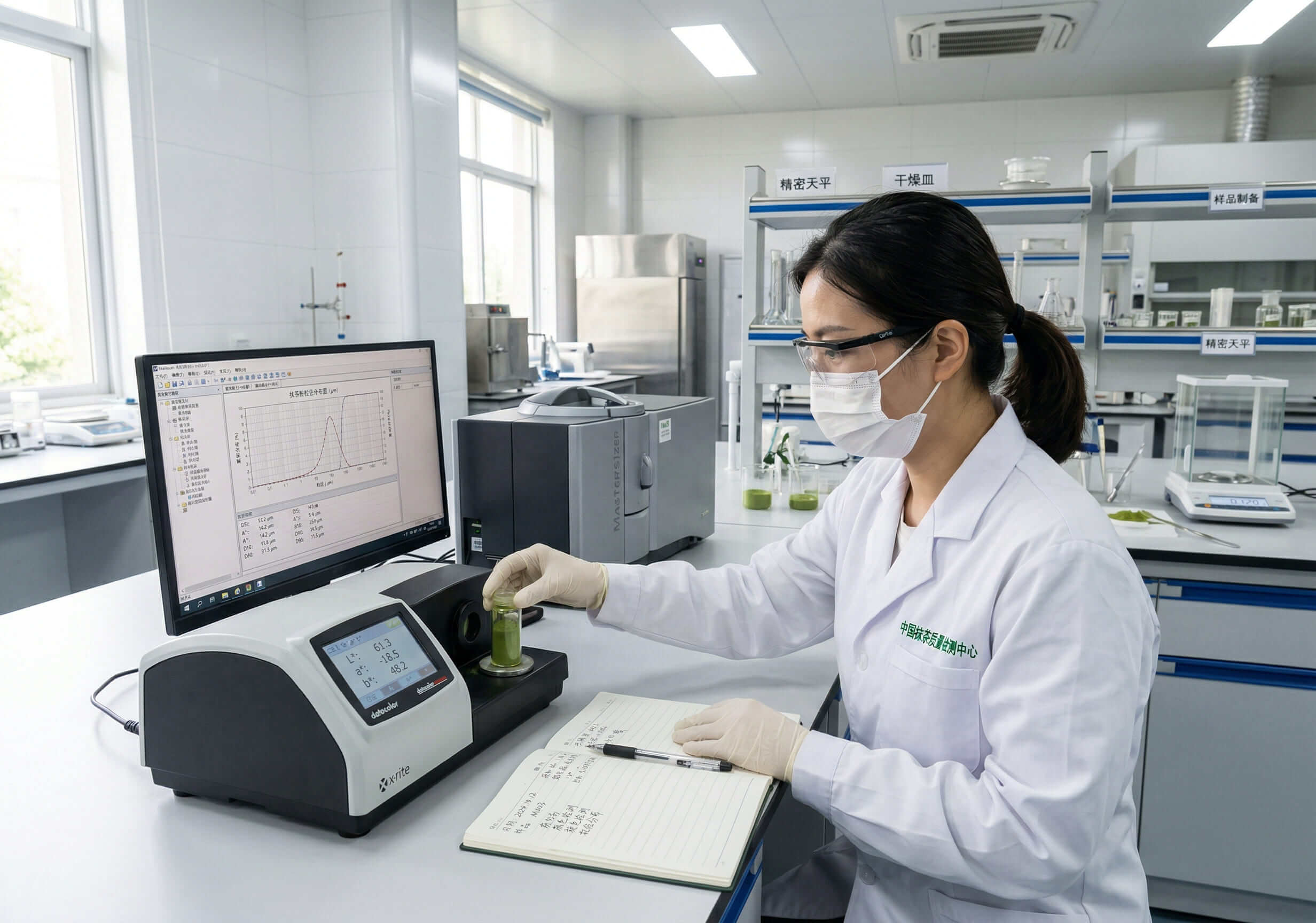
Per-Batch Quality Control
Ask which specification, COA and market-relevant compliance documents are available for the selected grade, then define the buyer's sample-to-order acceptance checks.
Hot-Air Fixation
Production capability
within the dual-process system
Ultra-fine
Ultra-fine screening
for buyer dispersion testing
Documented
Market-relevant documentation
reviewed for the selected grade
Two
Class-100,000 clean workshops
within the production system
Want to see the full production documentation? Ask which documents apply to the selected grade and market.
Request Samples for Testing + COAWhat It Looks Like in Practice
From Powder to
Brand-Level Beverage
These application examples are prompts for your own sample trial, not measured customer results. Assess the intended drink using a documented recipe.
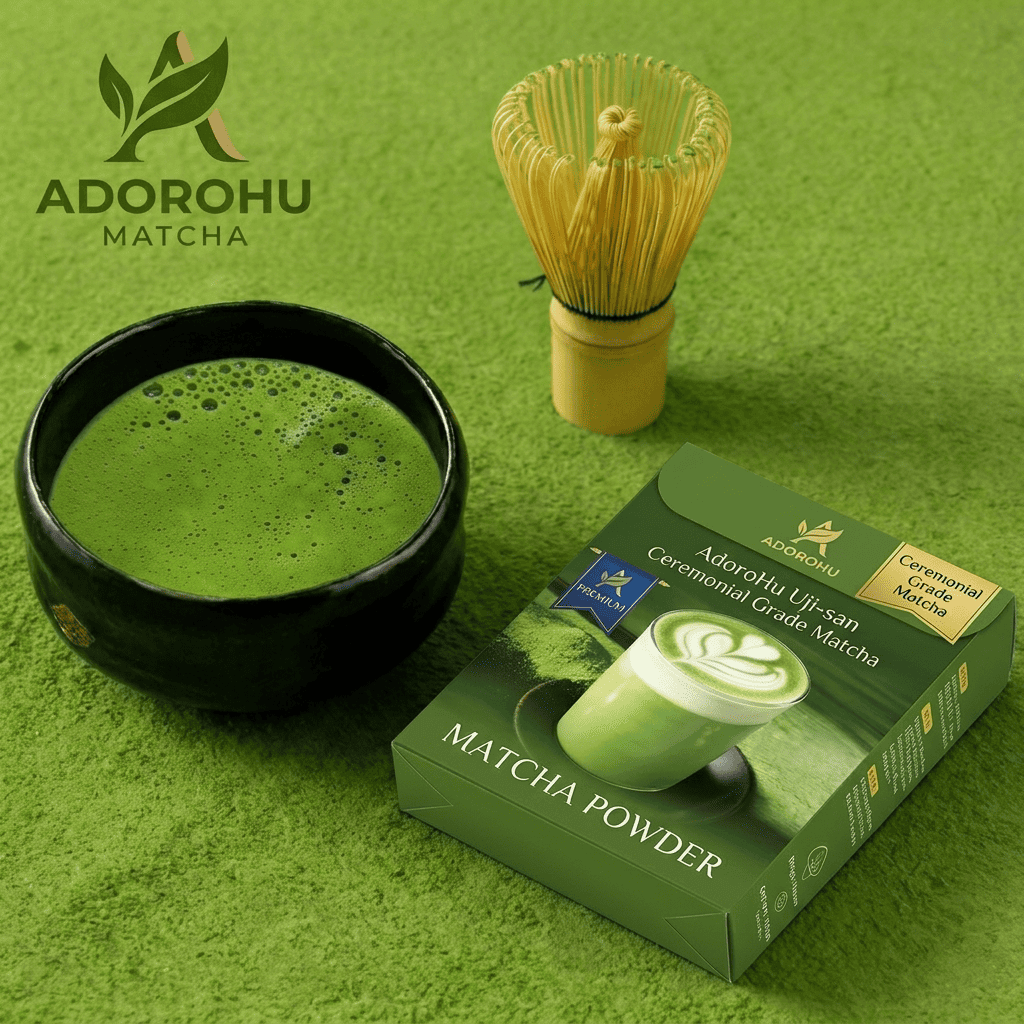
Café-Grade E3 or E4 Premium Matcha Latte
Compare finished color in the buyer's milk and service window
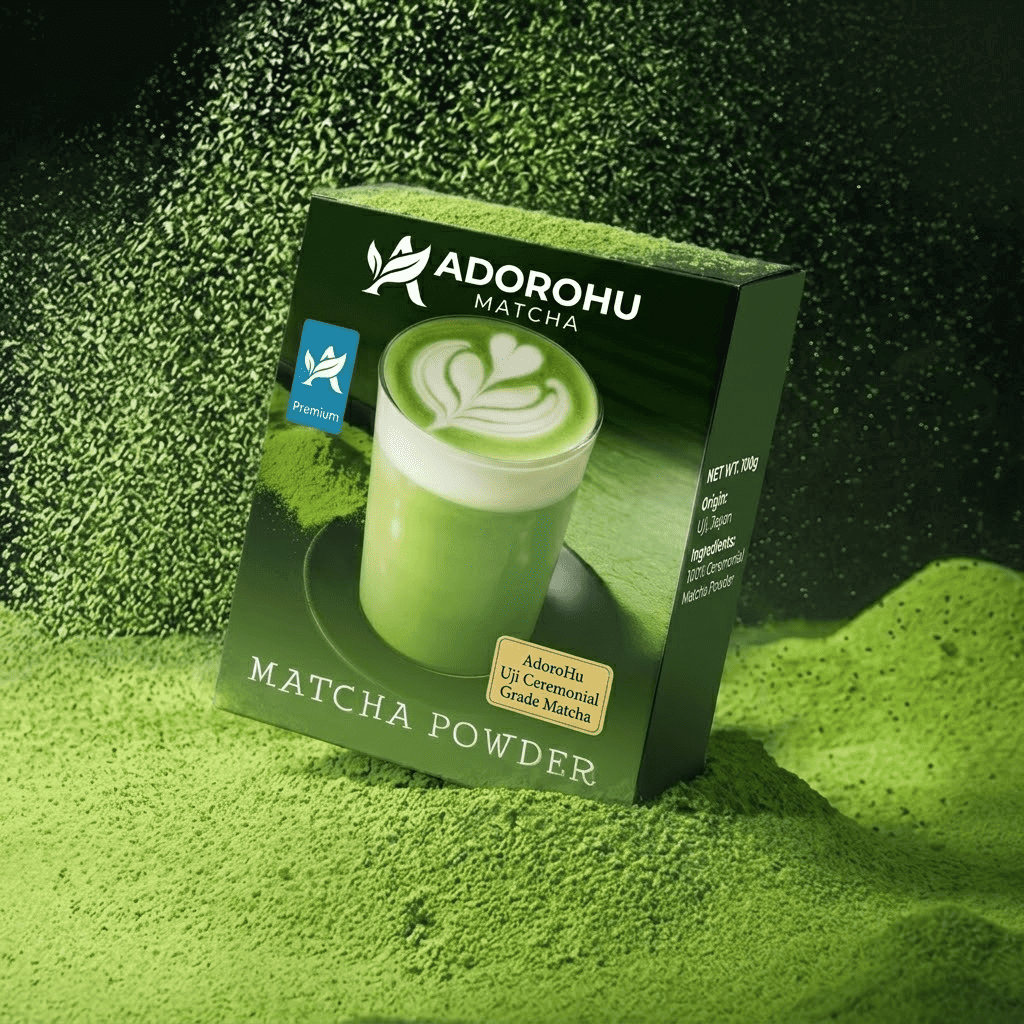
Iced Latte — Chain Format
Compare preparation steps, settling and service speed in the buyer workflow
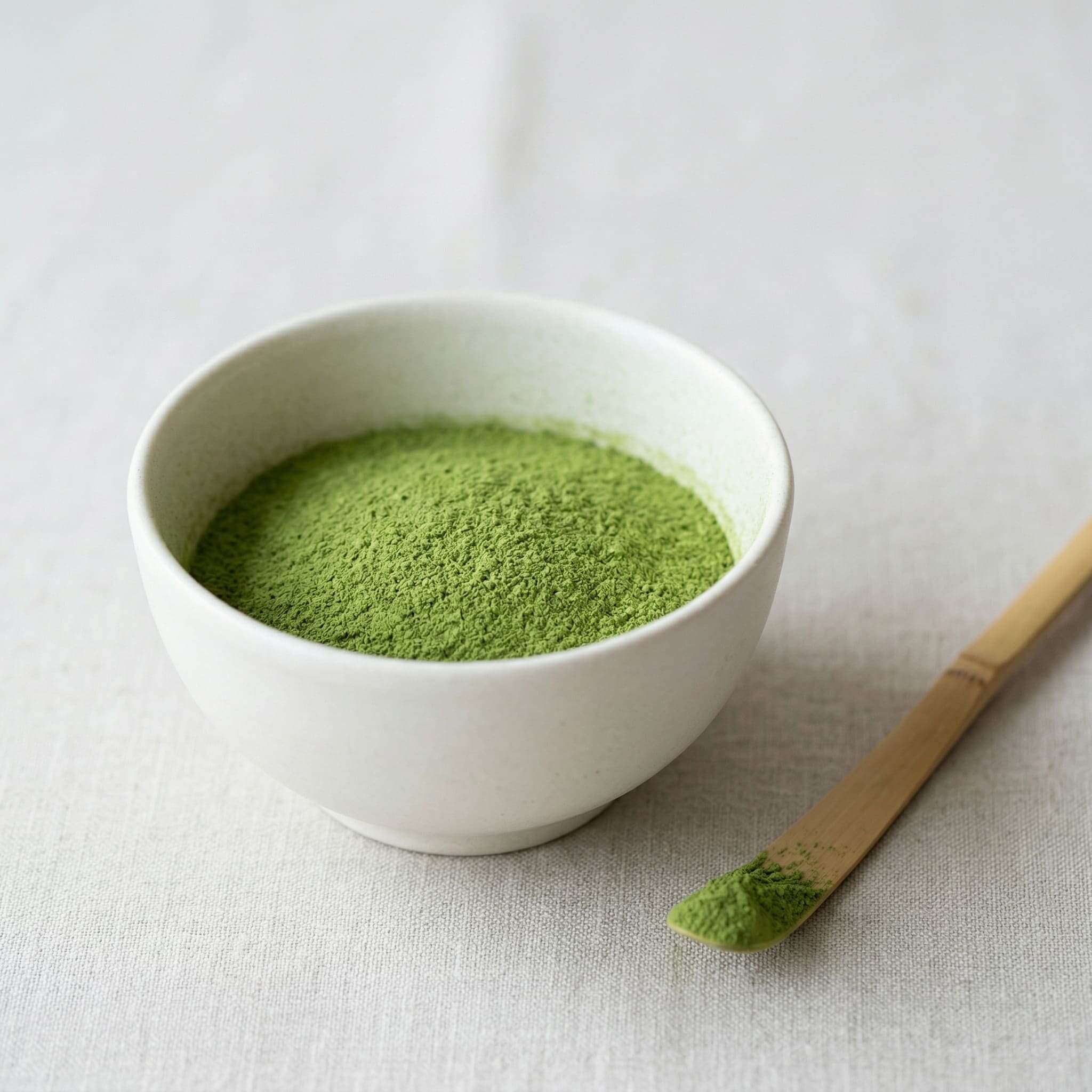
Specialty Beverage
Pure matcha grade selected for the intended flavor profile
RTD Retail Bottle
Validate color and storage performance in the actual RTD process
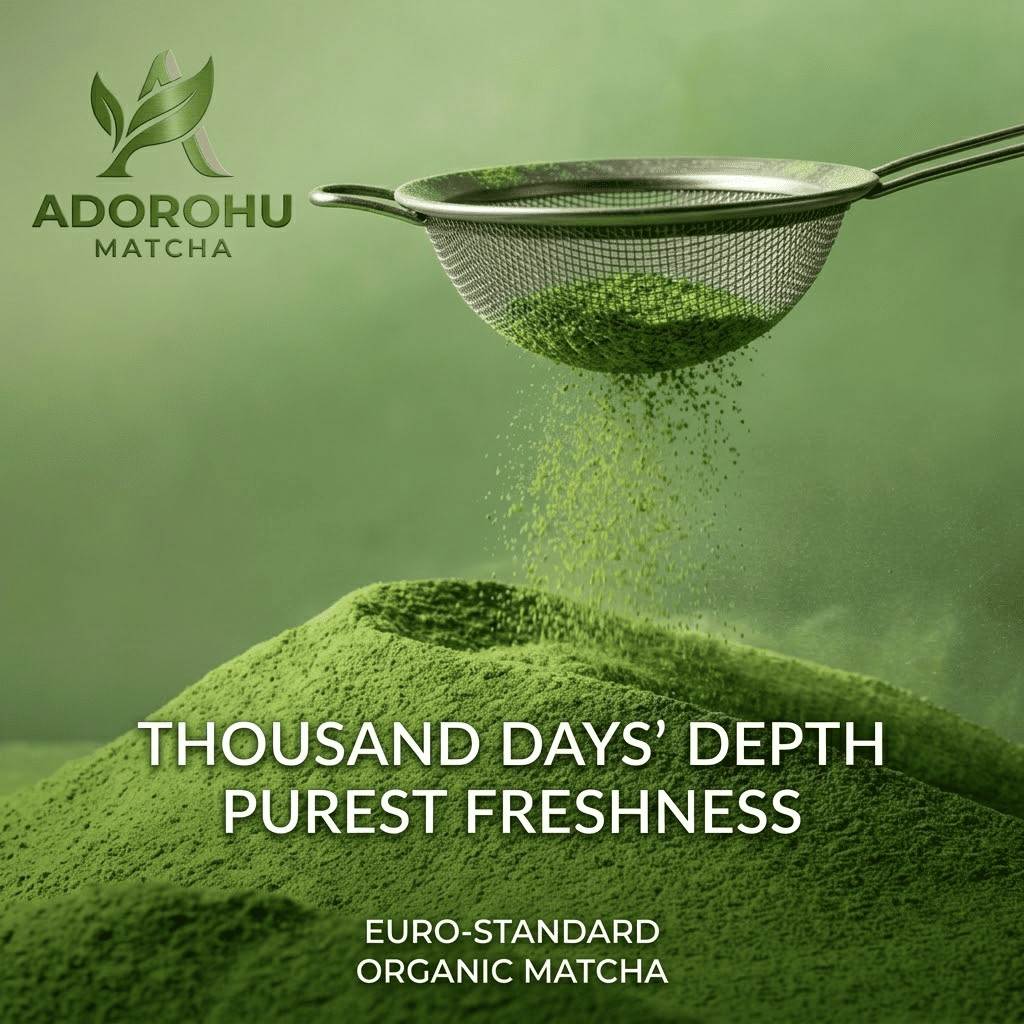
Ultra-Fine Screened Latte Powder
Assess each sample in the intended drink format
Sample-based
Sample and Specification Review
Use the approved sample and agreed powder specification as references for later-lot checks. Confirm the available order documents before scale-up.
Recipe
Preparation Across Locations
Document dose, liquid ratio, mixing method and service temperature. Trial the recipe with the staff and equipment that will use it commercially.
Application review
From Brief to Sample Confirmation
The team reviews the application brief before recommending sample candidates. Confirm the sample plan and available documents, then test against the existing formula.
Ready to compare samples in your own operation? Start with an application sample.
Request an Application SampleCompliance & Facility
Certification Documents
for Buyer Review
Identify the certificates and quality documents your buyer needs. Confirm current scope and availability for the selected grade and destination before commercial approval.
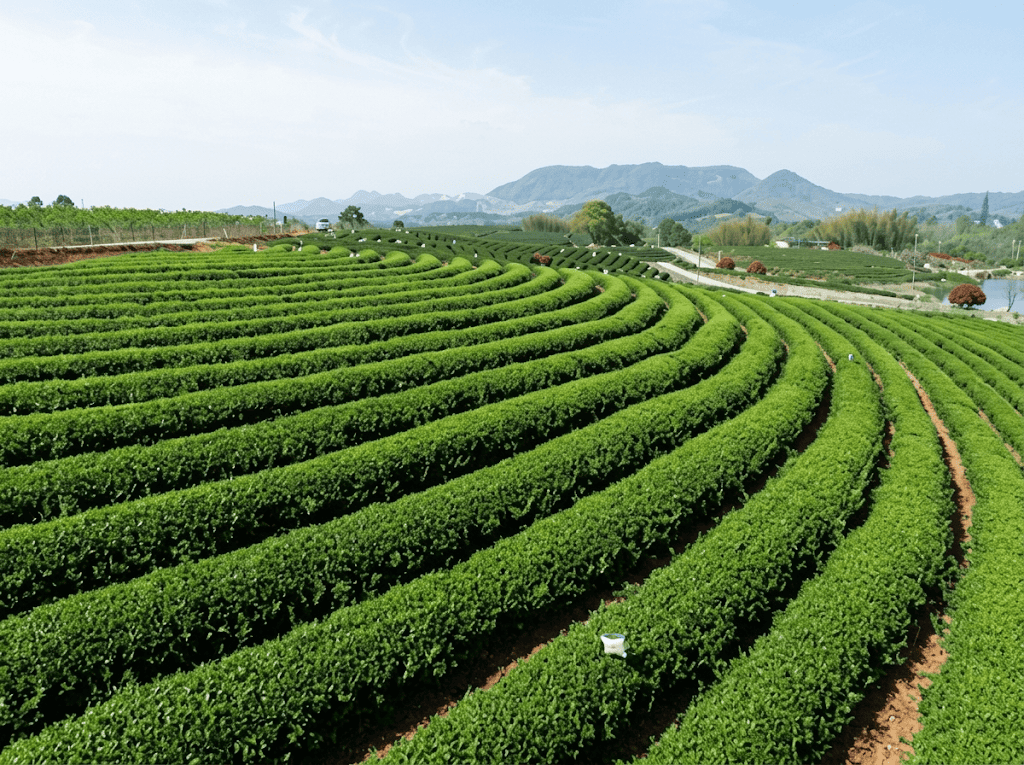
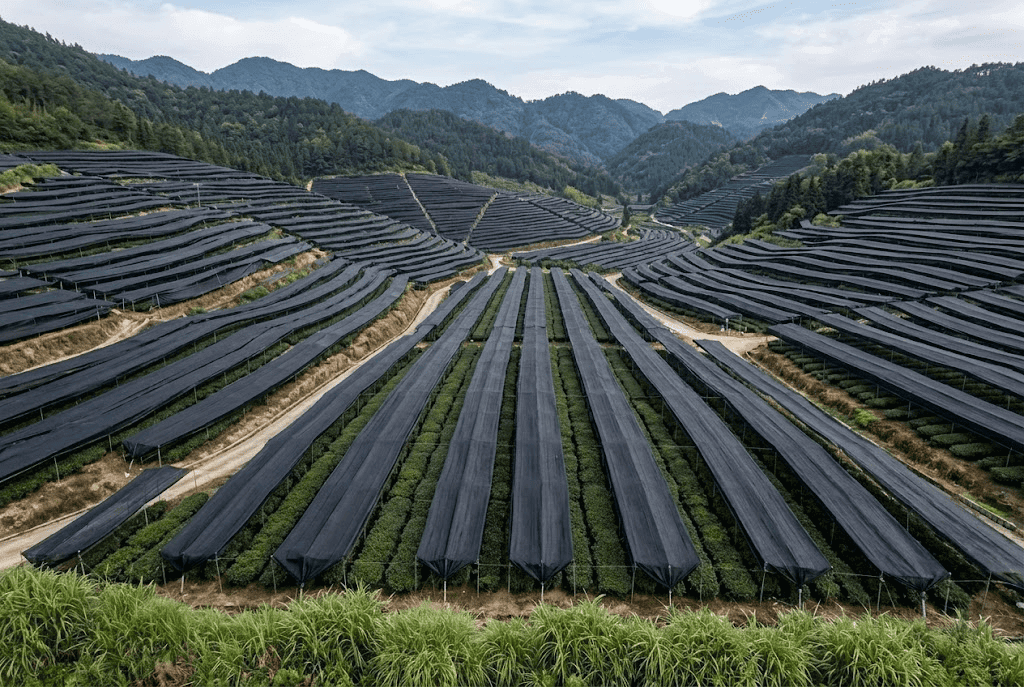
Estate and partner tea gardens — over 20,000 mu, Jingshan, Hangzhou
Jingshan, Hangzhou production · Estate heritage since 2001 · Organic scope reviewed by product
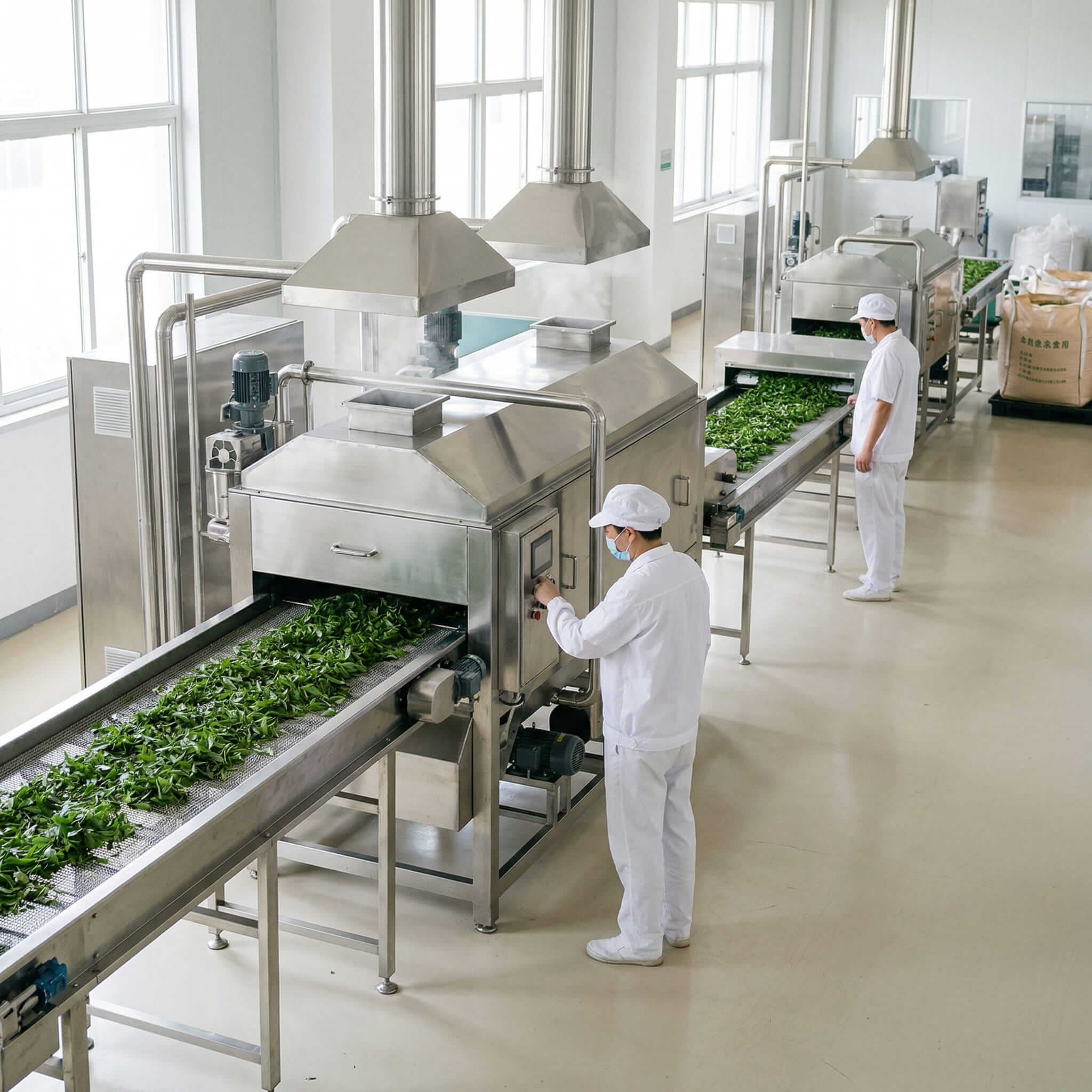
Dual-Process Fixation Lines
Steam & Hot-Air Fixation

Two Class-100,000 Clean Workshops
Sealed Food-Grade Packaging
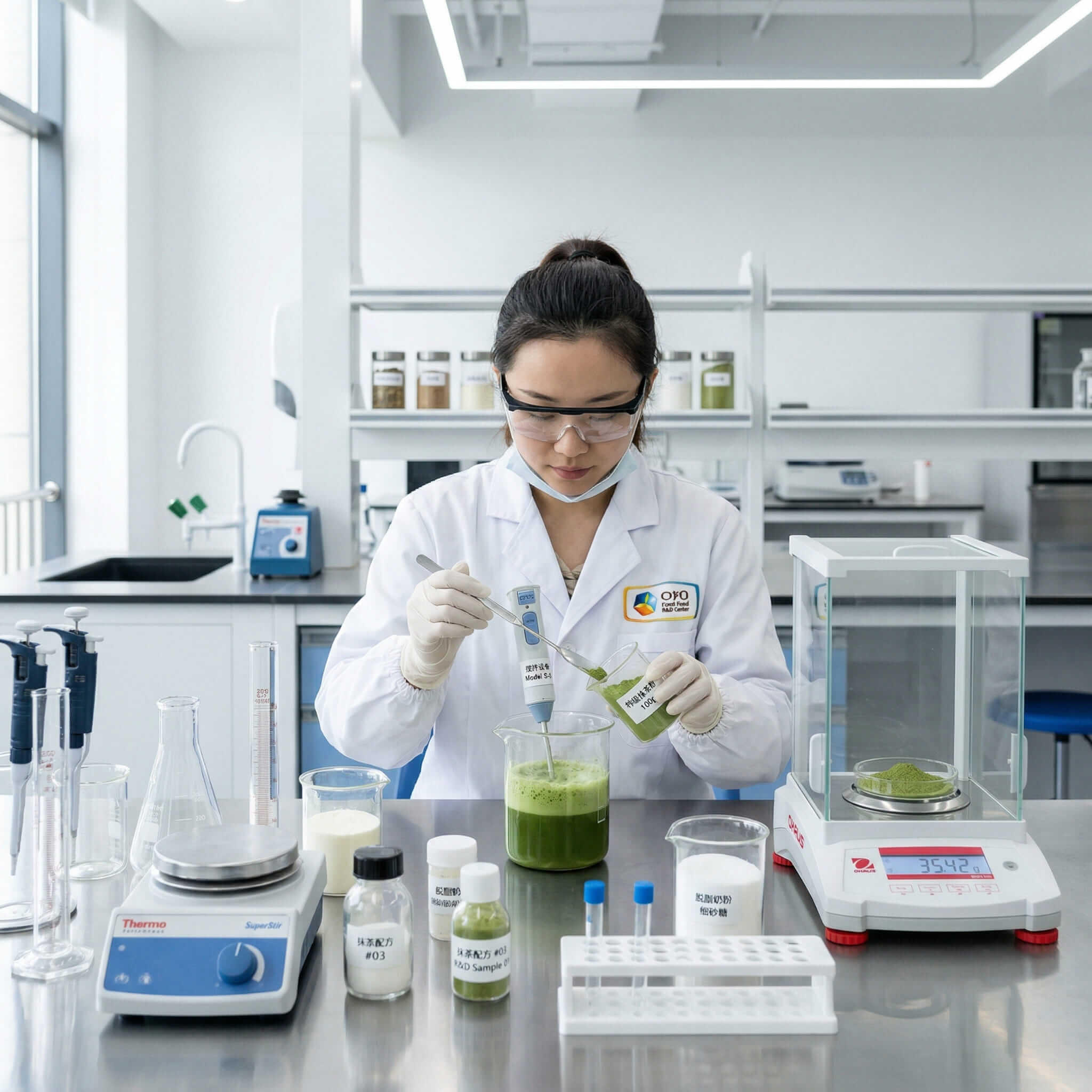
In-House QC Laboratory
Available COA and market-relevant documents
Certifications We Hold
USDA Organic (NOP)
USDA Organic (NOP) is part of our portfolio. Request the current certificate and confirm scope for the selected Organic Series product and intended US claim.
US MarketEU Organic
EU Organic is part of our portfolio. Review current product scope and the organic import documents relevant to the destination with your importer.
EU MarketISO 22000
ISO 22000 is a food-safety management system certification in our portfolio. Review the current certificate and applicable scope during supplier approval.
Global RetailJAS Organic (Japan)
JAS Organic (Japan) is part of our organic certification portfolio. Confirm current scope for the selected product and intended Japanese organic claim.
Japan · OrganicHalal
Halal is part of our certification portfolio. Request the relevant certificate and confirm applicability to your product and intended market.
SE Asia · Middle EastKosher
Kosher is part of our certification portfolio. Review the current certifier and product scope against your buyer's requirements.
Market-specific reviewBRCGS Food Safety
BRCGS Food Safety is part of our certification portfolio. Review the current certificate and operation scope when it is relevant to your supplier requirements.
Global StandardCOA & Test Reports
Ask which current COA and specification fields are available for the selected grade. Share any additional testing requirements for your destination market before agreeing the order.
Selected Grade and OrderNeed certification documents for your compliance team? Ask which current documents apply to the selected grade and market.
Request Certification DocumentsRun One Controlled Latte Trial Before You Choose a Grade
E3 and E4 are practical conventional starting points for milk-based drinks; compare O3 when an organic product is required. Use the same recipe and service conditions for every candidate.
Keep the Trial Controlled
- Powder dose and water volume
- Milk base and milk ratio
- Sweetener, mixing method and temperature
- Hot or iced service and holding window
Score the Finished Drink
- Colour immediately and through service
- Matcha flavour and bitterness
- Dispersion, texture and sediment
- Staff repeatability across servings
Send a Café Sample Brief
- Drink type and milk base
- Target taste, colour and dose range
- Outlet count and expected monthly use
- Destination and document needs
Start Your Matcha Partnership with a Reliable Source
Our integrated operation combines Jingshan production and partner-garden resources with international business and export support in Shenzhen.
Thank you — a member of our team will review your application brief.