Many cafe owners struggle with menu stagnation and falling beverage sales. While standard coffee remains a staple, the “latte fatigue” is real.
Customers are increasingly abandoning local shops for “aesthetic” competitors who offer vibrant, Instagram-ready matcha creations. If your menu lacks a premium green tea offering, you are losing a high-spending demographic.
The solution lies in leveraging high-quality matcha wholesale to create a diverse and profitable beverage program. AdoroHu Matcha provides the raw materials and menu concepts needed to transform your beverage sales.
The best matcha drink menu ideas for cafes include layered strawberry matcha lattes, sparkling matcha lemonades, and sea salt cold foam toppers. By sourcing premium shade-grown powder, cafes can achieve the vibrant green color and rich umami profile that modern consumers demand. These menu additions typically offer gross margins exceeding 80% when using direct-factory wholesale supplies.
In short: Refreshing your beverage program with innovative matcha drinks attracts Gen Z consumers and significantly boosts your bottom line.
Key points:
- Layered and sparkling matcha drinks offer the highest visual appeal for social media marketing.
- Choosing the right grade ensures a balance between cost-efficiency and premium taste.
- Sourcing directly from manufacturers reduces lead times and improves batch consistency.
What are the most profitable matcha drink menu ideas for modern cafes?
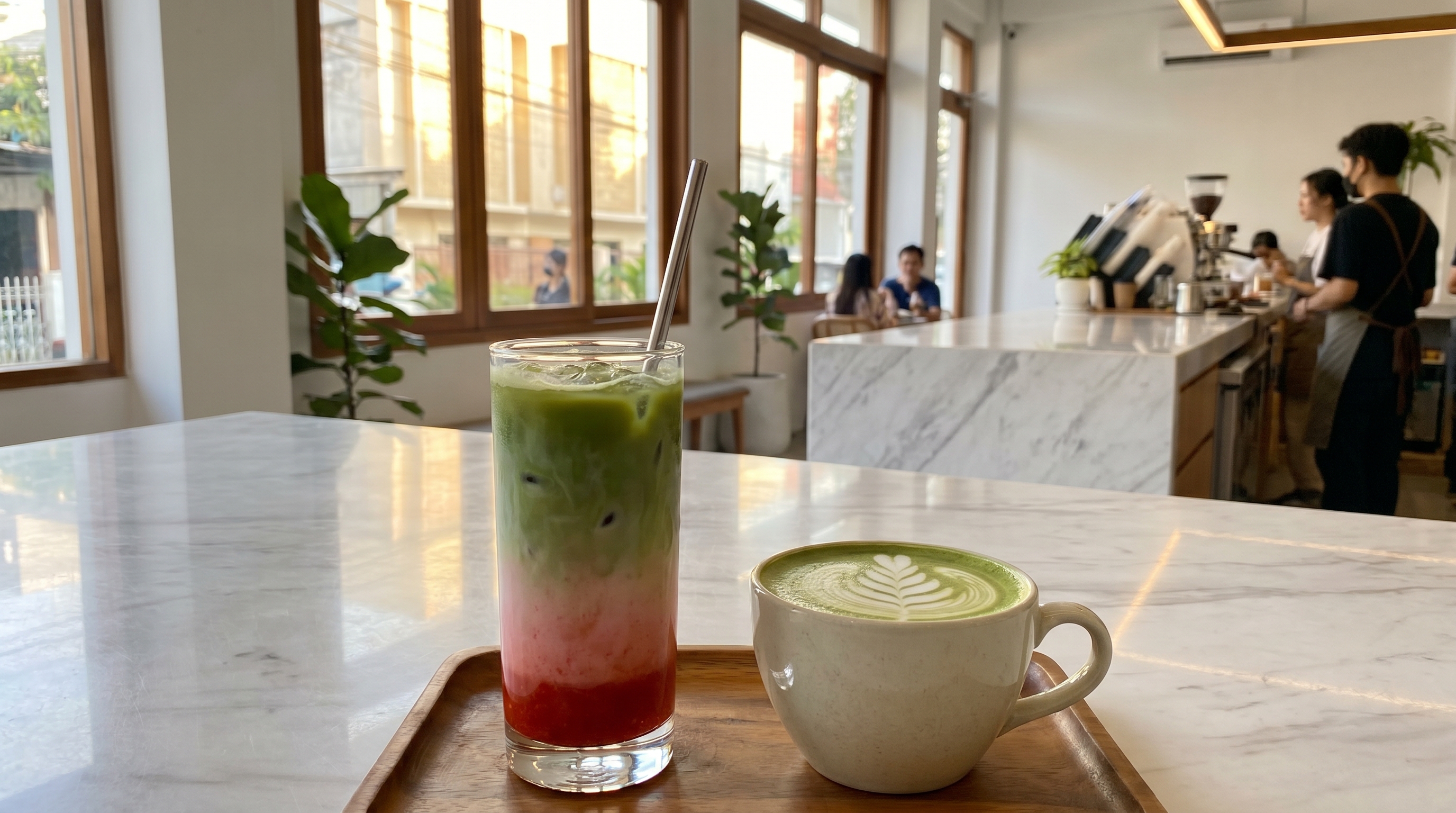
The modern cafe market demands more than a simple hot matcha latte. To maximize profit, cafes should focus on “visual architecture”—drinks that look as good as they taste. Layered lattes are currently the top performers. By adding a base of fruit purée, such as strawberry or mango, and topping it with a concentrated matcha shot, you create a striking color contrast.
Another high-margin option is the Matcha Lemonade or “Matcha Fizz.” These drinks use less matcha than a latte but command similar price points. They are refreshing, low-calorie, and perfect for the afternoon rush. For a premium upsell, consider adding house-made sea salt cold foam or lavender syrup. These small additions justify a 15-20% price increase with minimal ingredient cost.
How do different matcha grades affect your cafe’s menu quality?
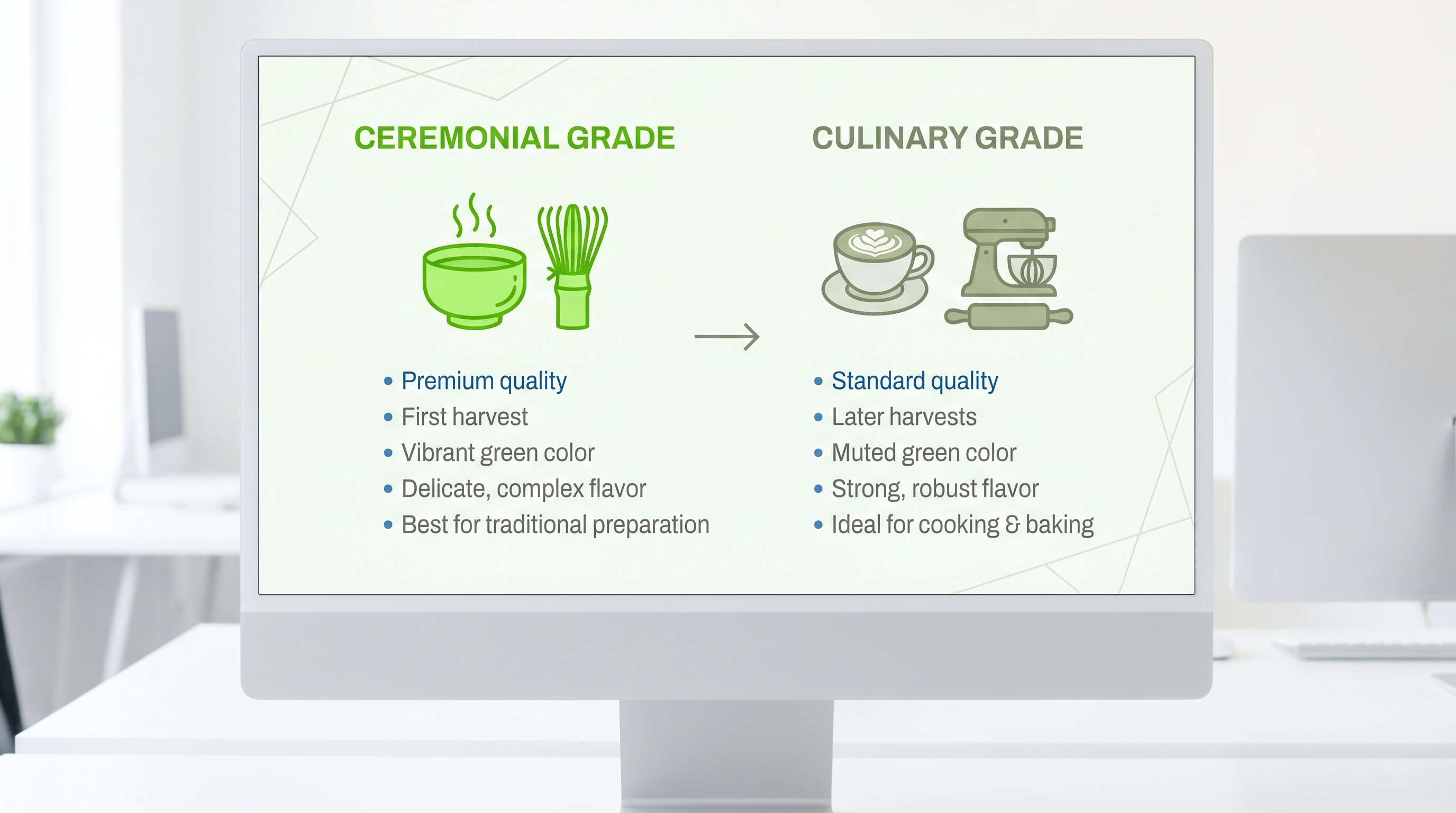
Understanding the difference between ceremonial grade and culinary grade is vital for cost management. Ceremonial grade is made from the youngest tencha leaves. It offers a delicate sweetness and intense green color, making it ideal for traditional tea service. However, it can be cost-prohibitive for milk-based lattes where the flavor needs to be more robust.
For lattes and smoothies, most cafes find success with a “Premium Beverage Grade.” This grade offers a stronger umami profile that can cut through the richness of oat or dairy milk. Using the wrong grade often results in a dull, brown-tinted drink that tastes overly bitter or “grassy.”
Key Takeaway: Reserve ceremonial grade for pure tea and use a high-quality beverage grade for lattes to maintain vibrant color and flavor without eroding your margins.
Why is sourcing from a direct matcha manufacturer critical for B2B success?
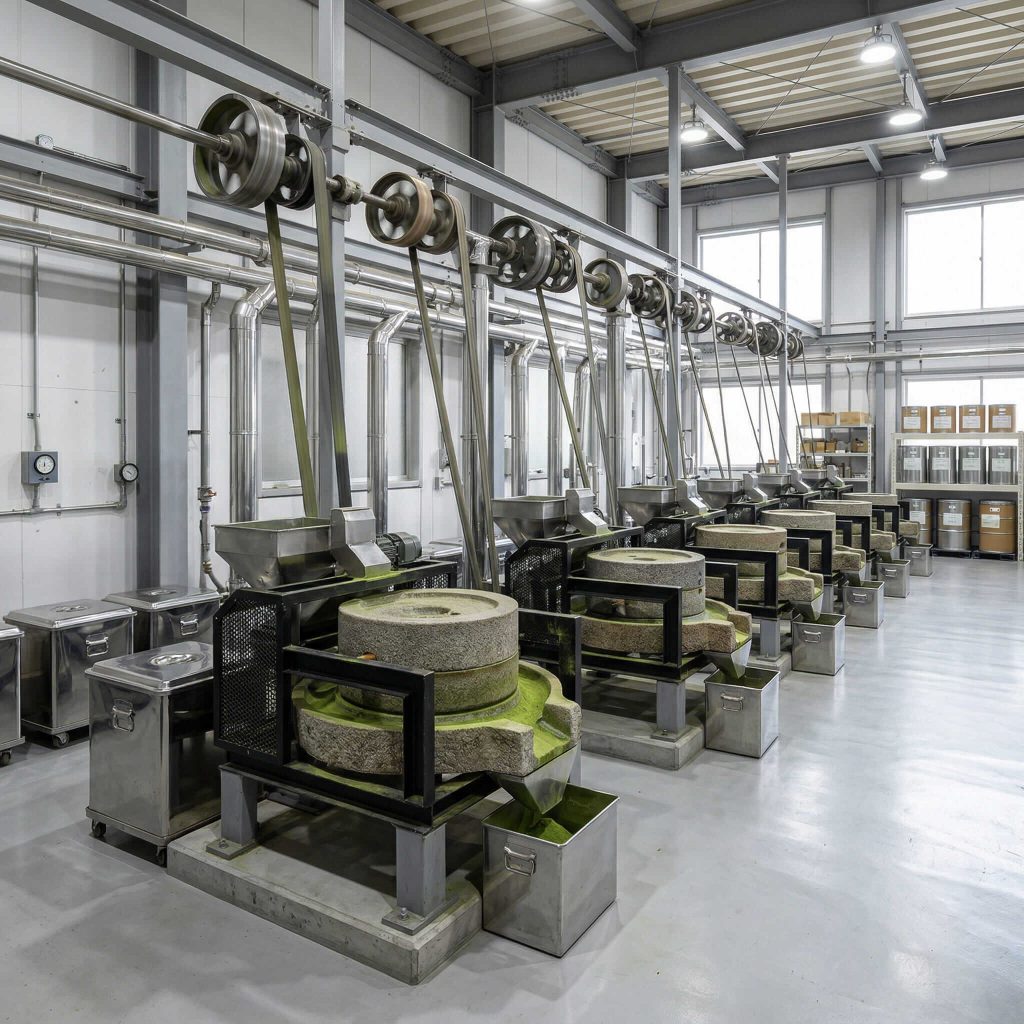
Sourcing directly from a manufacturer like AdoroHu Matcha eliminates the “middleman markup” typical of domestic distributors. Our vertically integrated supply chain controls every step, from the shade-grown plantations to the final stone-milling process. This ensures that every batch meets the exact specifications for color, particle size, and flavor profile.
Direct manufacturers provide stability that trading companies cannot match. We offer consistent pricing even during seasonal fluctuations. Furthermore, having direct access to the production team allows for the development of custom blends. This level of transparency is essential for cafes that value traceability and food safety in their ingredient sourcing.
What is the typical pricing for wholesale matcha used in high-volume beverages?
Wholesale matcha pricing varies based on grade, harvest season, and order volume. For high-volume cafe beverages, prices typically fall into a tiered structure. Entry-level culinary grades for baking or pre-mixed blends often start around $35 per kilogram. These are cost-effective but may lack the vibrant green hue required for premium lattes.
High-performance beverage grades—the “sweet spot” for most specialty cafes—usually range from
55to
75 per kilogram. Top-tier organic ceremonial powders can reach $95 per kilogram or higher. Buying in bulk or setting up annual contracts often yields significant discounts, allowing cafes to maintain an 80%+ gross margin on every drink sold.
How can organic matcha powder elevate your brand’s menu appeal?
Offering organic matcha is a powerful “clean label” marketing tool. Consumers are increasingly wary of pesticides in imported teas. By using USDA or EU-certified organic powder, you signal a commitment to quality and health. This certification often allows for a price premium of 0.50 to 1.00 per drink.
Organic farming practices also tend to yield a more complex flavor profile. The slow growth of organic tencha under shade-cloth enhances the concentration of L-theanine. This amino acid is responsible for the “calm energy” effect that matcha is famous for. Highlighting these benefits on your menu can turn a casual customer into a loyal daily visitor.
What are the best creative matcha latte variations for seasonal promotions?
Seasonal menus drive urgency and repeat visits. For spring, a “Sakura Matcha Latte” using cherry blossom syrup creates a beautiful pink-and-green aesthetic. In the summer, a “Matcha Coconut Refresher” with coconut water and a hint of lime offers a tropical, hydrating alternative to coffee.
Autumn presents an opportunity for a “Maple Matcha Latte” or a spiced “Matcha Chai” blend. Winter menus benefit from decadent pairings like “White Chocolate Matcha” or “Peppermint Matcha.” These variations utilize existing pantry staples like syrups and spices. They allow you to market “new” products without investing in significant new inventory.
Can private label matcha help your cafe scale its brand identity?
Private labeling allows you to sell your own branded matcha tins for home use. This creates an additional revenue stream that isn’t tied to your physical seating capacity. When a customer loves your in-store latte, they are highly likely to purchase the “same” powder to enjoy at home.
Working with a flexible manufacturer allows you to customize the packaging and even the blend. You can choose a specific flavor profile—perhaps one with more natural sweetness—to differentiate your retail line. This extends your brand presence into the customer’s kitchen, building long-term brand equity and customer loyalty.
What are the common mistakes buyers make when sourcing matcha in bulk?
The most common mistake is prioritizing price over color stability. Cheap matcha often turns brown quickly when exposed to light or heat. This ruins the “aesthetic” of your drinks. Another error is purchasing too much stock at once. Matcha is a fresh agricultural product; its flavor and color degrade over time.
Buyers also often overlook the importance of particle size. Matcha that has not undergone proper stone-milling will be “gritty” and won’t emulsify correctly in milk. Always request a Certificate of Analysis (COA) to verify the mesh size and ensure the product is free from heavy metals and pesticide residues.
How do import logistics and MOQ impact your drink menu’s cost efficiency?
Managing logistics is the hidden cost of a successful tea program. AdoroHu Matcha simplifies this by offering a 14-day global lead time. This allows cafes to keep inventory lean and ensures that the powder is always fresh. Frequent, smaller shipments are often better for maintaining quality than one massive annual delivery.
Our MOQ starts at 50kg for custom blends or private label orders. This is a manageable threshold for small chains or high-volume independent cafes. By optimizing your order frequency and volume, you can minimize shipping costs while ensuring your menu always features the freshest, most vibrant green tea available.
Is hojicha powder a necessary alternative for a diverse tea menu?
If you want a truly comprehensive tea menu, hojicha is essential. Hojicha is roasted green tea, offering a nutty, caramel-like flavor that appeals to coffee drinkers. It contains very little caffeine, making it a perfect evening alternative. Like matcha, it can be served as a latte or a cold-brew tea.
Including hojicha alongside matcha shows a level of tea expertise that sets your cafe apart. It uses similar preparation methods—whisking a powder into a “shot”—so it doesn’t require extra staff training. Offering both “Green” (Matcha) and “Brown” (Hojicha) lattes provides a complete flavor spectrum for your tea-loving customers.
Frequently Asked Questions
- What is the shelf life of wholesale matcha powder?Unopened matcha typically lasts 12 to 18 months in nitrogen-flushed packaging. Once opened, it should be used within 2 months to maintain peak color and umami flavor.
- Does your matcha require traditional whisking in a cafe?While a bamboo whisk is traditional, high-volume cafes often use electric milk frothers or “matcha shot” blenders for speed and consistency during busy shifts.
- Are your matcha products gluten-free and vegan?Yes, our pure matcha is 100% natural, gluten-free, and vegan. It is the perfect base for plant-based milk alternatives like oat, soy, and almond milk.
- Can I get samples before committing to a 50kg MOQ?Yes, we provide sample packs to qualified wholesale buyers. This allows you to test the color, solubility, and flavor profile in your specific cafe environment.
- What certifications do you provide for bulk orders?Every shipment comes with a COA. We also provide USDA Organic, EU Organic, and ISO 22000 documentation upon request to support your brand’s quality claims.
Ready to transform your beverage menu with premium, factory-direct matcha? Our team is standing by to provide custom quotes and sample packs tailored to your cafe’s needs. contact us today to start your wholesale partnership.