Beverage brands face a constant battle to innovate and capture changing consumer tastes in a highly saturated market. Failing to adapt to the latest functional ingredient movements can leave your menu stagnant and result in lost market share to more agile competitors. Understanding the dominant matcha beverage trends for 2026 provides a clear roadmap for profitable product development, and AdoroHu Matcha is here to equip B2B buyers with the exact sourcing strategies needed to scale these high-demand drinks.
In short:
Key points:
- Functional RTD beverages combining green tea with adaptogens are dominating commercial market growth.
- Strategic sourcing from advanced Chinese tea estates ensures robust flavor profiles and competitive B2B pricing.
- Custom manufacturing and private label packaging offer high-margin revenue streams for growing beverage franchises.
What are the macro matcha beverage trends driving growth in 2026?
The global beverage landscape is shifting rapidly toward health-conscious, functional consumption. Analyzing matcha beverage trends reveals that consumers no longer just want a caffeine boost; they expect sustained energy paired with wellness benefits. This shift makes powdered green tea an ideal anchor ingredient for B2B product developers.
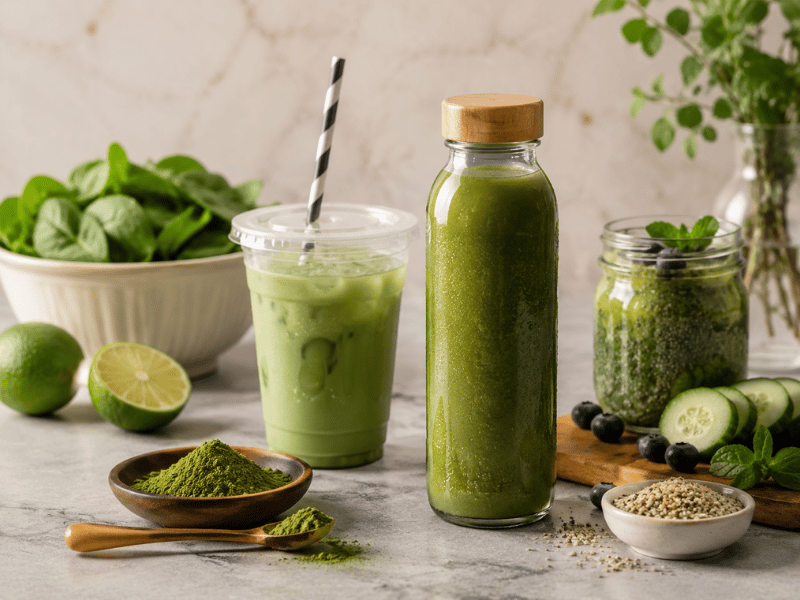
The most significant trend is the rise of clean-label energy. Consumers actively seek alternatives to synthetic energy drinks. Matcha naturally contains L-theanine, an amino acid that regulates caffeine absorption, providing a jitter-free experience. Consequently, commercial brands are formulating new sparkling matcha energy waters and functional wellness shots to capture this health-driven demographic.
Another major macro trend is the explosion of hybrid beverage concepts. Cafes and food manufacturers are moving beyond the traditional matcha for latte applications. We see a surge in matcha infused with fruit purees, botanical extracts like yuzu or hibiscus, and adaptogenic mushrooms. These complex flavor profiles require a highly robust tea base to ensure the earthy umami notes are not lost in the mix.
Key Takeaway: Formulate your 2026 product lines around functional, clean-label energy and hybrid flavor combinations to meet evolving consumer wellness demands.
How are premium matcha grades changing cafe menus?
Cafe operators are becoming increasingly sophisticated regarding ingredient quality and grading. In the past, many high-volume shops used low-tier green tea powders that yielded a dull, yellowish color and a bitter finish. Today, competitive menus demand vibrant aesthetics and authentic flavor, pushing the standard toward higher commercial tiers.
The current B2B standard is premium culinary grade. This specific grade balances the deep, robust astringency needed to cut through heavy dairy and plant-based milks with an intense emerald color. While some brands mistakenly attempt to use ceremonial grades for milk drinks, the delicate notes are entirely masked by sweeteners. Premium culinary grade is specifically stone-milled or machine-milled to perform in complex commercial recipes.
By upgrading to premium bulk matcha, cafes can justify higher premium pricing for their specialty drinks. A vibrant green beverage naturally drives social media marketing through user-generated content, acting as free promotion for the business.
Key Takeaway: Upgrade your core ingredient to premium culinary grade to ensure vibrant drink colors, robust flavor, and premium menu pricing power.
Where should brands source matcha to meet 2026 demand?
The origin of your raw materials directly impacts your supply chain stability and product quality. While Japanese marketing has historically dominated the consumer perception of powdered tea, astute B2B buyers recognize the immense strategic advantage of modern Chinese tea estates for commercial sourcing.
Historically, the practice of shade-growing and milling fine tea (“Dian Cha”) originated in China during the Tang and Song dynasties. Today, top-tier Chinese manufacturers have fused this ancient terroir with cutting-edge, Japanese-style agricultural technology. They utilize advanced shade-covering techniques and ultra-fine milling (typically 10-15 microns) to produce exceptional commercial grades.
For beverage brands, modern Chinese premium matcha offers superior commercial viability. The tea body is notably thicker and more robust, providing exceptional “anti-milk” and “anti-sugar” properties. This means the distinct umami flavor pierces through complex boba tea recipes far better than delicate alternatives. Partnering with a direct wholesale matcha supplier from these regions guarantees consistent volume and superior flavor retention.
Key Takeaway: Source from advanced Chinese tea estates to secure a robust, scalable matcha base that excels in complex, milk-heavy commercial beverage applications.
What are the key cost factors for wholesale matcha in 2026?
Protecting profit margins requires a clear understanding of B2B pricing structures. The cost of bulk powdered tea is influenced by harvest time, shading duration, milling methods, and order volume. Navigating these factors allows purchasing managers to optimize their ingredient spend.
The most critical cost driver is the harvest season. First-harvest leaves (spring) command the highest prices due to superior amino acid content, while later harvests are more economical. For high-volume bubble tea chains, blending harvests creates a stable, cost-effective flavor profile. Buying direct from the manufacturer bypasses broker markups, typically saving brands 20% to 40% per kilogram.
Table 1: Estimated 2026 Bulk Pricing Tiers (Per Kilogram)
| Quality Tier | Estimated Price (USD/kg) | Best Commercial Application |
|---|---|---|
| Standard Culinary | $30 – $50 | High-volume budget boba, RTD bases |
| Premium Culinary | $55 – $80 | Premium cafes, specialized baking |
| Ceremonial Base | $100 – $150+ | Traditional water-whisked retail tins |
Key Takeaway: Budget between $55 and $80 per kilogram for premium culinary grades to balance exceptional drink quality with healthy operational margins.
Which certifications matter most for modern matcha consumers?
Trust and transparency are mandatory in the 2026 food and beverage sector. Consumers actively read labels, and B2B buyers must provide verifiable proof of quality and safety. Operating without the proper facility and product certifications severely limits market access.
Food safety is the non-negotiable baseline. Buyers should only partner with factories holding FSSC 22000 or ISO 22000 certifications, ensuring strict global hygiene and hazard control standards. Furthermore, every batch must come with a clear Certificate of Analysis (COA) detailing heavy metal testing, pesticide residue, and microbiological safety.
Dietary and environmental certifications unlock premium market segments. Offering organic matcha powder certified by USDA or EU standards allows brands to target high-end health food stores. Additionally, Halal and Kosher certifications are critical for rapid international expansion into diverse geographic markets.
Key Takeaway: Demand comprehensive COAs and verify global food safety certifications (ISO/FSSC) before signing any bulk supplier contracts.
What are the top B2B applications for matcha beyond lattes?
While the classic iced latte remains a staple, massive market expansion is happening in adjacent food and beverage categories. Diversifying application use cases allows manufacturers to maximize the return on their bulk ingredient inventory.
The ready-to-drink (RTD) market is a primary growth engine. Brands are utilizing bulk powders to formulate canned sparkling teas, pre-mixed wellness shakes, and protein-fortified workout drinks. These applications require a highly soluble powder that prevents clumping and sedimentation during prolonged shelf storage.
Beyond beverages, the bakery and confectionery sectors are driving heavy volume. Formulators use robust green tea powder to naturally color and flavor ice creams, mochi, pastries, and chocolate bars. The high heat of commercial ovens requires a specifically milled culinary grade to prevent the color from oxidizing and turning brown during baking.
Key Takeaway: Expand your product lines into RTD functional beverages and premium baked goods to maximize the utility of your bulk matcha inventory.
How can brands leverage private label matcha for retail expansion?
Brick-and-mortar cafes and digital influencers frequently look for ways to monetize their existing audience beyond single-cup sales. Selling branded retail products is a proven strategy for increasing average customer order value and building brand equity.
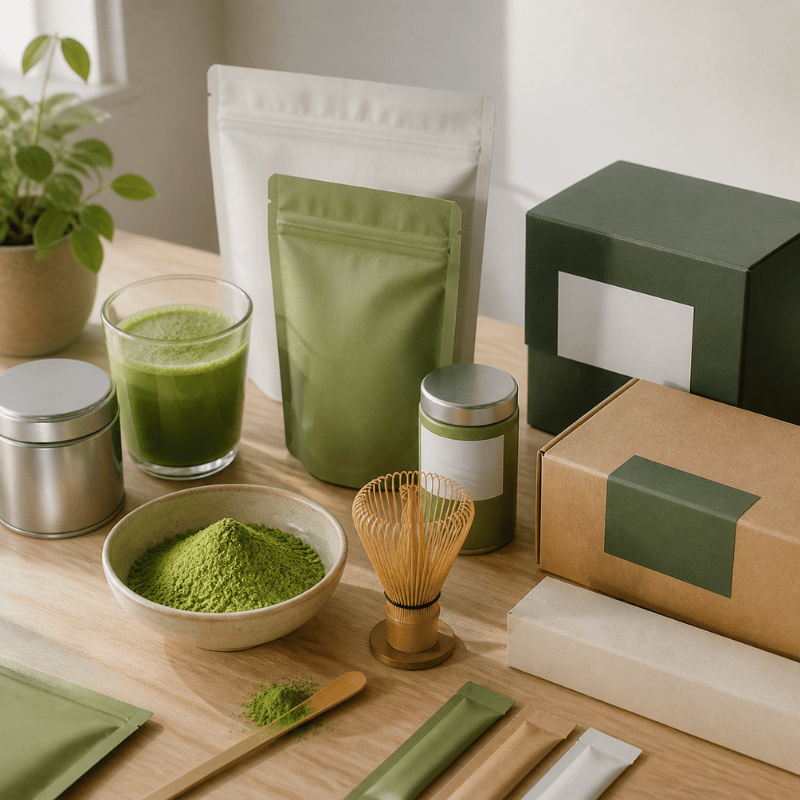
A comprehensive matcha private label program offers a turnkey solution. B2B suppliers can manufacture, package, and seal high-quality powder into retail-ready tins or single-serve stick packs bearing your company logo. This OEM model requires zero capital investment in heavy milling or packaging machinery.
Furthermore, custom formula development allows brands to create proprietary “3-in-1” instant mixes. By pre-blending the tea powder with specific ratios of non-dairy creamer and sweeteners, brands can offer a unique product that guarantees barista-level consistency at home or speeds up service times behind a busy cafe counter.
Key Takeaway: Launch a private label retail line to capture high-margin, take-home sales and strengthen brand loyalty among your existing customer base.
What are the biggest import and logistical challenges currently?
Global supply chains remain complex, and importing agricultural products requires precise planning. Beverage brands that fail to account for logistical lead times frequently suffer from catastrophic stockouts, forcing them to halt menu items and lose revenue.
Understanding Minimum Order Quantities (MOQ) is the first step. For factory-direct premium grades, B2B bulk MOQs typically range from 10kg to 20kg. This ensures fresh milling and viable international freight rates. Buyers must accurately forecast their quarterly consumption to optimize sea freight versus more expensive air freight options.
Customs clearance and lead times require large buffers. Standard international shipping and FDA/customs processing generally require 4 to 8 weeks from the date of order confirmation. Smart brands maintain a revolving safety stock equivalent to two months of inventory to insulate against unexpected port delays or sudden spikes in consumer demand.
Key Takeaway: Forecast inventory accurately and build a 4-to-8 week lead time buffer into your purchasing schedule to prevent out-of-stock scenarios.
What common sourcing mistakes ruin new matcha product launches?
Entering the matcha market presents lucrative opportunities, but uneducated sourcing can quickly derail a product launch. B2B buyers frequently make critical errors that compromise flavor, color, and profitability.
The most common mistake is buying solely based on the lowest price per kilogram. Powders priced under $20/kg are rarely authentic shade-grown matcha; they are usually standard ground green tea. Using this cheap substitute results in a bitter, yellowish-brown drink that immediately alienates consumers and damages brand reputation.
Improper storage is another fatal error. Even the highest quality powder will degrade rapidly if exposed to heat, light, and oxygen. Buyers often leave bulk foil bags open in warm warehouse environments. To preserve the vibrant color and delicate amino acids, bulk inventory must be stored in airtight, opaque containers under commercial refrigeration (below 5°C).
Key Takeaway: Avoid cheap green tea substitutes and enforce strict refrigerated storage protocols to protect the vibrant color and flavor of your investment.
How does matcha compare to other functional beverage ingredients?
As product developers design their 2026 menus, they must weigh various functional ingredients against one another. Understanding how green tea powder stacks up against alternative bases helps brands formulate superior, highly marketable drinks.
Compared to traditional coffee, matcha offers a significantly smoother energy profile. While coffee creates a rapid spike and subsequent crash, the phytonutrients in green tea slow the release of caffeine into the bloodstream. This sustained, focused energy is exactly what modern working professionals seek in a functional beverage.
When compared to other tea variations, it provides unparalleled versatility. For example, while hojicha powder offers a delicious, comforting roasted flavor with lower caffeine, it lacks the vibrant green visual appeal necessary for viral social media marketing. Matcha remains the undisputed leader in combining striking aesthetics with potent functional health benefits.
Table 2: Functional Beverage Ingredient Comparison
| Ingredient | Caffeine Delivery | Visual Appeal | Primary Benefit |
|---|---|---|---|
| Matcha | Sustained / Smooth | High (Vibrant Green) | Antioxidants, Focus |
| Coffee | Rapid Spike / Crash | Low (Standard Brown) | Immediate Alertness |
| Hojicha | Low | Medium (Warm Brown) | Digestion, Low Caff |
Key Takeaway: Position matcha as the premier functional ingredient for consumers seeking sustained energy paired with high visual appeal.
FAQ
- Q: What is the main difference between culinary and ceremonial grades for cafes?
- Culinary grades are milled to be robust and astringent, allowing the flavor to pierce through milk and sugar in lattes. Ceremonial grades are delicate and sweet, intended only for whisking with plain water, making them easily masked in complex beverages.
- Q: How long does bulk matcha stay fresh in a commercial setting?
- When stored in a sealed, opaque container under refrigeration, bulk powder maintains its vibrant color and flavor for up to 12 months. Once opened for daily cafe use, it should be consumed within 30 to 60 days.
- Q: Why is my matcha latte turning out yellow or muddy green?
- A yellowish color indicates either the use of a low-quality, non-shaded green tea powder, or that the powder has oxidized due to improper storage (exposure to heat, light, or air).
- Q: Can I use the same matcha powder for both drinks and baked goods?
- Yes, a high-quality premium culinary grade is versatile enough to provide excellent flavor in iced lattes while also maintaining its color integrity under the high heat of commercial baking.
- Q: What is the typical lead time for a wholesale bulk matcha order?
- For direct factory sourcing, B2B buyers should expect a lead time of 4 to 8 weeks to account for fresh milling, international shipping, and customs clearance procedures.
Conclusion
Capitalizing on the matcha beverage trends of 2026 requires more than just adding a new item to your menu; it requires strategic, high-quality sourcing. By selecting premium culinary grades, understanding origin advantages, and leveraging custom manufacturing, brands can build highly profitable and scalable beverage programs. Ready to elevate your product line with authentic, robust flavor? Reach out through our contact page today to request wholesale samples and discuss custom private label solutions tailored to your business.