Cafe owners, beverage manufacturers, and B2B buyers constantly struggle to find a consistent, vibrant green matcha that retains its distinct flavor profile when mixed with milk or milk alternatives. Selecting low-quality, dull, or overly bitter matcha results in brownish, unappealing lattes that lose repeat customers, squeeze your profit margins, and severely damage your brand’s reputation for quality. AdoroHu Matcha offers the ultimate sourcing solution, providing commercial buyers with premium, highly consistent, and stone-ground matcha for latte that stays bright, tastes sweet, and thrives in milk formulations. This B2B sourcing guide helps you confidently evaluate, select, and source the best matcha powder for latte preparation.
The best matcha powder for latte preparation is a high-grade, second-harvest premium culinary matcha or standard-grade ceremonial matcha that balanced vibrant jade-green color, stone-ground fine texture, and a robust, naturally sweet umami flavor profile strong enough to cut through milk fats and sweeteners without tasting bitter.
In short:
Key points:
- Sourcing the right grade is critical: choose premium culinary or standard-grade ceremonial to stand up to milk while maintaining a rich, bright green aesthetic.
- Authentic origin matters: Japanese shade-grown, stone-milled tencha leaves ensure elevated amino acids and L-theanine without heavy bitterness.
- Partnering with a reliable, certified wholesale supplier like AdoroHu Matcha ensures stable pricing, flexible custom packaging, and rigorous quality control.
What is the difference between ceremonial and culinary matcha powder for latte preparation?
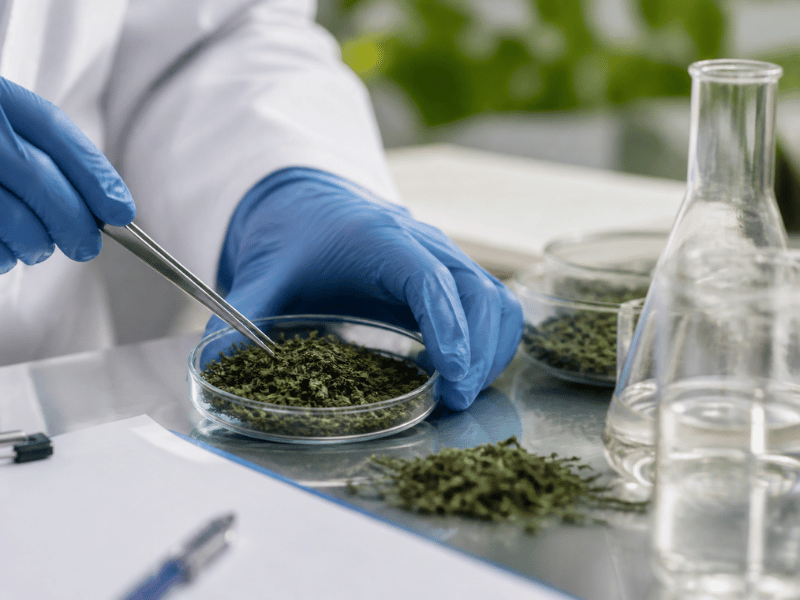
The difference lies primarily in the leaf harvest timing, flavor intensity, and how the powder interacts with dairy or plant-based milks. Ceremonial grade matcha is produced from the delicate first-harvest leaves, preserving high concentrations of L-theanine and amino acids. This traditional material undergoes careful stone-milling of pure tencha leaves to produce an ultra-fine powder.
Make no mistake:
While premium ceremonial options are incredibly smooth, their delicate taste can get lost when mixed with heavy fats. For commercial latte formulations, a high-quality culinary grade matcha or robust wholesale ceremonial matcha provides the perfect balanced flavor profile. This allows the tea’s authentic profile to pierce through milk without tasting excessively bitter.
| Evaluation Metric | Ceremonial Grade | Premium Culinary Grade | |
|---|---|---|---|
| Harvest Season | First Harvest (Spring) | Second Harvest (Summer) | |
| Color Profile | Electric Jade Green | Vibrant Meadow Green | |
| Flavor Notes | Mild Umami, Sweet Grass, Delicate | Robust Umami, Bold Tea Profile, Subtle Bitterness | |
| Milk Interaction | Easily overpowered by heavy milk | Cuts through dairy and plant-based milks | |
| Price Point | High Premium | Cost-Effective Commercial |
Key Takeaway: Choose standard ceremonial for premium, luxury café applications, but rely on premium culinary grades for high-volume, cost-effective beverage production where boldness is required.
Why does the origin of matcha powder for latte affect its final taste?
The origin determines the soil composition, climate conditions, and agricultural techniques that directly shape the chemical profile of the tea leaves. Authentic Japanese tea gardens rely on centuries of expertise, using precise shade-growing techniques for several weeks before harvest. This shade-growing process forces the plants to produce maximum chlorophyll and rich amino acids.
As it turns out:
The traditional stone-milling of high-quality tencha leaves preserves the volatile compounds that define authentic taste. Low-quality, mass-produced powders from unverified origins often skip these critical steps. This shortcut yields a dull, yellow-brown powder lacking the therapeutic L-theanine that provides a naturally sweet, smooth finish.
Key Takeaway: Always verify the Japanese origin of your bulk matcha to guarantee the complex flavor profile and bright green appearance expected by modern consumers.
How do B2B buyers evaluate the color and texture of high-quality matcha powder for latte?
Buyers evaluate quality through visual inspection of its vibrant jade-green color and a tactile test of its silky, non-gritty particle size. High-grade matcha undergoes a meticulous stone-milling process that reduces tencha leaves to microscopic particles. This ensures it suspends perfectly in liquids instead of settling at the bottom of the cup.
Here is the thing:
A vibrant, bright green hue indicates high chlorophyll levels from proper shade-growing. Dull, olive-drab, or yellowish-brown shades suggest older, non-shaded leaves or oxidation. High concentrations of amino acids also contribute to a glossy visual quality that dry-blended, low-tier alternatives simply cannot replicate.
Key Takeaway: Never compromise on visual standards; look for ultra-fine, silky, bright green powder to avoid a gritty texture and unappealing color in your finished drinks.
What are the typical wholesale pricing structures for bulk matcha powder for latte?
Typical wholesale pricing is structured in tiered bands based on volume, grade, and harvest, with prices ranging from
15to
65+ per kilogram depending on order size. To support business growth, AdoroHu Matcha offers transparent, volume-based pricing for our matcha wholesale solutions. We support global importers with flexible Minimum Order Quantities (MOQs) starting at just 50 kg for custom air freight.
Think about it:
Sourcing directly from our partner farms allows us to keep lead times to a reliable 7 to 15 days for air shipments, and approximately 30 to 45 days for ocean freight. This supply chain stability ensures your beverage brands never run out of critical raw materials. Our stone-milling facilities operate continuously to fulfill custom orders while maintaining high levels of active L-theanine and vital amino acids.
| Ordering Tier (Volume) | Price Range (USD/kg) | Best Application | Packaging Formats | |
|---|---|---|---|---|
| 50 kg – 100 kg | 45.00−65.00 | Boutique Cafés & Small Brands | 1 kg Foil Bags / 20 kg Cartons | |
| 101 kg – 500 kg | 30.00−44.00 | Mid-sized Beverage Distributors | 5 kg Vacuum Sacks / Bulk Drums | |
| 501 kg – 1,000+ kg | 15.00−29.00 | Industrial Beverage Manufacturers | Customizable OEM Bulk Cartons |
Key Takeaway: Optimize your cost-in-use by matching your volume requirements with the right grade, leveraging high-volume tiers to maximize profit margins.
How do quality control standards ensure safety in organic matcha powder for latte?
Quality control standards guarantee safety through third-party organic certifications, strict metal detection, and comprehensive lab testing for contaminants. Our certified organic matcha powder undergoes rigorous quality control to meet USDA Organic, JAS, and EU standards. We execute extensive multi-residue pesticide screens on every batch of shaded tencha leaves before stone-milling.
Let’s be clear:
Heavy metal contamination and high microbial loads are major risks in cheap, uncertified teas. We utilize advanced steam sterilization and heavy-duty magnetic separators to keep physical hazards out. Our analytical testing reports verify the absence of harmful pathogens while ensuring optimal amino acids levels.
| Parameter Evaluated | Commercial Standard Limit | AdoroHu Matcha QC Guarantee | |
|---|---|---|---|
| Pesticide Residues | < 0.01 mg/kg | 100% Non-detected (Multi-screen) | |
| Lead (Pb) | < 2.0 ppm | < 0.5 ppm | |
| Arsenic (As) | < 1.0 ppm | < 0.2 ppm | |
| Total Plate Count | < 10,000 CFU/g | < 1,000 CFU/g | |
| Yeast & Mold | < 100 CFU/g | < 50 CFU/g |
Key Takeaway: Partnering with a supplier that maintains transparent, certified QC specifications is essential to protect your brand from costly recalls.
What are the major mistakes B2B importers make when sourcing bulk matcha powder for latte?
The biggest mistake is prioritizing the lowest possible price over color stability, particle solubility, and reliable supplier communication. Many importers purchase cheap, late-harvest culinary powders that were not produced using traditional shade-growing practices. This oversight results in extremely bitter drinks that require excessive sugars to be palatable.
On top of that:
Neglecting to verify the stone-milling process can lead to coarse, grainy powders that ruin the mouthfeel of your latte products. Importers also fail to check if the supplier utilizes authentic tencha or cheaper sencha leaf stems. This mistake leads to lower levels of L-theanine and a rapid degradation of the vibrant green color under café lighting.
Key Takeaway: Balance your cost calculations with strict quality parameters to avoid shipping a product that fails to perform in actual retail environments.
How does private label customization work for commercial matcha powder for latte brands?
Private label customization involves selecting a custom tea blend, finalizing protective packaging, and printing your brand assets under professional manufacturing standards. AdoroHu Matcha simplifies the launching process with our comprehensive matcha private label services. We provide versatile packaging solutions, including airtight tin cans, moisture-proof stand-up pouches, and single-serve sticks.
That is not all:
Our advanced stone-milling machinery ensures that your custom-blended tencha powder remains perfectly consistent across every batch. We offer low OEM MOQs of just 1,000 units to help brands enter the market with minimal initial risk. Our design and compliance team assists with FDA-compliant nutritional labeling and custom formulation requirements.
Key Takeaway: Leverage private label capabilities to quickly launch custom branded products with professional, food-safe packaging that speaks directly to your target audience.
What are the best blending ratios when using matcha powder for latte in food service?
The best commercial ratio is 4 to 6 grams of premium matcha powder blended with 2 ounces of warm water and 8 to 10 ounces of textured milk. To achieve a balanced flavor profile, baristas must emulsify the stone-milling powder perfectly to release the aromatic compounds and amino acids. Using high-quality shade-growing material prevents the beverage from tasting overly bitter or watery.
Here is the exact formula:
Mixing the powder with a small amount of warm water (75-80°C) prevents clumping and preserves the heat-sensitive L-theanine. This creates a highly concentrated “matcha shot” that cuts through cold or hot milk effortlessly.
| Drink Size | Matcha Powder | Water Volume | Textured Milk | Sweetener Optional | |
|---|---|---|---|---|---|
| 8 oz | 4 grams | 2 oz (60 ml) | 6 oz (180 ml) | 5 ml Simple Syrup | |
| 12 oz | 5 grams | 2 oz (60 ml) | 10 oz (300 ml) | 10 ml Vanilla Syrup | |
| 16 oz | 6 grams | 3 oz (90 ml) | 13 oz (390 ml) | 15 ml Honey/Agave |
Key Takeaway: Standardizing your ratios across all food service locations guarantees a consistent taste experience and protects your ingredient cost-per-cup.
What logistics and shipping standards protect bulk matcha powder for latte during transit?
Logistics standards protect the powder through vacuum sealing, double-wall foil barrier packaging, and temperature-controlled shipping environments. Authentic matcha is highly sensitive to heat, light, and humidity, which quickly degrade active amino acids and bleach the vibrant green chlorophyll. Our export-ready bulk cartons feature heavy-duty aluminum vacuum packaging with nitrogen flushing.
Crucially, though:
We recommend climate-controlled shipping for all transoceanic cargo to preserve the delicate aroma generated from traditional stone-milling of tencha. Our standard lead times are optimized to move fresh shade-growing harvests quickly from our warehouses to your distribution centers. This careful logistical handling ensures the product arrives with its maximum shelf-life intact.
Key Takeaway: Work with a supplier that treats shipping logistics as an extension of quality control to prevent receiving damaged, oxidized inventory.
Why is the market demand for premium matcha powder for latte surging globally?
Global demand is surging because consumers are seeking functional beverages that offer sustained energy, focus, and clean ingredients without the coffee crash. Modern consumers love the natural synergy between caffeine and L-theanine, which promotes calm focus and cognitive clarity. This premium shade-growing product has evolved from a niche specialty item into a dominant menu category in major coffee chains.
In other words:
Beverage brands that offer high-quality, vibrant green lattes attract a loyal, health-conscious customer base willing to pay premium prices. The rich profile of stone-milling tea leaves offers clean-label, plant-based versatility that aligns with global dietary trends. Sourcing the right raw materials is the ultimate way to capture this high-margin market opportunity.
Key Takeaway: Tap into the rising global demand by securing a reliable, direct-from-origin sourcing partner who can scale alongside your business growth.
FAQ
- Q: Is ceremonial grade matcha necessary for making lattes?
- While ceremonial matcha offers an exceptionally smooth taste, its delicate flavor nuances are often overpowered by milk and sweeteners. For standard commercial lattes, a premium culinary or barista-grade matcha provides the ideal strength, vibrant color, and better cost-efficiency.
- Q: How long does bulk matcha powder remain fresh in commercial storage?
- Properly sealed bulk packaging has a shelf life of 18 to 24 months. Once opened, it should be kept in airtight, lightproof containers under refrigeration and consumed within 2 to 3 months to maintain optimal color and flavor.
- Q: What is the typical Minimum Order Quantity (MOQ) for wholesale orders?
- AdoroHu Matcha offers a flexible entry-level MOQ of 50 kg for wholesale purchases, with tiered discounts and custom freight options available for orders exceeding 500 kg.
- Q: Can we get USDA and EU organic certifications for our private label products?
- Yes, our certified organic tea farms and processing facilities fully support USDA Organic, JAS, and EU Organic standards, allowing us to ship fully compliant private label retail goods.
- Q: Why does some matcha look yellowish-brown instead of bright green?
- A yellowish-brown color indicates that the tea leaves were either poorly shaded, harvested too late in the season, or subjected to excessive heat and oxidation during shipping or storage.
Conclusion
Choosing the right raw material is the most critical decision for building a successful, highly profitable commercial matcha program. Partnering with a dedicated manufacturer like AdoroHu Matcha ensures you receive the perfect balance of vivid color, rich umami taste, and robust strength to make your drinks stand out. Ready to elevate your beverage lineup? Contact our B2B sourcing team to request high-grade product specifications, request free volume samples, or receive a fast customized wholesale quote at contact AdoroHu Matcha .