The best matcha packaging blocks the three things that destroy matcha, light, oxygen, and moisture, while carrying your brand, so the right choice is an opaque, high-barrier format like a tin or foil pouch, often nitrogen-flushed for premium grades. Here’s the problem brands discover too late: they pick packaging for how it looks on a shelf, then watch the vivid green powder inside fade to dull olive before it sells.
That mistake is costly twice over. Choose a pretty but low-barrier package and your matcha oxidizes, turning bitter and grey, generating returns and lost repeat orders. Over-spec a luxury tin for a culinary bulk line and you bury margin in packaging the product never needed. For an OEM brand, matcha packaging is a preservation-and-economics decision, not just a design one. This guide covers every format, the barrier specs that actually matter, and how to match packaging to grade and budget, drawing on the full packaging range a manufacturer offering matcha private label and OEM support provides.
The best matcha packaging is opaque and high-barrier, blocking light, oxygen, and moisture, the three agents that degrade matcha. Tins and composite foil pouches are the top choices, with nitrogen flushing during sealing extending shelf life to 12 to 24 months for premium grades. Avoid clear glass or plastic, which let light and oxygen degrade the powder. For OEM brands, match the format to the grade: tins for premium, foil pouches for culinary and bulk, and single-serve sachets for sampling and grab-and-go.
In short: matcha packaging must be opaque and high-barrier to block light, oxygen, and moisture, with tins and foil pouches leading and nitrogen flushing extending shelf life.
Key points:
- Light, oxygen, and moisture are the three agents that degrade matcha, so packaging must block all three.
- Tins, composite foil pouches, and sachets each fit different grades and price tiers.
- Nitrogen flushing and high-barrier laminates extend shelf life, while clear glass or plastic fail.
Why does matcha packaging matter so much?
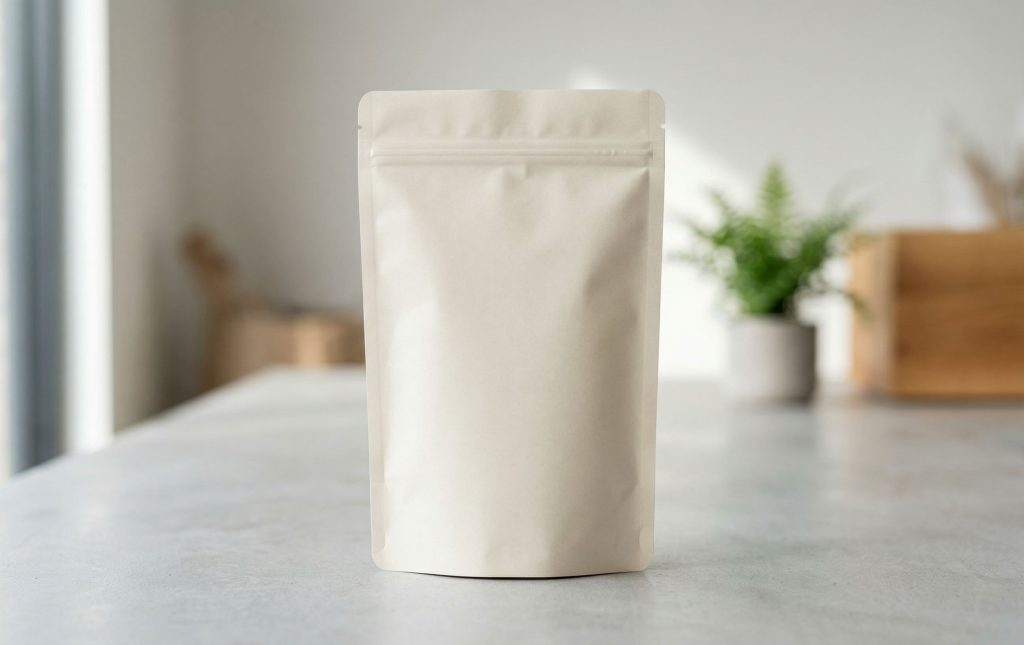
Matcha packaging matters because matcha is a finely ground powder that degrades far faster than loose-leaf tea once exposed. Here’s the science that drives every packaging decision: with a huge surface area, matcha reacts quickly with oxidation, light, and moisture, losing color, aroma, and nutrients.
The consequences are commercial, not just cosmetic. A faded, dull-olive powder signals low quality to customers and triggers returns. Chlorophyll gives matcha its green, but light and oxygen break it down, while moisture causes clumping and spoilage. For a brand, packaging is the last line of defense protecting the quality you paid to source. A vivid premium matcha can be ruined by poor packaging before it ever reaches a customer, turning a quality product into a liability on the shelf.
Key Takeaway: Matcha packaging is preservation first; because the fine powder oxidizes fast, the package is the last defense protecting color, aroma, and nutrients, so a weak package can ruin quality matcha before it sells.
What are the three enemies matcha packaging must block?
Matcha packaging must block three enemies: light, oxygen, and moisture, because each degrades the powder in a distinct way. Here’s how to think about it: a package that fails on any one of the three will spoil the matcha, no matter how well it handles the other two.
Each enemy demands a specific defense.
- Light, especially UV, breaks down chlorophyll and fades the green, so packaging must be opaque.
- Oxygen drives oxidation that flattens aroma and turns flavor bitter, so air must be sealed out or removed.
- Moisture causes clumping and microbial risk, so the barrier must be moisture-proof.
This is why clear glass and thin plastic fail: they may look elegant but let light and oxygen through. The experienced rule: never specify transparent packaging for matcha, however premium it looks, because the powder behind the glass is degrading in the light. A high-barrier, opaque structure is non-negotiable. Packaging that protects a matcha latte base must seal all three out across its whole shelf life.
Key Takeaway: Matcha packaging must defeat light, oxygen, and moisture together; failing any one spoils the powder, which is why opaque high-barrier structures are mandatory and clear glass or plastic, however elegant, are disqualified.
What are the main matcha packaging types compared?
The main matcha packaging types are tins, composite foil pouches, and single-serve sachets, each suited to a different grade and use. Here’s the trade-off that guides the choice: protection, cost, and presentation rarely peak in the same format, so you match the format to the product.
Rather than rank them, the smart move is to map each to where it fits.
| Format | Barrier protection | Cost | Best fit |
|---|---|---|---|
| Tin (nitrogen-flushed) | Highest, 100% light/air block | Highest | Premium and ceremonial retail |
| Composite foil pouch | High, with foil laminate | Moderate | Culinary, bulk, refills |
| Single-serve sachet | High per unit, sealed | Higher per gram | Sampling, grab-and-go |
| Bulk carton with liner | High, food-grade liner | Lowest per gram | Manufacturers, ingredient supply |
AdoroHu offers this full range, from bulk supply in 20 kg or 25 kg cartons with sealed food-grade liners to zip-lock pouches (30 g–500 g), tins and aluminium boxes (30 g–100 g), and single-serve 1–3 g sachets. The judgment: do not default to one format for a whole product line, since a bulk ingredient and a premium retail tin have opposite priorities.
Key Takeaway: Tins, foil pouches, sachets, and bulk liners each win on a different axis of protection, cost, or presentation; map each format to its grade and use rather than forcing one package across an entire product line.
What barrier and material specs should OEM brands check?
OEM brands should check the barrier structure, foil layer, and seal type, because these specs determine how long matcha stays fresh. Here’s the OEM-level detail that retail-focused guides skip: “foil pouch” is not one thing, and the laminate structure decides its real protection.
A genuine high-barrier pouch uses a multi-layer laminate, typically including an aluminum foil layer that blocks light and oxygen almost completely, unlike metallized films that only look similar. For paper-based or kraft packaging, an inner foil or high-barrier lining is essential, because uncoated paper alone does not block moisture. The experienced check: ask for the laminate structure and barrier rating, not just “foil pouch,” and confirm the seal is airtight along its full length. A brand sourcing culinary grade matcha in pouches should verify the lining before assuming the format protects the powder.
Key Takeaway: Check the laminate structure, not the label; a true high-barrier pouch needs an aluminum foil layer and full-length airtight seal, since “foil pouch” or kraft paper without proper lining can let moisture and light through.
How does nitrogen flushing extend matcha shelf life?
Nitrogen flushing extends matcha shelf life by removing oxygen from the package before sealing. Here’s the mechanism: replacing the air inside with inert nitrogen halts the oxidation that fades color and dulls flavor, dramatically slowing degradation.
The shelf-life impact is significant. Matcha sealed in a nitrogen-flushed tin or foil pouch can retain quality for 12 to 24 months, against a much shorter life in basic packaging exposed to air. By contrast, most guidance recommends using opened matcha within about 60 days, since once the seal breaks, oxygen exposure resumes. This is why nitrogen flushing is considered the gold standard for premium and ceremonial grades, where preserving delicate flavor justifies the cost. The judgment: specify nitrogen flushing for high-value ceremonial grade matcha, where the longer shelf life protects both flavor and the premium you charge.
Key Takeaway: Nitrogen flushing removes oxygen before sealing, extending shelf life to 12 to 24 months versus far less in basic packaging; specify it for premium and ceremonial grades, where protecting delicate flavor justifies the added cost.
How should you match matcha packaging to grade and budget?
You match matcha packaging to grade and budget by aligning the format’s cost and protection with the product’s value. Here’s the principle that protects margin: packaging spend should track product value, so premium grades earn premium packaging and bulk grades get cost-efficient formats.
Over-spending and under-protecting are both errors.
A grade-to-package framework
Align the package to where the product sits.
- Ceremonial grade: nitrogen-flushed tins, justified by high value and delicate flavor.
- Premium grade: tins or high-barrier pouches for signature retail lines.
- Culinary grade: composite foil pouches, cost-efficient for volume.
- Bulk ingredient supply: 20 to 25 kg cartons with food-grade liners.
The experienced rule: never put a luxury tin on a high-volume culinary line, because the packaging cost can exceed the flavor difference the customer notices. Equally, never put a premium ceremonial powder in a thin pouch, since you forfeit the shelf life its price depends on. Match the spend to the value.
Key Takeaway: Align packaging spend with product value; nitrogen tins for ceremonial, foil pouches for culinary, and bulk liners for ingredient supply, because over-packaging bulk grades or under-packaging premium grades both waste money.
What should OEM brands know about custom matcha packaging?
OEM brands customizing matcha packaging should balance brand design against barrier performance and cost. Here’s the tension to manage: the package must look distinctive and protect the powder, and a design that wins on the shelf but fails on barrier is a false economy.
Customization spans printing, format, size, and finish, but preservation cannot be sacrificed for aesthetics. Standard packaging formats keep costs down by avoiding custom tooling and mold fees, while bespoke shapes add upfront cost that only amortizes across volume. The 2026 market also rewards sustainability, with brands moving toward recyclable aluminum, FSC-certified paper, and high-barrier compostable laminates, provided the barrier is tested and proven. AdoroHu supports custom retail-ready packaging across its formats, so a brand can request packaging options that carry its design without compromising the barrier the powder needs.
Key Takeaway: Customize for brand and sustainability without sacrificing barrier; use standard formats to avoid tooling fees, and if choosing eco-materials, demand tested barrier performance, since a beautiful package that fails on protection is a false economy.
What packaging mistakes hurt matcha brands?
The biggest packaging mistake is prioritizing appearance over the barrier that keeps matcha fresh. Here’s the pattern across damaged products: each shortcut maps to a specific, avoidable loss.
Watch for these traps, each with a named consequence.
- Choosing clear glass or plastic for looks, letting light fade the green.
- Using uncoated kraft or paper with no foil lining, letting moisture in.
- Skipping nitrogen flushing on premium grade, shortening shelf life and flavor.
- Over-spending on luxury tins for bulk culinary lines, burying margin.
- Specifying “foil pouch” without checking the laminate, getting weak protection.
Each is avoidable with the right specs and partner. A vertically integrated manufacturer offering full packaging formats and complementary lines like hojicha powder lets you match packaging to product in one relationship.
Key Takeaway: Stop choosing matcha packaging by looks; verify opacity, laminate structure, seal, and nitrogen flushing against the grade, because each appearance-led shortcut carries a specific cost in faded color, lost shelf life, or buried margin.
Conclusion
Matcha packaging is a preservation decision first and a design decision second: opaque, high-barrier tins and foil pouches that block light, oxygen, and moisture, with nitrogen flushing for premium grades, protect the quality you paid to source. The practical takeaway for OEM brands is to match the format and barrier spec to the grade and budget, never sacrificing protection for appearance. To package your product in formats that protect freshness and carry your brand, contact AdoroHu Matcha to request samples, packaging options, and an OEM quote matched to your grade and volume.
FAQ
- What is the best packaging for matcha?
- The best matcha packaging is opaque and high-barrier, blocking light, oxygen, and moisture. Tins and composite foil pouches lead, with nitrogen flushing extending shelf life to 12 to 24 months for premium grades. Clear glass and plastic should be avoided because they let light and oxygen degrade the powder.
- Is a tin or a pouch better for matcha?
- Tins, especially nitrogen-flushed, offer the highest protection and suit premium and ceremonial retail lines. Composite foil pouches give high barrier protection at a lower cost, making them ideal for culinary, bulk, and refill use. Match the format to the grade and budget rather than defaulting to one.
- How does nitrogen flushing help matcha packaging?
- Nitrogen flushing removes oxygen from the package before sealing, halting the oxidation that fades color and dulls flavor. Matcha sealed in nitrogen-flushed tins or foil pouches can retain quality for 12 to 24 months, far longer than basic packaging, making it the gold standard for premium and ceremonial grades.
- Why should matcha not be packaged in clear glass or plastic?
- Clear glass and thin plastic let light and oxygen through, which break down chlorophyll and fade matcha’s green color while oxidizing its flavor. However elegant they look, transparent containers degrade the powder, so matcha requires opaque, high-barrier packaging such as tins or foil-laminate pouches.
- How should OEM brands choose matcha packaging?
- OEM brands should match packaging to grade and budget: nitrogen-flushed tins for ceremonial, high-barrier pouches for culinary and bulk, and sachets for sampling. Check the laminate structure and seal, not just the label, use standard formats to avoid tooling fees, and ensure any eco-material has tested barrier performance.