Formulating high-quality commercial matcha chocolate is exceptionally difficult, as the wrong green tea powder causes rapid fat seizing, dull coloring, and bitter flavor profiles. Selecting inferior ingredients for your confectionery line leads to massive production waste, ruined tempering batches, and a rejected retail product that destroys your profit margins. By sourcing the correct commercial-grade culinary grade matcha, chocolatiers can guarantee vibrant green truffles, smooth fat integration, and highly profitable confections.
In short:
Key points:
- Premium culinary grade matcha provides the robust flavor required to balance sweet white chocolate bases.
- Moisture control is strictly required; matcha with high humidity will instantly seize tempered cocoa butter.
- Wholesale buyers must demand an ultra-fine 10-micron particle size to guarantee a silky mouthfeel.
- Sourcing from verified OEM suppliers ensures consistent batch-to-batch color matching for commercial production.
What Is the Best Matcha for Chocolate Manufacturing?
What exact physical and chemical traits define the best matcha for chocolate production? The ideal green tea powder for confectionery applications requires a precise balance of astringency, ultra-fine milling, and absolute color stability. Unlike drinking teas, chocolate manufacturing involves suspending dry plant particulates in pure, high-fat cocoa butter. Therefore, the matcha must possess a pronounced, robust flavor profile that can pierce through the dense sweetness of heavy dairy and sugar.
Here is the formulation secret:
Professional chocolatiers rely exclusively on late-harvest green tea leaves, known as tencha. These mature harvests yield a highly robust catechin profile, providing the necessary bitter backbone to balance sweet white chocolate. Furthermore, the optimal matcha must undergo precise air-pulverizing to reach a strict 80 to 120 mesh size. This microscopic texture guarantees seamless lipid hydration, preventing the gritty mouthfeel that ruins high-end confectionery.
Key Takeaway: The best matcha for chocolate combines an astringent catechin profile with an ultra-fine mesh size, ensuring the authentic green tea flavor dominates the sweet cocoa butter base.
Culinary vs. Ceremonial: Which Grade Maximizes Matcha Chocolate Profitability?
Why do procurement teams constantly debate over culinary versus ceremonial grades when evaluating matcha for chocolate? Ceremonial matcha is exclusively crafted from the youngest, first-harvest spring leaves. It delivers a highly nuanced, sweet umami flavor meant only for suspension in warm water. When you combine ceremonial matcha with heavy cocoa butter, whole milk powder, and sucrose, its delicate flavor compounds are entirely neutralized by the fat.
Consider this critical cost difference:
A premium culinary grade powder is intentionally engineered for food manufacturing. It is harvested later in the season to produce a bolder, more assertive flavor. Using ceremonial grade for chocolate manufacturing is an unnecessary capital expense. It actively produces an inferior, flavorless candy bar while drastically inflating your raw material costs. Smart B2B buyers scale their operations by exclusively utilizing premium culinary grades designed for fat solubility.
Key Takeaway: Premium culinary grade matcha is structurally and economically superior to ceremonial grade for chocolate making, offering the intense flavor and high ROI required for commercial scale.
How Do Commercial Chocolatiers Prevent Matcha From Seizing White Chocolate?
How can food scientists stop their expensive matcha from seizing white chocolate during the melting process? Seizing represents the most catastrophic quality control failure in the chocolate industry. This occurs when dry ingredients introduce trace amounts of water into liquid cocoa butter. Because cocoa butter is highly hydrophobic, even a microscopic drop of moisture will cause the chocolate to instantly clump, harden, and become entirely unworkable.
Pay close attention to these metrics:
To prevent seizing, commercial chocolatiers must strictly control the moisture content of their green tea powder. Premium bulk matcha must maintain an internal moisture level strictly below 4.0%. If you procure improperly stored matcha that has absorbed atmospheric humidity, your chocolate will fail. Additionally, operators must sift the matcha directly into the liquid fat at temperatures precisely between 28°C and 29°C (82°F to 84°F) during the tempering process to ensure a stable cocoa butter crystallization.
Primary Causes of Seized Chocolate
- High Moisture Matcha: Powders exceeding 4% moisture instantly ruin liquid cocoa butter.
- Improper Tempering: Adding matcha to chocolate that is too hot burns the tea particles.
- Poor Ambient Humidity: Processing chocolate in facilities with over 50% relative humidity introduces ambient moisture.
Key Takeaway: Prevent chocolate seizing by strictly sourcing wholesale matcha with less than 4% moisture and blending it in highly climate-controlled, low-humidity manufacturing facilities.
What Recipe Ratios Maintain Vibrant Green Colors in Matcha Chocolate Production?
What exact ingredient ratios do professional manufacturers use to maintain a vibrant green color in matcha chocolate? Achieving the perfect visual hue without overwhelming the consumer with bitterness requires precise scaling. If you use too little matcha, the product looks pale and unappetizing. If you use too much, the high tannin content makes the chocolate inedible.
Here are the standard industry baselines:
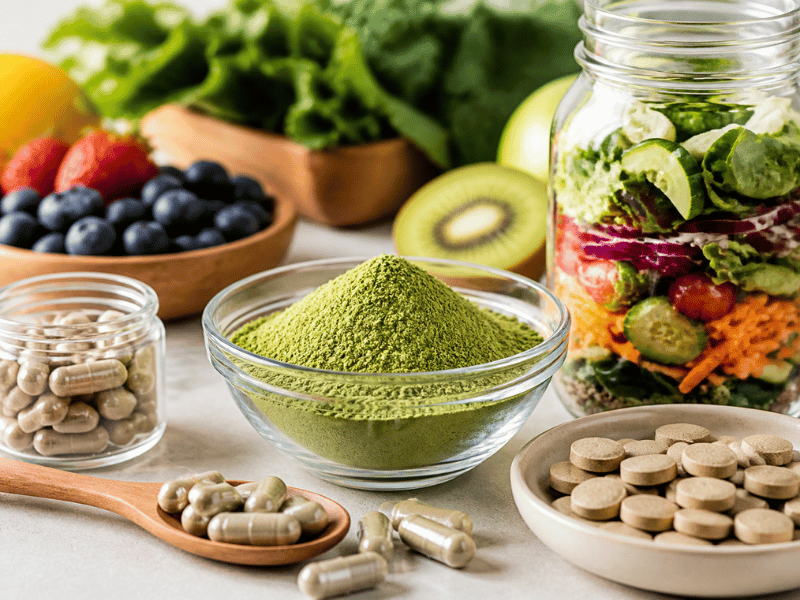
For a standard, solid matcha white chocolate bar, commercial recipes mandate a ratio of 3.0% to 5.0% matcha powder by total weight. For highly premium applications, such as the soft interior ganache of a French truffle, manufacturers often push the ratio up to 6.0% or 8.0%. This higher ratio is acceptable because the ganache is typically enrobed in a sweeter, neutralizing outer shell. Formulators must weigh these ingredients using precise digital grams, as volumetric measurements (like cups or spoons) lead to massive batch inconsistencies.
Key Takeaway: Maintain color and flavor balance by formulating standard chocolate bars with 3% to 5% matcha by weight, scaling up to 8% for intense truffle fillings.
Which Quality Specs Define the Best Bulk Matcha for Chocolate?
Which technical quality parameters matter most when sourcing bulk matcha for chocolate? For confectionery manufacturers, batch-to-batch consistency is the ultimate metric of operational success. Bulk procurement teams cannot afford variations in color grading, flavor intensity, or particle size. Therefore, establishing rigorous, verifiable quality control standards is non-negotiable.
Here is what your specification sheet needs:
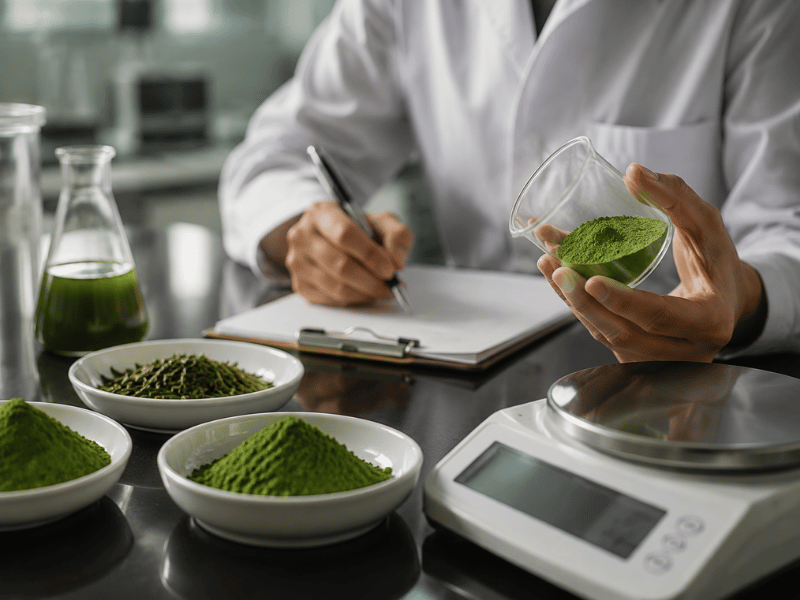
First, verify the exact micron size. Industrial matcha must register between 800 and 1000 mesh (roughly 10 to 15 microns). Coarse particle sizes will cause a gritty, unpleasant texture in smooth chocolate. Second, you must secure a Certificate of Analysis (COA) for every batch. This document verifies that the powder passes strict testing for heavy metals (lead, arsenic) and illegal pesticide residues, keeping your brand legally compliant.
Key Takeaway: Reliable bulk matcha for chocolate must meet strict technical standards, specifically achieving a 10-micron particle size and providing verifiable COA safety testing.
What Are the Most Profitable B2B Applications for Matcha Chocolate?
Where does high-quality matcha for chocolate generate the strongest retail revenue for food brands? Culinary matcha is exceptionally versatile. Global food manufacturers are aggressively integrating green tea powder into diverse, premium confectionery lines to capture the growing consumer demand for functional, aesthetically unique desserts.
Look at these high-growth sectors:
The premium confectionery sector deploys matcha for high-end chocolate truffles, enrobed almonds, and soft nama chocolate (Japanese-style ganache). Industrial bakeries also utilize matcha-infused white chocolate baking chips for mass-producing cookies and sweet breads, effectively merging the chocolate market with general matcha baking applications. Furthermore, the frozen dessert industry uses matcha chocolate to create hard-shell coatings for commercial ice cream bars.
Most Profitable Chocolate Categories
- Solid Bars and Bark: Formulated with freeze-dried raspberries or toasted sesame.
- Premium Ganache: Soft-center truffles and traditional nama chocolate.
- Industrial Inclusions: Bake-stable matcha chocolate chips and chunks.
Key Takeaway: Culinary matcha drives massive B2B revenue across diverse confectionery applications, specifically within premium ganache truffles, enrobed nuts, and industrial baking inclusions.
Can Brands Utilize Private Label Services for Custom Matcha Chocolates?
Is it financially viable to build a retail brand utilizing matcha private label services for chocolate production? Absolutely. The majority of specialty retail brands, boutique cafes, and lifestyle companies do not manufacture their own chocolate in-house. Instead, they leverage specialized OEM partners to formulate, temper, and package ready-to-sell products.
Why is this business model superior?
Utilizing a dedicated private label manufacturer allows businesses to launch custom matcha chocolate bars or seasonal truffle boxes without spending millions of dollars on industrial melangeurs and cooling tunnels. A robust OEM partner handles raw material sourcing, custom recipe blending, regulatory food safety compliance, and final foil wrapping. This turnkey operational approach drastically accelerates time-to-market.
Key Takeaway: Private label OEM manufacturing allows food brands to rapidly launch custom matcha chocolate products with zero heavy machinery investment or factory overhead.
What Are the True Cost Factors When Sourcing Wholesale Matcha for Chocolate?
How should financial controllers forecast the landed cost of bulk matcha for chocolate manufacturing? Understanding complex pricing dynamics is highly critical for protecting confectionery profit margins. The wholesale cost of culinary matcha fluctuates significantly based on harvest timing, milling methods, and agricultural certification status.
Here is the bottom line on bulk pricing:
Standard B2B pricing for commercial culinary matcha typically ranges from $15 to $35 per kilogram. This depends heavily on exact mesh specifications and aggregate order volumes. Top-tier suppliers offer aggressive price breaks at the 50kg, 100kg, and 500kg procurement thresholds. Additionally, certified organic matcha powder naturally commands a 20% to 30% price premium over conventional pesticide-free options.
Key Takeaway: Wholesale baking and chocolate matcha generally costs between $15 and $35 per kilogram, with final invoice pricing heavily dependent on order volume and organic certification.
How Should Food Manufacturers Store Matcha to Protect Chocolate Quality?
How can facility managers protect their massive inventory investment in matcha powder? Proper warehouse storage protocols are absolutely critical to preventing rapid ingredient spoilage. Green tea powder is notoriously sensitive to environmental degradation, which will ruin the color and flavor of your final chocolate product.
Follow these strict warehouse protocols:
Bulk matcha must always remain in hermetically sealed, nitrogen-flushed, opaque foil bags. This blocks destructive ultraviolet light and halts lipid oxidation. The optimal warehouse storage temperature sits tightly between 5°C and 15°C (41°F to 59°F). If storing the powder in commercial refrigeration units, operators must bring the matcha strictly to room temperature before opening the bag. Failing to do this causes immediate condensation, introducing moisture that will seize your next batch of chocolate.
Key Takeaway: Maximize the commercial shelf life of bulk matcha by storing it in nitrogen-flushed, opaque packaging within a strictly climate-controlled facility below 15°C.
How Do You Select a Reliable Wholesale Supplier for Matcha Chocolate Formulations?
What strict criteria must you evaluate when selecting a permanent supplier of matcha for chocolate? Your wholesale vendor is a direct structural extension of your manufacturing business. Partnering with an unreliable broker causes severe supply chain disruptions, inconsistent flavor matching, and failed health inspections.
Demand these operational standards:
A legitimate B2B supplier must provide absolute transparency regarding their farm sourcing regions and milling facilities. Always request certified proof of safety standards, demanding current heavy metal and pesticide testing data. Furthermore, audit their supply chain resilience. A tier-one OEM partner must possess stable bulk inventory capabilities, transparent communication regarding global shipping lead times, and the infrastructure to scale production seamlessly alongside your brand.
Key Takeaway: Secure your confectionery operations by partnering with a verified wholesale supplier that provides transparent sourcing, mandatory COA testing, and highly scalable bulk inventory.
FAQ
- Q: Why does my matcha seize the white chocolate during melting?
- Seizing occurs when moisture is introduced into liquid cocoa butter. This happens if your matcha powder has a moisture content above 4%, or if your manufacturing facility has high ambient humidity.
- Q: Can I use ceremonial grade matcha to make commercial chocolate?
- It is highly discouraged. Ceremonial matcha is very expensive, and its delicate flavor compounds are easily overpowered by the fats and sugars in white chocolate, resulting in a bland final product.
- Q: What is the optimal ratio of matcha to chocolate for a standard bar?
- For a balanced flavor and vibrant green color, commercial formulators typically use a ratio of 3.0% to 5.0% matcha powder by total product weight.
- Q: What mesh size is required for matcha used in chocolate manufacturing?
- To ensure seamless blending and prevent a gritty mouthfeel in the final confection, chocolatiers require an ultra-fine milling size of 80 to 120 mesh (approximately 10 to 15 microns).
- Q: How long does bulk matcha stay fresh in a commercial warehouse?
- When stored correctly in hermetically sealed, opaque packaging within a cool, climate-controlled environment (below 15°C), premium bulk matcha retains its peak quality for 12 to 18 months.
Conclusion
Sourcing the best matcha for chocolate manufacturing is a critical procurement decision that directly dictates the visual appeal, flavor balance, and profitability of your confectionery line. By selecting a premium culinary grade with a robust catechin profile and strictly controlling moisture content to prevent seizing, you guarantee a superior retail product. Stop risking your production runs on unverified tea suppliers. To secure reliable, commercial-grade ingredients for your next chocolate formulation, visit our contact page today to request a wholesale quote or discuss custom private label manufacturing.