AdoroHu Matcha’s 2025 factory expansion provides 3,000 tons of annual capacity to eliminate supply chain volatility for global beverage and food manufacturers.
In short:
AdoroHu Matcha has significantly increased its production footprint to address the growing global demand for high-quality tea powders. This expansion ensures that B2B buyers have a reliable partner capable of handling massive orders without compromising on quality or safety standards.
Key points:
- Annual capacity reached 3,000 tons in 2025.
- 350 hectares of standardized tea gardens ensure raw material security.
- Advanced Japanese sterilization and German metal detection systems integrated.
What is the current state of the global matcha supply chain?
The global matcha supply chain is currently facing increased pressure from rising demand in the beverage and health supplement sectors. Many importers struggle with inconsistent lead times and quality fluctuations from smaller producers. AdoroHu Matcha addresses these gaps by controlling the entire matcha wholesale process from cultivation to final grinding. Our vertical integration minimizes third-party risks.
Supply chain stability requires more than just high volume; it requires precision. Factors like climate change and labor shortages often disrupt traditional tea farming. By implementing standardized agricultural practices across our 5,250-acre base, we provide a buffer against market volatility. You can count on a steady flow of goods throughout the year.
Key Takeaway: A stable supply chain relies on a manufacturer’s ability to control raw materials and scale production rapidly.
How does our 3,000-ton capacity improve your production capacity?
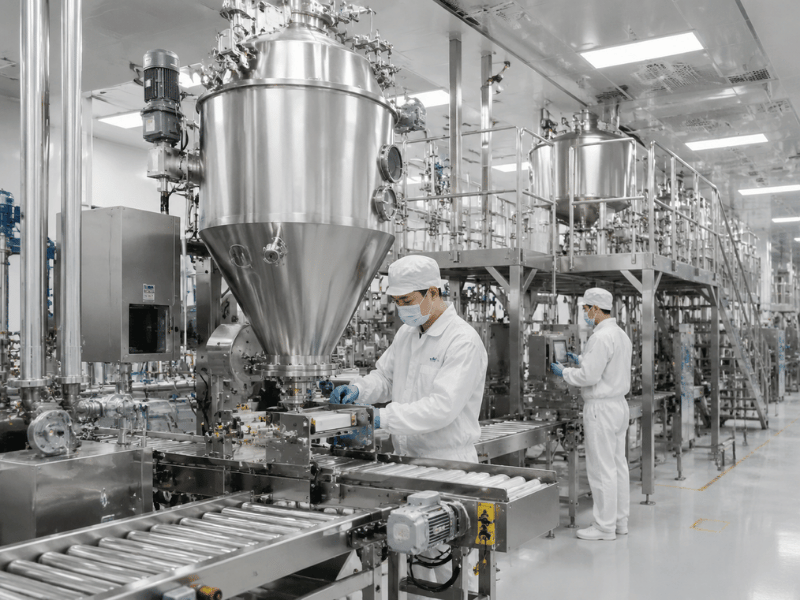
Our 3,000-ton annual capacity allows food manufacturers to plan large-scale product launches with total confidence. Previously, many brands were limited by the 3-ton daily output of smaller facilities. This expansion means we can now support multiple global matcha baking contracts simultaneously without delaying shipments. Massive throughput reduces the per-unit overhead costs for our partners.
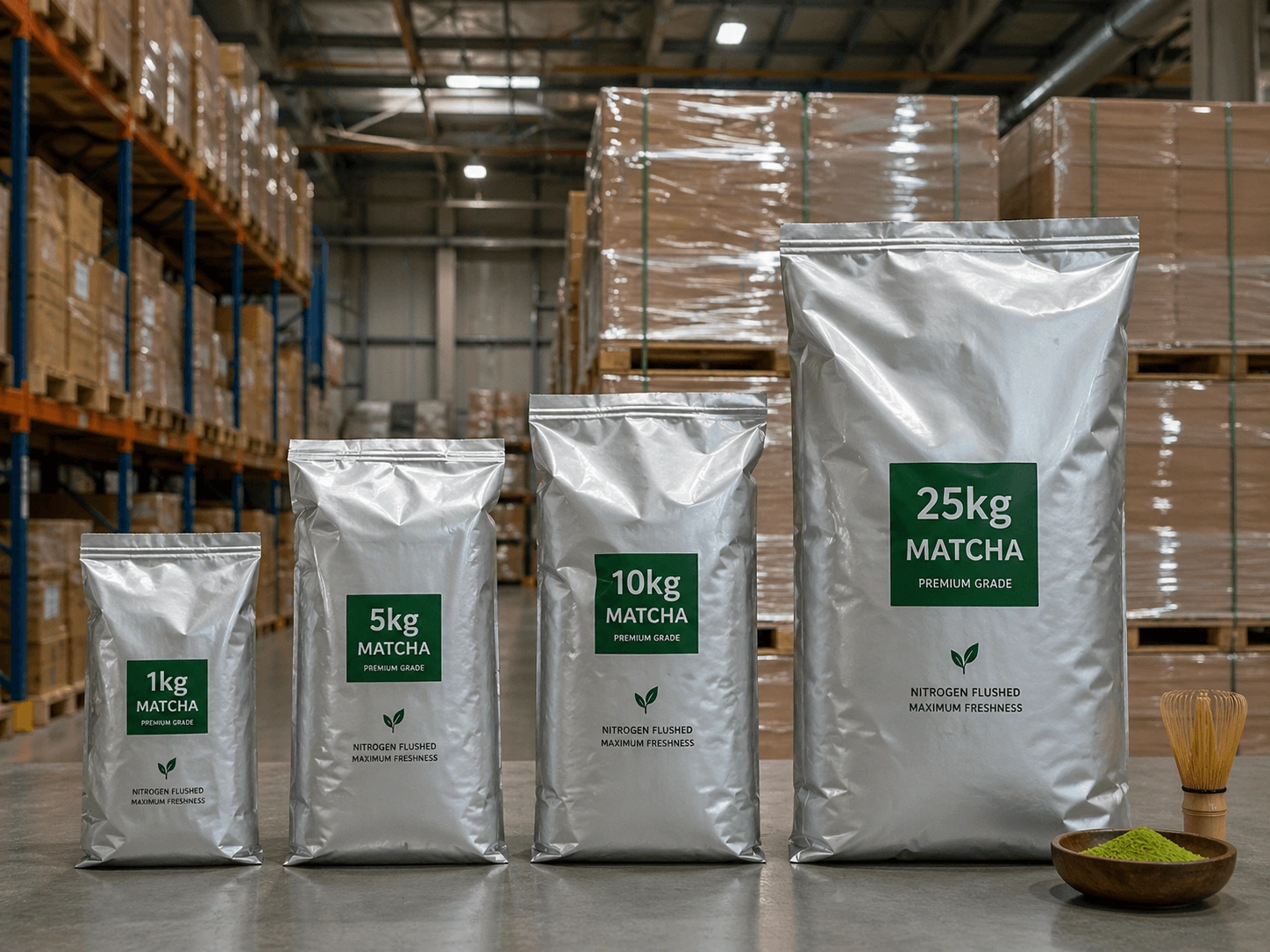
Strategic inventory management is a core benefit of this increased scale. We maintain significant stock levels in our 2,500-square-meter warehouse to fulfill urgent orders. This ensures that your production lines never go cold due to shipping delays. Our infrastructure is built to handle the rigorous demands of multi-national distributors.
Key Takeaway: Increased capacity translates to lower lead times and the ability to support large-scale industrial applications.
Why is raw material security critical for B2B matcha sourcing?
Raw material security ensures that the bulk matcha powder you receive today is identical to the batch you receive next year. AdoroHu Matcha manages 350 hectares of standardized tea gardens, including 150 hectares of certified organic land. We do not rely on open-market auctions where quality is unpredictable. Instead, we grow our own Tencha to guarantee chemical-free cultivation.
This self-sufficiency is a major “information gain” for our clients. While many competitors buy from various smallholders, our unified management ensures consistent L-theanine and chlorophyll levels. We monitor soil health and shading duration for every plot. This level of detail is necessary for high-end beverage brands.
Key Takeaway: Owning the tea gardens is the only way to ensure 100% traceability and long-term quality consistency.
What quality standards guide our 2025 factory expansion?
Our expansion was built around the highest international food safety standards, including ISO 22000 and FDA registration. We integrated a Japanese-imported green tea sterilization line to achieve low microbial counts without damaging the delicate flavor. This is a critical step for B2B matcha used in dairy and ready-to-drink products. Safety is our primary manufacturing pillar.
We also utilize two German-imported metal detectors to ensure zero physical contamination. Our 23,000-square-meter purification workshop operates under strict environmental controls. These investments demonstrate our commitment to E-E-A-T principles. Every batch is tested in our in-house lab before third-party verification.
Key Takeaway: Scaling capacity must be accompanied by scaling quality control technology to protect global brands.
Which matcha grades are available through our bulk supply?
We offer a comprehensive range of grades to suit every commercial need, from wholesale ceremonial matcha to industrial culinary powders. Our 2025 facility features 56 ball mill units and 20 traditional stone mills. This dual-processing capability allows us to produce different particle sizes (mesh) based on your specific application. Choice is a key part of our service.
| Matcha Grade | Best Use Case | Processing Method |
| Ceremonial | Traditional Tea, Premium Drinks | Stone-milled, 800+ mesh |
| Premium | Lattes, Professional Baking | Ball-milled, 600-800 mesh |
| Culinary | Large-scale Food Mfg | High-speed milling, 400-600 mesh |
Key Takeaway: Different applications require different grinding technologies to achieve the perfect balance of color and cost.
How does the 2025 expansion support matcha private label brands?
The 2025 expansion includes dedicated lines for matcha private label services, allowing for faster turnaround times on custom packaging. We provide a “one-stop” solution from formulation to final retail-ready tins or bags. Our high capacity means we can offer competitive MOQs for startups while easily scaling with them as they grow. Your growth is our priority.
Our custom formula development team works directly with your R&D department. We can adjust the flavor profile, color intensity, and price point to match your market. Having a massive factory behind your brand provides the reliability investors look for. We are a silent partner in your success.
Key Takeaway: Large-scale manufacturing infrastructure makes private labeling more efficient and cost-effective.
What role does technology play in stabilizing matcha pricing?
Economies of scale are the most effective way to stabilize wholesale matcha pricing in a fluctuating market. By processing 3,000 tons annually, we reduce the energy and labor cost per kilogram. Our automated packing and sorting machines further increase efficiency. These savings are passed directly to our long-term B2B partners.
Automation also reduces the risk of human error, which can lead to costly batch rejections. We use advanced color sorters and moisture analyzers to maintain strict tolerances. Stable production costs allow us to offer fixed-price contracts for 12-month periods. This helps you manage your company’s budget more effectively.
Key Takeaway: High-volume automation is the best defense against inflation and rising raw material costs.
How do we manage import and logistics for bulk supply?
AdoroHu Matcha has a dedicated logistics team experienced in shipping to Europe, the US, and Southeast Asia. Our expanded warehouse allows us to consolidate shipments and reduce freight costs for our clients. We understand the documentation required for USDA organic matcha imports. We make the international sourcing process seamless.
Lead times are significantly reduced because we maintain “safety stock” of our most popular grades. Most bulk orders can be dispatched within 7 to 14 business days. We provide full transparency with COAs (Certificate of Analysis) provided for every shipment. Our goal is to make importing as easy as local sourcing.
Key Takeaway: Efficient logistics and documented compliance are essential for a reliable international supply chain.
What are the industry trends for matcha production in 2026?
In 2026, the industry is shifting toward “information gain” and total transparency in the supply chain. Buyers no longer want generic powder; they want to know the specific farm and harvest date. AdoroHu Matcha is leading this trend by digitizing our garden management data. This allows us to provide detailed traceability for our certified organic products.
Another trend is the rise of instant tea blends for the convenience sector. Our 2025 expansion included new lines for customized tea powders. We are seeing high demand for hojicha and other roasted tea varieties. Staying ahead of these trends helps our clients capture new market segments.
Key Takeaway: Transparency and product diversification are the two biggest drivers of the 2026 tea market.
How can you request a quote for bulk supply?
Getting a quote for your bulk matcha requirements is a straightforward professional process. You simply need to provide your desired grade, annual volume, and packaging specifications. Our sales engineers will provide a detailed proposal within 24 hours. We offer tiered pricing based on your commitment levels.
We also encourage prospective partners to request a sample kit. This allows your team to perform sensory evaluations and lab tests before committing to a large order. Our 3,000-ton capacity ensures that the sample you approve is exactly what you will receive in bulk. We believe in building trust through physical evidence.
Key Takeaway: Professional sourcing starts with clear communication and a thorough sampling process.
FAQ
- Q: What is your minimum order quantity (MOQ) for bulk matcha?
- Our standard MOQ for wholesale orders is 50kg, though we can offer smaller quantities for trial orders. For private label clients, MOQs vary based on the complexity of the packaging and formulation requirements.
- Q: How do you ensure the color of the matcha remains stable?
- We use Japanese-imported steam sterilization technology which effectively kills enzymes without oxidizing the leaf. This preserves the bright green color of our culinary and premium grades for a longer shelf life.
- Q: Can you provide Eurofins or SGS lab reports?
- Yes, we provide comprehensive third-party lab reports for every batch, covering pesticide residues, heavy metals, and microbial counts. We adhere to the strict standards required for EU and USDA organic markets.
- Q: What is the lead time for an order of 1,000kg?
- For standard grades, the typical lead time is 10 to 14 business days from our factory in China. Custom blends or specific packaging may require an additional 7 days for production and QA testing.
- Q: Do you offer custom formula development for beverage brands?
- Absolutely. We have a dedicated R&D team that specializes in creating custom instant tea blends and specific matcha profiles for lattes and bubble tea. We can adjust the flavor and intensity to suit your target market.
Conclusion
AdoroHu Matcha’s 2025 factory expansion is a strategic response to the needs of the modern B2B buyer. By scaling to a 3,000-ton annual capacity, we have created a supply chain that is resilient, transparent, and cost-effective. Whether you are launching a new beverage brand or optimizing a global bakery supply, our infrastructure is designed to support your growth. Contact us today to request a professional sample kit or get a wholesale quote for your 2026 production needs.