Why is supply chain inconsistency the biggest risk for B2B matcha buyers?
The global matcha market is expanding rapidly, but corporate buyers face profit-eroding quality volatility. Traditional sourcing relies on fragmented smallholder farms with unstandardized agricultural methods. When brokers pool these crops, massive variations in sensory properties occur.
For corporate buyers, this instability introduces significant commercial risks. An off-spec batch of green tea powder can ruin entire production runs. It alters the flavor profiles of your signature consumer products. It also triggers expensive custom rejections due to chemical contamination.
To protect your margins, your procurement team needs a vertically integrated supplier . Direct agricultural control is the only way to stabilize raw materials. This operational setup ensures that physical samples perfectly match bulk shipments.
How does AdoroHu manage its 350-hectare tea garden to guarantee raw material standardization?
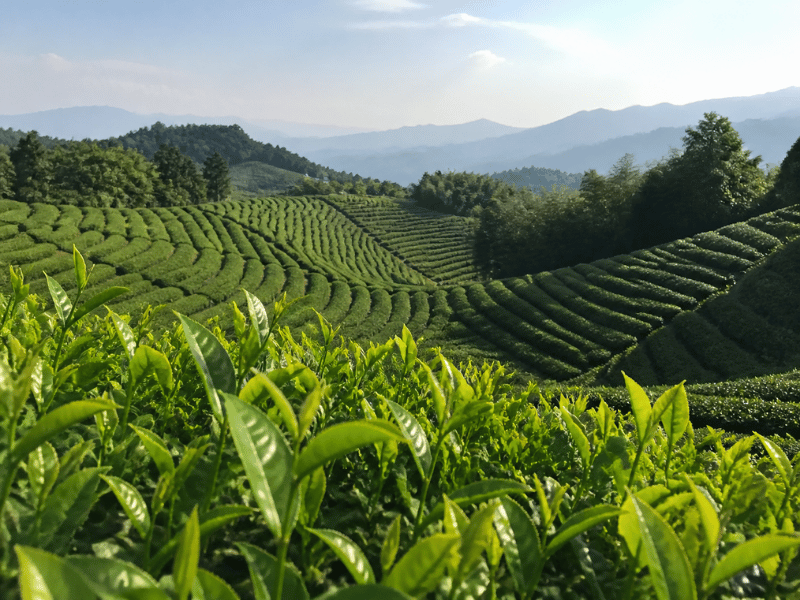
Standardization at AdoroHu begins deep within the soil of our estates. We own and operate 350 hectares of standardized plantations in Zhejiang, China. This direct ownership model bypasses transactional brokers completely. We control every variable influencing the final quality of the raw tea leaf.
To support clean-label agricultural programs, 150 hectares of our estate are certified organic . This acreage complies fully with international import standards. Each growing plot features georeferenced digital logging. This tracking records soil pH, organic inputs, and precise plucking dates.
We also establish strict physical buffer zones around our organic sectors. This boundary isolation prevents chemical drift from neighboring conventional fields. Such rigorous agricultural discipline ensures complete compliance with global importation rules.
What are AdoroHu’s wholesale MOQ policies and logistics lead times for global partners?
Efficient B2B operations require structured logistics and clear, low-risk procurement thresholds. AdoroHu accommodates both scaling enterprises and high-volume industrial brands. Our commercial matcha wholesale program features an accessible Minimum Order Quantity of exactly 100 kg. This strategic threshold allows research and development teams to perform pilot runs.
We minimize inventory holding costs through exceptionally fast turnaround times. Our Zhejiang processing facility operates with stable lead times of 7 to 15 days. This rapid processing keeps your manufacturing schedules running without delays. It ensures that fresh raw materials arrive exactly when required.
Global market entry demands absolute compliance with international food regulations. Our facility maintains a comprehensive, world-class suite of quality certifications. These credentials include USDA Organic, EU Organic, JAS, ISO 22000, HACCP, Halal, and Kosher. This robust framework guarantees painless customs clearance in every major economic region.
What makes the transition from shade-grown tencha to ultra-fine powder so critical?
Authentic matcha is not a basic pulverized green tea leaf. It requires a precise, highly complex physical and botanical transformation. The process begins with carefully nurtured, shade-grown leaves. This specific agricultural step blocks sunlight to alter the chemical composition of the plant.
Shading preserves high levels of L-theanine within the botanical structure. This amino acid is responsible for the rich, smooth umami flavor profile. After harvesting, leaves must undergo immediate high-temperature steaming. This halts natural enzyme oxidation and locks in the vivid emerald green color.
Next, automated air separators remove fibrous stems and veins from the leaves. This processing leaves behind pure, tender leaf tissue known as tencha. This stem-free raw material is essential for achieving a perfect texture. We then mill this tencha slowly into an ultra-fine, soluble powder.
How does our double-layer shading system optimize active compounds in the leaf?
Standard single-layer shading often allows excess light leakages during hot seasons. This solar exposure converts delicate amino acids into bitter catechins. To prevent this chemical degradation, AdoroHu utilizes a specialized double-layer shading system. This infrastructure maintains perfect growing conditions for the developing tea leaves.
Our plantation deploys double-layer high-density polyethylene netting with a 95% light-blocking rate. We suspend this advanced canopy system exactly 25 days before harvest. The intense shade triggers a powerful metabolic reaction inside the plant. It forces the tea bushes to maximize their intracellular chlorophyll production.
This botanical response gives our raw leaves their distinctive, brilliant green hue. It simultaneously prevents the natural conversion of sweet L-theanine into bitter tannins. The resulting ceremonial grade raw material delivers an incredibly smooth mouthfeel. This meticulous agricultural investment separates premium harvests from basic commercial green teas.

How does our multi-stage thermal drying process preserve delicate chemical markers?
Dehydration is a critical step in stabilizing raw tea leaves. Incorrect temperatures can easily scorch the delicate botanical tissue. This mistake leads to unappealing browning and a bitter, burnt taste. It also rapidly degrades key active compounds and organic nutrients.
To avoid this issue, we employ multi-stage thermal drying chambers. Wet, freshly steamed leaves undergo flash dehydration at 200°C to 220°C. This extreme heat quickly evaporates surface moisture without overheating the leaf. The material then moves into secondary drying zones maintained at lower temperatures.
In these middle chambers, we extract internal cellular moisture at 170°C. Finally, the leaves stabilize in a gentle 150°C finishing zone. This precise temperature profile preserves both chlorophyll and L-theanine structures. The resulting raw tencha remains highly shelf-stable and vibrant.
What analytical parameters define the difference between ceremonial, premium, and culinary grades?
In professional sourcing , subjective grade descriptions are inadequate. Corporate procurement teams require measurable chemical and physical parameters to evaluate value. We convert marketing terms into hard, verifiable data points. This technical transparency allows you to optimize raw material budgets.
The table below highlights the physical and chemical metrics of our core product grades:
| Analytical Parameter | ceremonial grade | Wholesale Premium Grade | bulk matcha | |
|---|---|---|---|---|
| Primary Application | Whisked beverage, premium retail | matcha latte , luxury café | Industrial , mass confectionery | |
| L* Value (CIE L*a*b*) | ≥ 42 (Vivid Emerald) | 40 to 42 (Bright Green) | 36 to 39 (Deep Olive) | |
| D90 Particle Size | ≤ 6 µm (Ultra-Fine) | ≤ 10 µm (Fine) | 12 to 18 µm (Medium Fine) | |
| Moisture Content | ≤ 4.5% (Karl Fischer) | ≤ 5.0% | ≤ 5.5% | |
| L-theanine Content | ≥ 20 mg/g | 12 to 19 mg/g | 5 to 11 mg/g | |
| EGCG Content | ≥ 40 mg/g | ≥ 35 mg/g | ≥ 30 mg/g | |
| Milling Technology | Low-RPM Stone-Milling | Precision Jet-Milling | Controlled Micro-Grinding |
Using these analytical standards protects you from paying premium prices for low-grade materials. Each tier serves a specific purpose in your manufacturing pipeline. This structured classification simplifies international quality audits and inventory planning.
How does our 483-point pesticide screening protocol guarantee export compliance?
Pesticide contamination is a major point of failure for international imports. Many brokers fail to monitor chemical usage on distant farms. This lack of control leads to expensive customs border rejections. AdoroHu eliminates this risk through complete agricultural integration.
We apply a strict, multi-stage quality control system. Every single harvest batch undergoes our precise 483-point pesticide screening protocol. We partner with independent laboratories like SGS and Eurofins for this verification. This testing utilizes advanced LC-MS/MS analytical systems.
Our comprehensive screen covers all major global agrochemical limits. This process ensures absolute compliance with strict EU and US regulations. We provide batch-specific Certificates of Analysis with every shipment. Your regulatory team can import our organic matcha with complete confidence.

How do specialized processing variations adapt matcha for latte and baking applications?
Using a generic green tea powder across all product lines is a costly error. Different culinary applications require unique chemical behaviors from the powder. For example, standard dairy and plant-based milks easily mask delicate tea flavors. This masking results in a bland beverage experience.
To resolve this, our matcha latte grade features higher natural tannins. This adjusted balance ensures a bold tea flavor cuts through fats. It maintains a strong, vibrant green appearance in finished drinks. This grade is perfect for commercial café formulations.
Similarly, high baking temperatures will cause standard matcha to turn brown. Our matcha for baking undergoes specialized heat stabilization during tencha production. This processing protects chlorophyll molecules from thermal degradation during baking. For alternative flavor profiles, we also manufacture premium roasted hojicha powders.
How can procurement managers secure a reliable B2B matcha supply chain today?
Securing your supply chain requires moving away from unreliable brokers. A direct partnership with a vertically integrated manufacturer provides price stability. It guarantees consistent physical and chemical parameters across every single container-load shipment. This security helps protect your brand equity.
We offer fully customized OEM and matcha private label solutions. Our design team assists with custom packaging and regulatory labeling compliance. This streamlined service accelerates your retail launch timeline significantly. It lets your team focus entirely on marketing and sales.
Are you ready to elevate your product line with standardized raw materials? We invite your quality assurance team to evaluate our parameters first-hand. Please contact AdoroHu Matcha to discuss your technical specifications. You can request a tailored wholesale quote and custom sample kit today.