Many food brands struggle with inconsistent quality in their green tea product lines. Poorly sourced ingredients often result in bitter flavors and dull, brown colors. These visual and taste defects can damage your brand reputation quickly.
If your snacks fail to meet consumer expectations, you lose valuable shelf space. Revenue drops as customers switch to competitors with more vibrant, premium offerings. Market leaders cannot afford to use low-quality industrial powders that turn off health-conscious buyers.
AdoroHu Matcha provides the ultimate solution for professional food manufacturers. Our stone-ground powders maintain high levels of L-theanine and Catechins. We help you create market-winning products using our premium-matcha .
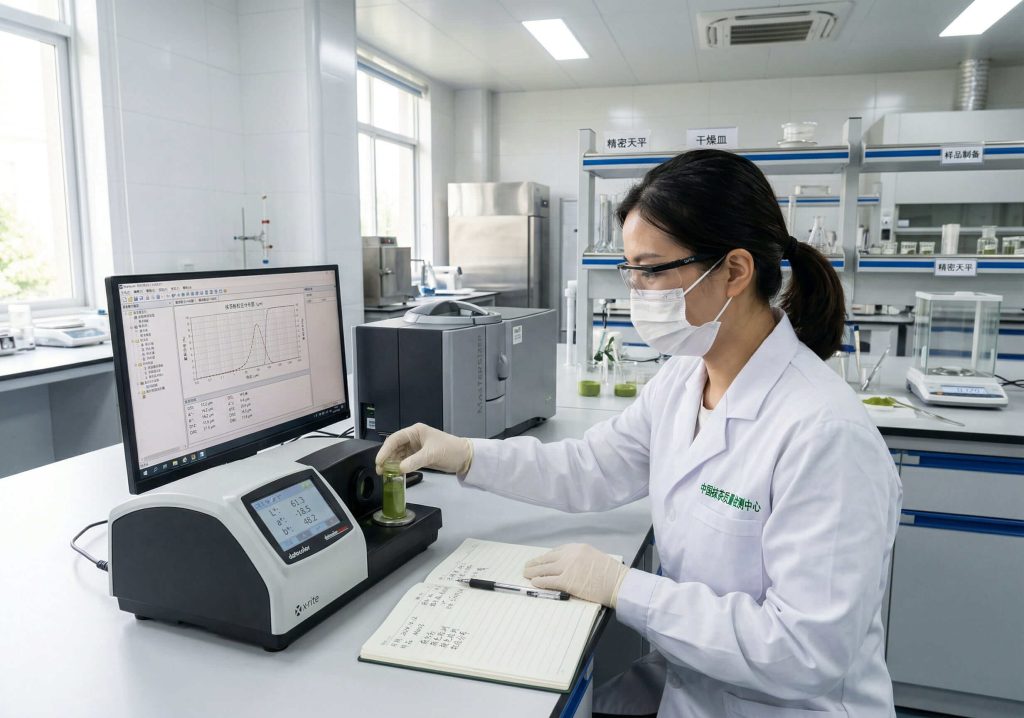
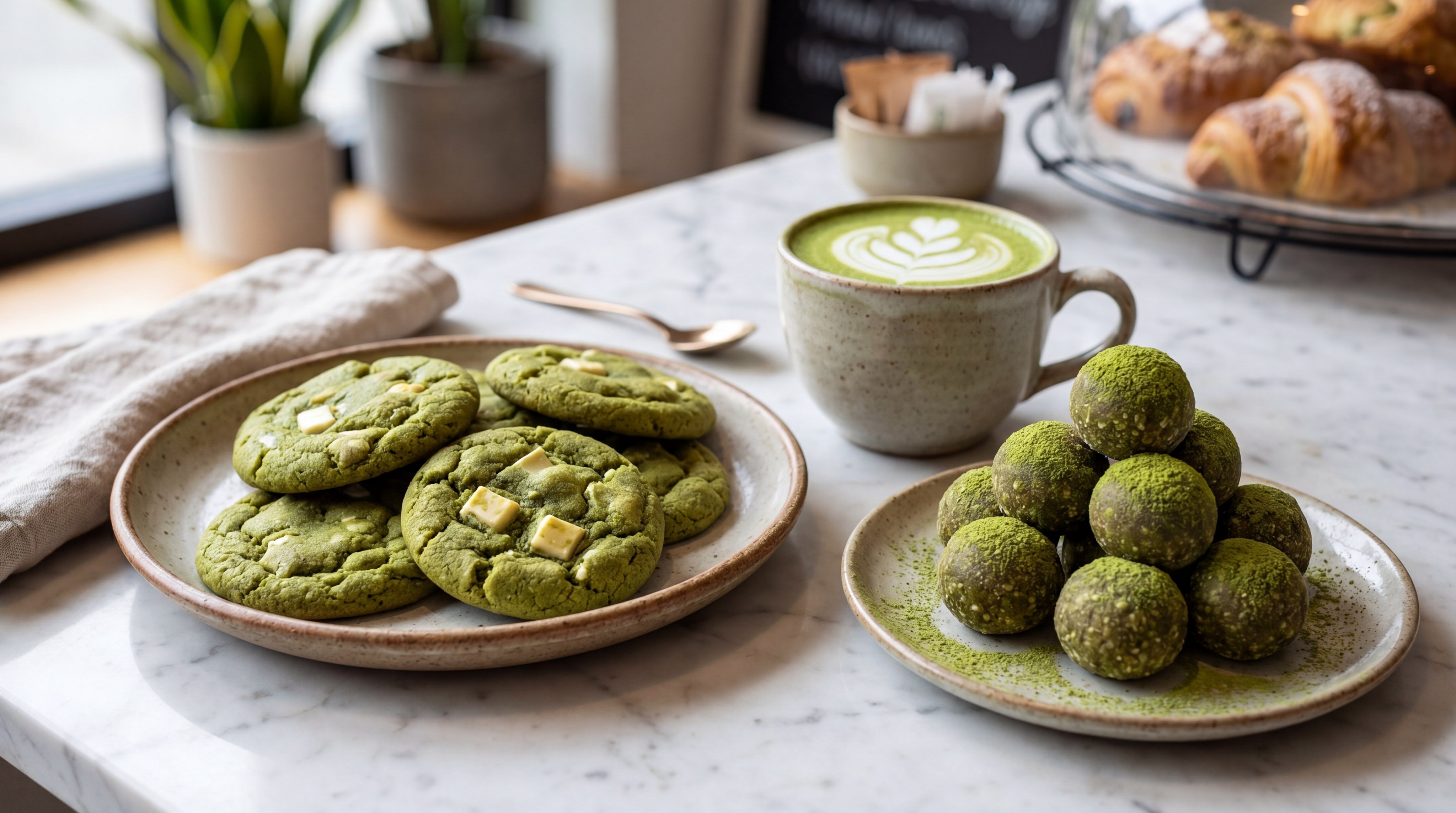
Top matcha snack ideas for brands include matcha energy balls, protein bars, and confectionery barks using high-stability culinary grades. Successful brands prioritize stone-ground powder with consistent particle sizes (5-15 μm) for better texture and vibrant green hues that attract modern consumers.
In short:
- Profitable snack ideas include protein bites and premium confectionery.
- Grade selection determines the final color and bitterness level.
- Direct sourcing from manufacturers reduces costs by 25-40%.
- USDA Organic and JAS certifications are essential for trust.
- Private label R&D simplifies the move from concept to shelf.
What are the most profitable matcha snack ideas for brands today?
The health-conscious segment is driving massive growth in the functional snack market. Brands are finding success with matcha-infused energy balls and protein-dense bars. These products leverage the “clean energy” narrative associated with L-theanine.
Confectionery brands are also expanding into matcha-flavored white chocolate and premium wafers. These items appeal to the “premiumization” trend in the snack industry. The unique umami profile complements sweet bases perfectly.
| Snack Category | Target Consumer | Primary Benefit | |
|---|---|---|---|
| Energy Bites | Fitness Enthusiasts | Sustained Focus | |
| Protein Bars | Busy Professionals | Meal Replacement | |
| Chocolate Bark | Gourmet Foodies | Premium Flavor | |
| Mochi Snacks | Gen Z / Millennial | Unique Texture |
How does matcha grade selection impact snack texture and flavor?
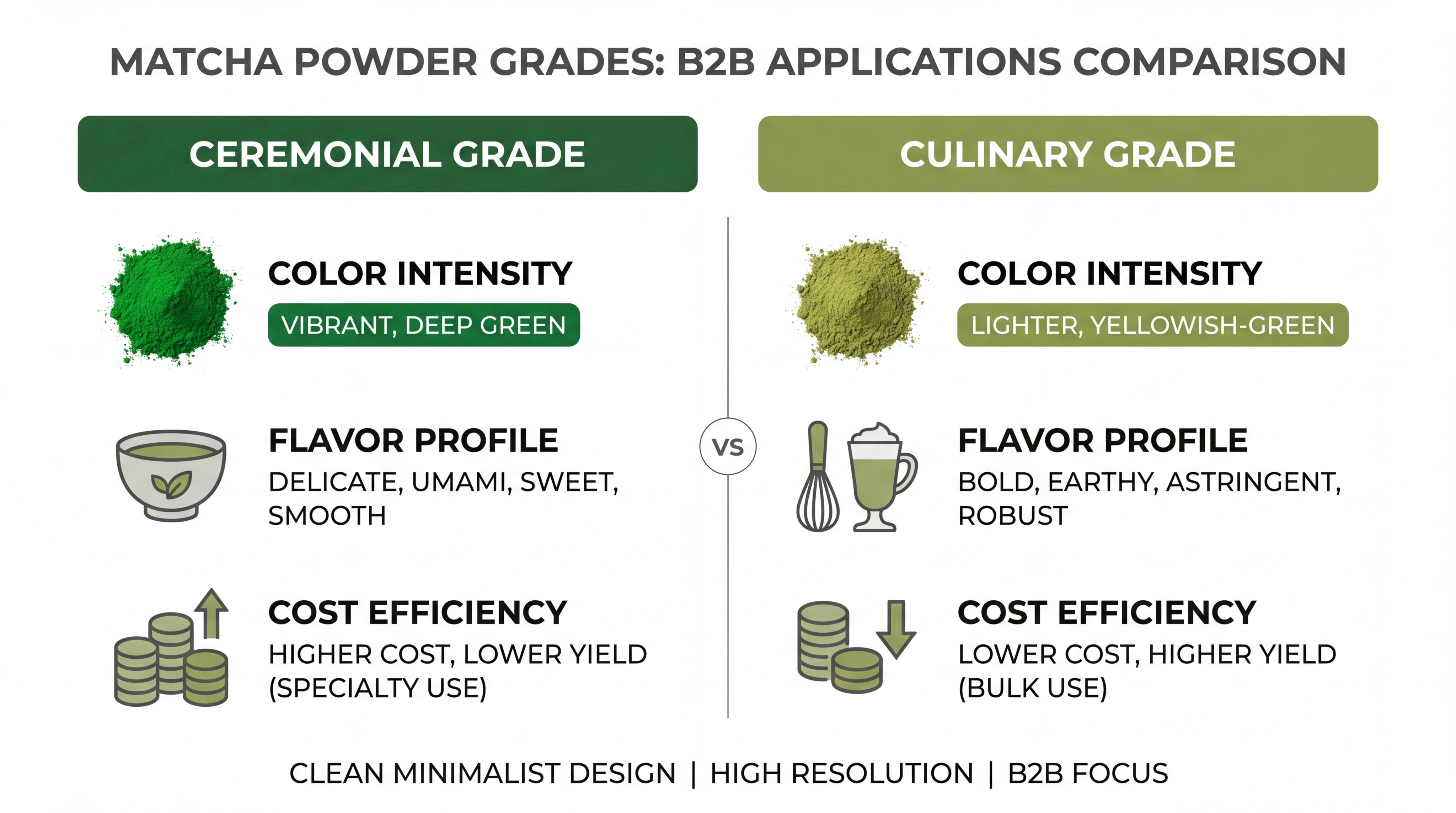
Grade selection is the most critical decision for food formulation. Ceremonial grades offer a delicate sweetness and a vibrant emerald green color. However, they may lose their subtle notes when exposed to high heat.
Culinary grades are better for baking and heavy processing. They provide a bolder, more astringent flavor that shines through fats and flours. Choosing the wrong particle size can lead to a gritty mouthfeel in snacks.
Why is choosing the right wholesale matcha supplier critical for product consistency?
Consistency is the foundation of any successful B2B food brand. Seasonal variations in tea harvests can change your product’s flavor profile. A reliable supplier ensures every batch meets strict color and taste specifications.
We source directly from Uji and Kagoshima to maintain quality. Our manufacturing partners use traditional shade-growing techniques to boost chlorophyll levels. This prevents the “swampy” yellow tint often found in cheap imports.
What are the cost-saving benefits of sourcing bulk matcha directly from manufacturers?
Direct sourcing eliminates the expensive markups charged by third-party distributors. Brands can save up to 40% by working directly with Japanese exporters. AdoroHu offers transparent pricing to help you manage your production margins.
We provide flexible options for growing brands. Our low MOQ starts at just 10kg for standard formulations. We also offer tiered pricing for large-scale industrial manufacturing.
| Order Volume | Price Incentive | Best For | |
|---|---|---|---|
| 10kg – 50kg | Base Wholesale | Emerging Brands | |
| 50kg – 200kg | 15% Discount | Established Lines | |
| 500kg+ | Custom Contract | Industrial Scale |
Which international quality standards should brands look for in a matcha supplier?
Global brands must adhere to rigorous safety and quality protocols. Look for suppliers with ISO 22000 and HACCP certifications. These standards ensure that the production facility maintains high hygiene levels.
For specific markets, Halal and Kosher certifications are vital. These labels expand your reach into diverse consumer demographics. Always request a Certificate of Analysis (COA) for every shipment.
How do private label partners simplify the creation of custom matcha snack formulas?
Navigating the R&D process can be slow and expensive. A private-label partner provides the expertise needed to scale quickly. AdoroHu uses a specific 3-step R&D process to ensure success.
- Formulation Discovery: We define your flavor, color, and nutritional goals.
- Prototyping: We create small batches for stability and taste testing.
- Industrial Scaling: We move the final recipe to full-scale production.
What are the best-selling B2B applications for culinary matcha in the confectionery sector?
The confectionery sector relies on matcha to provide natural coloring. Culinary-grade powder is perfect for chocolate fillings and decorative glazes. Its robust flavor balances the sweetness of sugar and cocoa butter.
Wafers and biscuits are also top-performing applications for bulk buyers. These products require heat-stable powders that maintain color during baking. Our specialized milling process ensures the powder blends seamlessly into fats.
How can food manufacturers ensure their matcha snacks meet organic certification requirements?
To label a product as organic, every ingredient must be traceable. We provide USDA Organic and JAS certified powders for clean-label brands. This ensures no synthetic pesticides or fertilizers were used during cultivation.
Maintaining organic integrity requires strict separation during processing. Our facilities are audited to prevent cross-contamination with non-organic products. This level of transparency builds deep trust with your end consumers.
What are the logistical challenges of importing bulk matcha powder for snack production?
Importing bulk powder involves managing lead times and shipping costs. Air freight is faster but significantly more expensive than sea freight. Many brands prefer a hybrid approach to balance speed and budget.
Proper packaging is also a major logistical concern. We use nitrogen-flushed, multi-layer foil bags to prevent oxidation during transit. This preserves the delicate Catechins and ensures a two-year shelf life.
How do emerging consumer trends shape the future of the matcha snack market?
The “clean label” movement is pushing brands toward natural ingredients. Matcha serves as both a functional additive and a natural colorant. Consumers are increasingly looking for snacks that offer mental clarity.
Functional “brain-boosting” snacks are the next big frontier. Combining matcha with adaptogens or probiotics is a growing trend. Brands that innovate early will capture the largest market share.
Frequently Asked Questions
- What is the typical shelf life for bulk matcha powder?
- Most premium powders last 24 months if stored correctly.
- Always keep the powder in a cool, dark, and airtight environment.
- Can I use ceremonial grade for high-heat baking?
- It is possible, but not cost-effective for most brands.
- Culinary grades provide a more robust flavor that survives baking.
- Does AdoroHu offer custom blending services?
- Yes, we can create proprietary blends based on your needs.
- We adjust color and bitterness levels for specific applications.
- What are the MOQs for private label packaging?
- Our private label orders typically start at 200 units.
- Bulk powder orders can start as low as 10kg.
- Are your products tested for heavy metals?
- Yes, every batch undergoes strict third-party lab testing.
- We provide COAs to confirm purity and safety standards.
Developing a premium matcha snack line requires the right partner. Our team offers the sourcing expertise and R&D support your brand needs. Contact AdoroHu Matcha today to start your next formulation project.