Why Is Sourcing the Best Ceremonial Matcha Critical for Modern Cafes?
Sourcing the best ceremonial matcha is highly critical for modern cafes because consumer expectations for premium, low-bitterness green tea beverages have skyrocketed. Today’s specialty beverage market is highly competitive, and discerning consumers can easily identify low-quality powders. If your business serves a chalky or overly bitter product, customer retention will drop.
Think about it.
Traditional culinary grades struggle to deliver the vibrant green aesthetic and smooth mouthfeel required for high-end specialty drinks. By procuring true ceremonial leaf powder, your establishment guarantees a vibrant, sweet, and umami-rich drink profile. This premium sensory experience allows commercial cafes to justify premium menu prices.
Key Takeaway: Serving the best ceremonial matcha ensures your menu stands out, directly boosting client loyalty and daily average order values.
What Specifications Define the Best Ceremonial Matcha Grade?
The best ceremonial matcha grade is defined by rigorous agricultural standards including first-flush hand-picking, intensive multi-week shading, and precise stone-grinding. Understanding these technical baselines is vital for commercial buyers who need to guarantee product consistency. Let’s look closer at the specific harvesting steps.
Here is the truth:
The Shading Process
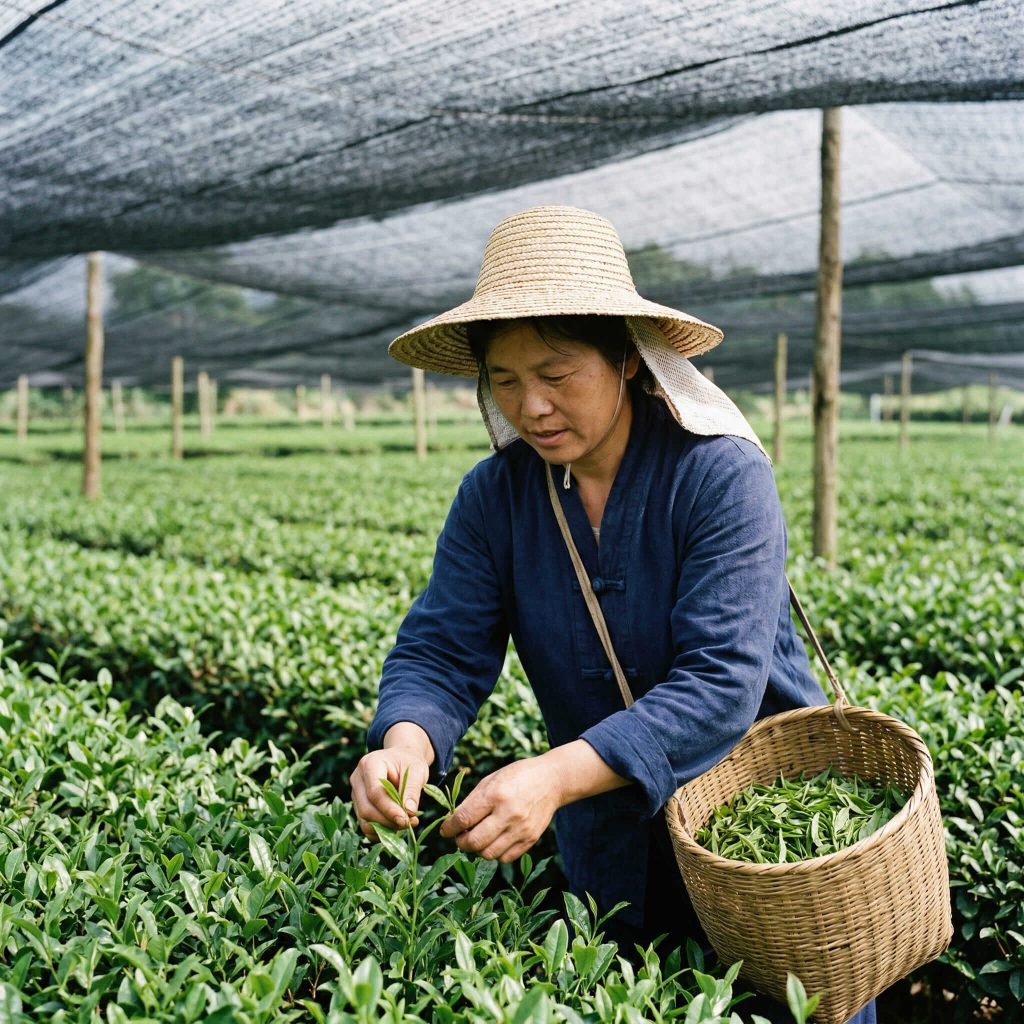
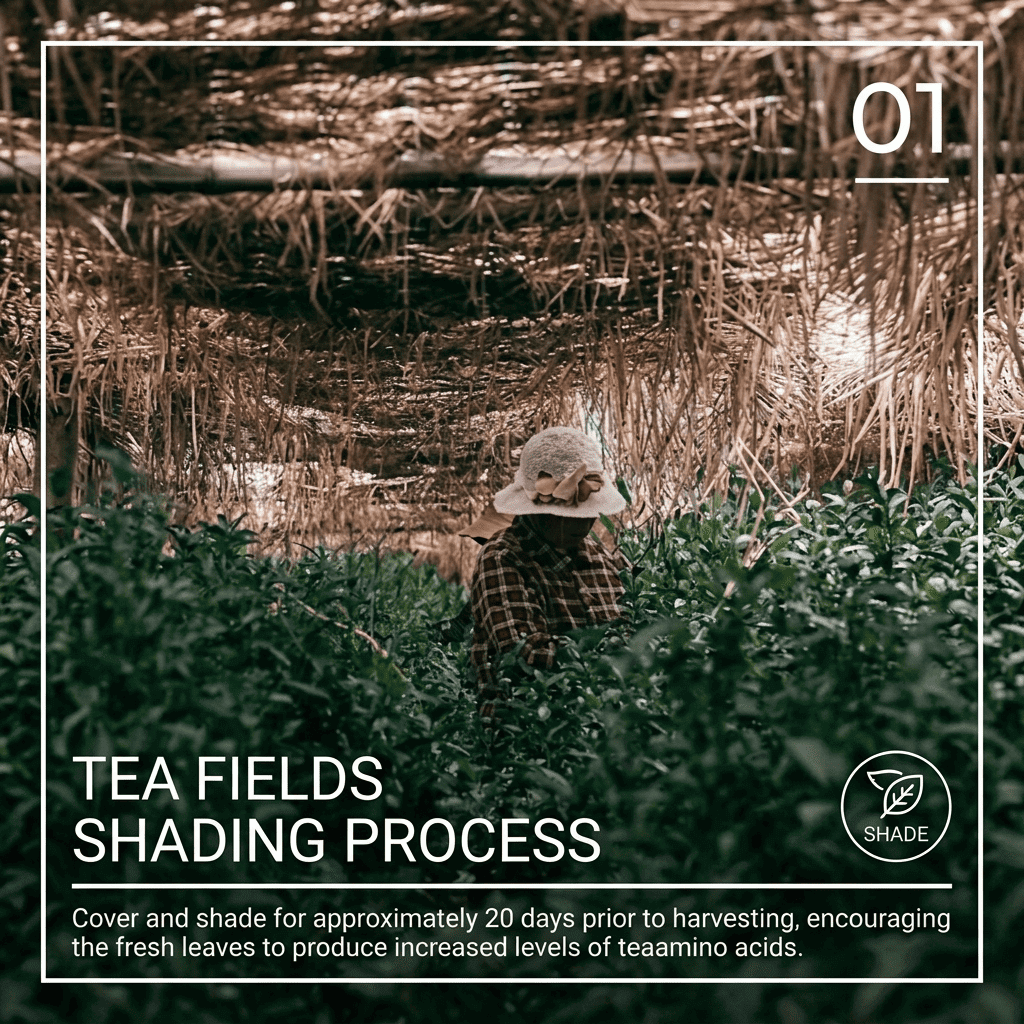
Agricultural masters shade the tea plants for 20 to 30 days prior to harvest using specialized black netting. This blocks up to 90% of natural sunlight, forcing the plants to produce massive quantities of chlorophyll and L-theanine. High L-theanine levels are responsible for the rich, non-bitter umami taste.
Harvesting Timeline
True ceremonial grade is harvested exclusively during the first flush of spring, typically in late April or May. Workers selectively hand-pick only the youngest, most delicate top leaves of the Camellia sinensis plant. Late-harvest leaves are reserved for culinary applications due to their high tannin content.
Stone Grinding Metrics
Once the leaves are de-stemmed and dried into tencha, they undergo stone-grinding on traditional granite mills. These mills spin slowly at roughly 30 RPM to prevent heat friction, which would otherwise oxidize the tea. This slow-milling process creates an ultra-fine powder with a particle size of 1 to 5 microns.
Key Takeaway: The finest ceremonial grade relies on a precise combination of extensive shading, first-flush spring picking, and slow stone-grinding.
How Do Regional Terroirs Impact the Best Ceremonial Matcha Profiles?
Regional terroirs dictate the flavor, color, and mineral profiles of the best ceremonial matcha profiles found across Japan’s elite growing regions. The geographical environment shapes how tea plants develop their signature characteristics.
Let’s dive right in.
The table below breaks down the primary Japanese regions recognized for cultivating premium tencha leaves.
| Region | Key Soil Type | Climate Characteristics | Dominant Cultivars | Flavor Note Profile | |
|---|---|---|---|---|---|
| Uji (Kyoto) | Clay-rich loam, high organic matter | Mist-covered river valleys, dramatic day-night temp swings | Yabukita, Okumidori, Samidori | Deep, sweet, complex umami with zero bitterness | |
| Kagoshima | Volcanic ash (Shirasu soil) | Warm, sunny southern climate with high rainfall | Yabukita, Asatsuyu, Saemidori | Bold, grassy, mineral-rich, and highly vibrant green | |
| Shizuoka | Heavy clay, well-draining | Moderate temperatures, high annual sunshine hours | Yabukita | Robust, slightly nutty, with a balanced dry finish |
Key Takeaway: Choosing a specific regional origin helps commercial beverage directors tailor their menu toward sweeter Kyoto profiles or bolder volcanic profiles from Kagoshima.
What Are the Best Ceremonial Matcha Brands and Competitor Alternatives?
Evaluating the best ceremonial matcha brands helps wholesale buyers compare retail competitors like Ippodo and Jade Leaf with specialized bulk programs. The commercial landscape features a mix of boutique consumer brands and dedicated B2B suppliers.
But that’s not all.
Retail Heavyweights
- Jade Leaf Organic Ceremonial Matcha: Widely available and priced around **19.99 for 30g∗∗(0.66/g). Highly regarded for everyday consistency but lacks the complex umami of ultra-premium options.
- Ippodo Tea (Sayaka/Ummon): A historic Kyoto-based brand (established 1717). Their premium Sayaka offering costs approximately **30.99 for 20g∗∗(1.55/g), delivering deep, authentic umami.
- Matchaful: Sells premium organic options ranging from 42 to 55 per 30g (1.40−1.83/g), targeting high-end artisanal consumers.
Cafe Sourcing Programs
For cafes requiring bulk volumes, retail tins are financially impractical. Commercial buyers typically source from dedicated wholesalers like Tenzo Tea, Aki Matcha, or specialized trade importers. These suppliers provide raw bulk packaging that scales efficiently for daily cafe operations.
Key Takeaway: Retail brands are excellent for bench testing, but commercial businesses should target B2B programs to secure bulk pricing and steady supply.
How Do You Evaluate the Best Ceremonial Matcha Sensory and Grading Attributes?
You can systematically evaluate the best ceremonial matcha sensory quality by testing the powder’s color vibrancy, solubility, froth density, and astringency levels. Quality assessment requires a standardized sensory protocol.
The secret?
Compare the technical characteristics of the leaf grades side-by-side to understand what you are paying for.
| Sensory Attribute | Imperial / Super Ceremonial | Standard Ceremonial | Culinary Grade | |
|---|---|---|---|---|
| Powder Color | Vibrant, electric emerald green | Forest green | Dull, yellowish-olive green | |
| Particle Size | 1 – 5 microns (silky texture) | 5 – 15 microns (slight texture) | 15+ microns (feels gritty) | |
| Solubility | Suspends fully without clumping | Dissolves easily with light whisking | Settles rapidly, leaving heavy residue | |
| Froth Quality | Dense, creamy micro-foam layer | Light, thin foam bubble layer | Minimal foam, large quickly popped bubbles | |
| Astringency | Extremely low, sweet cream finish | Mild, pleasant tea tannins | High, bitter, grassy astringency |
Key Takeaway: High-end ceremonial grades produce an electric emerald color, silky-fine suspension, and minimal bitterness compared to sandy culinary powders.
What Is the Best Ceremonial Matcha Pricing Range for Wholesale Sourcing?
The best ceremonial matcha pricing range for commercial wholesale varies between 95 and 650 per kilogram depending on volume and quality. This tier system reflects the rarity and agricultural labor required for different leaf harvests.
Here is why that matters:
Understanding bulk price brackets allows purchasing managers to optimize their ingredient food cost percentages.
| Wholesale Tier | Volume Range (Monthly) | Price per Kilogram (USD) | Cost per 2g Serving | Primary Use Case | |
|---|---|---|---|---|---|
| Value / Cafe Barista | 1 – 5 kg | 95−150 | 0.19−0.30 | High-volume lattes, sweetened beverages, blended drinks | |
| Standard Bulk Ceremonial | 5 – 20 kg | 151−354 | 0.30−0.70 | Premium iced lattes, signature café menu drinks | |
| Super Ceremonial | 20 – 100 kg | 450−648 | 0.90−1.30 | Traditional water-only preparation, premium tea flights | |
| Imperial / Limited Edition | 100+ kg or Custom | $2,200+ | $4.40+ | Exclusive, ultra-premium limited single-cultivar tasting |
Key Takeaway: Buying bulk cafe-grade ceremonial matcha keeps raw ingredient costs under $0.30 per serving, protecting your food cost margins.
Why Do the Best Ceremonial Matcha Standards Require USDA Organic and JAS Certifications?
The best ceremonial matcha standards require verified USDA Organic and JAS (Japanese Agricultural Standard) certifications to guarantee chemical-free cultivation and absolute export safety. These certifications ensure compliance with strict environmental laws in both Japan and the United States.
It is a shocking reality:
Fewer than 1% of all tea farms in Japan hold authentic organic certifications. Traditional, non-organic farms often use chemical fertilizers to artificially boost the sweet umami flavor of their tea. Organic farms, however, must rely on natural composting and labor-intensive weeding techniques to meet JAS regulations.
Organic Standards Requirement Checklist:├── No synthetic chemical pesticides, herbicides, or fertilizers├── 3-year minimum pesticide-free soil conversion window├── JAS-regulated third-party farm audits├── Strict GMO prohibition & non-contamination tracking└── Seamless import compliance via US-Japan Equivalency AgreementPlain TextCopy
Key Takeaway: Securing JAS and USDA Organic certifications guarantees chemical purity and builds essential consumer trust for your brand.
How Should Commercial Beverage Programs Prepare the Best Ceremonial Matcha?
Commercial beverage programs prepare the best ceremonial matcha by using filtered 160°F–175°F water, sifting the powder, and whisking vigorously in a zig-zag motion. Proper preparation ensures that the delicate, natural flavor profile is not damaged by high heat.
Think of it this way.
If your staff prepares green tea drinks with boiling water, the high heat will scald the delicate powder, resulting in a bitter taste. Sifting is also necessary to prevent clumping. Using a traditional bamboo whisk (chasen) or a high-speed commercial frother creates a creamy micro-foam texture.
- Sift: Measure exactly 2 grams of matcha powder into a fine-mesh strainer and sift directly into the bowl.
- Water Temp: Pour 2 to 3 ounces of purified water heated precisely to 165°F (74°C).
- Whisk: Agitate the mixture using an ‘M’ or ‘W’ motion for 15 seconds until a thick, frothy crema forms.
Key Takeaway: Standardizing water temperatures and sifting protocols ensures consistent cup quality across every barista shift.
Where Can Businesses Buy the Best Ceremonial Matcha Wholesale in Bulk?
Businesses looking to source the best ceremonial matcha wholesale in bulk should partner with direct importers who provide transparent origin tracking and complete batch documentation. True direct partners bypass extra brokers, securing fresher tea at lower prices.
So, what is the next step?
You need an experienced importer who offers both USDA Organic certification and stable monthly supply capacities. High-integrity B2B relationships are built on clear traceability. We recommend exploring the premium sourcing services offered by AdoroHu Matcha to support your wholesale cafe operations.
Key Takeaway: Choosing a dedicated wholesale partner like AdoroHu Matcha guarantees batch consistency and protects your business from seasonal supply shortages.
FAQ
- What defines true ceremonial grade matcha?
- Ceremonial grade represents the highest quality tier, made from first-harvest, spring-picked leaves. The leaves are shade-grown for 20-30 days to build up chlorophyll and L-theanine, and are slow stone-ground to a fine, silky powder.
- Can I use ceremonial matcha for making commercial lattes?
- Yes, using a mid-range or barista-edition ceremonial matcha makes excellent lattes with a sweet finish. This grade provides a vibrant green color and prevents the drink from tasting excessively bitter or grassy.
- How long does bulk wholesale ceremonial matcha stay fresh?
- Unopened vacuum-sealed bulk bags remain fresh for up to 12 months when stored in a cool, dark place. Once opened, matcha should be stored in airtight containers and used within 60 days to avoid oxidation.
- Why is authentic organic Japanese matcha so rare?
- Organic Japanese matcha is rare because less than 1% of Japanese tea farms are certified organic. Meeting the strict USDA Organic and JAS guidelines requires complex, labor-intensive farming without synthetic fertilizers.
- What is the typical minimum order quantity (MOQ) for wholesale buyers?
- Most dedicated commercial B2B importers set minimum orders starting at 1 kilogram for bulk quantities, with tiered pricing discounts applying as order volumes scale up.
Conclusion
Sourcing the best ceremonial matcha requires balancing premium sensory quality, regional terroirs, and certified organic farming practices. For commercial cafes, restaurants, and health brands, investing in premium-grade bulk matcha is the most effective way to improve drink quality and secure strong profit margins. Partnering with a reliable direct importer keeps your ingredient costs manageable while providing a superior beverage experience.
Are you ready to elevate your cafe menu with the finest imported Japanese green tea? Contact our wholesale tea experts at AdoroHu Matcha today to request your custom bulk pricing sheet and order a complimentary sample pack for your beverage program.