Choosing a culinary matcha supplier means finding the best balance of cost, batch consistency, and cooking performance, a bold powder that holds its color and flavor through recipes, supplied reliably at volume, not the premium delicacy a ceremonial buyer chases. Here’s the distinction that defines this grade: culinary matcha is sourced to perform as an ingredient at scale and value, so the supplier criteria are completely different from ceremonial.
That difference matters to your bottom line. A buyer who over-specifies ceremonial for cooking wastes money on nuance the recipe destroys. One who picks a cheap, dull, bitter culinary powder produces brown, off-tasting products. One who ignores batch consistency ships food that varies between production runs. Choosing a culinary matcha supplier is about value, consistency, and cooking performance at volume. This guide covers exactly what to evaluate, and shows how a supplier of purpose-made culinary grade matcha delivers all three.
A culinary matcha supplier should be chosen for value, batch consistency, and cooking performance, not the premium qualities of ceremonial grade. Culinary matcha comes from later-harvest leaves with a bolder, slightly more astringent flavor that actually helps it stand out against sugar, flour, and milk, and a good one holds its green color even after baking. Prioritize a supplier offering consistent quality at volume, food-safety and organic certifications, and cost-effective bulk pricing, while avoiding dull, bitter, low-quality powder.
In short: choose a culinary matcha supplier on value, batch consistency, and cooking performance, since culinary’s bolder flavor and color retention matter more than ceremonial delicacy.
Key points:
- Culinary matcha is chosen for value and cooking performance, not ceremonial delicacy.
- A good culinary grade holds bold flavor and green color through baking and mixing.
- Batch consistency at volume and avoiding dull, bitter powder are the key supplier criteria.
What is culinary matcha and who supplies it?
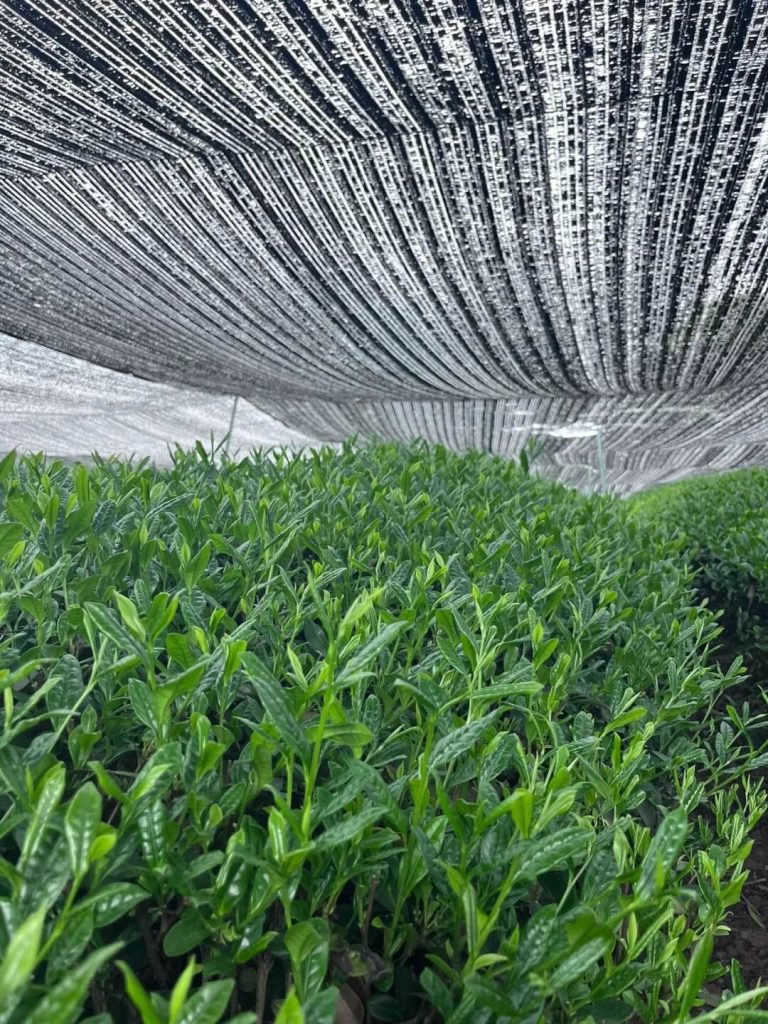
Culinary matcha is a grade made for cooking, baking, and blending, supplied to food businesses that use it as an ingredient rather than a neat-drink tea. Here’s what defines it: culinary matcha comes from later-harvest leaves with a bolder, more robust flavor than ceremonial, made to perform in recipes.
The grade is purpose-built for application. While ceremonial uses delicate first-flush leaves for whisking neat, culinary grade uses more mature leaves that give a stronger, slightly astringent flavor, which is an advantage when mixed with sugar, flour, or milk that would mute a subtler tea. Culinary matcha suppliers serve cafés, restaurants, bakeries, and food manufacturers needing reliable, cost-effective volume. AdoroHu produces culinary grade matcha built for these applications, with the bold flavor and vivid color that recipes need, from a supplier controlling its own cultivation and processing.
Key Takeaway: Culinary matcha is a robust, later-harvest grade made for cooking and blending, supplied to food businesses as an ingredient; its bolder flavor is a feature, not a flaw, since it must stand out against sugar, flour, and milk.
How is choosing a culinary supplier different from ceremonial?
Choosing a culinary matcha supplier is different because the priorities are value, consistency, and cooking performance, not premium delicacy or authenticity verification. Here’s the shift in criteria: a ceremonial buyer hunts for the finest harvest and guards against counterfeits, while a culinary buyer optimizes for reliable, cost-effective performance at volume.
The evaluation changes accordingly. For culinary, you care less about the absolute finest color or smoothest neat flavor, and more about whether the powder performs in your recipes, holds color through heat, and arrives consistent batch after batch at a workable cost. Over-applying ceremonial standards to a culinary purchase wastes money. The experienced judgment: match your supplier criteria to how the matcha will actually be used, since a powder destined for a matcha latte program or a baked product has different demands than one whisked and tasted neat. The right culinary supplier optimizes the value-to-performance ratio.
Key Takeaway: Culinary supplier selection prioritizes value, consistency, and cooking performance, not the finest harvest or counterfeit-guarding a ceremonial buyer needs; match criteria to actual use, since over-applying ceremonial standards to culinary wastes money.
What quality should you expect from a culinary matcha supplier?
You should expect a culinary matcha supplier to deliver a vibrant, fresh powder with bold flavor, not a dull, bitter, low-quality one. Here’s the quality floor that matters: culinary grade is cheaper than ceremonial, but that does not mean accepting brown, off-tasting powder, since quality still varies widely within the grade.
There is a real difference between good and poor culinary matcha. A quality culinary grade has a bright green color and an earthy, robust but not unpleasantly bitter flavor, while a low-quality one is dull, yellowish-brown, and harshly bitter or fishy, often from oxidized or poorly processed leaves. The judgment from experience: do not equate “culinary” with “lowest quality you can find,” because a dull, bitter powder produces dull, bitter products no matter how cheap it was. A good culinary matcha from controlled stone-milling and shade-growing still delivers vivid color and clean flavor. AdoroHu’s processing produces a fresh, vibrant culinary grade rather than the dull, oxidized powder that gives the grade a bad name.
Key Takeaway: Expect bright color and bold but clean flavor even from culinary grade; cheaper does not mean accepting dull, bitter, oxidized powder, since low-quality culinary produces low-quality products regardless of price, so quality still matters within the grade.
Why does color retention matter for a culinary matcha supplier?
Color retention matters because culinary matcha is often cooked or baked, and a good grade holds its green where a poor one turns brown. Here’s the performance test that separates culinary suppliers: the powder must keep a vibrant color even after exposure to heat in recipes.
This is a defining culinary-grade quality. When matcha is baked, heat and acid can convert its green chlorophyll to brownish pheophytin, but a robust, high-chlorophyll culinary grade starts greener and holds color better through the oven than a weak powder. A supplier whose culinary matcha bakes brown produces unappealing products, while one whose grade retains color delivers the vibrant green customers expect. The experienced rule: test a culinary matcha in your actual application, baked, blended, or heated, not just in water, since color retention under real conditions is what counts. A high-chlorophyll culinary grade matcha gives a bakery or kitchen more color headroom before browning shows.
Key Takeaway: Color retention is a defining culinary-grade quality, since the powder is often heated; a robust, high-chlorophyll grade holds green through baking while a weak one turns brown, so test color retention in your actual application, not just in water.
Why is batch consistency critical for a culinary matcha supplier?
Batch consistency is critical because culinary buyers use matcha at volume, so variation shows up across an entire production run. Here’s the scale reality: when a café or manufacturer makes the same product repeatedly, an inconsistent culinary matcha means color and flavor that drift between batches.
Consistency protects the product and the brand. A shift in color or flavor from one order to the next produces drinks or baked goods that look or taste different, undermining customer trust and complicating recipes. This is why source control matters even for a value grade: only a supplier owning its shade-growing and stone-milling can hold a culinary spec stable across large repeat orders. AdoroHu’s 350-hectare self-owned estate and 3,000-tonne capacity deliver the batch consistency a high-volume culinary buyer needs, while a trader assembling culinary lots from scattered farms ships the variation that surfaces in finished products. The judgment: consistency is not a premium-only concern, it matters just as much for a value grade used at scale.
Key Takeaway: Batch consistency is critical for culinary matcha because it is used at volume, so variation drifts across a whole production run; source control matters even for a value grade, since only an estate-owning supplier holds a culinary spec stable across large repeat orders.
How should you evaluate culinary matcha price and value?
You should evaluate culinary matcha on value, the balance of acceptable quality against cost, since the whole point of the grade is cost-effective performance. Here’s the framing that prevents both overspending and false economy: the best culinary matcha is the one that performs in your recipes and fits your budget, not the cheapest or the most expensive.
Value is the governing metric. Culinary grade is far cheaper than ceremonial, with 2026 bulk ranges often around $30 to $80 per kg versus $150+ for ceremonial, making it the rational choice for cooking, baking, and high-volume beverages where ceremonial nuance is lost anyway. But the cheapest culinary powder is a false economy if it bakes brown or tastes bitter. The experienced approach is to find the lowest-cost culinary grade that still delivers acceptable color and flavor in your application, then buy it at volume for the best per-kg rate. Because AdoroHu prices by grade and quality and sets lead time against volume, a buyer can request a wholesale quote to model real value before committing.
Key Takeaway: Evaluate culinary matcha on value, the lowest cost that still performs in your application, not the cheapest or priciest; culinary’s roughly $30 to $80 per kg makes it the rational cooking choice, but a powder that bakes brown is a false economy.
What certifications should a culinary matcha supplier hold?
A culinary matcha supplier should hold food-safety and, where relevant, organic certifications matched to your market and application. Here’s why this matters even for a value grade: culinary matcha goes into food products, so the same safety and compliance standards apply as for any ingredient.
The required set depends on your use and market. Food-safety credentials like ISO 22000 and FDA registration demonstrate managed process control, while organic certifications, USDA Organic (NOP), EU Organic, or JAS, are needed if you make an organic claim, since many customers now demand organic products. A batch-specific Certificate of Analysis for contaminants is essential because the matcha is consumed. The judgment: match certifications to your product and market, since a food manufacturer or organic-channel buyer has stricter documentation needs than a casual user. AdoroHu holds ISO 22000, FDA registration, USDA (NOP), EU Organic, and JAS, so a buyer sourcing organic matcha at culinary grade gets verifiable compliance alongside value.
Key Takeaway: A culinary supplier should hold food-safety certifications like ISO 22000 and FDA registration, plus organic credentials where you make organic claims, with a batch COA always; culinary is a value grade but still goes into food, so compliance matters as much as for any ingredient.
What mistakes do buyers make choosing a culinary matcha supplier?
The biggest mistake is equating “culinary” with “cheapest,” accepting dull, bitter powder that ruins the product. Here’s the pattern across poor culinary sourcing: each shortcut maps to a specific, avoidable failure.
Watch for these traps, each with a named consequence.
- Buying the cheapest culinary powder, getting dull, bitter results in finished products.
- Over-specifying ceremonial for cooking, paying a premium the recipe destroys.
- Ignoring color retention, using a grade that bakes brown.
- Skipping batch-consistency checks, shipping products that vary run to run.
- Sourcing without certifications, unable to meet food-safety or organic requirements.
Each is avoidable by sourcing for value with standards. A vertically integrated supplier offering consistent, certified culinary grade and complementary lines like hojicha powder removes these risks in one relationship.
Key Takeaway: Stop equating culinary with cheapest; the mistakes that hurt culinary sourcing, dull bitter powder, over-specifying ceremonial, poor color retention, inconsistency, and missing certifications, each carry a specific cost, and all are avoided by sourcing for value with real quality standards.
FAQ
- What should I look for in a culinary matcha supplier?
- Look for value, batch consistency, and cooking performance: a vibrant, fresh powder with bold flavor that holds color through heat, supplied consistently at volume, with food-safety and organic certifications matched to your market. Avoid dull, bitter, oxidized powder, since low-quality culinary produces low-quality products regardless of price.
- What is the difference between culinary and ceremonial matcha for suppliers?
- Ceremonial grade uses delicate first-flush leaves for whisking neat and is verified for premium authenticity, while culinary grade uses bolder later-harvest leaves made to perform in recipes. A culinary supplier is chosen for value, consistency, and cooking performance, not the finest harvest or counterfeit-guarding a ceremonial buyer needs.
- Does culinary matcha keep its color when baked?
- A good culinary grade does. A robust, high-chlorophyll culinary matcha starts greener and holds color better through heat than a weak powder, though heat and acid can still brown matcha. Test a culinary matcha in your actual baking or cooking application, not just in water, since color retention under real conditions is what counts.
- Is culinary matcha lower quality than ceremonial?
- Culinary is a different grade, not simply lower quality. It uses later-harvest leaves with a bolder, more astringent flavor that is an advantage in recipes where it must stand out against sugar, flour, and milk. Quality still varies within culinary grade, so a fresh, vibrant culinary matcha is very different from a dull, bitter one.
- How much does culinary matcha cost in bulk?
- In 2026, culinary matcha bulk price often ranges around $30 to $80 per kg, far below ceremonial at $150+ per kg, making it the cost-effective choice for cooking, baking, and high-volume beverages. Volume orders lower the per-kg rate further, so match order size to your real usage for the best value.
Conclusion
Choosing a culinary matcha supplier is about value, batch consistency, and cooking performance, a bold, vibrant powder that holds its color and flavor through recipes and arrives consistent at volume, not the premium delicacy or authenticity-guarding a ceremonial buyer needs. The decisive takeaway is to source the lowest-cost culinary grade that still performs in your application, from a supplier with the consistency and certifications volume use demands. To source a vibrant, consistent, certified culinary matcha at bulk value, contact AdoroHu Matcha to request samples and a wholesale quote matched to your application and volume.