Global supply chains are currently navigating a structural price reset and shifting consumer demands. Many B2B brands face “matcha shock” with raw material costs rising 220% while demand reaches record highs. AdoroHu Matcha provides a stable path forward for those seeking matcha wholesale solutions with certified consistency.
The global matcha market is projected to reach $4.61 billion by 2026, driven by a 10.6% CAGR. Key shifts include a surge in functional beverage applications and a structural price reset for premium grades. Brands are prioritizing traceable, certified Japanese origins to meet rising consumer transparency demands.
In short: The industry is entering a “premium-functional” era where quality and stability outweigh pure price competition.
Key points:
- Market valuation hitting $4.61 billion with sustained 10.6% growth.
- Strategic focus on flavor fusions like banana (+594%) and yuzu.
- Wholesale pricing stabilization between 55 an140 per kg.
Why are matcha food trends 2026 shifting toward functional ingredients?
Matcha food trends 2026 are shifting toward functional ingredients because consumers now view the powder as a “superfood” rather than a simple flavor. Manufacturers are increasingly blending matcha with collagen, adaptogens, and probiotics. This evolution directly targets the Gen Z demand for holistic wellness and sustained energy. Brands are moving away from sugary additives to highlight natural L-theanine benefits.
Which matcha grades are dominating the 2026 beverage market?
In the 2026 beverage market, the “Premium Latte” grade is dominating matcha food trends 2026 due to its balance of cost and vibrant color. This specific grade currently holds a 56% market share in the food service sector. It provides the deep green hue required for viral social media content. Buyers prefer this grade for its ability to cut through dairy and plant-based milks.
How can B2B buyers identify authentic ceremonial matcha suppliers?
B2B buyers can identify authentic suppliers by verifying JAS seals and requesting full Certificates of Analysis (COA). These documents must confirm the L-theanine and catechin profiles for every batch. Authentic suppliers provide 100% Japanese provenance and transparent stone-milling data. Avoid vendors who cannot provide specific prefecture origin details or heavy metal testing reports.
What factors determine wholesale matcha pricing in 2026?
Wholesale pricing in the context of matcha food trends 2026 is primarily determined by Tencha auction costs and regional harvest yields. Buyers should expect high-volume wholesale pricing to range specifically between 55 and 140 per kg. Uji-origin products command a 30-60% premium over other growing regions. Climate-related yield drops of 20-25% have also created a permanent price floor.
Which organic certifications are mandatory for EU and US matcha imports?
The mandatory organic certifications for EU and US imports include USDA Organic, EU Organic, and JAS standards. These certifications ensure the matcha food trends 2026 products are free from synthetic pesticides and herbicides. Compliance is essential for brands entering the premium health retail segment. Adhering to these standards builds consumer trust and ensures long-term market access.
How is matcha being applied in innovative food manufacturing?
Innovative food manufacturing is applying matcha food trends 2026 through savory umami infusions and high-protein nutritional snack bars. Manufacturers are utilizing supercritical CO2 decaffeination technology for evening-targeted snacks. We see massive growth in matcha-infused croissants, tiramisu, and vegan ice creams. These applications leverage the powder’s natural antioxidant properties and vibrant visual appeal.
Why is private label matcha a top growth strategy for 2026 brands?
Private label is a top growth strategy because it allows brands to capture higher margins in a $4.61 billion market. Companies are using custom blends to differentiate themselves in the competitive café landscape. This approach allows for tailored flavor profiles that match specific regional consumer preferences. Private labeling builds brand equity while ensuring a consistent supply of premium Japanese powder.
What are the common mistakes when importing bulk matcha powder?
Common mistakes when importing bulk powder include ignoring radiation testing and failing to secure long-term allocation contracts. Many buyers wait until the peak April-August season to place orders. This often results in stockouts or inflated emergency procurement costs. Buyers must also ensure packaging features high-quality zippers to prevent oxidation during storage.
How does AdoroHu Matcha ensure consistency in high-volume production?
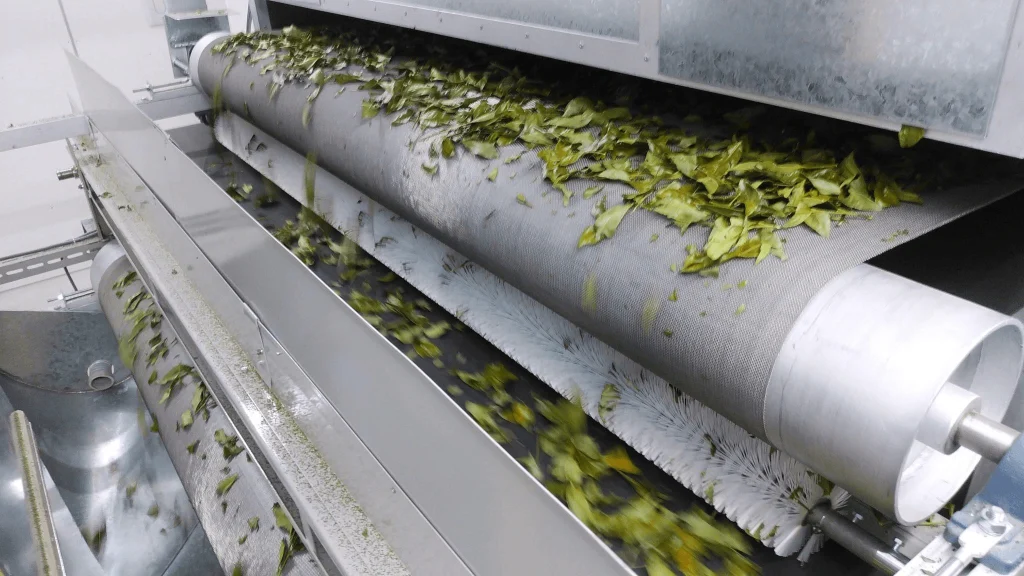
AdoroHu Matcha ensures consistency by utilizing a proprietary 3-stage stone milling process and rigorous radiation testing protocols. This mechanical precision prevents heat damage to the delicate chlorophyll during grinding. We guarantee a uniform particle size of 5-10 microns across all high-volume production runs. Our quality control team verifies every batch against strict color and umami benchmarks.
What are the most common concerns for bulk matcha buyers in 2026?
The most common concerns for bulk buyers in 2026 involve supply chain resilience and the recent “structural price reset.” Yield drops in traditional regions like Uji have triggered a global procurement war. Procurement officers are now prioritizing stable, long-term partnerships over unpredictable spot-market discounts. Ensuring a traceable, pesticide-free supply remains the highest priority for global brand managers.
Frequently Asked Questions
- What is the projected market size for matcha in 2026? The global market is expected to reach $4.61 billion with a steady 10.6% CAGR.
- Which flavor fusions are trending in 2026? Banana matcha has seen a 594% increase, followed by strawberry and yuzu fusions.
- Is organic matcha always better for B2B? Organic certification is essential for the health segment, though conventional grades offer higher umami profiles.
- How does climate change affect matcha pricing? Extreme heat and late frosts in Japan have reduced yields, leading to a 15-20% retail price hike.
- What is the best storage method for bulk matcha? Bulk powder should be stored in airtight, light-proof containers at temperatures below 5°C.
Secure Your 2026 Supply Today
Navigating the evolving landscape of matcha food trends 2026 requires a partner who understands quality and supply stability. AdoroHu Matcha offers the certified quality and volume capacity your brand needs to scale. Contact our wholesale team to request samples and secure your 2026 allocation.