Selecting the right matcha powder for cafe operations is a critical business decision. Many café owners struggle with inconsistent quality and unreliable supply chains. This inconsistency often results in dull, bitter beverages that drive customers away. Poor quality matcha leads to wasted ingredients and significant revenue loss in the high-margin beverage category. AdoroHu Matcha offers a premium matcha wholesale solution designed specifically for professional food service. Our shade-grown Tencha ensures every latte maintains a vibrant green hue and smooth, creamy flavor.
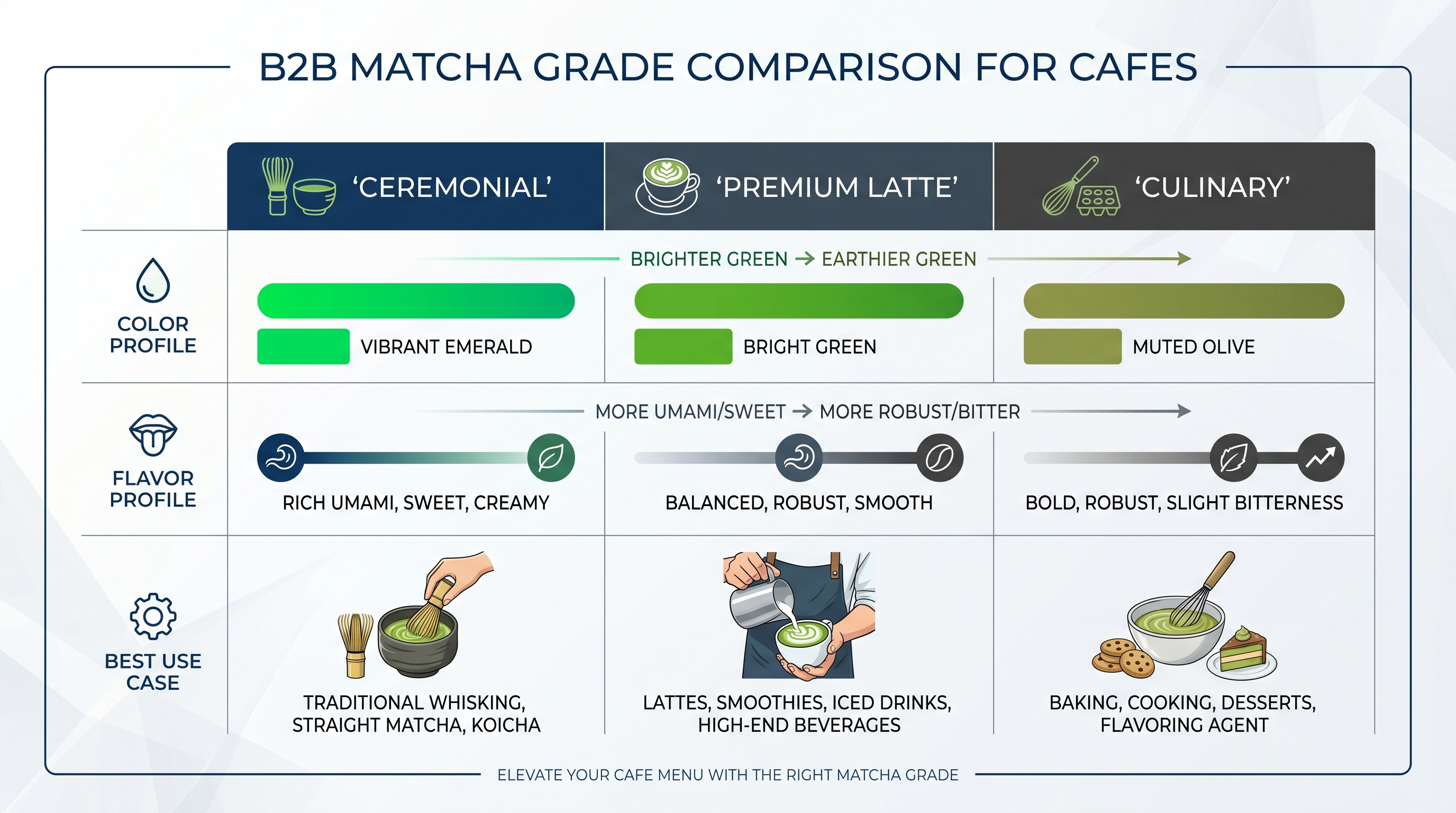
The best matcha powder for cafe use is a “Latte Grade” or “Premium Culinary” blend. It offers a precise balance of vibrant green color, robust umami flavor, and high solubility. This grade cuts through milk effectively while maintaining a competitive cost-per-serving for business profitability.
In short:
- Focus on “Latte Grade” to balance color, taste, and cost.
- Verify quality through 3rd-party lab testing and COA documents.
- Target a cost-per-serving of 0.25 to 0.50 for maximum ROI.
What is the best matcha powder for cafe operations?
Operations require a matcha that remains vibrant when mixed with dairy or plant-based milks. Traditional ceremonial grades are often too delicate and expensive for high-volume latte service. Instead, seek a premium “Latte Grade” made from shade-grown Tencha leaves. These leaves contain high levels of L-theanine and chlorophyll. This combination produces a naturally sweet taste and striking emerald color. The powder must be stone-ground to a fine micron size. Fine particles ensure the matcha dissolves instantly without leaving grit in the cup.
Which matcha powder for cafe grade provides the best ROI?
Premium Culinary or Latte Grade typically provides the highest return on investment. Wholesale pricing for this grade ranges from 60 to 90 per kilogram. With a standard 2g to 3g serving size, your ingredient cost stays low. Most cafes achieve an 80% profit margin on matcha beverages. Investing in quality prevents “color fade” in iced drinks. Vibrant drinks are highly “Instagrammable,” which serves as free marketing for your business. Consistent quality reduces drink remakes and ingredient waste.
How do you verify the authenticity of matcha powder for cafe supply?
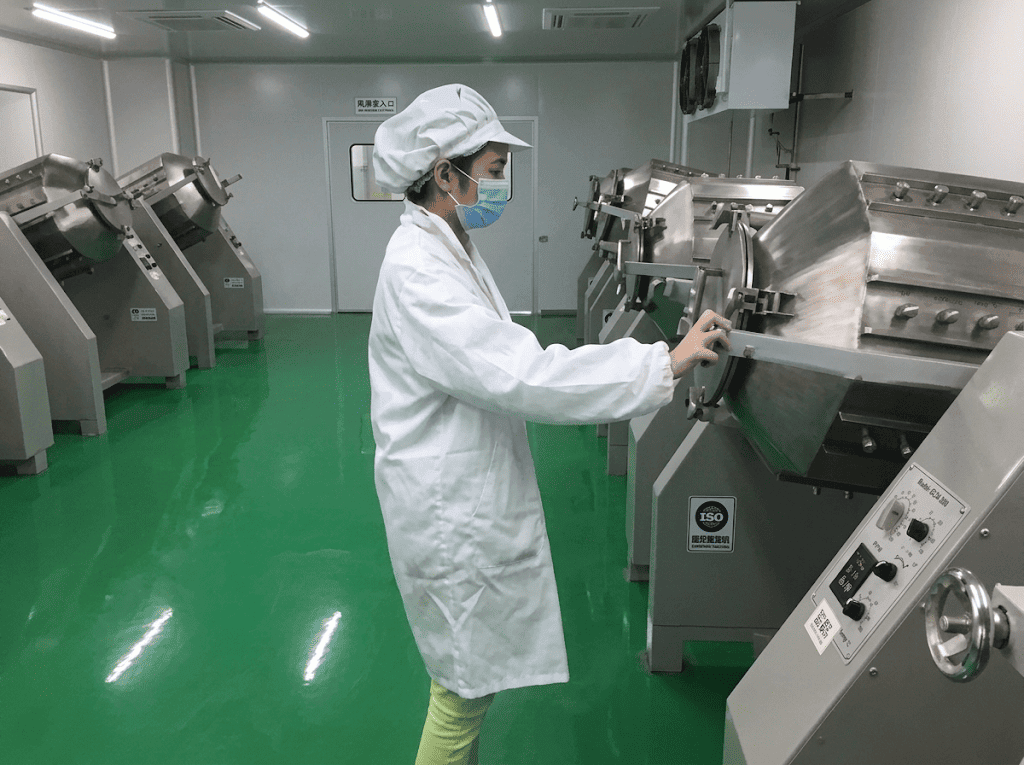
Authenticity starts with transparency and rigorous 3rd-party laboratory testing. Professional suppliers must provide a Certificate of Analysis (COA) for every batch. This document verifies the absence of heavy metals and pesticide residues. It also confirms microbiological safety, including yeast and mold counts. Authentic matcha is always derived from shade-grown Tencha, not common green tea. Look for high L-theanine content, which indicates proper shading techniques. AdoroHu provides full traceability from the farm to your cafe counter.
Where should businesses source high-volume matcha powder for cafe use?
Businesses should source bulk matcha powder directly from specialized Japanese producers or established B2B importers. Direct sourcing reduces middleman markups by 25% to 40%. Specialized suppliers understand the logistical needs of a busy cafe. They offer tiered pricing that rewards high-volume ordering. Ensure your supplier maintains a local warehouse for quick lead times. This prevents “out-of-stock” scenarios during peak seasons. Reliable partners offer consistent flavor profiles across different harvest years.
What makes culinary grade different from ceremonial matcha powder for cafe lattes?
Ceremonial grade uses the youngest, most tender spring leaves. It is designed for whisking with water only. Its subtle sweetness is often lost when mixed with milk. Culinary grade uses leaves from slightly later harvests. These leaves possess a more robust, “punchy” flavor profile. This boldness allows the matcha taste to shine through steamed milk. Premium culinary grades still maintain the vibrant green color needed for aesthetics. Using the right grade ensures you don’t overpay for delicate notes that disappear in a latte.
How do organic standards affect the cost of matcha powder for cafe imports?
Organic certification adds significant overhead to the production process. Farmers must pay for annual audits and maintain chemical-free buffer zones. Consequently, organic matcha powder typically costs 20% to 30% more than non-organic options. USDA and EU organic labels require strict adherence to international standards. These costs cover soil testing and specialized organic fertilizers. While more expensive, organic matcha appeals to health-conscious demographics. Many cafes justify the cost by applying a “premium organic” surcharge to their menu.
What are the best beverage applications for matcha powder for cafe menus?
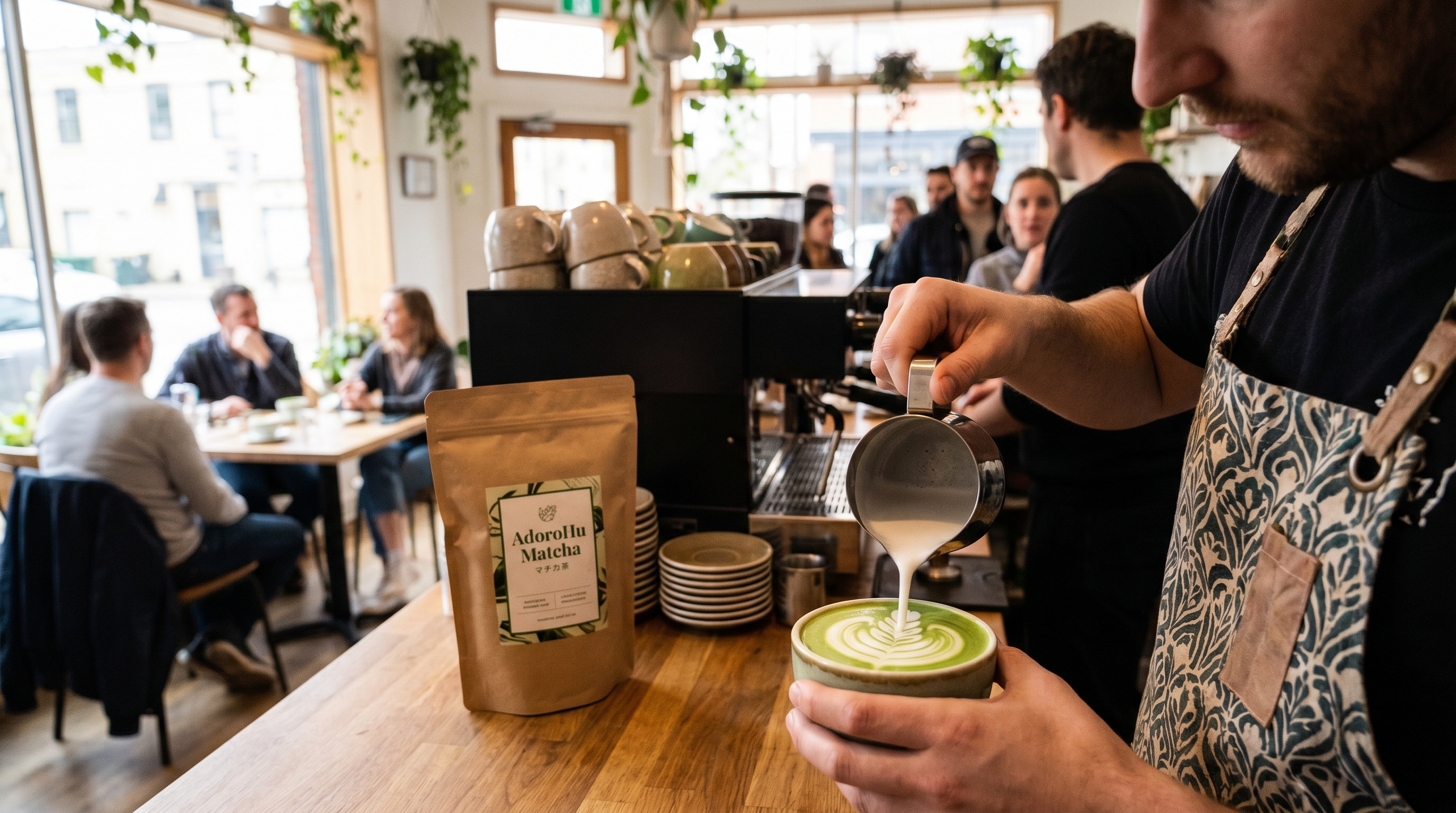
The most profitable application is the classic matcha for latte , served hot or iced. Iced matcha lemonades are excellent high-margin seasonal refreshers. You can also create signature “dirty matcha” drinks by adding espresso. Matcha frappes and smoothies cater to the dessert-beverage market. Many cafes now offer “ceremonial shots” for health-focused customers. Consistency in your powder allows for creative recipe development. A versatile latte grade works across all these diverse menu items.
Can cafes launch their own line using private label matcha powder for cafe options?
Yes, cafes can expand their brand by offering matcha private label retail tins. AdoroHu provides a streamlined private label service for growing brands. We offer a low Minimum Order Quantity (MOQ) of just 100kg. Our team provides custom blending services to create a unique flavor profile. We handle the packaging and labeling to match your brand identity. This creates an additional revenue stream beyond the drink counter. Retail sales build brand loyalty and increase your cafe’s market presence.
What are the common mistakes when ordering matcha powder for cafe in bulk?
The biggest mistake is choosing a supplier based solely on the lowest price. Cheap powder is often dull, yellow, and extremely bitter. This ruins the customer experience and damages your brand reputation. Another mistake is ignoring the harvest date and storage conditions. Matcha is sensitive to light, heat, and oxygen. Ordering too much at once can lead to oxidation. Always verify the packaging has an airtight, light-blocking seal. Failing to request samples before a large order is also a risky move.
What future market trends will shape the matcha powder for cafe industry?
The market is shifting toward functional beverages with added benefits. Expect to see matcha blended with adaptogens or probiotics. Transparency and farm-to-cup traceability are becoming standard consumer demands. Cold-brew matcha is gaining popularity for its smooth, non-bitter profile. Sustainability in packaging will be a major differentiator for cafes. Technological advances in stone-grinding are improving solubility and color retention. Cafes that prioritize high-grade, ethically sourced powder will lead the market.
Frequently Asked Questions
- What is the shelf life of bulk matcha for cafes?Unopened bulk bags last 12 months. Once opened, use within 2 months for peak freshness.
- How much matcha should I use for a 12oz latte?We recommend 3 grams of premium latte grade powder.
- Is Japanese matcha better than Chinese matcha for cafes?Japanese matcha is generally superior in color and L-theanine content.
- Does matcha contain more caffeine than coffee?A serving of matcha has less caffeine than espresso but provides longer-lasting energy.
- Do you offer samples for cafe businesses?Yes, we provide sample packs so you can test solubility and flavor.
Sourcing the right matcha involves balancing quality, cost, and certification. By choosing a premium latte grade, you ensure customer satisfaction and high margins. AdoroHu Matcha is ready to be your long-term wholesale partner. Contact AdoroHu Matcha today to request a B2B price sheet.