Finding innovative, high-margin beverages is a constant challenge for modern cafes, beverage brands, and food service operators. Relying on outdated menus or low-quality ingredients often leads to stagnant sales and dissatisfied customers. AdoroHu Matcha provides the ultimate solution with premium, authentic Japanese green tea powder, empowering your business to create profitable, trend-setting drinks. This guide details 10 matcha drink recipes you must try, offering a blueprint for expanding your beverage portfolio and driving customer loyalty.
In short:
Key points:
- Diverse recipes attract a broader customer base and increase average order value.
- High-quality ceremonial or premium grade powder is essential for authentic flavor and vibrant color.
- Consistent B2B sourcing guarantees reliable supply and stable pricing for commercial operations.
How to Make the Perfect Iced Matcha Latte?
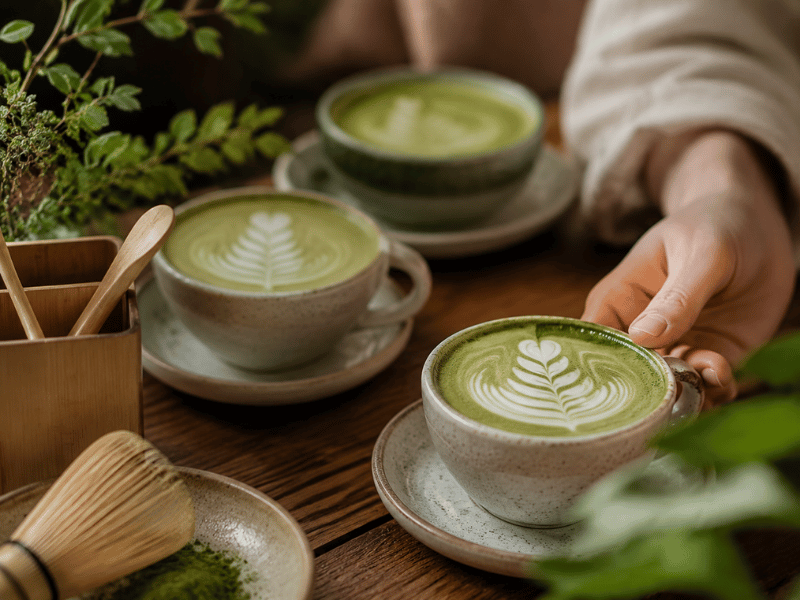
Crafting the perfect iced matcha latte is the foundation of any successful green tea beverage menu. This classic drink requires precision to balance the natural umami notes of the tea with the creamy texture of the milk. For commercial settings, consistency is key, demanding a reliable premium matcha supplier to ensure every cup meets customer expectations.
The process begins with sifting the powder to eliminate clumps. Using a traditional bamboo whisk (chasen) or a commercial frother, blend the sifted powder with a small amount of hot (not boiling) water to create a smooth, vibrant paste. This concentrated base is then poured over ice and topped with your choice of dairy or plant-based milk. Sweeteners, such as simple syrup or vanilla, can be added to taste.
- Commercial Advantage: High profit margin and straightforward preparation.
- Best Grade: Ceremonial or high-end premium for optimal color and taste.
- Serving Suggestion: Serve in a clear glass to highlight the striking green color.
Key Takeaway: Mastering the classic iced latte establishes a strong baseline for quality, building trust with your customers and setting the stage for more complex menu items.
Why is the Strawberry Matcha Latte So Popular?
The strawberry matcha latte has exploded in popularity, driven by its stunning visual appeal and delicious flavor contrast. This layered beverage combines the earthy, grassy notes of green tea with the sweet, fruity burst of fresh strawberry puree. Its vibrant green and red layers make it highly shareable on social media, acting as free marketing for your cafe.
To prepare this drink, start by creating a thick, sweetened strawberry puree or compote and layer it at the bottom of the cup. Add ice, then carefully pour milk over the ice to maintain the separation. Finally, gently pour a freshly whisked matcha shot over the milk. The visual impact is immediate, and the flavor profile appeals to customers who might find plain matcha too strong.
- Marketing Appeal: Highly aesthetic and Instagram-friendly.
- Flavor Profile: Sweet, fruity, and refreshing.
- Ingredient Focus: Fresh or high-quality frozen strawberries are crucial.
Key Takeaway: Incorporating a strawberry variation leverages current consumer trends, attracting a younger demographic and driving organic social media promotion.
What is a Matcha Lemonade Refresher?
A matcha lemonade refresher offers a bright, citrusy alternative to milk-based lattes, perfect for warmer months or customers seeking a lighter beverage. This drink marries the tartness of fresh lemon juice with the complex, slightly astringent notes of green tea. It’s a revitalizing option that expands your menu beyond traditional dairy pairings.
Creating this refresher involves mixing a standard lemonade base—fresh lemon juice, water, and simple syrup—and topping it with a shot of whisked green tea. The key is finding the right balance of sweetness to counteract the acidity of the lemon and the earthiness of the tea. Many cafes add fresh mint or cucumber slices for enhanced freshness.
- Seasonal Appeal: Ideal for summer promotions and outdoor events.
- Dietary Friendly: Naturally dairy-free and vegan.
- Cost Efficiency: Lower ingredient cost compared to premium milk alternatives.
Key Takeaway: A lemonade refresher diversifies your offerings, providing a profitable, dairy-free option that appeals to health-conscious consumers during warmer seasons.
How Can You Create a Profitable Matcha Frappe?
A blended matcha frappe is a high-margin, indulgent treat that attracts customers looking for a sweet, icy dessert beverage. This blended drink combines green tea powder, milk, ice, and a stabilizing base (like a vanilla syrup or frappe powder) to create a smooth, milkshake-like consistency. It’s a staple for quick-service beverage brands.
To maximize profitability, operators should use a high-quality culinary matcha that maintains a strong flavor profile even when blended with ice and sweeteners. The visual presentation can be enhanced with whipped cream, a dusting of extra powder, or even a drizzle of white chocolate syrup.
- Margin Booster: High perceived value allows for premium pricing.
- Customization: Easily adaptable with flavors like vanilla, coconut, or white chocolate.
- Equipment: Requires a commercial blender capable of handling high volumes of ice.
Key Takeaway: A well-crafted frappe provides a substantial revenue stream, appealing to customers seeking a rich, dessert-style beverage, especially during peak afternoon hours.
What Makes the Matcha Dalgona Unique?
The matcha dalgona, a variation of the viral whipped coffee trend, offers a unique textural experience. This beverage features a fluffy, aerated green tea foam resting atop a glass of iced milk. The visual contrast and the rich, creamy mouthfeel make it a standout menu item for cafes aiming to offer innovative options.
Creating the dalgona foam requires whipping egg whites or aquafaba (for a vegan option) with sugar until stiff peaks form, then gently folding in concentrated green tea powder. This foam is then spooned over iced milk. While the preparation is slightly more labor-intensive, the premium presentation justifies a higher price point.
- Visual Impact: Striking presentation with a distinct two-layer look.
- Texture: Offers a unique, creamy, and airy mouthfeel.
- Differentiation: Sets your menu apart from competitors offering only standard lattes.
Key Takeaway: Introducing a dalgona variation showcases culinary innovation, attracting customers interested in trendy, visually appealing, and texturally rich beverages.
How to Formulate a Vanilla Matcha Latte?
The vanilla matcha latte is a comforting, accessible entry point for customers new to green tea. The sweet, familiar flavor of vanilla perfectly complements the earthy notes of the tea, rounding out any potential bitterness. This formulation is a consistent top seller in commercial cafes and is easily standardized for multi-location operations.
The standard recipe involves whisking the green tea powder with hot water, adding a high-quality vanilla syrup (either house-made or commercially sourced), and finishing with steamed or iced milk. For B2B beverage brands, pre-blending the tea powder with vanilla flavoring offers a convenient solution for rapid service and consistent taste profiles.
- Mass Appeal: The familiar vanilla flavor lowers the barrier to entry for new customers.
- Versatility: Works equally well hot or iced.
- Standardization: Easy to incorporate into existing operational workflows.
Key Takeaway: A vanilla variation is essential for capturing a broader audience, providing a comforting and familiar flavor profile that guarantees consistent sales.
What is the Appeal of a Matcha Coconut Water?
Matcha coconut water is an ultra-hydrating, health-focused beverage that capitalizes on the functional drink trend. This simple recipe combines the electrolyte-rich properties of coconut water with the antioxidant benefits of green tea. It appeals strongly to the fitness demographic and consumers seeking clean, natural energy.
Preparation is incredibly straightforward: whisk a high-grade organic matcha shot and pour it over chilled coconut water. The natural sweetness of the coconut water often eliminates the need for additional sweeteners, creating a low-calorie, refreshing drink. The clarity of the coconut water highlights the vibrant green of the tea.
- Health Focus: Excellent source of hydration, electrolytes, and antioxidants.
- Simplicity: Minimal ingredients and rapid preparation time.
- Target Audience: Appeals to fitness enthusiasts and health-conscious consumers.
Key Takeaway: Offering a coconut water fusion positions your brand within the lucrative functional beverage market, attracting health-focused consumers with a simple, high-value product.
How to Integrate Matcha into a Chai Latte?
The spiced matcha chai latte is a complex, warming beverage that blends Japanese green tea with traditional Indian spices. This fusion creates a robust flavor profile, combining the umami of the tea with the heat of ginger, cardamom, cinnamon, and cloves. It’s an excellent seasonal offering for autumn and winter menus.
To create this drink, a concentrated chai tea base (either brewed from loose leaf or a high-quality commercial concentrate) is mixed with steamed milk. A shot of whisked green tea is then incorporated. The challenge lies in balancing the strong spices with the delicate tea flavor, often requiring a robust ceremonial matcha to ensure the green tea notes are not overshadowed.
- Flavor Complexity: Offers a rich, multi-layered tasting experience.
- Seasonal Offering: Perfect for cooler months, expanding your warm beverage menu.
- Premium Pricing: The complex flavor profile supports premium pricing strategies.
Key Takeaway: A spiced chai fusion demonstrates culinary creativity, offering a warming, complex beverage that drives sales during the colder seasons.
What is the Best Way to Source Matcha for Cafes?
Securing a reliable, high-quality supply is critical for any cafe or beverage brand looking to execute these recipes successfully. Inconsistent quality, color variations, or supply chain disruptions can damage your brand reputation and impact profitability. B2B buyers must prioritize suppliers who offer transparency, consistent grading, and reliable logistics.
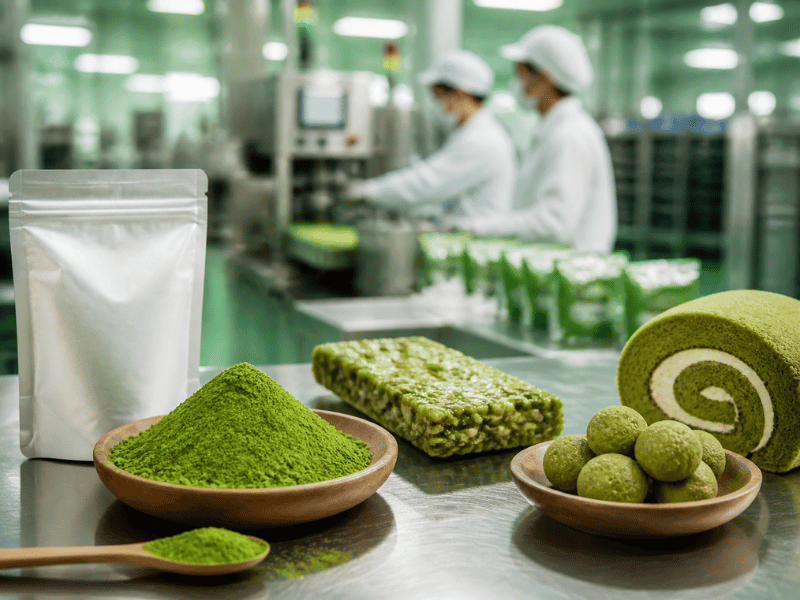
When sourcing, evaluate suppliers based on their direct relationships with Japanese farms, their quality control processes, and their ability to provide consistent bulk volumes. AdoroHu Matcha, for example, offers a range of grades tailored to specific applications, ensuring you receive the optimal product for lattes, baking, or clear beverages. Consider requesting samples and reviewing certifications (such as USDA Organic) before committing to a bulk purchase.
| Factor | Description | Commercial Importance |
|---|---|---|
| Origin | Authentic Japanese sourcing (e.g., Uji, Kagoshima). | Ensures traditional flavor profiles and vibrant color. |
| Grading Consistency | Clear distinction between ceremonial, premium, and culinary grades. | Guarantees the right flavor intensity and cost structure for specific recipes. |
| Packaging | Airtight, light-blocking bulk packaging (e.g., 1kg foil bags). | Preserves freshness, color, and flavor during commercial storage. |
| Certifications | USDA Organic, ISO, or specific food safety standards. | Meets consumer demand for clean labels and ensures regulatory compliance. |
Key Takeaway: Partnering with a dedicated B2B supplier guarantees consistent quality and reliable supply, mitigating operational risks and ensuring the success of your beverage program.
How Can Private Labeling Enhance Your Drink Menu?
For established beverage brands or multi-location cafes, matcha private label services offer a strategic advantage. Instead of relying on generic formulations, private labeling allows you to develop custom blends, proprietary flavor profiles, and branded retail products. This strategy increases brand equity and creates a unique selling proposition in a crowded market.
Working with an OEM partner like AdoroHu Matcha enables you to customize everything from the specific tea grade to added flavors (like vanilla or adaptogens) and packaging design. This ensures your signature drinks cannot be easily replicated by competitors. Furthermore, selling your branded powder directly to consumers creates an additional, high-margin revenue stream.
- Brand Exclusivity: Develop unique flavor profiles unavailable elsewhere.
- Revenue Diversification: Sell retail tins or pouches alongside prepared beverages.
- Scalability: OEM partners handle production and packaging, allowing you to focus on marketing and sales.
Key Takeaway: Private labeling transforms a commodity ingredient into a proprietary brand asset, driving customer loyalty and expanding your business’s revenue potential.
FAQ
- Q: What is the most popular matcha drink in cafes?
- The classic iced matcha latte remains the most popular and versatile option, serving as the foundation for most cafe menus due to its high demand and consistent profitability.
- Q: Can I use culinary grade for lattes?
- While possible, premium or ceremonial grades are recommended for lattes to ensure a vibrant green color and a smooth, umami-rich flavor, whereas culinary grade is better suited for baking or blended frappes.
- Q: How do I prevent clumps in my drinks?
- Always sift the powder before use and whisk vigorously with a small amount of hot water (using a bamboo chasen or electric frother) to create a smooth paste before adding milk or water.
- Q: Are these recipes suitable for RTD (Ready-to-Drink) manufacturing?
- Many of these concepts, such as the lemonade refresher or coconut water blend, can be adapted for RTD production, though careful formulation is required to ensure stability and shelf life.
- Q: How long does bulk matcha stay fresh?
- Unopened bulk packages can last 12-18 months if stored correctly. Once opened, it should be kept in an airtight container in a cool, dark place and consumed within 1-2 months for optimal flavor.
Conclusion
Expanding your menu with these 10 matcha drink recipes you must try is a proven strategy for attracting new customers and increasing average order value. From the classic iced latte to innovative fusions like the strawberry dalgona, offering diverse, high-quality beverages sets your brand apart in a competitive market. To ensure consistent quality and reliable B2B supply for your new menu items, contact AdoroHu Matcha today to request wholesale pricing and explore our premium bulk options.