Matcha powder is a highly concentrated, stone-ground green tea produced from shade-grown Camellia sinensis leaves that originated in China and was perfected in Japan. Many food and beverage businesses struggle to find consistent, high-quality ingredients that maintain color and flavor during large-scale production. This inconsistency can lead to lackluster product launches and diminished brand trust among health-conscious consumers. AdoroHu Matcha provides this definitive guide to help you navigate the complexities of wholesale matcha powder sourcing and quality control.
Matcha powder is a finely milled green tea made from shade-grown leaves that are steamed, de-veined, and stone-ground into a vibrant emerald dust. Unlike steeped tea, the entire leaf is consumed, providing a potent profile of antioxidants, L-theanine, and natural caffeine. It is primarily classified into ceremonial, premium, and culinary grades based on harvest timing and leaf position.
Summary Section
In short: Matcha powder is a functional superfood ingredient that offers a unique umami flavor profile and vibrant natural coloring for the modern B2B market.
Key points:
- Produced from Tencha leaves through a rigorous shading and grinding process.
- Offers 10x the nutritional value of regular brewed green tea.
- Available in distinct grades tailored for specific industrial and café applications.
- Requires stringent quality certifications (JAS, USDA Organic, ISO 22000) for global compliance.
What is the formal definition of matcha powder?
Matcha powder is a specialty green tea product created by grinding specially cultivated and processed tea leaves into a micro-fine powder. Think about it: while traditional green tea involves steeping leaves and discarding them, this product ensures you ingest the whole leaf. This fundamental difference is why Japanese tea experts emphasize the “suspension” of the powder rather than an infusion. In a commercial context, this means the ingredient provides both a flavor base and a powerful nutritional claim for your end-consumers.
Key Takeaway: Matcha powder is a whole-leaf suspension product, not a filtered infusion.
How is authentic matcha powder produced in Japan?
Matcha powder production begins with the shading process, where tea bushes are covered for 20-30 days before harvest to boost chlorophyll and L-theanine levels. Here is the deal: after the leaves are hand-picked, they are immediately steamed to prevent oxidation, dried into what is called Tencha, and then stone-ground in temperature-controlled facilities. This traditional method preserves the delicate amino acids that give the tea its signature umami flavor. For B2B buyers, understanding this timeline is critical for managing lead times and ensuring harvest freshness.
The 4 Pillars of Production
- Shading: Increases amino acid concentration.
- Steaming: Locks in the vibrant green color.
- De-veining: Ensures a silky, clump-free texture.
- Stone-Grinding: Maintains low temperatures to prevent flavor degradation.
Key Takeaway: Authentic production requires meticulous shading and cold-stone grinding to preserve ingredient integrity.
What are the primary grades of matcha powder?
Matcha powder is categorized into grades—Ceremonial, Premium, and Culinary—depending on the harvest cycle and the part of the plant used. You might be wondering why the price variance is so high. It comes down to the leaf quality; Ceremonial grade uses only the youngest, top-tier leaves from the first harvest, while Culinary grade utilizes more mature leaves from later harvests that offer a bolder, more astringent flavor profile suitable for baking.
| Grade | Primary Use | Flavor Profile | Color | |
|---|---|---|---|---|
| Ceremonial | Traditional Tea | Sweet, Umami, Smooth | Bright Emerald | |
| Premium | Lattes & Smoothies | Balanced, Creamy | Forest Green | |
| Culinary | Baking & Confectionery | Bold, Astringent, Robust | Olive Green | |
| Ingredient | Mass Production | Bitter, Strong | Dull Green |
Key Takeaway: Select your matcha powder grade based on the final application to optimize cost-per-serving.
How do you identify high-quality matcha powder?
High-quality matcha powder is instantly recognizable by its electric green color, extremely fine texture, and fresh, grassy aroma. Make no mistake: if a sample appears yellowish or brown, it indicates high oxidation or a high percentage of stems and old leaves. When sourcing for bulk matcha powder procurement , look for a “talo-like” texture that vanishes when rubbed between your fingers, indicating a particle size of 5-10 microns.
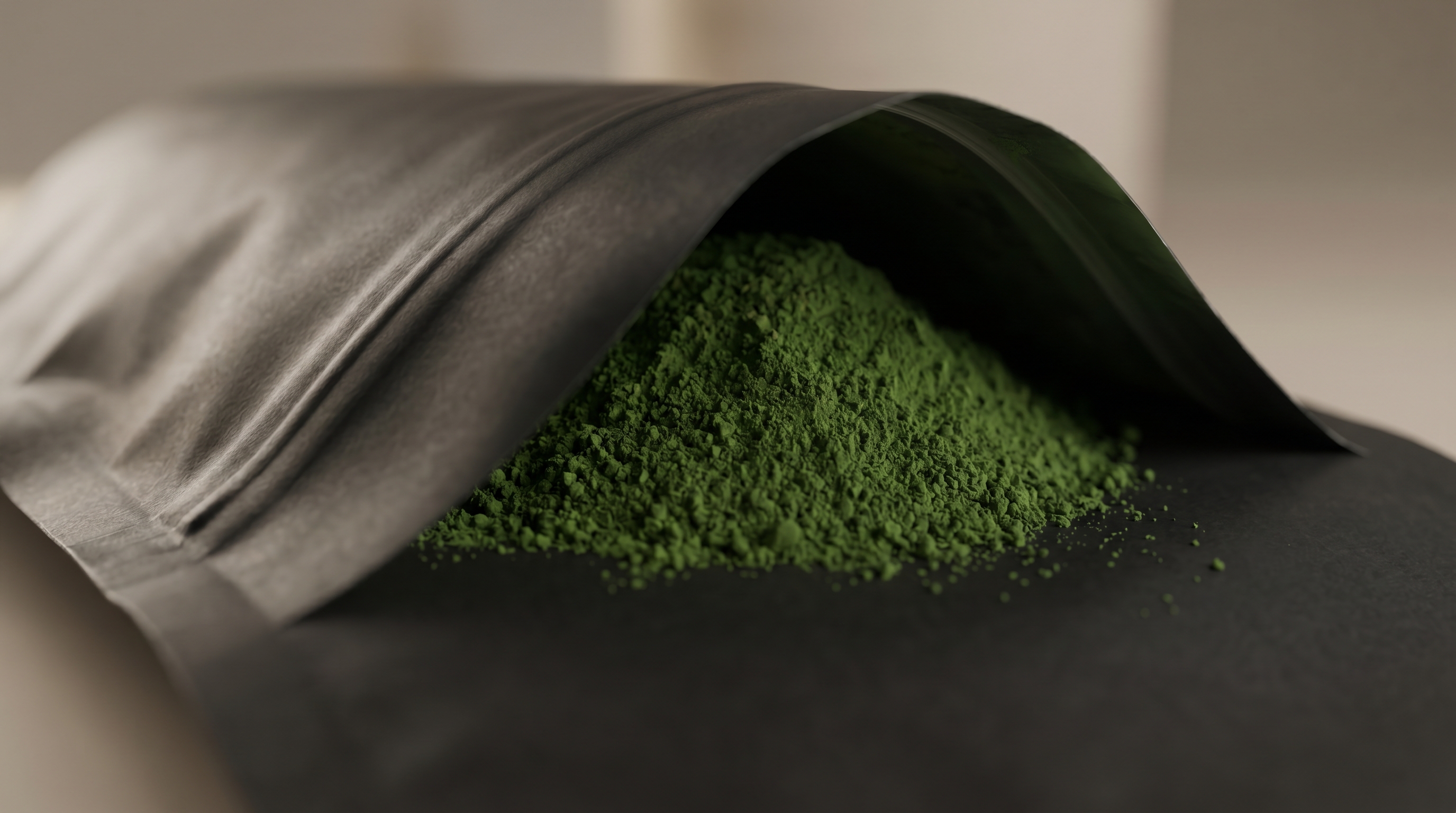
Key Takeaway: Visual indicators—color and texture—are the most reliable preliminary tests for quality.
What is the chemical composition of matcha powder?
Matcha powder contains a unique combination of catechins, caffeine, and L-theanine that provides sustained energy without the jitters associated with coffee. The best part? The shading process specifically increases the EGCG (epigallocatechin gallate) content, which is the primary antioxidant responsible for the tea’s health claims. For B2B manufacturers, these chemical markers are often verified via a Certificate of Analysis (COA) to ensure batch consistency.
Key Nutrients per 1g Serving
- L-Theanine: 15-20mg (Promotes relaxation).
- Caffeine: 30-35mg (Controlled alertness).
- Antioxidants (ORAC): 1,384 units (High cellular protection).
- Fiber: 0.3g (Digestive health support).
Key Takeaway: The “Calm Alertness” effect is a result of the high L-theanine to caffeine ratio in matcha powder.
Why is origin important for matcha powder sourcing?
Matcha powder quality is deeply tied to its geographic origin, with Uji and Nishio in Japan being the gold standard regions. It is worth noting that while other regions produce green tea powder, the volcanic soil and climate of these Japanese prefectures are essential for the high amino acid profiles required for premium grades. B2B buyers should prioritize private label matcha solutions that offer full traceability back to specific Japanese tea farms.
Key Takeaway: Japanese origin remains the hallmark of authentic, high-antioxidant matcha powder.
How should a business store bulk matcha powder?
Matcha powder is highly sensitive to light, heat, and oxygen, meaning it must be stored in airtight, opaque containers in a cool environment. Believe it or not, even a few hours of exposure to sunlight can turn a vibrant emerald powder into a dull, bitter ingredient. For industrial users, we recommend keeping bulk stock in a refrigerated setting at 5°C to maintain the chlorophyll stability and flavor freshness over a 12-month shelf life.
| Factor | Effect of Exposure | Recommended Mitigation | |
|---|---|---|---|
| Light | Color Degradation | Opaque Mylar Packaging | |
| Oxygen | Flavor Loss (Oxidation) | Nitrogen Flushing | |
| Heat | Nutrient Breakdown | Cold Storage (5°C) | |
| Moisture | Clumping / Mold | Desiccant Packs |
Key Takeaway: Proper storage is non-negotiable for maintaining the vibrant visual appeal of matcha powder.
What are the top culinary uses for matcha powder?
Matcha powder is a versatile ingredient used by pastry chefs and food scientists to create everything from matcha croissants to functional protein bars. Here’s the secret: the astringency of culinary grade matcha is actually an advantage in baking because it cuts through the sweetness of fats and sugars, ensuring the tea flavor remains prominent. This makes it an ideal ingredient for matcha product formulation in the confectionery sector.
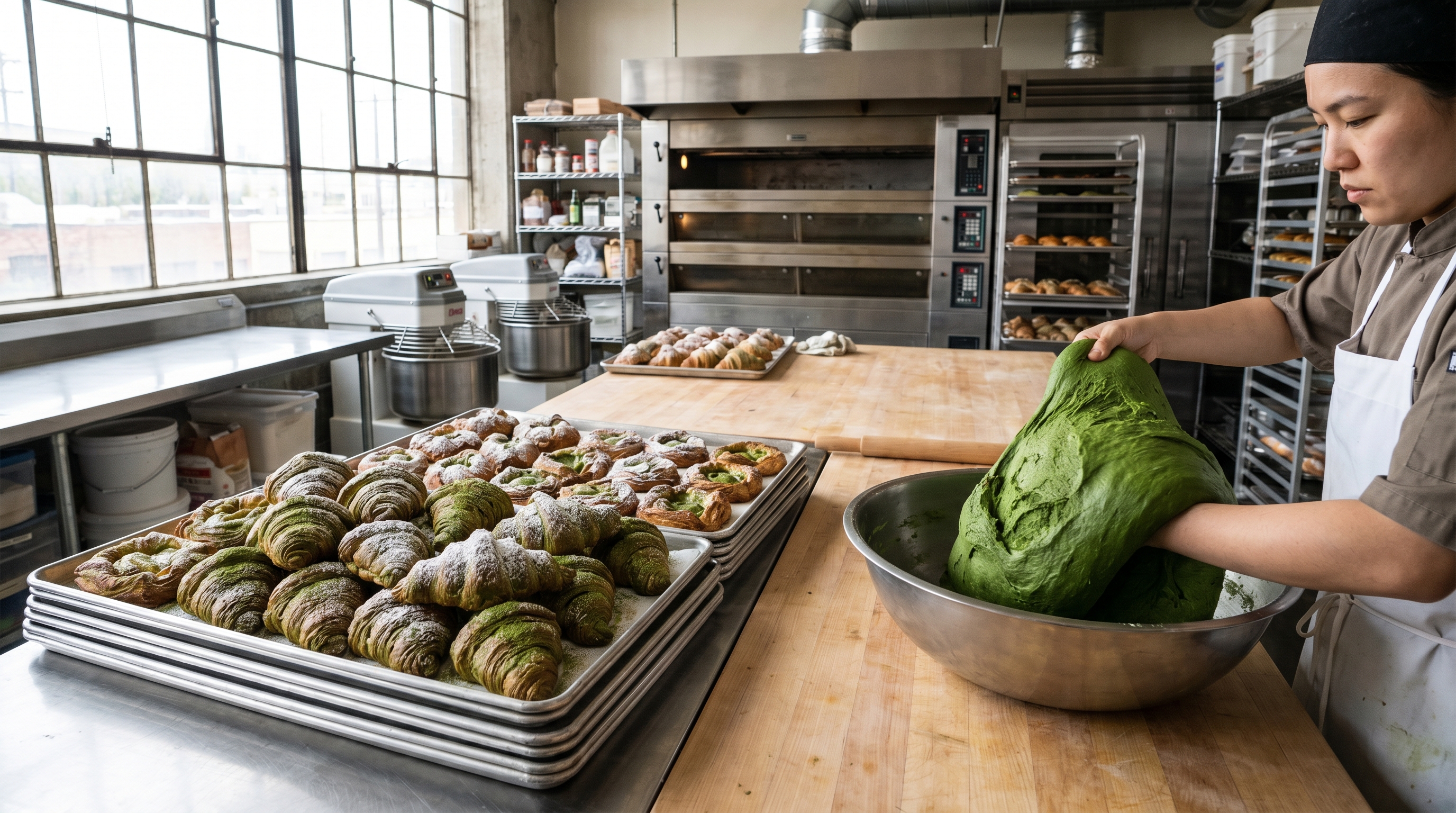
Key Takeaway: Bold culinary grades are preferred for baking to ensure the flavor survives high-temperature processing.
What certifications are required for B2B matcha powder?
Matcha powder destined for international markets requires a suite of safety and organic certifications to pass customs and satisfy retail requirements. Simply put, you cannot scale a brand without the proper paperwork. Ensure your supplier provides JAS Organic, USDA Organic, and Non-GMO verifications, along with lab reports testing for heavy metals and pesticide residues to meet 2026 global safety standards.
Key Takeaway: Certifications are the “trust currency” of the global matcha powder trade.
How do cafes prepare a consistent matcha powder latte?
Matcha powder lattes require a standardized preparation method to ensure that the powder is fully incorporated without clumps. To get started: baristas should sift the powder and whisk it with a small amount of 80°C water to create a “slurry” before adding steamed milk. This ensures a smooth mouthfeel and a visually striking green layer that is essential for social-media-ready beverage programs.
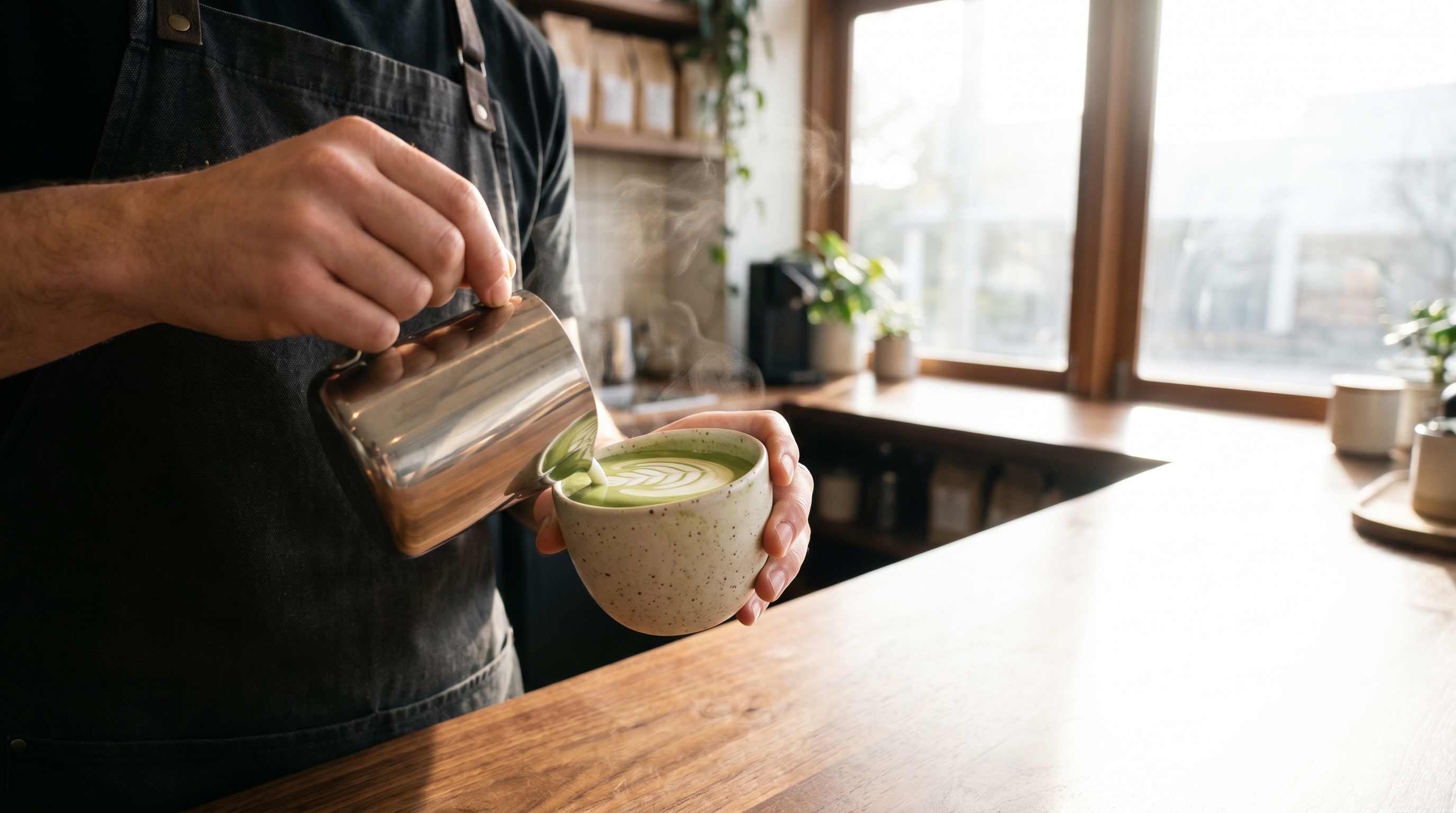
Key Takeaway: Sifting and creating a slurry are the two most important steps for matcha powder beverage consistency.
FAQ: Common Matcha Questions
- What is the shelf life of bulk matcha powder?
- Typically 12 months if stored in original sealed packaging away from light and heat. Once opened, it should be consumed within 1-2 months for peak flavor.
- Can matcha powder be used in cosmetics?
- Yes, its high antioxidant and anti-inflammatory properties make it a popular ingredient for facial masks and skincare formulations.
- Is all matcha powder organic?
- No. While many premium sources are organic, conventional matcha exists. B2B buyers should specifically look for USDA or JAS logos.
- Why is my matcha powder clumping?
- Matcha is naturally hygroscopic (attracts moisture) and has a very fine particle size. Sifting before use is the standard industry solution.
- Does matcha powder contain lead?
- Trace amounts can exist in any tea leaf. Reputable B2B suppliers provide lab-verified reports showing lead levels are well below international safety limits.
Conclusion
For businesses in 2026, matcha powder represents more than just a trend—it is a staple of the functional beverage and health-food industry. From understanding the nuances of the Japanese shading process to selecting the correct grade for your specific formulation, the success of your product depends on the quality of your raw materials. By prioritizing origin, storage, and certified testing, your brand can leverage the vibrant appeal and nutritional density of this “green gold.”
Ready to elevate your product line with premium Japanese ingredients? Contact the AdoroHu Matcha B2B Team today for samples and wholesale pricing.