Maintaining consistency in a high-volume beverage environment is a constant struggle for cafe owners. Dull, brownish matcha ruins your brand aesthetic and results in bitter, unpalatable lattes that drive customers away. You deserve a vibrant, emerald-green solution that scales. AdoroHu Matcha provides the ultimate matcha wholesale partnership, delivering authentic Japanese quality that ensures every cup meets your exacting standards.
To choose the best matcha powder for drinks business, prioritize vibrant green color and rich umami flavor from stone-milled tencha. Verify authentic Japanese origin from regions like Uji or Kagoshima with certifications like JAS Organic and HACCP. Evaluate solubility and cost-per-cup by testing samples in milk-based applications to ensure long-term profitability.
In short: Selecting the right matcha involves balancing grade, origin, and cost for consistent beverage quality.
Key points:
- Source directly from Japan to ensure stone-milling quality and freshness.
- Achieve a 50-cent cost-per-cup for lattes to maintain high margins.
- Prioritize organic certifications to meet the growing consumer health demand.
What defines a high-quality matcha powder for drinks business?
Let’s get right into it. High-quality matcha for commercial use is defined by its vibrant emerald color and high L-theanine content. Pure tencha leaves must be shade-grown for 20-30 days before harvest. This process maximizes the umami profile and minimizes bitterness. A fine, talc-like texture ensures the powder whisks easily into liquids without clumping during a busy rush.
Key Takeaway: Look for a “vibrant green” hue that indicates high chlorophyll and proper processing.
How do different matcha grades affect your beverage’s bottom line?
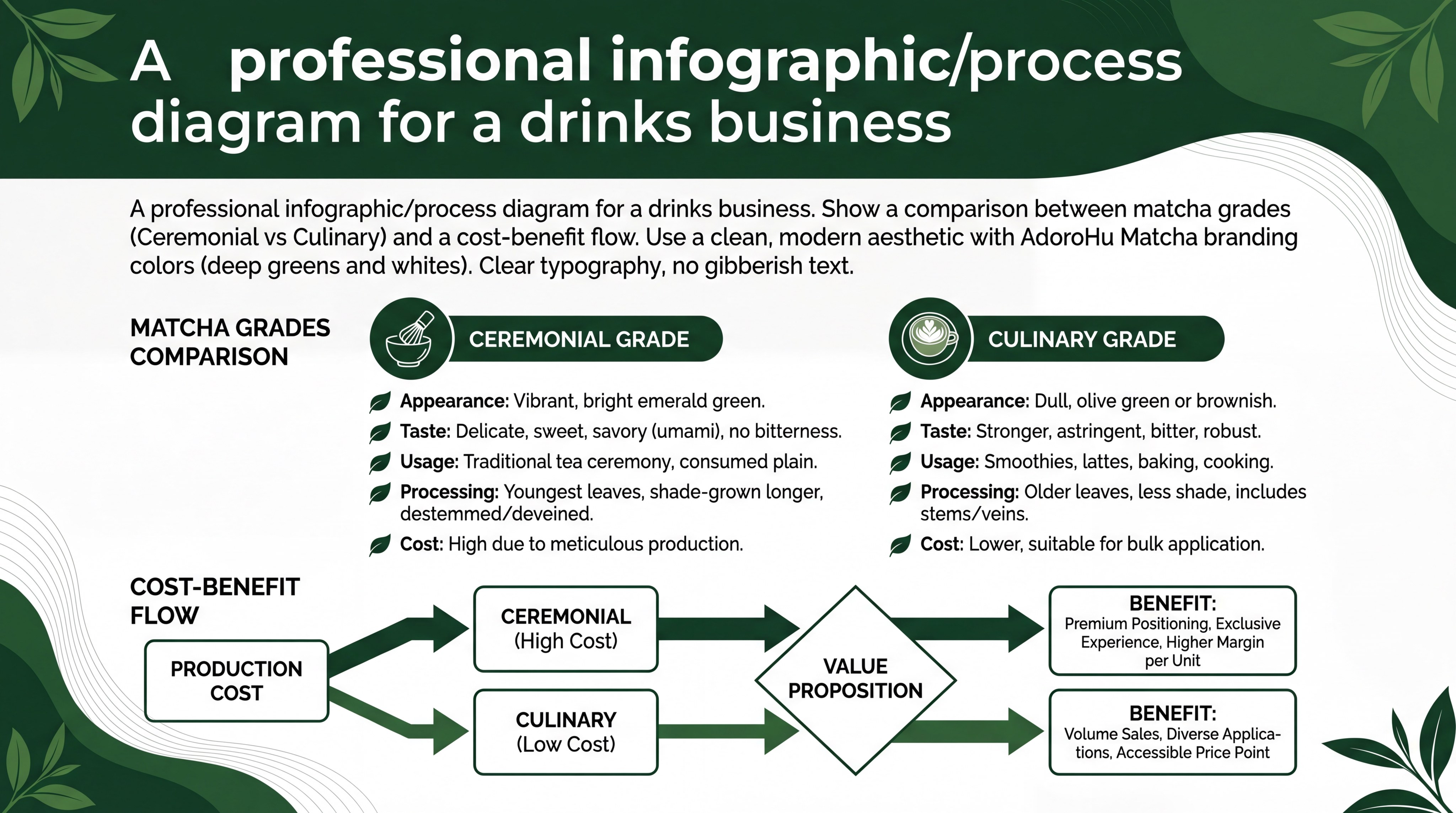
Think about this for a second. Using an expensive Ceremonial grade for a sweetened latte is a waste of your ingredient budget. Conversely, a low-end culinary grade can taste too “fishy” or astringent for your customers. Most successful drinks businesses use a “Barista Grade” that balances robust flavor with cost-effectiveness. Choosing the right grade can save your business 30-50% in annual ingredient costs.
Key Takeaway: Match the matcha grade to your specific recipe to protect your profit margins.
Why is sourcing directly from a Japanese manufacturer essential?
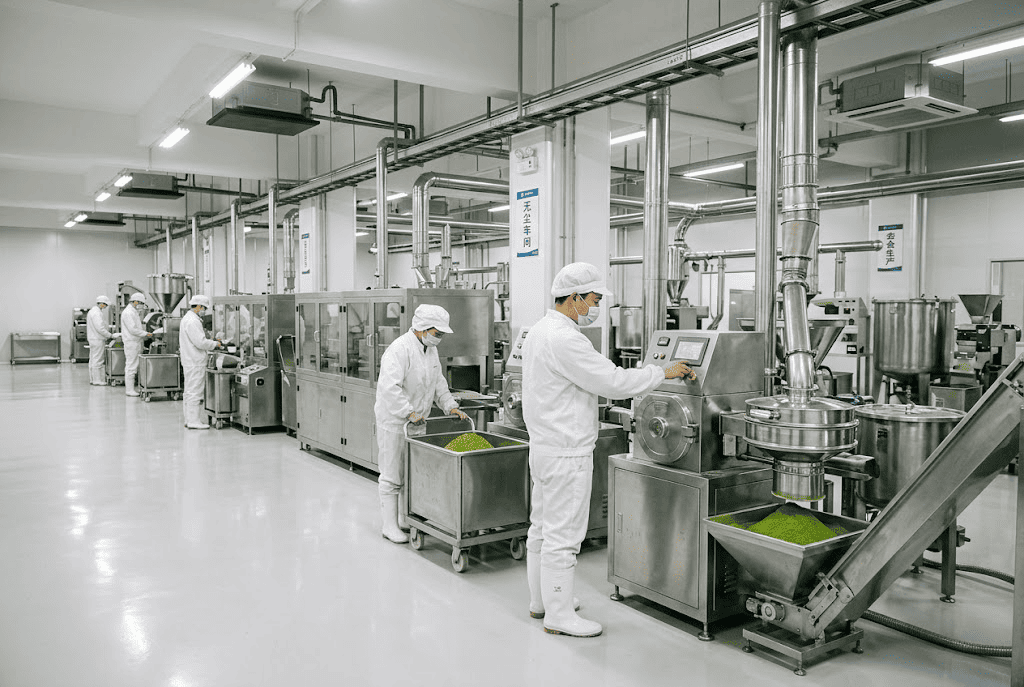
Here is the truth. Many third-party suppliers stock matcha that has sat in warehouses for months, leading to oxidation. Direct sourcing from a Japanese factory ensures the powder is freshly ground via traditional stone-milling. This slow-grinding process prevents heat friction from destroying the delicate flavor and nutrients. Authenticity matters when customers can taste the difference between “freshly milled” and “stale” powder.
Key Takeaway: Direct-from-Japan sourcing guarantees the highest level of product potency and shelf life.
What quality certifications should your bulk matcha supplier hold?
You might be wondering about safety standards. A reputable B2B supplier must provide a Certificate of Analysis (COA) for every batch produced. Look for JAS Organic, USDA Organic, and FSSC 22000 certifications to ensure food safety. Our QC procedures include rigorous testing for heavy metals and radiation to guarantee purity. These documents are vital for your own compliance and health inspections.
Key Takeaway: Third-party certifications prove that your matcha is safe, pure, and ethically produced.
How do you optimize the cost-per-cup for matcha lattes and tea?
But wait, there’s more to the math. A standard 12oz matcha latte typically requires 2 grams of high-quality powder. If your wholesale cost is 120perkg∗∗,yourrawingredientcostisonly∗∗ 0.24 per serving. Even at a premium price of 250 per kg∗∗, your cost stays at∗∗0.50. This allows your business to maintain a gross margin of over 70% on every drink sold.
Key Takeaway: Precise gram-to-liquid ratios are the secret to scaling a profitable beverage menu.
Which beverage applications are driving the matcha market today?
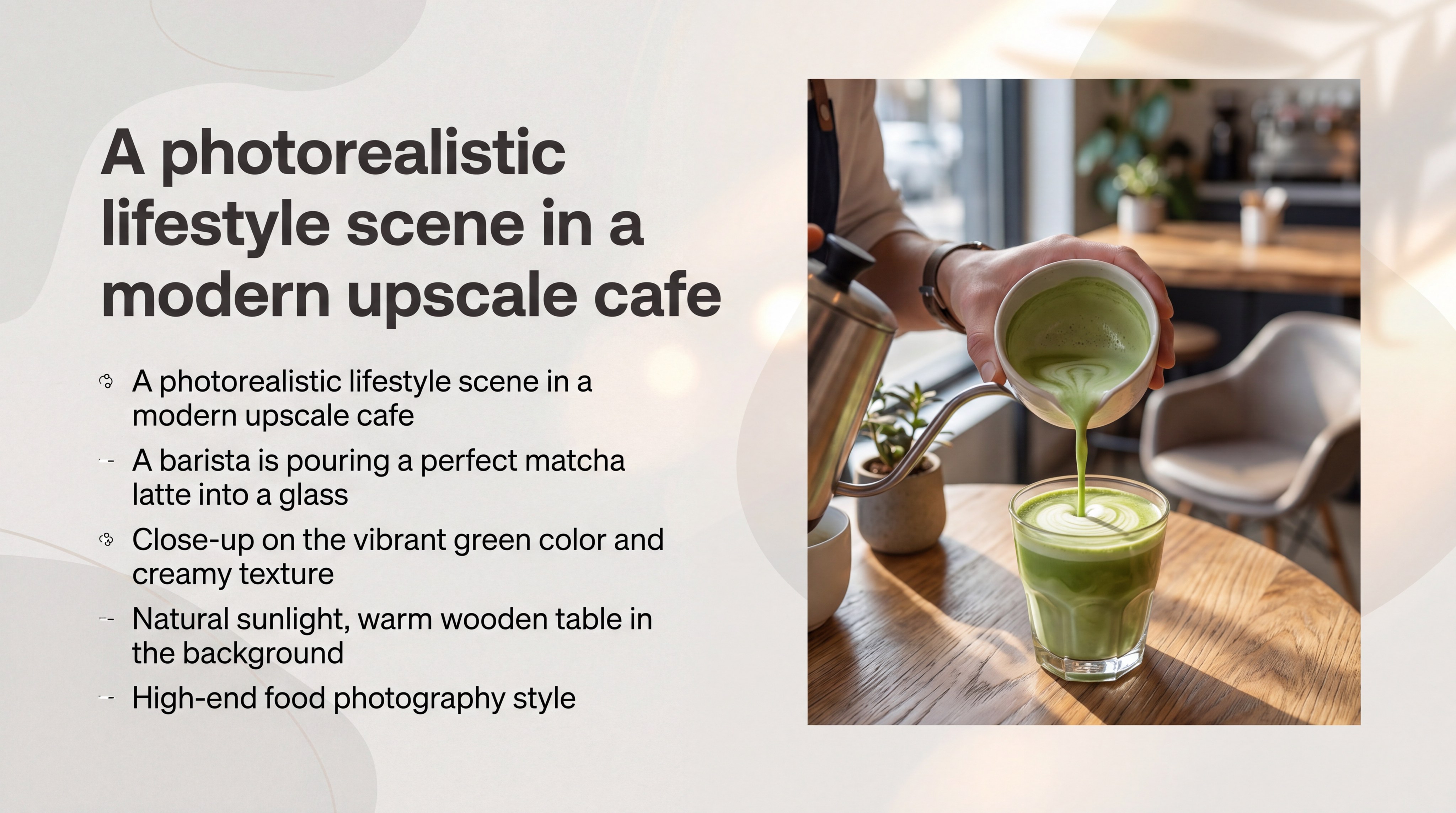
It gets even better. Matcha is no longer just for hot tea; it is a versatile ingredient for modern menus. Cold-brew matcha, nitro-infused lattes, and matcha-collagen smoothies are high-ticket items. Using a specialized matcha for latte ensures the flavor profile cuts through oat milk and sweeteners. This versatility helps you capture different segments of the health-conscious market.
Key Takeaway: Diversifying your matcha applications increases the average transaction value of your shop.
How can private label matcha manufacturing scale your brand?
The best part? You don’t have to sell another company’s brand. With matcha private label services, you can package premium Japanese powder under your own cafe’s logo. This builds brand loyalty and creates a “retail-ready” product for customers to take home. It transforms your drink business into a lifestyle brand with multiple revenue streams.
Key Takeaway: Private labeling is the fastest way to build equity in your own beverage company.
What are the logistical challenges of importing bulk matcha powder?
Let’s be honest about the logistics. Matcha is highly sensitive to light, heat, and oxygen. We ship in vacuum-sealed 1kg or 5kg bags to preserve the delicate L-theanine and color. Our standard MOQ is 5kg, with lead times averaging 7-14 days via air freight. Planning your inventory 4 weeks in advance ensures you never run out during peak summer months.
Key Takeaway: Reliable logistics and moisture-proof packaging are critical for maintaining ingredient quality.
Why is organic matcha powder becoming the industry standard?
And that’s not all. Modern B2B buyers and consumers are increasingly scrutinizing labels. Sourcing organic matcha powder tells your customers that you care about their wellness. Organic farming avoids synthetic pesticides, resulting in a cleaner, more natural taste. This “clean label” status allows you to justify a 15-20% premium on your menu prices.
Key Takeaway: Going organic is a strategic move to align with the premium health and wellness trend.
How can you secure a reliable matcha powder wholesale partnership?
Ready to get started? A successful partnership is built on transparency, sampling, and consistent supply. Avoid “one-off” sellers and look for partners who offer dedicated account support. Please contact our team today to request samples or discuss a custom procurement schedule. We provide the stability you need to grow your beverage empire with confidence.
Key Takeaway: A long-term B2B partner ensures your flavor profile remains identical across all locations.
- What is the minimum order quantity (MOQ) for wholesale?
- Our standard MOQ for bulk matcha is 5kg.
- We offer smaller sample kits for initial quality testing.
- How long does matcha powder stay fresh in a cafe setting?
- Unopened bags last 12-18 months when stored in a cool, dark place.
- Once opened, we recommend using the powder within 4-6 weeks for peak color.
- Is your matcha tested for heavy metals and radiation?
- Yes, every batch undergoes third-party testing in Japan.
- We provide a full Certificate of Analysis (COA) with every order.
- Can you provide custom matcha blends for lattes?
- We offer specialized Barista blends designed for high-volume milk applications.
- Custom formulations are available for private label clients.
- What is the lead time for international shipping?
- Air freight typically takes 7 to 14 days from our factory to your door.
- Tracking is provided for all wholesale shipments.
Partnering with a dedicated Japanese manufacturer is the most effective way to ensure your drinks business thrives. By focusing on quality tencha and efficient logistics, you can deliver a premium experience that keeps customers returning. Contact AdoroHu Matcha today to secure your wholesale supply and elevate your beverage brand.