For many B2B procurement managers and beverage directors, the search for consistent, high-quality matcha often leads to a frustrating cycle of samples that arrive yellow, gritty, or lacking in aroma. Sourcing sub-par matcha doesn’t just result in a poor cup of tea; it actively erodes your brand reputation, leads to customer churn, and shrinks your profit margins as you struggle to mask bitter flavors with excessive sweeteners. AdoroHu Matcha eliminates these risks by providing direct-from-farm Japanese sourcing that guarantees vibrant color, fine texture, and the potent nutritional profile your customers expect. As a leading wholesale matcha manufacturer , we bridge the gap between traditional Japanese craft and modern commercial scalability.
What are the primary health benefits of matcha powder?
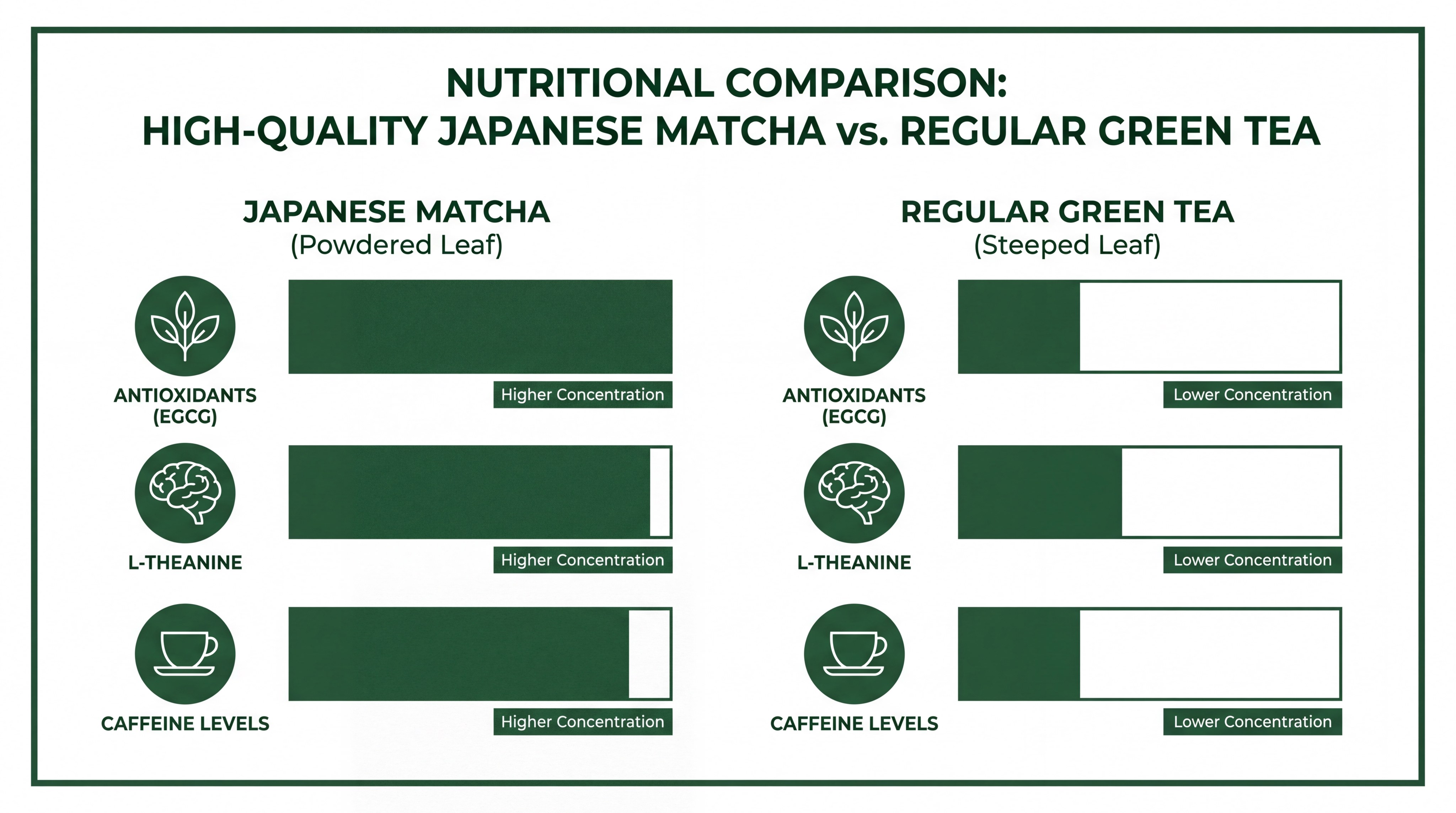
Matcha powder offers a concentrated source of antioxidants (EGCG), L-theanine for sustained focus, and natural detoxifying chlorophyll. These compounds provide a 3-6 hour window of calm energy without the jitters associated with coffee, while supporting metabolic health and immune function.
In short:
- Nutritional Superiority: Contains up to 137x more antioxidants than traditional steeped green tea.
- Cognitive Support: High levels of L-theanine promote “relaxed alertness” and productivity.
- Commercial Versatility: A high-margin ingredient suitable for everything from ceremonial tea to industrial food manufacturing.
What exactly are the primary health benefits of matcha powder for consumers?
The global surge in matcha consumption is driven by its status as a functional “superfood.” Unlike regular green tea where the leaves are steeped and discarded, matcha involves consuming the entire leaf in powdered form. This results in a massive intake of catechins, specifically EGCG (epigallocatechin gallate), which is known for its ability to fight oxidative stress.
For the average consumer, this translates to improved skin health, a boosted metabolism, and a strengthened immune system. Furthermore, the presence of 30-40mg of caffeine per serving is balanced by L-theanine, an amino acid that crosses the blood-brain barrier to increase alpha-wave activity. This unique combination prevents the “caffeine crash,” making it a favorite for health-conscious professionals and students.
How does the nutritional profile of ceremonial grade compare to culinary grade?
In the B2B sector, understanding the distinction between grades is vital for maintaining product integrity. Ceremonial grade matcha is harvested during the first flush (spring), utilizing only the youngest, most tender leaves. This results in a higher concentration of chlorophyll and L-theanine, giving it a naturally sweet, “umami” flavor and a neon-green hue.
Culinary grade, while still nutritionally dense, is harvested later in the season. It contains more robust tannins, which provide a stronger, more astringent flavor profile necessary to stand up against other ingredients like flour or sugar in baking. While both offer significant antioxidants, ceremonial grade is the gold standard for whisked tea and premium lattes where the flavor of the tea is the hero.
What should B2B buyers look for when selecting a wholesale matcha supplier?
A reliable supplier is more than just a vendor; they are a partner in your supply chain stability. Buyers must prioritize transparency in sourcing. Look for suppliers that can provide a “Certificate of Analysis” (CoA) for every batch, detailing microbial counts and heavy metal testing.
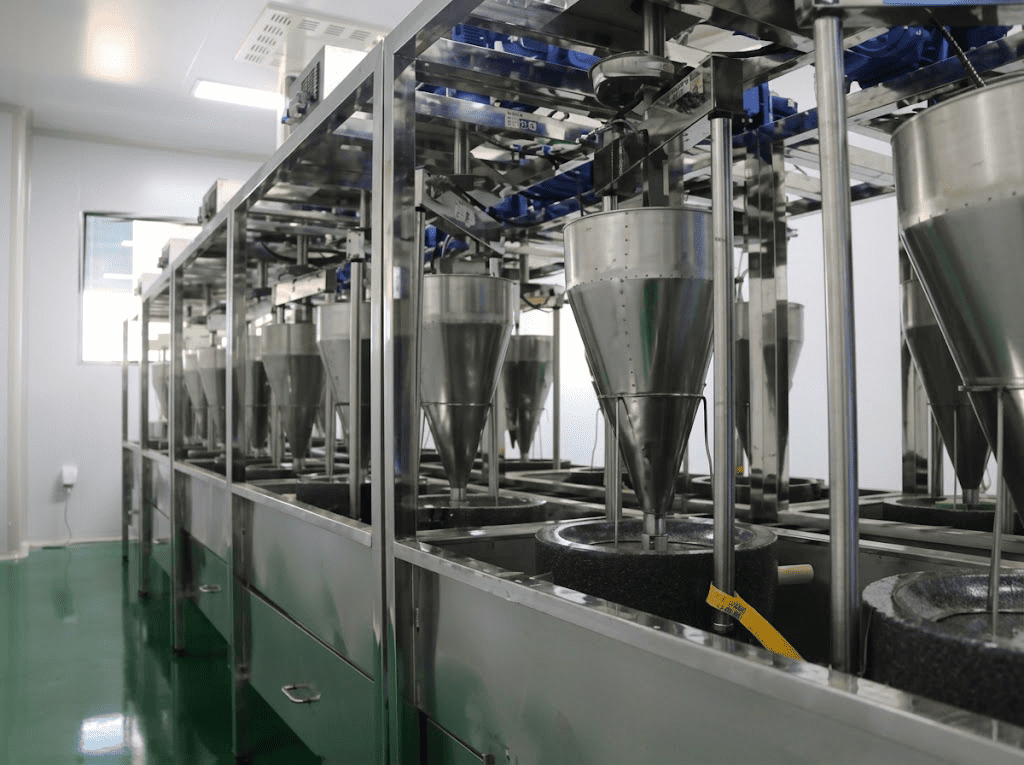
Color is the first indicator of quality; it should be a vibrant, electric green, not a dull olive or brown. Texture is equally critical; premium matcha is stone-ground to a particle size of roughly 5-10 microns, ensuring it dissolves effortlessly without leaving a sandy residue at the bottom of the cup.
How do different sourcing regions affect the cost and quality of matcha?
The geography of the tea garden, or terroir, is the primary factor in a tea’s flavor profile. Uji and Nishio are the most prestigious regions in Japan for matcha production. Uji is renowned for its historical significance and high-altitude gardens that produce deep umami flavors, while Nishio is famous for its massive output of high-quality culinary and bulk matcha .
Lower-cost matcha often originates from regions with less stringent shading practices or from outside Japan entirely. These products usually lack the high L-theanine content found in Japanese-grown tea, leading to a bitter taste that requires more processing and additives to be palatable for the end consumer.
Which industry certifications ensure the highest quality standards for organic matcha?
For brands targeting the “Clean Label” demographic, certifications are non-negotiable. B2B buyers should look for the USDA Organic and JAS (Japanese Agricultural Standard) seals. These certifications guarantee that the tea was grown without synthetic pesticides or fertilizers, which is particularly important for matcha since the entire leaf is consumed.
Additionally, look for facilities that are FSSC 22000 or HACCP certified. These international food safety standards ensure that the matcha is processed in a sterile environment, mitigating risks of cross-contamination during the milling and packaging phases.
How can food manufacturers utilize matcha in large-scale beverage applications?
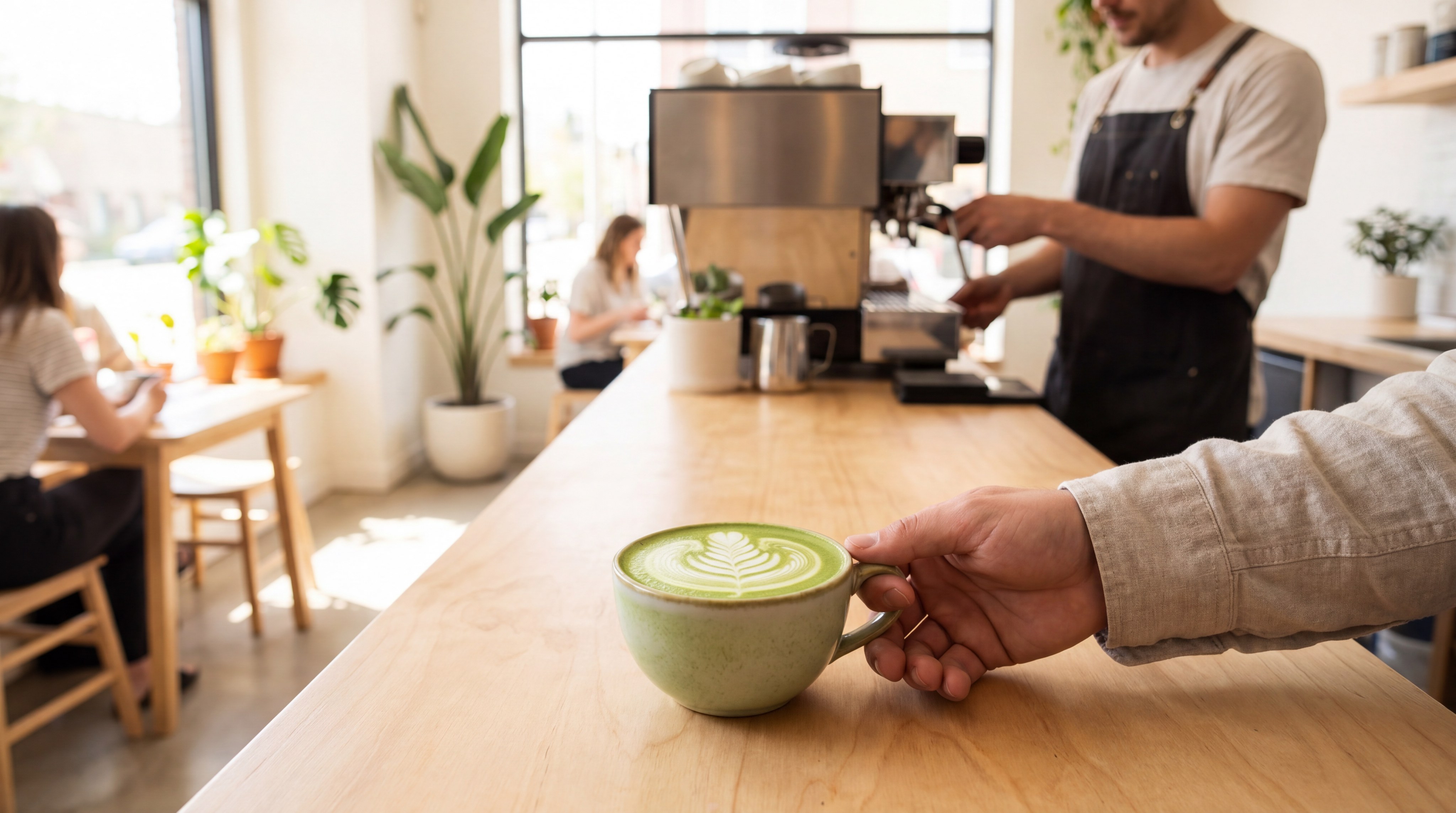
In large-scale manufacturing, matcha is prized for its natural pigment and functional benefits. For companies developing matcha lattes or RTD beverages , the challenge lies in maintaining color stability and preventing sedimentation. Using a high-quality, micro-milled powder ensures a smoother suspension.
Matcha’s versatility allows it to be used in:
- Energy Drinks: As a natural source of sustained caffeine.
- Dairy and Non-Dairy Lattes: Pairing exceptionally well with oat and almond milks.
- Functional Shots: Concentrated doses of EGCG for wellness-focused product lines.
What are the private label options for brands entering the matcha market?
Entering the matcha market doesn’t require owning a tea plantation. Private label matcha services allow businesses to leverage existing high-quality supply chains while building their own brand equity.
This model offers several advantages:
- Custom Packaging: Options ranging from retail tins to single-serve sachets.
- Formulation Support: Creating unique blends, such as matcha with collagen or functional mushrooms.
- Speed to Market: Utilizing pre-certified, high-quality Japanese stock to launch products in weeks rather than months.
What logistics and MOQ factors impact importing bulk matcha from Japan?
Importing organic matcha directly from Japan involves navigating shipping lead times and Minimum Order Quantities (MOQs). Typically, bulk air freight is used for smaller, high-value shipments to preserve freshness, while sea freight is more cost-effective for multi-ton orders.
MOQs can range from 10kg to 100kg depending on the grade and packaging requirements. Buyers must also account for the “landed cost,” which includes customs duties, brokerage fees, and climate-controlled storage to prevent oxidation.
Why is the global demand for matcha powder currently surging in the wellness sector?
The wellness sector is moving away from synthetic stimulants and toward “whole food” solutions. Matcha fits this niche perfectly. It is a zero-calorie ingredient that supports thermogenesis (fat burning) and provides mental clarity. As consumers become more educated on the benefits of polyphenols, they are swapping their second cup of coffee for matcha to avoid the afternoon energy slump and jitters.
What are the most common mistakes buyers make when sourcing matcha in bulk?
The most frequent error is prioritizing price over color and origin. “Cheap” matcha is almost always oxidized (appearing brown) or contains fillers. Another mistake is underestimating the importance of storage. Matcha is highly sensitive to light, heat, and oxygen.
Buying in too large a quantity without proper climate-controlled facilities leads to a rapid loss of chlorophyll and flavor. B2B buyers should ensure their supplier uses vacuum-sealed, light-proof foil bags and maintains a “just-in-time” inventory system to ensure the powder is as fresh as possible upon arrival.
Table 1: Matcha Grade Comparison for B2B Purchasing
| Grade | Primary Use | Flavor Profile | Visual Appearance | ROI Potential | |
|---|---|---|---|---|---|
| Ceremonial | Traditional Tea, High-End Lattes | Umami, Sweet, Creamy | Electric Green | High (Premium Pricing) | |
| Premium Culinary | Lattes, Smoothies, Chocolates | Balanced, Slight Astringency | Bright Green | Medium-High (Volume) | |
| Standard Culinary | Baking, Ice Cream, Blends | Bold, Grassy, Astringent | Olive Green | Medium (Cost Savings) | |
| Industrial | Supplements, Mass Extracts | Bitter, Strong | Yellow-Green | Low (Commodity) |
Table 2: Nutrient Density Comparison (Per 1g Serving)
| Nutrient | Matcha Powder | Steeped Green Tea | Benefit | |
|---|---|---|---|---|
| Total Catechins | ~105 mg | ~7 mg | Antioxidant Protection | |
| EGCG | ~61 mg | ~4 mg | Metabolism & Heart Health | |
| L-Theanine | ~19 mg | ~2 mg | Cognitive Focus & Calm | |
| Caffeine | ~35 mg | ~12 mg | Sustained Energy |
FAQ
- How should bulk matcha be stored to maintain its benefits?
- Matcha should be kept in airtight, opaque containers in a cool, dark environment. For long-term B2B storage, refrigeration or freezing is recommended to prevent oxidation of the chlorophyll.
- Is all Japanese matcha considered “Ceremonial”?
- No. Japan produces all grades, from mass-market industrial powders to competition-grade ceremonial teas. The “Ceremonial” label refers to the harvest timing and leaf quality, not the country of origin alone.
- Why is matcha more expensive than regular green tea?
- The price reflects the labor-intensive process: 20-30 days of shading before harvest, hand-picking (for top grades), and slow stone-grinding (which takes about 1 hour to produce 30g of powder).
- Does matcha contain lead or heavy metals?
- Tea plants naturally absorb minerals from the soil. This is why sourcing from reputable Japanese regions with strict environmental regulations and requesting third-party lab tests is essential for B2B safety.
- What is the shelf life of wholesale matcha?
- Unopened, vacuum-sealed matcha typically has a shelf life of 12 to 18 months. Once opened, it should be consumed within 1 to 2 months for peak flavor and nutritional potency.
Conclusion
The benefits of matcha powder extend far beyond a trend; they represent a fundamental shift in consumer preferences toward functional, high-quality ingredients. For businesses, the key to capturing this market lies in consistent quality and authentic Japanese sourcing. Whether you are launching a private label brand or looking to optimize your cafe’s beverage menu, AdoroHu Matcha provides the expertise and scale necessary to succeed.
Ready to elevate your product line with premium Japanese matcha? Contact AdoroHu Matcha today for wholesale pricing and samples tailored to your business needs.