For many new consumers, the first experience with matcha is often disappointing. They expect a vibrant, sweet superfood but instead encounter a bitter, brownish powder that tastes like grass. This poor initial experience is a primary driver of customer churn for tea brands and cafes. When a beginner’s first cup is unpleasant, they rarely return to the category. To capture this growing market, B2B buyers must prioritize sourcing that eliminates bitterness through expert cultivation. AdoroHu Matcha provides the matcha wholesale solutions needed to ensure your customers’ first sip leads to lifelong loyalty.
The best matcha for beginners is a high-quality ceremonial grade sourced from first-flush tencha, offering a vibrant green color and smooth umami taste without bitterness. For B2B buyers, selecting a reliable Japanese supplier ensures consistent flavor profiles essential for customer retention in the health and wellness market.
In short:
- Flavor: Naturally sweet with “umami” notes and zero astringency.
- Color: Vibrant, electric green indicating high chlorophyll and L-theanine levels.
- Sourcing: Originating from shaded Japanese tea fields and processed via traditional stone-milling.
What defines the best matcha for beginners?
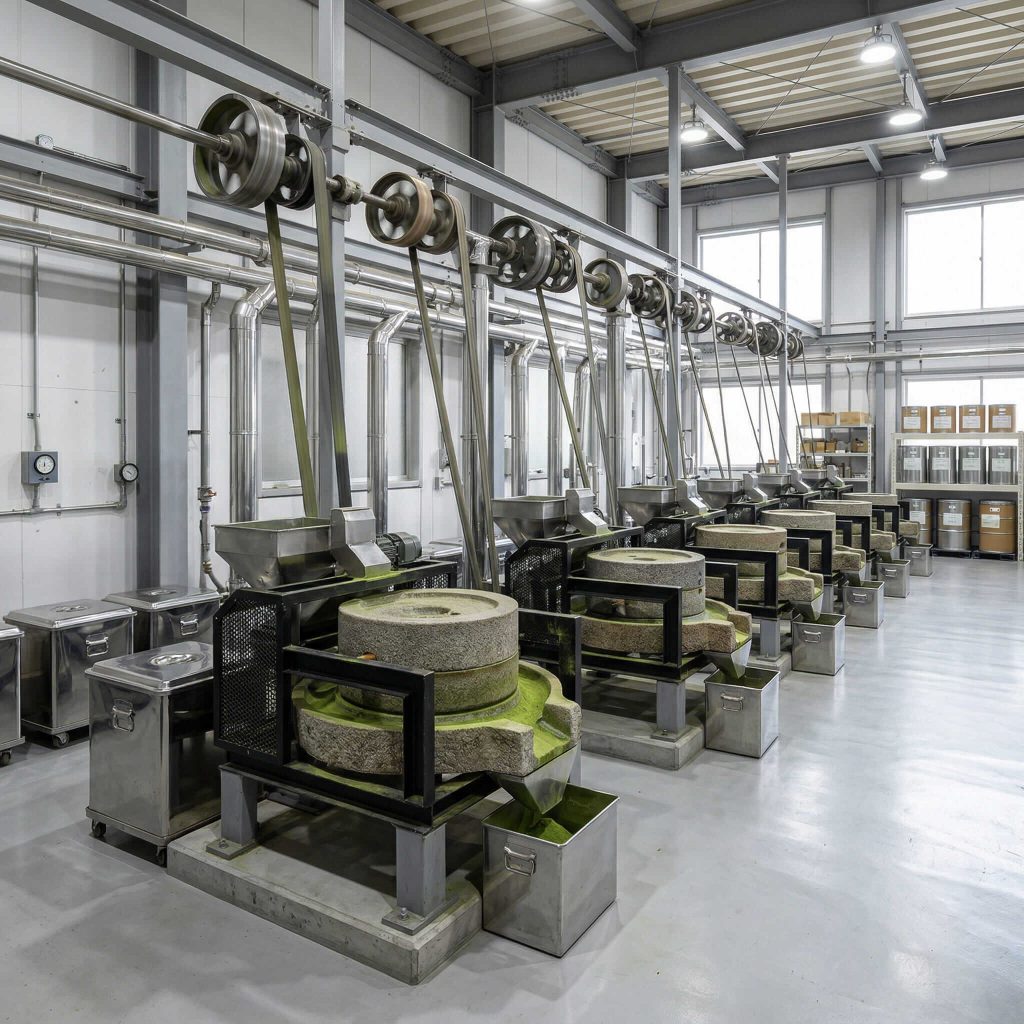
The ideal beginner’s matcha must balance accessible flavor with high nutritional density. Quality starts with shading the tea plants for 20-30 days before harvest. This process boosts chlorophyll and L-theanine, the amino acid responsible for sweetness. Without proper shading, the tea develops high catechin levels, leading to intense bitterness. Furthermore, the tencha (de-veined leaves) must undergo slow stone-milling or granite-milling. This prevents heat friction from burning the delicate powder, preserving the fresh, vegetal aroma that beginners find most appealing.
Why is ceremonial grade the best matcha for beginners?
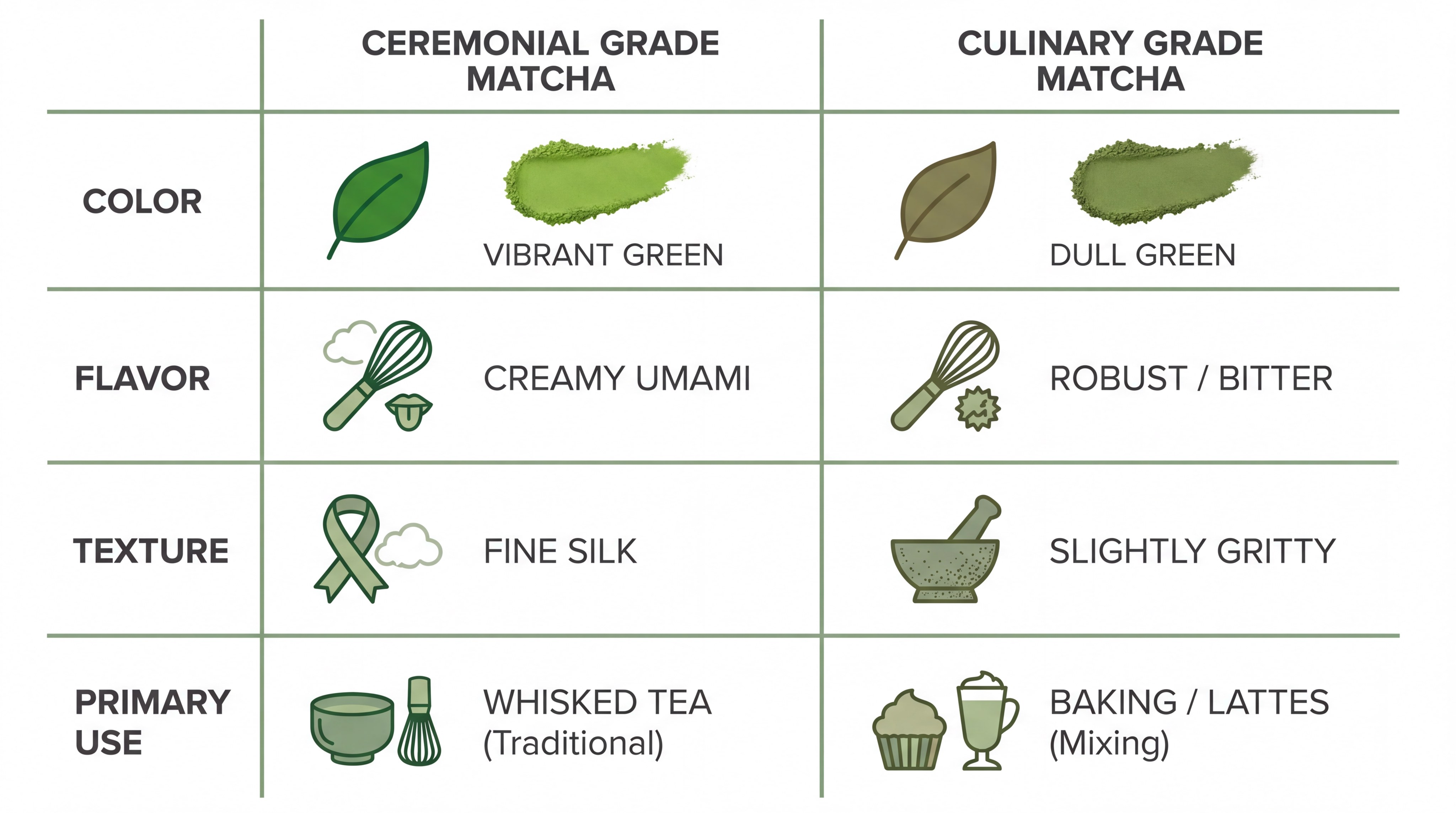
Ceremonial grade represents the pinnacle of tea production, utilizing only first-flush leaves. These “spring harvest” leaves are the youngest and most tender, containing the highest concentration of nutrients. Regions like Nishio and Uji are world-renowned for producing this grade with a deep umami profile. Unlike lower grades, ceremonial matcha dissolves into a smooth, creamy texture. This makes it easy for beginners to prepare at home using a traditional whisk or a simple frother without fearing a grainy mouthfeel.
How do you identify the best matcha for beginners by its color?
Color is the most immediate indicator of matcha quality. The best matcha for beginners should be a “neon” or electric green. This brightness signifies that the leaves were harvested at the right time and protected from oxidation. If the powder appears olive, yellowish, or brownish, it indicates older leaves (second or third harvest) or poor storage. For a B2B distributor, providing a visually stunning product is the first step in building consumer trust, as color directly correlates to the lack of bitterness in the final cup.
Where should B2B distributors source the best matcha for beginners?
Sourcing directly from Japanese farms is critical to maintaining freshness and price stability. AdoroHu Matcha utilizes a direct-from-farm model that bypasses multiple middlemen, ensuring maximum traceability. In a market where supply chains are often opaque, we offer a competitive 2-week lead time for wholesale orders. This speed ensures that the product reaching your warehouse is as fresh as the day it was milled. Direct sourcing also allows for better quality control over the specific cultivars used in your blend.
What are the pricing benchmarks for the best matcha for beginners?
In 2026, wholesale pricing for the best matcha for beginners typically falls between $120/kg and $150/kg for ceremonial grades. First-harvest leaves command a premium due to limited supply and labor-intensive shading. Conversely, second-harvest or culinary grades are priced significantly lower, often around $35/kg to $60/kg. However, using these lower-priced options for beginner tea products is a common sourcing error. The increased bitterness of late-harvest tea can damage your brand’s reputation and reduce repeat purchase rates.
Which certifications confirm the best matcha for beginners?
Global compliance is essential for B2B importers targeting the health-conscious beginner segment. Look for suppliers who hold USDA Organic, EU Organic, and JAS (Japanese Agricultural Standard) certifications. These labels guarantee that the matcha is free from synthetic pesticides and chemical fertilizers. At AdoroHu, our organic matcha powder undergoes rigorous lab testing to ensure safety and purity. Certifications provide the “Information Gain” your customers need to justify a premium price point for a superior product.
Can the best matcha for beginners be used in latte applications?
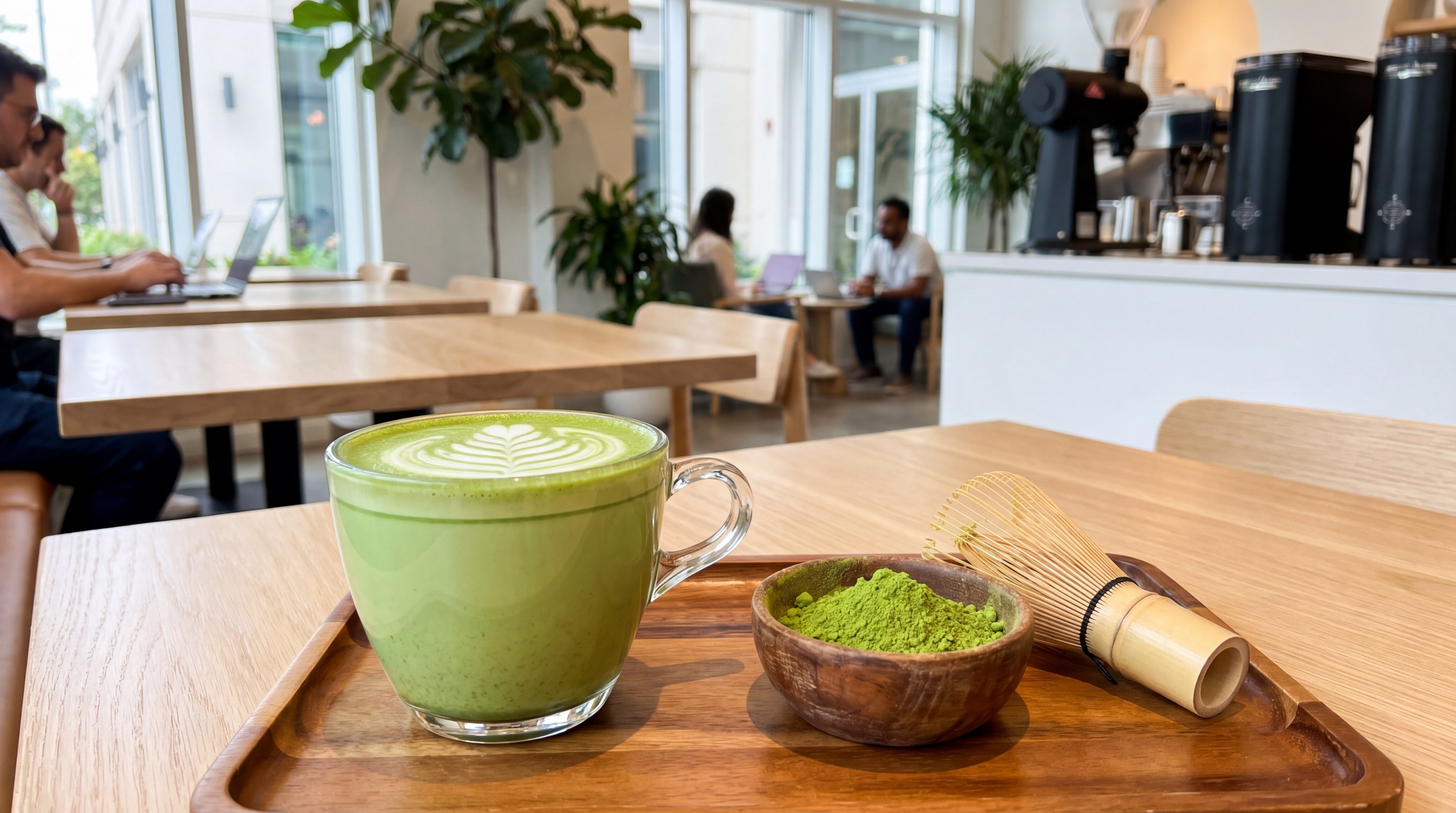
Yes, but the grade must be chosen strategically. While pure ceremonial is best for water-only preparation, many beginners prefer a matcha for latte to ease into the flavor. For these applications, a “Barista” or “Premium” grade is often the ROI sweet spot. These grades possess a slightly more robust profile that can cut through milk and sweeteners without being overwhelmed. This ensures the signature green color and tea flavor remain prominent in the final beverage.
What are the private label options for the best matcha for beginners?
Building a unique brand identity is simple with a reliable matcha private label partner. AdoroHu Matcha supports growing brands with a low MOQ of just 500 units for customized packaging. We provide various options, including nitrogen-flushed tins, compostable pouches, and convenient single-serve stick packs. This flexibility allows importers to launch a “Beginner’s Collection” without the risk of massive overhead. Custom packaging also ensures the powder remains airtight and light-proof, preserving its delicate quality.
What common sourcing errors impact the search for the best matcha for beginners?
The most frequent mistake is prioritizing the “Ceremonial” label over technical specifications. Since “Ceremonial” is not a legally regulated term, some suppliers label low-quality, yellowish powder as premium. Buyers should instead request a Certificate of Analysis (COA) to check for L-theanine content and particle size. Another error is neglecting packaging; matcha stored in transparent bags or non-vacuum-sealed containers will oxidize rapidly. Always verify the harvest date to ensure your beginners are receiving a fresh, vibrant product.
How will the demand for the best matcha for beginners evolve in 2026?
The 2026 market is shifting toward functional purity and single-origin transparency. Beginners are becoming more educated and are moving away from sugary pre-mixes toward “clean label” pure matcha. We expect a surge in demand for regional specificities, where consumers seek out matcha from Kagoshima or Kyoto for their unique flavor profiles. As climate fluctuations impact harvests, B2B buyers who secure long-term contracts with reliable Japanese partners will have a significant competitive advantage in maintaining consistent quality.
Frequently Asked Questions
- What is the best way for a beginner to prepare matcha?
- Start by sifting 1.5g of ceremonial matcha into a bowl.
- Add 2oz of hot water (not boiling, roughly 80°C/175°F).
- Whisk in a “W” motion until a thick froth forms.
- Does organic matcha taste different than non-organic?
- Organic matcha can sometimes be slightly more “earthy.”
- However, modern Japanese organic farming has closed the flavor gap significantly.
- How long does wholesale matcha stay fresh?
- Properly sealed, nitrogen-flushed matcha lasts 12-18 months.
- Once opened, it should be consumed within 1-2 months for peak flavor.
- Is Japanese matcha always better than Chinese matcha?
- Japan is the gold standard for traditional processing and “umami” flavor.
- Some high-grade Chinese matcha is improving, but Japanese origin remains preferred by 90% of premium B2B buyers.
- Why is the price of matcha increasing in 2026?
- Increased global demand and climate-related harvest shifts in Kyoto have raised raw material costs.
- Investing in quality now secures your supply chain against future volatility.
Conclusion
Finding the best matcha for beginners requires a focus on first-flush sourcing, vibrant color, and sweet umami flavor. By avoiding common sourcing pitfalls and prioritizing high-grade ceremonial tencha, B2B buyers can foster a loyal customer base that values quality over low-cost alternatives. Ready to upgrade your product line for 2026? Contact AdoroHu Matcha today for wholesale quotes and samples of our premium Japanese harvests.