The best matcha for baking is a high-quality, shade-grown culinary grade green tea powder that balances robust astringency with vibrant color retention under high-heat processing. Sourcing the wrong grade can ruin your bakery line’s profit margins and visual appeal, as delicate ceremonial powders turn dull yellow under oven heat. High-volume bakeries struggle with color loss, bitter off-flavors, and volatile pricing, leading to inconsistent batches and disappointed wholesale clients. Sourcing high-performance wholesale culinary matcha from a certified Japanese manufacturer ensures color stability, strong flavor profiles, and highly competitive margins.
The best matcha for baking is high-quality culinary grade matcha, specifically shade-grown and harvested during the second or third flush to provide a robust, astringent flavor profile that stands up to heat, fats, and sugars. Selecting a bright green, finely milled powder from reputable Japanese prefectures ensures your pastries retain their vibrant color and characteristic green tea flavor post-baking.
In short: Choosing the right ingredient-grade powder is essential for maximizing profitability and product quality in commercial bakeries.
Key points:
- Premium culinary grade matcha withstands high oven temperatures far better than delicate drinking teas.
- Consistent shade-growing preserves high chlorophyll content, which is vital for preventing post-baking color degradation.
- Reliable wholesale partners provide pesticide and heavy-metal testing documentation to protect brand integrity.
What defines the best matcha for baking in commercial food manufacturing?
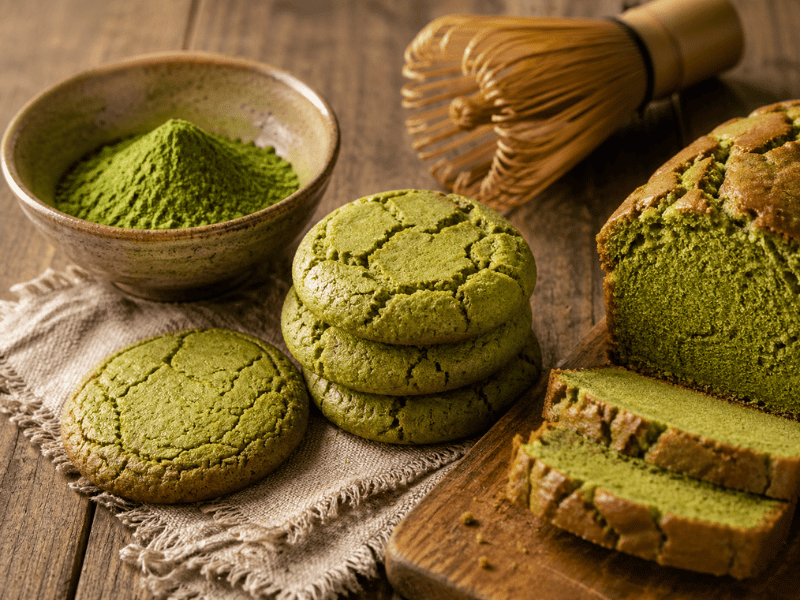
The best matcha for baking in commercial food manufacturing is characterized by a deep green color and intense flavor profile that survives high-heat processing. When evaluating the best matcha for baking, food production facilities must prioritize stability. High-quality culinary grade leaves possess high levels of chlorophyll and active catechins. These compounds ensure the final product retains its green appeal and signature earthiness. Unlike delicate L-theanine, which is highly heat-sensitive, these bold nutrients stand up to heavy baking fats and sugars. Traditional stone-milled manufacturing ensures a fine mesh size for smooth, lump-free integration into dry bakery mixes.
Key Takeaway: The best baking matcha requires a resilient chemical composition of chlorophyll and catechins to survive commercial ovens.
Why is culinary grade typically the best matcha for baking instead of ceremonial?
Culinary grade matcha is typically the best option for baking because its assertive, astringent flavor cuts through fats and sweeteners that would otherwise mask a delicate tea profile. High-volume bakeries often waste capital trying to use ceremonial grade tea. The subtle, sweet notes of first-flush leaves are entirely lost under oven heat and sugar. Conversely, baking matcha relies on second or third-harvest leaves. This harvest timing produces a strong taste profile with balanced bitterness and rich polyphenols. The robust infusion of this powder makes it the perfect choice for cookies, cakes, and frostings.
Key Takeaway: Sourcing culinary grade tea instead of high-end drinking tea maximizes both flavor impact and production profitability.
Table 1: Comparing Matcha Grades for Commercial Production
| Metric | Ceremonial Grade | Culinary Grade | |
|---|---|---|---|
| Primary Harvest | First flush (Spring) | Second / Third flush (Summer) | |
| Flavor Intensity | Subtle, sweet umami | Bold, robust, astringent | |
| Heat Stability | Low (turns yellow/grey) | High (retains rich green color) | |
| Fat Compatibility | Poor (easily masked) | Excellent (cuts through butter/dairy) | |
| Price Range | Extremely high | Cost-effective for bulk |
How do key quality factors determine the best matcha for baking color and flavor?
Key quality factors like shade duration, milling speed, and packaging determine the color and flavor profile of the best matcha for baking. Shading bushes before harvest forces the Tencha plant to produce massive amounts of chlorophyll a and chlorophyll b. If the milling process is too fast, frictional heat will trigger rapid oxidation. This turns the bright green tea powder into a dull brown hue. Proper sealing in nitrogen-flushed packaging is also critical. It keeps moisture content low and stops premature degradation during shipping and storage.
Key Takeaway: Maintaining strict controls over shade-growing and stone-milling prevents oxidative damage and flavor loss in your ingredients.
What are the different sub-grades of culinary matcha used by professional bakeries?
Professional bakeries use several sub-grades of culinary matcha, including premium culinary, cafe, and ingredient sub-grades, depending on their budget and application. Identifying the best matcha for baking requires understanding these distinct categories. Premium culinary or latte-grade is ideal for light baking like macaron shells or delicate glazes. Cafe grade excels in a typical matcha latte or dense sponge cake. Meanwhile, standard ingredient grade is the strongest option, perfect for ice cream, biscuit dough, and fillings.
Key Takeaway: Selecting the specific sub-grade for your product formulation optimizes both sensory appeal and ingredient cost.
Table 2: Culinary Matcha Sub-Grades and Applications
| Culinary Sub-Grade | Key Characteristics | Best Culinary Application | |
|---|---|---|---|
| Premium / Cafe | Vibrant green, medium astringency | matcha latte , macarons, custards | |
| Ingredient | Robust green, strong grassy notes | Cakes, cookies, | |
| Classic / Kitchen | Deep green, pronounced bitterness | Ice cream, mass-produced |
How does the cultivation process influence the performance of the best matcha for baking?
The cultivation process influences the best matcha for baking by altering the leaf’s physical and chemical composition during the growth cycle. True Japanese Tencha is grown under shade screens for up to four weeks. This blocks solar radiation and forces the Camellia sinensis plant to maximize chlorophyll production through nitrogen assimilation. For culinary uses, utilizing leaves from the second-flush provides a more robust amino acids balance. These leaves are less sweet but contain more active metabolites. This specific chemical shift ensures the powder remains aromatic and flavorful after baking.
Key Takeaway: Shade-grown, later-flush cultivation creates a heat-resistant powder with a strong, bake-stable taste.
What are the wholesale pricing and MOQ benchmarks for sourcing the best matcha for baking?
Wholesale benchmarks for sourcing the best matcha for baking require a minimum order quantity (MOQ) of 100 kilograms with prices ranging from
10to
22 per kilogram. At AdoroHu Matcha, we optimize your supply chain with a standard MOQ of 100 kilograms. Our rapid lead times of just 15 days ensure fresh, highly active powder arrives when you need it. Sourcing wholesale matcha at these volume tiers yields significant freight savings. It protects your manufacturing margins from inflation and volatile retail markups.
Key Takeaway: Sourcing bulk matcha directly with a 15-day lead time guarantees fresh ingredients and competitive pricing.
Table 3: AdoroHu Matcha Sourcing Benchmarks
| Parameter | Specification / Benchmark | |
|---|---|---|
| Minimum Order Quantity (MOQ) | 100 Kilograms | |
| Wholesale Price Range | 10–22 per kg (based on volume) | |
| Lead Time | 15 Days | |
| Country of Origin | 100% Japanese Tencha |
Why is USDA organic certification crucial for the best matcha for baking in bulk?
USDA organic certification is crucial for bulk baking matcha to guarantee that the ingredient meets global food safety standards and is free from chemical residues. Commercial buyers sourcing the best matcha for baking must satisfy strict regulatory compliance. Standard non-organic fields may use chemical fertilizers that alter the soil chemistry. A certified organic certification provides proof of clean agricultural practices. It ensures that every metric ton of powder contains zero synthetic pesticides or harmful heavy metals. This protects your brand reputation and supports a highly marketable clean-label status.
Key Takeaway: Sourcing organic-certified green tea powder protects your facility from heavy metal contamination and regulatory recalls.
How do private label brands develop custom formulations with the best matcha for baking?
Private label brands develop custom formulations by collaborating with manufacturers to create proprietary blends of different tea cultivars and leaf flushes. When customizing the best matcha for baking, professional brands choose specific color and taste profiles. Our private label department handles custom blending to match your exact application. We offer advanced packaging options like vacuum-sealed bags and nitrogen flushing to extend shelf life. This tailored process ensures your branded line stands out in a crowded consumer marketplace.
Key Takeaway: Custom OEM formulations allow brands to design unique, high-performance matcha products tailored for specific bakery applications.
What are the common sourcing mistakes when purchasing the best matcha for baking?
The most common sourcing mistakes include buying low-grade dust with high heavy metal counts and failing to run regular microbiological tests. Many food companies searching for the best matcha for baking choose the cheapest tier. This low-cost raw material often suffers from severe color degradation and turns brown in the oven. It can also lack critical testing for Salmonella and E. coli. Reliable B2B matcha suppliers must provide comprehensive lab testing. Always demand a Certificate of Analysis for every batch to prevent costly product recalls.
Key Takeaway: Cutting corners on safety testing or price leads to poor visual appeal and high biological risks.
How do professional kitchens store bulk powder to keep the best matcha for baking fresh?
Professional kitchens keep the best matcha for baking fresh by storing the powder in hermetically sealed, light-proof containers at sub-zero or refrigerated temperatures. Exposure to ambient oxygen and moisture causes rapid green tea oxidation. This biochemical reaction degrades the vibrant green chlorophyll into a dull brown color. Always store your bulk supply away from heat, light, and strong odors. Ensure your kitchen team seals bags tightly after opening to maintain low relative humidity levels.
Key Takeaway: Storing bulk tea in a chilled, airtight environment preserves its color vibrancy and aroma for up to 18 months.
FAQ
- Is culinary matcha lower quality than ceremonial matcha?
- While culinary matcha is made from later-harvest leaves and has a stronger, more astringent flavor, it is not low-quality. It is simply optimized for food and beverage formulations where subtle drinking profiles would be lost.
- How do I prevent my matcha baked goods from turning brown?
- You can protect the green color by keeping baking temperatures under 325°F, using acidic ingredients like lemon juice to stabilize the chlorophyll, or shielding the pastries with foil during the baking cycle.
- Can I use ceremonial matcha for lattes in a high-volume cafe?
- Yes, but using high-quality latte or barista grades is much more cost-effective. These grades provide the necessary flavor punch to cut through milk without the high price tag of ceremonial grades.
- What is the standard shelf life of bulk baking matcha?
- Unopened bulk matcha has a shelf life of approximately 12 to 18 months when stored in a cool, dark, dry environment. Once opened, it should be used within 2 months for peak flavor and color.
- How long does it take to ship a custom wholesale order?
- For standard wholesale orders at AdoroHu Matcha, the lead time is 15 days from order confirmation to dispatch, ensuring freshly ground powder is shipped directly to your facility.
Sourcing the Best Matcha for Baking
Securing a reliable, high-performance matcha ingredient is the single most important decision for your commercial bakery line or food manufacturing facility. Choosing the wrong bulk supply can lead to rapid color loss, unstable flavors, and poor profit margins. Partner with AdoroHu Matcha to access top-tier, shade-grown Japanese matcha optimized for commercial heat performance. Our team provides fast 15-day lead times, low 100kg MOQs, and comprehensive organic certifications to streamline your production.
To secure your manufacturing supply and request test batches for your R&D kitchen, request sample containers or get in touch with our B2B team today.