Sourcing consistent matcha for large-scale smoothie production is a logistical nightmare for many beverage directors. You often find that one batch is vibrant and sweet, while the next is dull and sandy. This inconsistency leads to bitter flavor profiles and poor visual appeal, which eventually causes significant customer churn. AdoroHu Matcha provides the ultimate solution with our specialized culinary matcha powder designed specifically for high-volume blending.
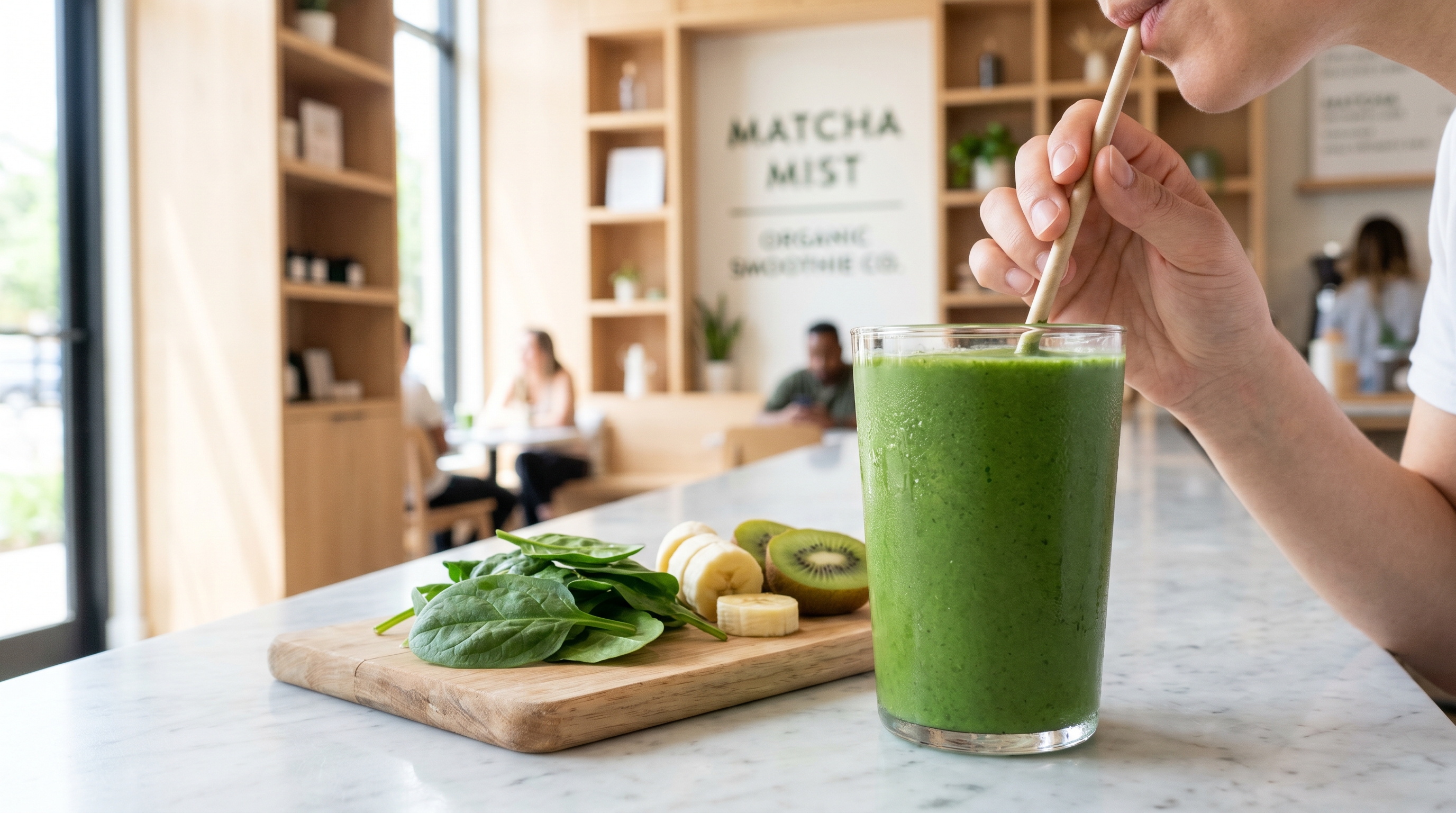
The best matcha for smoothies is a high-quality culinary grade or barista blend. These grades offer a robust, slightly astringent flavor that cuts through milk and fruit. They maintain a vibrant green color due to high chlorophyll levels while remaining cost-effective for bulk commercial applications and large-scale manufacturing.
In short: Selecting the right matcha requires balancing color, taste, and wholesale cost. Key points:
- Culinary grade is superior to ceremonial for blended drinks.
- Japanese origin ensures higher food safety and color stability.
- MOQ and lead times are critical for maintaining a lean supply chain.
What is the primary difference in matcha for smoothies?
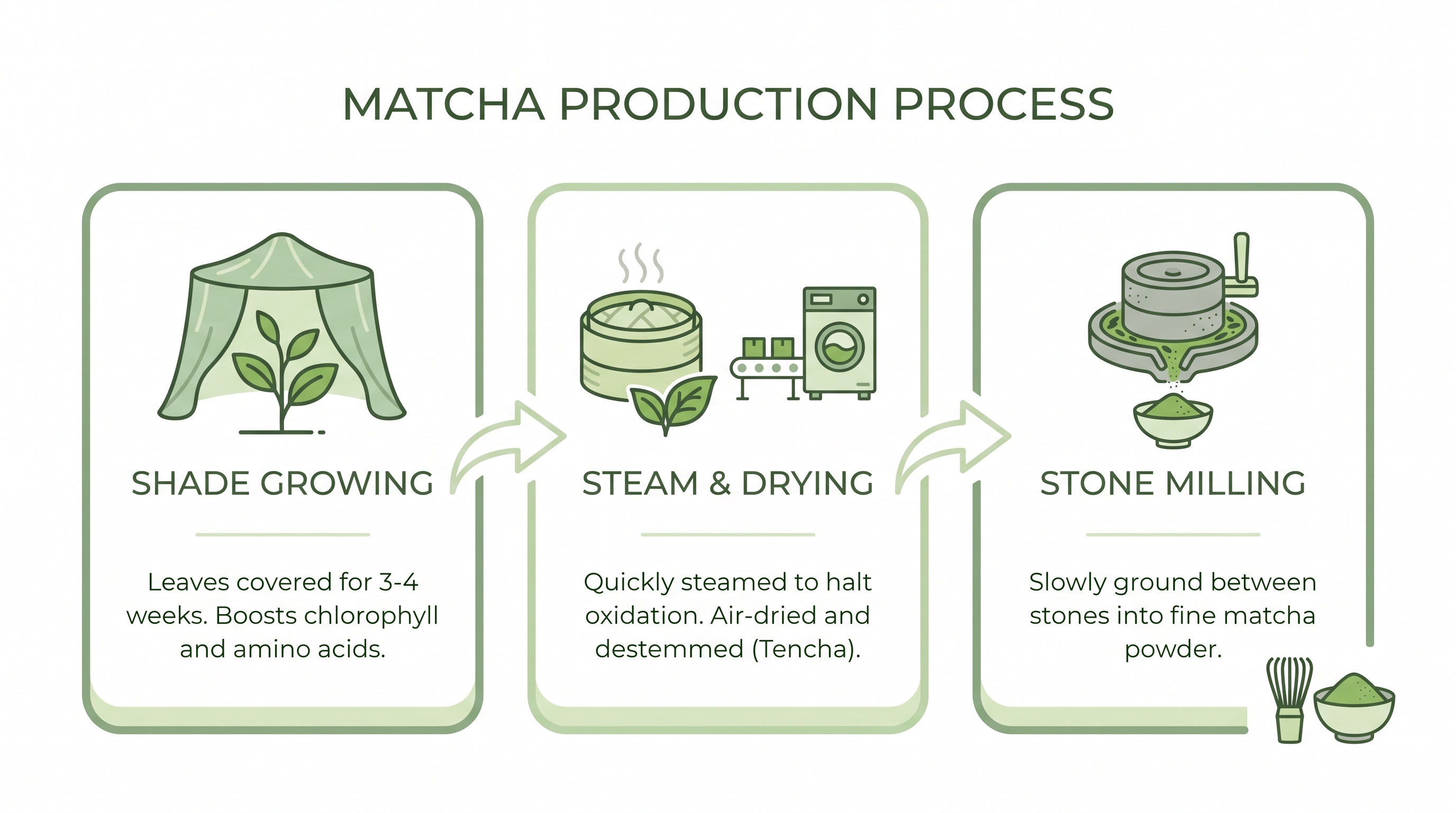
The primary difference lies in the chlorophyll density and the level of oxidation allowed during processing. For smoothies, you need a powder that retains a bold “green” punch even when mixed with acidic fruits. High-quality smoothie matcha is shaded for weeks to boost L-theanine and color. However, it is harvested later than ceremonial grades to ensure a stronger flavor profile.
Here is the deal: If you use a delicate ceremonial tea, the flavor simply disappears. You need that slight punch to balance natural sugars.
Key Takeaway: Smoothie-specific matcha focuses on color intensity and flavor boldness rather than the subtle umami found in traditional drinking tea.
Why choose culinary grade over ceremonial for smoothie bases?
Culinary grade is chosen because of its specific astringency, which provides a necessary recipe balance against sweet ingredients. It is also significantly more cost-efficient for businesses looking to maintain healthy margins. While ceremonial grade is meant for water-only preparation, its profile is too light for heavy blenders.
But that is not all: Using ceremonial grade in a 16oz smoothie can triple your ingredient cost without improving the customer experience.
| Feature | Culinary Grade (Smoothie) | Ceremonial Grade (Tea) | |
|---|---|---|---|
| Harvest Time | Second or Autumn Flush | First Flush (Spring) | |
| Flavor | Bold, Robust, Astringent | Sweet, Creamy, Umami | |
| Price Point | 25−80 per kg | 80−250 per kg | |
| Color | Bright to Mid-Green | Electric Forest Green |
Key Takeaway: Culinary matcha is the industrial standard for smoothies due to its functional flavor profile and superior profit margins.
How does origin impact the flavor profile of matcha for smoothies?
The terroir of the region determines the specific mineral content and sweetness of the leaf. Nishio is famous for high-color production, while Uji offers a historical, deep umami profile. Shizuoka often produces more robust, earthy notes that perform exceptionally well in protein-heavy smoothie bowls.
The best part? Knowing the origin allows you to predict how the matcha will react with dairy or plant-based milks.
Key Takeaway: Always source from reputable Japanese regions to ensure the chlorophyll does not turn brown during your shelf-life cycle.
What are the key health benefits of adding matcha to smoothies?
Matcha infuses smoothies with a massive concentration of antioxidants, specifically EGCG, which is known to boost the metabolic rate. Unlike coffee, it provides a sustained energy release without the crash. This makes it a “functional” addition that justifies a premium price point on your menu.
You might be wondering: Does the blending process destroy the nutrients? Research shows that cold blending preserves the integrity of the catechins perfectly.
Key Takeaway: Marketing the antioxidant density of your matcha smoothies can significantly increase your average ticket value.
Which certifications should B2B buyers look for in smoothie matcha?
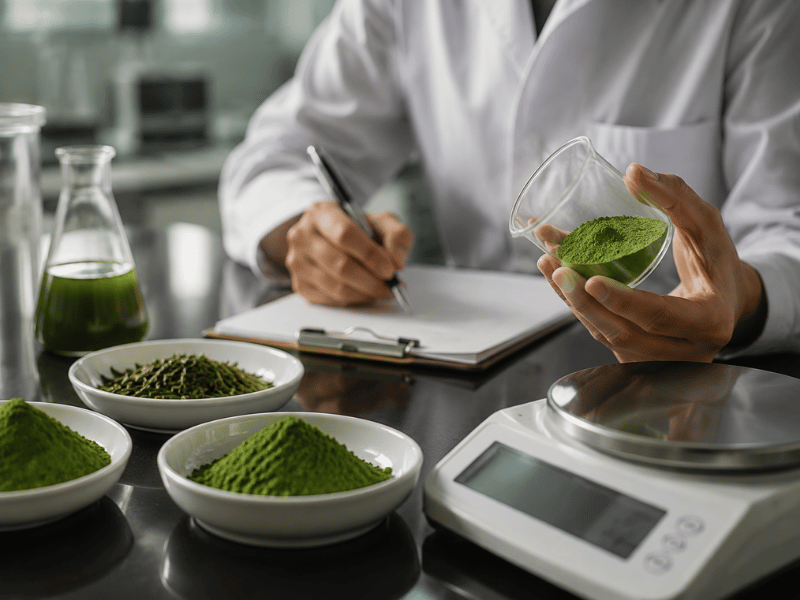
B2B buyers must prioritize USDA Organic, EU Organic, and JAS certifications to ensure global market access. Furthermore, high-volume manufacturers should require FSSC 22000 or HACCP to guarantee rigorous food safety management. These documents prove that the product is free from heavy metals and radiation.
Check this out: A premium matcha powder without a COA (Certificate of Analysis) is a massive liability for your brand.
Key Takeaway: Certifications are not just badges; they are essential risk management tools for your international supply chain.
What are the current B2B market trends for matcha for smoothies?
The market is shifting toward RTD beverages and clean label formulations that avoid synthetic dyes. Consumers now demand “functional foods” that offer more than just hydration. We are seeing a surge in “Matcha + Collagen” or “Matcha + Adaptogen” smoothie blends in high-end urban markets.
But wait, there’s more: Transparency in sourcing is becoming a primary purchasing driver for Gen Z and Millennial consumers.
Key Takeaway: Aligning your smoothie line with the clean label movement is the fastest way to gain market share this year.
How to select the right wholesale supplier for smoothie-grade matcha?
The right supplier must offer a balance of volume stability and rapid logistics. At AdoroHu, we provide a 10kg MOQ to support growing businesses without forcing them into massive inventory overhead. Our 14-day international lead times ensure that your production line never stops due to shipping delays.
Here is the kicker: Most suppliers take 30 to 60 days to ship. We cut that time in half to keep your cash flow liquid.
Key Takeaway: Reliable lead times and manageable MOQs are more important than the absolute lowest price per kilo.
What are common procurement mistakes when buying matcha for smoothies?
The biggest mistake is ignoring UV damage and moisture content during bulk storage. Buying too much stock at once leads to a degraded shelf life, turning your bright powder into a dull grey-brown mess. Always ensure your supplier uses oxygen-absorbers and high-barrier foil packaging.
It gets worse: Many buyers purchase “Green Tea Powder” thinking it is matcha. True matcha must be stone-milled and shade-grown.
Key Takeaway: Protect your investment by ordering smaller, more frequent batches to ensure maximum freshness and color.
How to evaluate the cost-to-quality ratio for bulk smoothie matcha?
You must compare the price per serving against the visual impact and flavor retention. While Second Flush is the standard for mid-tier cafes, Autumn Harvest grades are excellent for budget-friendly bottled beverages. You should always request a sample to test “bleed” in your specific smoothie recipe.
Here is the deal: Price surges of 40-60% are expected in 2025 due to climate shifts. Securing a contract now is vital.
| Grade Category | Primary Use | Est. Price (per KG) | |
|---|---|---|---|
| Second Flush (Premium Culinary) | High-end Cafe Smoothies | 45−80 | |
| Autumn Harvest (Standard Culinary) | Large-scale RTD Production | 25−45 | |
| Industrial Grade | Baking / Confectionery | Below $25 |
Key Takeaway: Don’t overpay for ceremonial grade when a high-quality bulk culinary matcha provides better results for less money.
What are the best private label opportunities for matcha for smoothies?
Private labeling allows you to create custom blends with specific color and flavor targets. AdoroHu offers custom blending capabilities, allowing you to adjust the “bite” of the matcha to suit your brand’s unique profile. This is ideal for franchise systems that require absolute consistency across 100+ locations.
The best part? You can own the formulation, making it impossible for competitors to replicate your signature smoothie taste.
Key Takeaway: Custom blending and private labeling build long-term brand equity and protect your secret recipes.
FAQ
- What is the minimum order quantity for AdoroHu wholesale? Our standard MOQ for wholesale culinary matcha is 10 kilograms per order.
- How long does international shipping take? We maintain a 14-day lead time for most international shipping destinations via air and sea.
- Can I use culinary matcha for lattes? Yes, our barista-grade culinary matcha is excellent for both smoothies and lattes.
- Is your matcha tested for radiation and heavy metals? Absolutely, every batch comes with a Certificate of Analysis (COA) verifying its safety.
- Do you offer custom blending services? Yes, we can adjust color and flavor profiles for private label clients and large manufacturers.
Conclusion
Choosing the best matcha for smoothies requires a strategic focus on culinary grades that offer bold flavor and vibrant green hues. By prioritizing reliable suppliers like AdoroHu, you secure a supply chain with a 10kg MOQ and industry-leading 14-day lead times. Ready to upgrade your beverage program? Contact our wholesale team today for custom pricing and samples.