Many beverage brands and café owners face a recurring challenge: inconsistent drink quality and soaring COGS (Cost of Goods Sold). When your matcha milk tea lacks that vibrant green hue or presents a gritty, bitter profile, customer retention drops instantly. Settling for subpar ingredients leads to “muddy” drinks that cannot compete in the premium bubble tea market. To capture market share, you need a high-performance matcha wholesale partner that provides consistent, stone-milled tencha powder designed for commercial scalability.
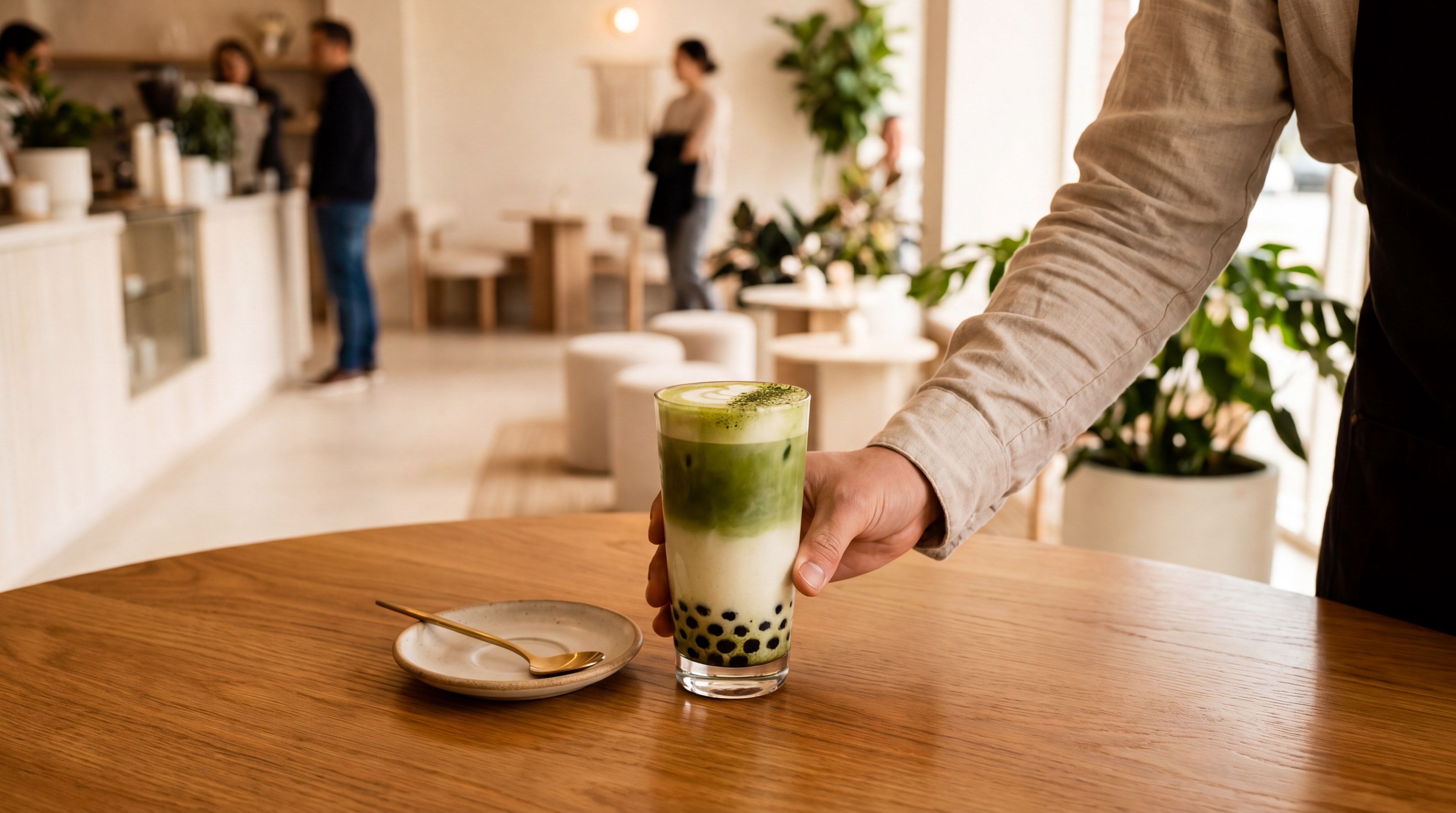
To prepare a commercial-grade matcha milk tea (bubble tea style), whisk 3g of premium matcha with 30ml of 80°C water to create a concentrate. Add 20ml of liquid sweetener to a glass filled with 50g of prepared brown sugar tapioca pearls and ice. Pour in 180ml of milk (oat or dairy), and layer the matcha concentrate on top for a professional visual effect.
In short: Professional matcha milk tea requires a balance of high L-theanine content for sweetness, fine particle size for suspension, and cost-effective bulk sourcing to maintain margins.
1. What is the standard commercial matcha milk tea recipe?
The commercial preparation of matcha milk tea differs from home recipes by prioritizing speed, consistency, and visual “layering.” In a high-volume setting, baristas use a pre-measured matcha slurry to ensure every serving has the same flavor profile.
Standard Commercial Components:
- Matcha Base: 3g of sieved powder.
- Dilution: 30ml filtered water (80°C). Boiling water burns the delicate tea leaves.
- Sweetener: 15-25ml of cane sugar or honey.
- Dairy/Alt-Milk: 180ml (Oat milk is the industry standard for creaminess).
- Inclusions: 50g of tapioca pearls (boba) prepared in brown sugar syrup.
2. How do I select the right matcha grade for milk tea applications?
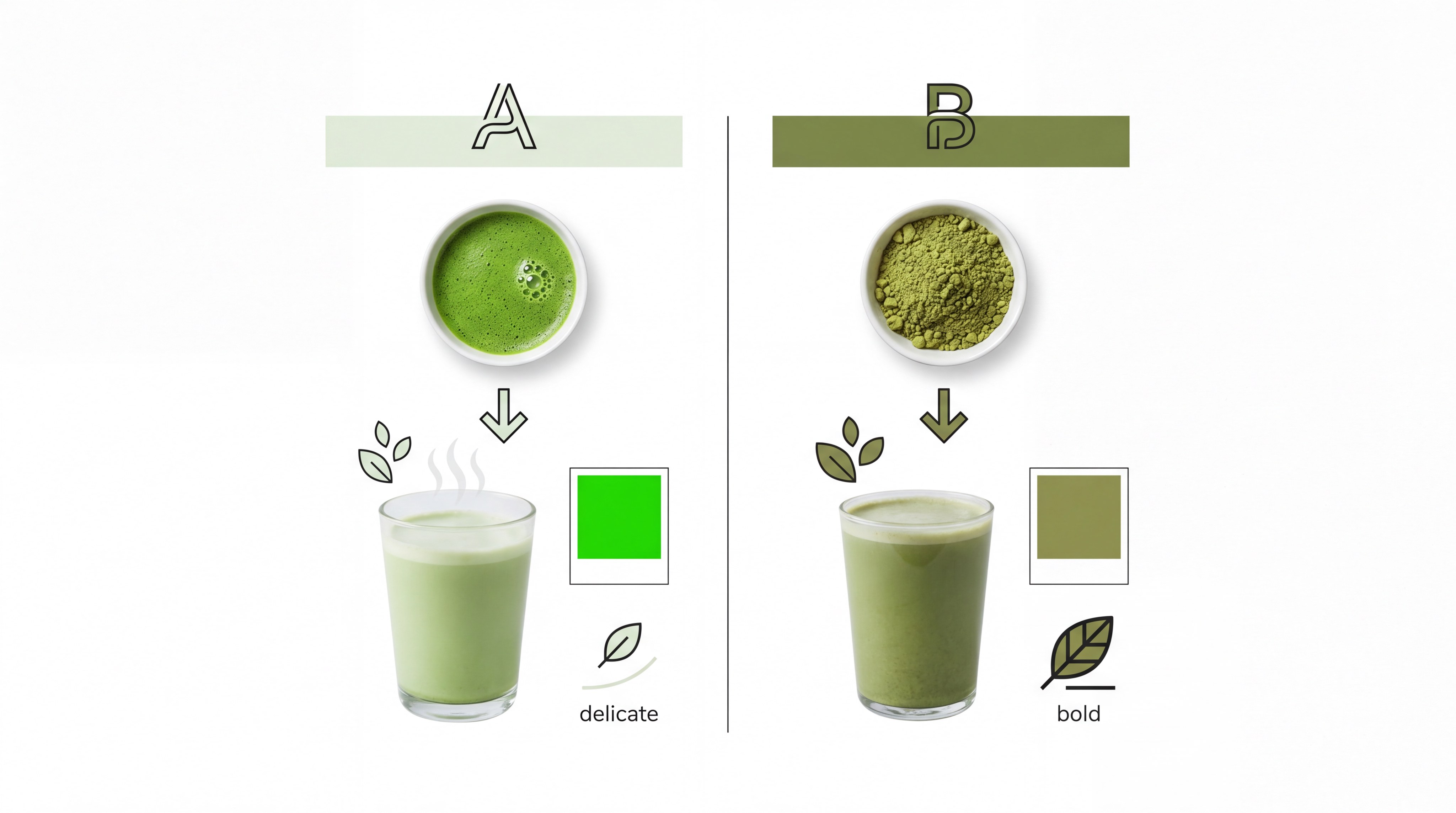
Choosing the wrong grade is the fastest way to ruin your margins. While ceremonial grade offers the best color, its price point is often too high for mixed beverages. Conversely, basic culinary grades can be too yellow or astringent. For milk tea, a “Premium Latte Grade” is the sweet spot.
Grade Comparison Table
| Feature | Ceremonial Grade | Premium Latte Grade | Culinary Grade | |
|---|---|---|---|---|
| Color | Electric Green | Vibrant Green | Dull/Olive Green | |
| Flavor | Umami, Sweet | Balanced, Creamy | Bitter, Astringent | |
| Harvest | First Flush (Spring) | First/Second Flush | Late Harvest | |
| Best Use | Plain Tea (Usucha) | Milk Tea / Lattes | Baking / Smoothies | |
| Internal Link | Ceremonial matcha | Premium matcha | Culinary matcha |
3. Where can I source bulk matcha for high-volume beverage operations?
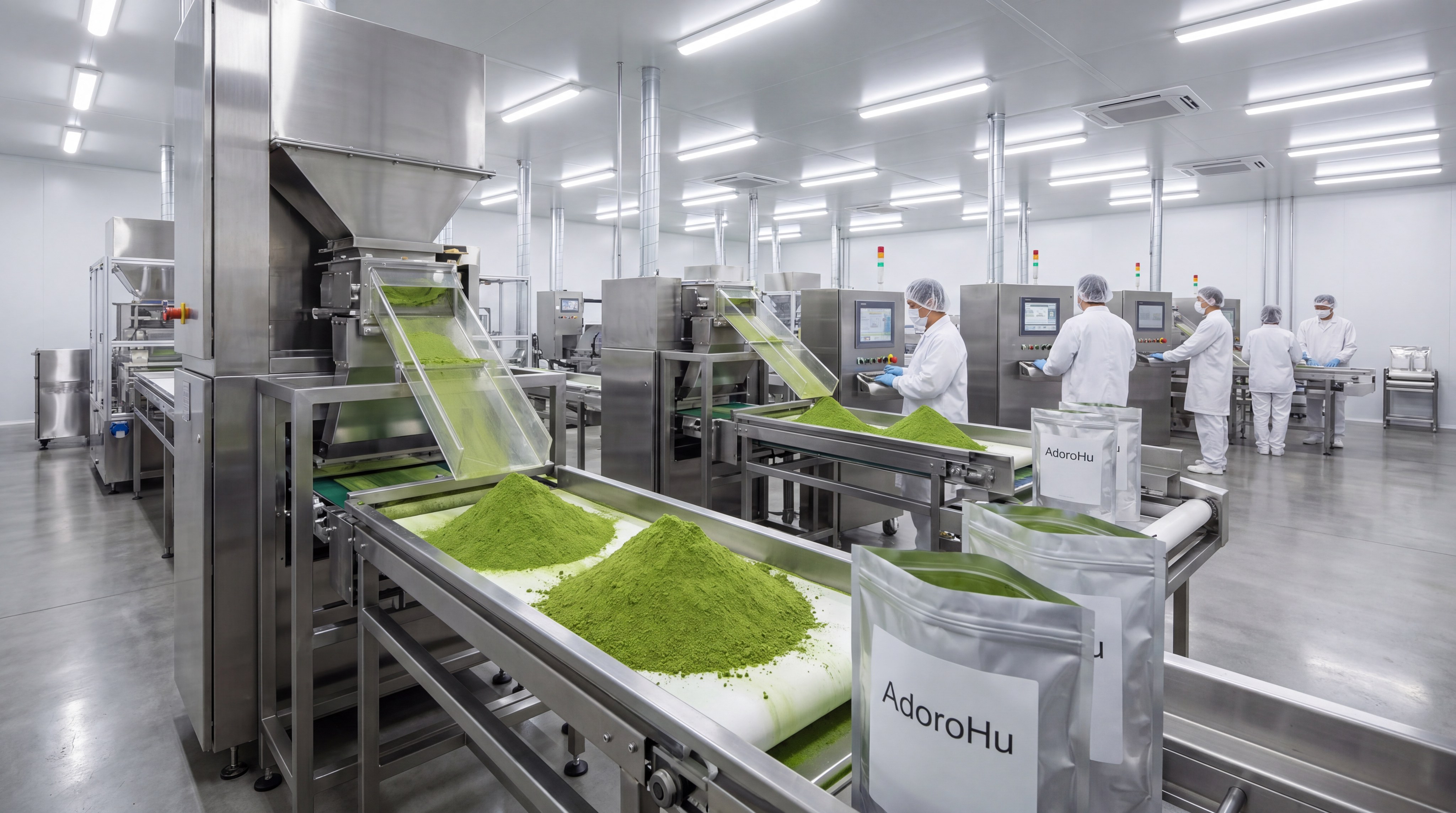
For B2B buyers, sourcing must move beyond retail platforms. You need direct access to producers who can provide COAs (Certificates of Analysis) for every batch. Sourcing from regions like Shizuoka or Nishio ensures the tencha is properly shaded for 20-30 days, boosting chlorophyll and L-theanine.
Professional sourcing channels include:
- Direct Factory Sourcing: Eliminates middleman markups.
- Wholesale Importers: Useful for local stock, though prices vary.
- OEM/ODM Partners: Necessary for custom blends.
4. What are the primary cost factors in matcha milk tea production?
Profitability in the bubble tea industry relies on controlling variable costs. Matcha is the most expensive ingredient by weight.
Estimated Cost Breakdown per 16oz Serving
| Ingredient | Quantity | Cost (USD) | % of Total | |
|---|---|---|---|---|
| Premium Matcha | 3g | 0.21−0.35 | 45% | |
| Oat/Dairy Milk | 180ml | 0.15−0.25 | 30% | |
| Sweetener/Boba | 50g | 0.10−0.15 | 18% | |
| Cup/Lid/Straw | 1 set | 0.05−0.08 | 7% | |
| Total COGS | – | 0.51−0.83 | 100% |
5. Which quality certifications are essential for B2B matcha sourcing?
Safety and compliance are non-negotiable for commercial beverage brands. When evaluating a supplier, verify their laboratory testing protocols for heavy metals and pesticide residues.
Required Certifications:
- Organic: USDA Organic, JAS (Japan), or EU Organic.
- Food Safety: FSSC 22000 or ISO 22000.
- Dietary: Halal and Kosher certifications broaden your market reach.
- Purity: Third-party lab reports for lead, radiation (for Japanese origins), and mold.
6. Are there private label options for custom matcha milk tea blends?
Many global franchises use custom blends to prevent flavor cloning by competitors. A private label partner can adjust the ratio of sweetness and astringency during the grinding process.
You can explore private-label to develop a signature “house matcha” that is exclusive to your brand. This often involves blending different harvests to achieve a specific “punchy” flavor that cuts through high-fat milks.
7. What are the most common sourcing mistakes for beverage brands?
- Buying by Price Alone: Low-cost matcha is often oxidized (brown) and lacks the stone-milled texture required for a smooth mouthfeel.
- Ignoring Particle Size: Commercial matcha should be 5-10 microns. Larger particles settle at the bottom, creating a “sandy” drink.
- Small Batch Purchasing: Buying 1kg at a time leads to high shipping costs and inconsistent flavor profiles across months.
8. How does ceremonial grade compare to culinary grade in milk tea?
In a milk-based application, the fats in the milk coat the tongue, which can mute the delicate umami of a ceremonial grade. However, culinary grade often has too many tannins, leading to a “grassy” bitterness.
- Ceremonial: Best for “Matcha Americanos” or ultra-premium $8+ lattes.
- Culinary: Best for frappes where strong sweeteners and syrups are used.
- Latte Grade: The gold standard for bubble tea, providing a vibrant green color and enough “bite” to be tasted through the milk.
9. What are the current industry trends for matcha bubble tea?
The market is shifting toward “Health-Conscious Indulgence.” Customers want the functional benefits of matcha (sustained energy, antioxidants) without excessive sugar.
- Plant-Based Dominance: Oat milk and pistachio milk pairings are trending.
- Cheese Foam Toppings: Adding a salty cream cheese foam creates a complex flavor layer.
- Clean Label: Brands are moving away from artificial green dyes and relying on the natural chlorophyll of high-quality tencha.
10. What are the typical logistics and MOQs for wholesale matcha?
Efficiency in the supply chain is vital for maintaining freshness. Matcha is highly sensitive to light, heat, and oxygen.
- MOQ (Minimum Order Quantity): For B2B bulk pricing, expect a minimum of 50kg. Small orders often carry a “break-bulk” premium.
- Lead Times: Average production and shipping times range from 7-14 days for air freight.
- Packaging: Commercial matcha is typically shipped in 1kg to 5kg vacuum-sealed aluminum bags to prevent oxidation.
Professional Preparation FAQs
- How do you prevent matcha from clumping in large batches?
- Always sift the powder through a fine-mesh sieve before adding water. Use a high-speed immersion blender for large-scale concentrate preparation.
- What is the ideal water temperature for commercial matcha?
- Never exceed 80°C (176°F). Higher temperatures release excess catechins, resulting in an unpleasant bitterness.
- Can I mix matcha directly with cold milk?
- No. Matcha is a suspension, not a soluble powder. It must be “activated” with a small amount of warm water first to create a smooth slurry.
- How long does prepared matcha concentrate last?
- For optimal color and flavor, use the concentrate within 4 hours. Keep it in an opaque, airtight container.
- What is the difference between stone-milled and jet-milled matcha?
- Stone-milling (traditional) generates less heat, preserving the vibrant green color and L-theanine content compared to high-speed jet milling.
Optimize Your Beverage Program with AdoroHu Matcha
Scaling a successful matcha milk tea program requires more than just a recipe; it requires a reliable supply chain. AdoroHu Matcha provides the technical expertise and bulk sourcing capabilities needed to ensure your brand stands out in a crowded market. Whether you need a consistent premium grade for your café or a private label solution for a global franchise, our stone-milled powders deliver the results your customers demand.
Contact our B2B sales team today for wholesale pricing and custom samples.