The best matcha powder for drinks is a high-grade culinary or ceremonial-A blend that balances vibrant green color and a strong umami profile to cut through milk. Sourcing bulk matcha often feels like a gamble because of inconsistent quality between batches. If you serve a bitter, dull beverage, your customers won’t return, and your brand reputation takes a hit. AdoroHu provides a reliable solution through expert-vetted matcha wholesale channels that guarantee consistency and premium flavor for your beverage business.
The best matcha powder for drinks is a high-grade culinary or ceremonial-A blend that balances vibrant green color, fine particle size for solubility, and a strong umami profile that cuts through milk and sweeteners. For B2B beverage applications, sourcing a consistent T-1 or T-2 grade stone-milled powder ensures visual appeal and flavor stability in lattes, smoothies, and cold brews.
In short: Selecting the right matcha involves balancing chemical profiles and visual appeal. Key points:
- Prioritize stone-milled powders for superior solubility in cold and hot drinks.
- Ensure high chlorophyll content for the signature vibrant green aesthetic.
- Balance L-theanine levels to provide the “calm energy” customers expect.
What is the best matcha for drinks in a commercial setting?
The best matcha for drinks in a commercial setting is a stone-milled powder derived from high-quality tencha leaves that preserves high levels of L-theanine and chlorophyll. Here is the deal: beverage businesses need a powder that dissolves instantly without clumping. High-grade wholesale ceremonial matcha provides the necessary umami depth to create a premium experience. This grade ensures the natural sweetness of the tea leaf shines through without the need for excessive sugar. Most commercial successes rely on a T-1 grade that balances cost-efficiency with a luxury mouthfeel.
Key Takeaway: Commercial excellence requires a blend that offers high solubility and a rich green hue to satisfy modern visual standards.
How do you differentiate matcha grades for beverage applications?
You differentiate matcha grades for beverage applications by evaluating the harvest timing of the tencha and the resulting umami and chlorophyll concentration. Let’s face it, not all powders are created equal. A ceremonial grade will have a higher L-theanine content compared to a standard culinary leaf. This is usually the result of a precise stone-milled process that keeps the powder cool to prevent oxidation. Lower grades often lack the vibrant green color and present a more yellow-brownish tint, indicating lower nutrient density.
Key Takeaway: Grade differentiation is essential for matching the right flavor profile to your specific drink menu, from pure teas to blended frappes.
Where can you find the best wholesale matcha for drinks?
You can find the best wholesale matcha for drinks by partnering with direct importers like AdoroHu who specialize in Japanese tencha sourcing and stone-milled production. You might be wondering where the value lies. AdoroHu offers pricing tiers ranging from 25 to 60 per kg depending on the specific umami profile and chlorophyll intensity required. Sourcing bulk matcha powder directly ensures that you avoid middleman markups while maintaining access to high L-theanine harvests. We provide the transparency needed for high-volume beverage chains.
Key Takeaway: Direct sourcing from Japanese regions like Uji or Nishio ensures a stable supply of high-grade powder at competitive B2B rates.
What are the pricing factors for bulk matcha for drinks?
The pricing factors for bulk matcha for drinks include the harvest season of the tencha, the milling speed of the stone-milled equipment, and the total chlorophyll content. Think about it: a first-harvest leaf is significantly more expensive than a late-summer crop. The umami richness and L-theanine levels are highest in the spring, which commands a premium price. Furthermore, specialized processing to maintain a fine particle size for better suspension in drinks adds to the manufacturing cost. Higher volumes naturally lower the per-kilogram price for large-scale distributors.
Key Takeaway: Understanding the balance between harvest timing and milling quality allows you to optimize your beverage margins effectively.
Why do certifications like USDA Organic matter for drink brands?
Certifications like USDA Organic matter because they guarantee the tencha was grown without synthetic pesticides, preserving the natural L-theanine and umami characteristics. This is a game changer for modern consumers who demand clean labels. An organic matcha powder certification ensures that the vibrant chlorophyll color is 100% natural. Brands that carry these labels often see higher customer trust and premium pricing power in the retail market. It proves a commitment to sustainable stone-milled agricultural practices and food safety.
Key Takeaway: Organic certification is a vital trust signal that justifies premium price points and appeals to health-conscious demographic segments.
Which matcha grade is best for lattes vs. clear tea drinks?
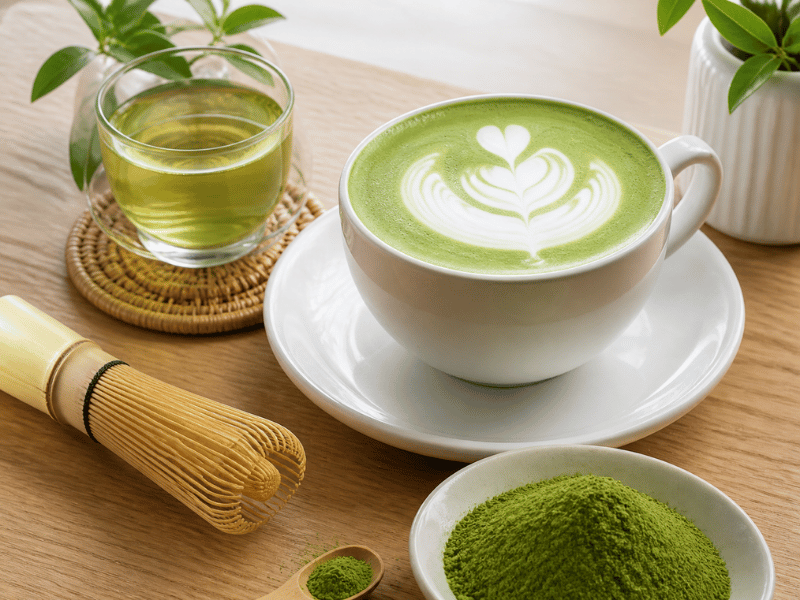
A premium matcha for latte usually requires a robust umami profile and high chlorophyll to stay visible when mixed with milk. For clear tea drinks, a ceremonial stone-milled powder is preferred because of its delicate sweetness and high L-theanine levels. Believe it or not, the fat in milk can mask the subtle notes of tencha, so a stronger flavor profile is necessary. Clear drinks require a powder that is completely free of bitterness. Selecting the wrong grade can result in a latte that tastes more like grass than tea.
Key Takeaway: Use robust culinary-A grades for lattes and high-end ceremonial grades for water-based traditional tea beverages.
Can you create a private label matcha line for beverages?
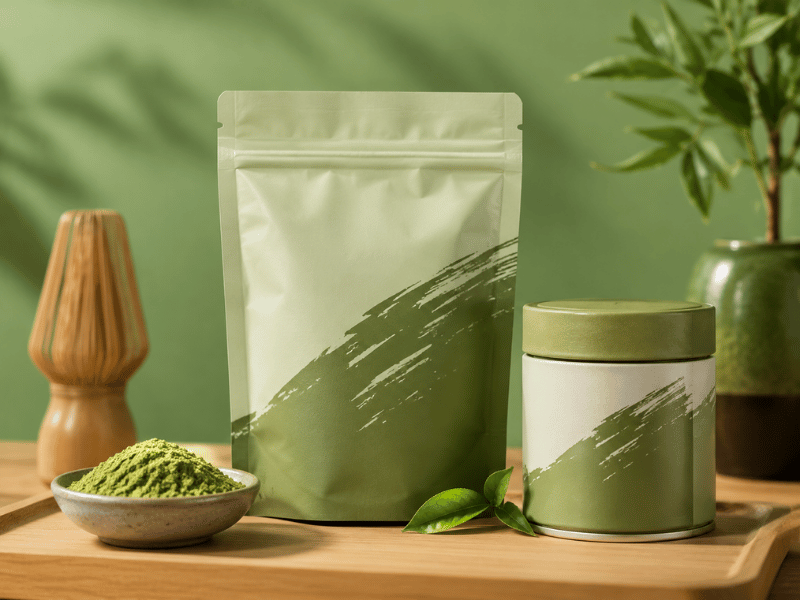
Yes, you can create a matcha private label line for beverages by selecting specific stone-milled tencha blends that meet your brand’s unique umami and chlorophyll specifications. This is the best way to build brand equity. We help you choose the right L-theanine levels to ensure your customers get the desired functional effect. Private labeling allows you to control the narrative of your sourcing while offering a unique product that competitors cannot replicate. Our facility handles the technical aspects of packaging to maintain freshness.
Key Takeaway: Private labeling empowers your brand to differentiate itself in a crowded market through custom-blended flavor profiles and premium aesthetics.
What are the MOQ and lead time requirements for importing matcha?
The MOQ for AdoroHu is typically 50kg, with a standard lead time of 15-20 days for stone-milled bulk matcha powder delivery. Here is the bottom line: efficiency is key in the B2B world. This timeframe allows for the fresh grinding of tencha to ensure the highest possible chlorophyll and L-theanine retention. We streamline the logistics to ensure your beverage supply chain remains uninterrupted. Managing these timelines effectively prevents stockouts during peak summer seasons when drink demand spikes. Our team ensures all customs documentation is handled for a smooth import process.
Key Takeaway: Planning for a 3-week lead time and 50kg MOQ ensures your business maintains a fresh and consistent stock of premium matcha.
What are the most common mistakes when buying matcha for drinks?
The most common mistakes when buying matcha for drinks include choosing powders with low chlorophyll levels or neglecting the stone-milled requirement for solubility. It’s easy to overlook the details. Many buyers opt for the cheapest tencha available, only to find the umami profile is non-existent. Another error is purchasing non-refrigerated bulk stock, which causes L-theanine degradation and color fading. Without proper storage, the powder becomes oxidized and bitter. Always verify the origin to ensure the authenticity of the Japanese processing standards.
Key Takeaway: Avoid the trap of low-cost, low-quality powders that compromise the visual appeal and flavor of your beverage offerings.
What are the latest B2B trends in the matcha drink market?
The latest B2B trends in the matcha drink market involve the rise of RTD (Ready-to-Drink) cans and the use of stone-milled powder with added functional L-theanine boosts. Make no mistake, the market is evolving rapidly. Manufacturers are now looking for tencha with extremely high chlorophyll stability for longer shelf life in clear bottles. There is also a growing demand for umami-forward profiles in mocktails and nitro-cold brews. Businesses are increasingly moving toward contact AdoroHu for custom formulations that cater to the health-conscious “clean energy” trend.
Key Takeaway: Staying ahead of trends requires a flexible supplier capable of providing high-grade, specialized matcha blends for diverse drink applications.
Frequently Asked Questions
- What is the difference between ceremonial and culinary matcha for drinks?
- Ceremonial grade is best for pure tea due to its high L-theanine and umami.
- Culinary grade is robust enough to maintain its flavor and chlorophyll color in lattes.
- Why is stone-milled matcha better for lattes?
- Stone-milled powder has a finer texture, which ensures it stays suspended in milk without settling.
- Does AdoroHu offer samples for B2B testing?
- Yes, we provide samples of various tencha grades so you can test solubility and flavor in your recipes.
- How should bulk matcha be stored in a cafe?
- It must be kept in airtight containers in a cool, dark environment to prevent the degradation of chlorophyll and L-theanine.
- Can I get USDA Organic certification for my private label?
- Yes, we provide full documentation for organic matcha powder to support your brand’s certification claims.
Conclusion
Choosing the best matcha for drinks requires a deep understanding of tencha quality, milling techniques, and nutrient profiles. By prioritizing high-grade stone-milled powders with rich umami and chlorophyll content, your business can deliver a superior beverage experience that keeps customers coming back. AdoroHu is committed to providing consistent, high-quality wholesale solutions tailored to your brand’s needs. Ready to upgrade your drink menu? Contact AdoroHu today for custom quotes and expert consultation.