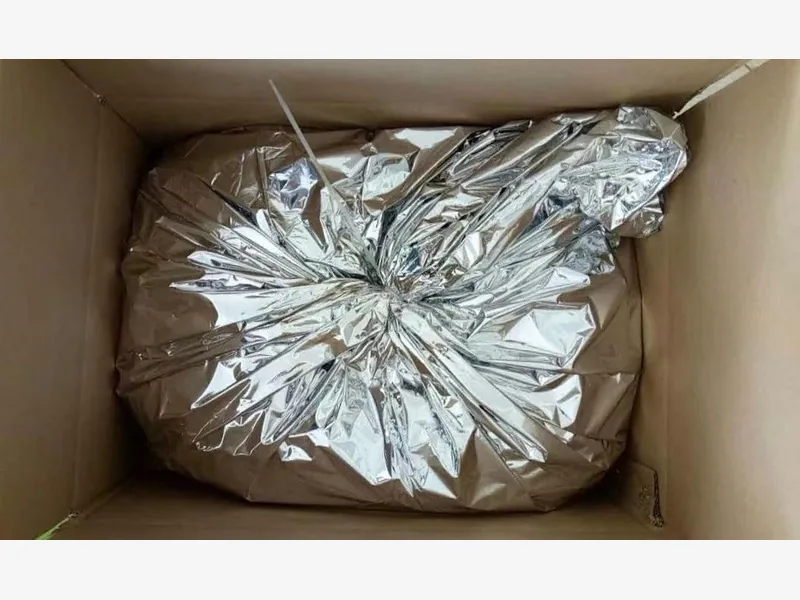
The best organic matcha powder for a business meets the required organic rules, works in the intended recipe, and arrives with documents your market can accept. A certificate alone cannot tell you how the powder will taste in oat milk, look after baking, or behave across production lots. Buyers need two linked reviews: commercial application testing and compliance verification. If either fails, the product is a poor fit. Start by defining the destination market, organic claim, recipe, serving cost, and expected supply pattern.
1. What Makes Organic Matcha Powder Fit for Business?
Organic matcha powder fits a business when its certification scope, sensory profile, functional behavior, and commercial terms satisfy one written brief. “Organic” addresses a production and control system; it does not select the right flavor, grade, pack, or dose for your product.
Which requirements should the brief separate?
Keep compliance and product performance in distinct columns:
- destination market and sales channel
- exact organic claim planned for the label
- drink or food application
- sensory and color target
- required documents and review owner
- annual volume, pack format, and target cost
| Review area | Core question | Approval owner |
|---|---|---|
| Organic status | Does documentation support the intended claim? | Regulatory or quality |
| Application | Does the powder work in the recipe? | R&D or beverage team |
| Commercial fit | Do cost and supply terms work? | Purchasing |
| Operations | Can staff handle and store it well? | Production |
Separate gates prevent a strong tasting sample from bypassing document review.
A useful brief also states what happens if the preferred sample lacks acceptable paperwork. The technical team can retain its sensory notes, but purchasing should move to another documented candidate or ask whether a compliant alternative exists. This avoids late reformulation after packaging work has begun. It also gives the supplier a precise request instead of a broad demand for every certificate.
Key Takeaway: Define organic eligibility and recipe performance as separate pass conditions.
2. Which Organic Documents Should Buyers Request?
Buyers should request current documents that relate to the supplier, product, market, and transaction. Requirements differ among countries and channels, so your qualified regulatory adviser must determine what supports the planned label claim.
For U.S. certification checks, buyers can search the USDA Organic Integrity Database for certified operations and current scope information.
How can you organize the document check?
Ask for records early enough to resolve gaps before artwork or launch:
- current organic certificate and scope
- identity of certified operation or handler
- product listing or scope evidence where relevant
- lot traceability records
- product specification and ingredient statement
- transaction or import documents required by your route
| Record | What to verify | Common gap |
|---|---|---|
| Certificate | Holder, scope, dates, standard | Product outside scope |
| Product record | Match to ordered item | Different product name |
| Traceability | Link from lot through shipment | Broken identifier chain |
| Specification | Ingredient and product identity | Old revision |
Document names alone do not prove that they cover your exact purchase.
Key Takeaway: Have a competent reviewer confirm scope before making an organic claim.
3. How Should You Screen Organic Matcha Samples?
Screen organic matcha samples with fixed preparation methods and blind codes. Organic status should already be documented, allowing the sensory panel to focus on the product rather than package claims. Test the powder in water and in its intended commercial recipe.
What belongs on the sample scorecard?
Use the same criteria for every candidate:
- dry and prepared color under neutral light
- aroma immediately after opening
- bitterness, astringency, umami, and finish
- dispersion and mouthfeel
- result in milk, sugar, heat, or fat
- dose required to reach the product target
| Test | Fixed control | Record |
|---|---|---|
| Water cup | Dose, temperature, volume | Baseline flavor |
| Latte | Milk, syrup, ice | Menu performance |
| Food trial | Formula and process | Color and flavor retention |
| Repeat cup | Another coded preparation | Panel consistency |
The scorecard gives purchasing evidence beyond preference or packaging.
Panel design affects the decision. A beverage developer may notice flavor balance, an operator may spot a mixing problem, and purchasing may identify an impractical dose. Record individual scores before discussion so a senior voice does not steer everyone toward one sample. If results vary widely, repeat the session instead of averaging away a preparation or preference issue.
Key Takeaway: Compare coded samples under one protocol and repeat the winning test.
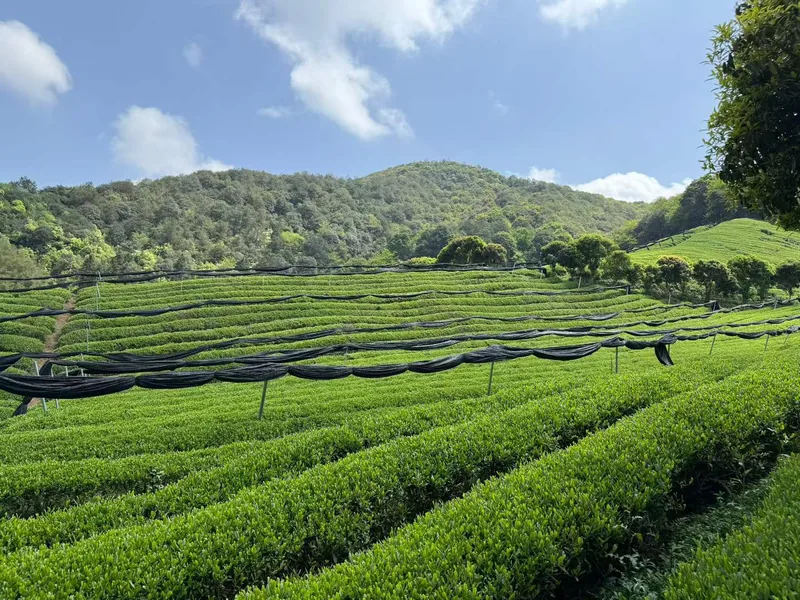
4. How Do Color and Flavor Guide Organic Selection?
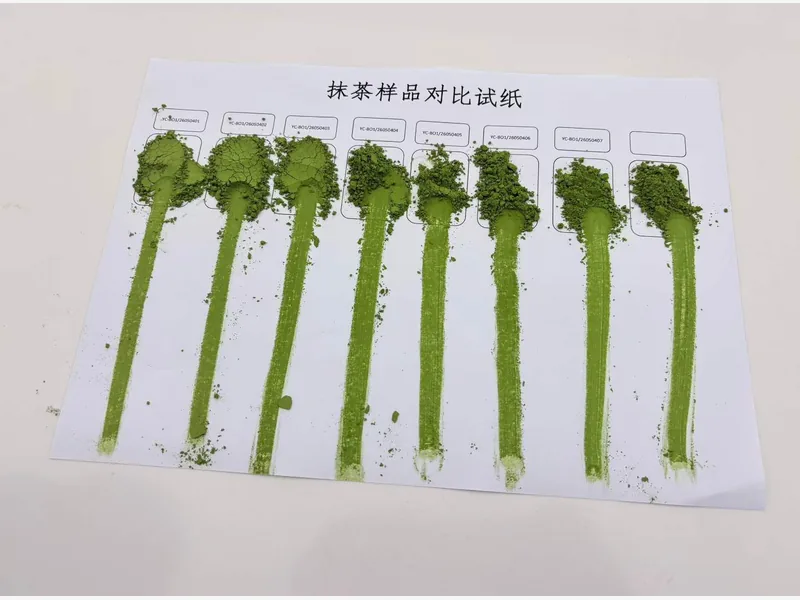
Color and flavor guide organic selection when assessed in context. Dry brightness can be appealing, but a buyer needs to know whether the finished product retains the intended hue and whether flavor remains balanced beside other ingredients.
Which sensory signals deserve attention?
Train the panel to record observations rather than labels such as “premium”:
- green hue and uniformity in dry powder
- fresh or flat aroma after opening
- vegetal, nutty, marine, sweet, or roasted notes
- bitterness and drying astringency
- smoothness after normal mixing
- aftertaste in the full recipe
| Signal | Possible business impact | Follow-up |
|---|---|---|
| Weak aroma | Flat finished drink | Check open-pack age |
| Strong bitterness | More sweetener may be needed | Retest recipe cost |
| Good milk presence | Lower dose may work | Run dose ladder |
| Visible grit | Poor customer texture | Review mixing method |
Specific notes help suppliers propose a closer replacement sample.
Key Takeaway: Describe the prepared result in concrete sensory language.
5. Which Organic Grade Works Best in Lattes?
The best organic grade for lattes keeps recognizable tea character after milk and sweetener without pushing serving cost beyond the menu target. A delicate straight-drinking powder may disappear, while an assertive beverage grade can produce a clearer matcha profile.
How should a beverage team run the trial?
Test realistic service conditions:
- hot and iced recipes
- dairy and main plant milk
- standard syrup level
- expected ice dilution
- manual whisk or production mixer
- five- and fifteen-minute holding checks
| Variable | Why it changes the result | Decision |
|---|---|---|
| Milk protein and fat | Alters flavor release | Approve by milk option |
| Sweetener | Softens bitterness | Fix standard dose |
| Ice | Dilutes flavor | Score over time |
| Staff method | Changes clumping | Validate workflow |
Review AdoroHu’s matcha for latte when describing the required result.
Key Takeaway: Approve organic latte matcha in the exact recipe your staff will serve.
6. Can Organic Matcha Work in Baking and Food?
Organic matcha can work well in baking and manufactured food when the chosen powder tolerates the formula and process. Heat, pH, oxygen, sugar, fat, and competing flavors can change both appearance and taste. Test after processing rather than approving raw powder.
What should a food trial measure?
Run a controlled batch with at least two dose levels:
- pre-process batter or mix color
- post-process color after cooling
- flavor at planned sweetness and fat level
- texture changes caused by added dry powder
- next-day sensory result
- unit cost at approved dose
| Application | Trial concern | Practical check |
|---|---|---|
| Cookie | Browning | Compare center and edge |
| Cake | Aeration and heat | Inspect cooled crumb |
| Ice cream | Fat and frozen service | Taste at serving temperature |
| Filling | Light and hold time | Review next-day color |
AdoroHu’s culinary matcha options can frame a food-focused inquiry.
Key Takeaway: Select organic food matcha by post-process performance and usable dose.
7. How Should You Compare Organic Matcha Cost?
Compare organic matcha cost through landed cost per approved serving or finished unit. Price per kilogram omits freight, testing, duty, pack loss, dose, and waste. It also ignores the cost of a powder that cannot pass your application trial.
Which figures belong in the model?
Build one calculation for each shortlisted sample:
- purchase price and currency
- freight, brokerage, duty, and local handling
- testing and quality-release costs
- grams used per serving or batch
- loss from transfer and open packs
- rejected or reworked production risk
| Cost item | Unit | Use |
|---|---|---|
| Landed powder | Per kilogram | Compare quotations |
| Approved dose | Grams per unit | Translate performance |
| Packaging loss | Percentage | Estimate usable yield |
| Open-stock loss | Quantity per month | Match pack size |
A higher quotation can produce a lower finished-unit cost if the approved dose is smaller.
Run the model at expected and conservative volume. Freight allocation, open-pack loss, and inventory age can change when sales are below forecast. For a multi-site operator, calculate each site rather than assuming every location consumes stock at the same rate. The result may support smaller inner packs or staggered deliveries even when their nominal unit price is higher.
Key Takeaway: Compare cost only after the recipe and acceptable dose are fixed.
8. How Do Packaging and Storage Protect Organic Matcha?
Packaging and storage protect organic matcha from oxygen, moisture, heat, light, odors, and repeated handling. Organic status does not change those physical risks. Pack sizes should turn over at a pace that preserves the approved sensory result.
Which controls work in daily operations?
Write a short handling procedure:
- receive sealed packs in a clean area
- follow supplier temperature guidance
- use dry, dedicated utensils
- close inner packaging promptly
- mark opening dates
- rotate inventory by approved shelf plan
- keep organic identity clear during storage and use
| Risk | Control | Check |
|---|---|---|
| Air exposure | Small inner packs | Aroma after opening |
| Moisture | Dry scoop and closure | New clumps |
| Mix-up | Clear lot and status labels | Traceability audit |
| Slow use | Consumption-based pack size | Open-pack age |
Operations should be able to trace each open pack back to its lot.
Key Takeaway: Protect sensory quality and organic identity through the same handling plan.
9. How Can Buyers Assess Supply Reliability?
Buyers can assess supply reliability by reviewing lead times, order flexibility, lot controls, communication, and contingency planning. A supplier relationship should handle forecasts, document requests, specification questions, and changes without ambiguity.
What should supplier discussions cover?
Ask practical operating questions:
- normal and peak lead times
- minimum and standard order quantities
- production and shipment calendar
- change-notification process
- lot identification and retention approach
- response plan for delayed or nonconforming supply
| Topic | Evidence | Buyer action |
|---|---|---|
| Lead time | Recent planning range | Add forecast buffer |
| Lot control | Example coding flow | Map internal traceability |
| Change notice | Written process | Set approval contact |
| Continuity | Alternative schedule or grade | Test backup sample |
Ask the supplier for a current overview of its supply and quality process.
Key Takeaway: Review how the supplier works when conditions change, not only when they are normal.
10. How Do You Approve an Organic Matcha Supplier?
Approve an organic matcha supplier through staged technical, regulatory, operational, and commercial gates. A controlled trial order should follow sample approval. Compare the delivered lot with the approved sample and specification before committing to scale.
What approval sequence reduces risk?
Use named owners and written outputs:
- send the market and application brief
- review organic and product documents
- test coded samples
- confirm specification and packaging
- agree commercial and logistics terms
- receive a trial order
- verify lot, documents, and application result
| Gate | Owner | Required output |
|---|---|---|
| Compliance | Regulatory or quality | Document decision |
| Application | R&D or beverage lead | Approved sample code |
| Commercial | Purchasing | Landed-cost model |
| Trial receipt | Quality and operations | Release or corrective action |
For a documented sample discussion, contact AdoroHu with your market, claim, recipe, and volume.
Key Takeaway: Scale after the opening commercial lot passes the same standards as the sample.
The best organic matcha powder earns approval through documented eligibility and repeatable application performance. Your team can now separate certificate review from sensory testing, calculate usable cost, plan storage, and qualify supply through a trial order. AdoroHu offers organic product discussions for B2B applications. Contact us today with your destination market and product brief to request suitable samples and supporting records.
FAQ
Q1: Can I use one organic certificate in every market?
Usually no. Standards, recognition, transaction documents, and labeling rules vary. Ask a qualified reviewer to confirm the certificate and supply chain for each destination market.
Q2: What’s the best organic matcha powder for lattes?
Choose the sample that retains the intended flavor and color in your standard milk, sweetener, ice, and service process at an acceptable cost per cup.
Q3: How do I know whether the product is certified organic?
Review current certificate details, scope, product identity, and lot documentation with your quality or regulatory team. Do not rely on a logo or sales statement alone.
Q4: Can organic culinary matcha be used in drinks?
It can, if it passes the drink brief. Test bitterness, texture, color, dose, and customer-facing flavor in the complete recipe.
Q5: What should I include in an organic sample request?
Include the destination market, intended label claim, application, formula conditions, target cost, pack need, forecast volume, and required document list.