Yes, matcha contains caffeine, typically offering between 38 and 176 mg per serving depending on the concentration of the powder and the grade used. Many beverage retailers and health-focused brands struggle to provide an energy-boosting product that doesn’t leave customers feeling anxious or prone to a mid-afternoon crash. This inconsistency in customer experience can damage brand loyalty and lead to fluctuating sales in high-traffic café environments. AdoroHu solves this by providing premium matcha that utilizes the natural synergy of caffeine and L-theanine for a smooth, productive focus.
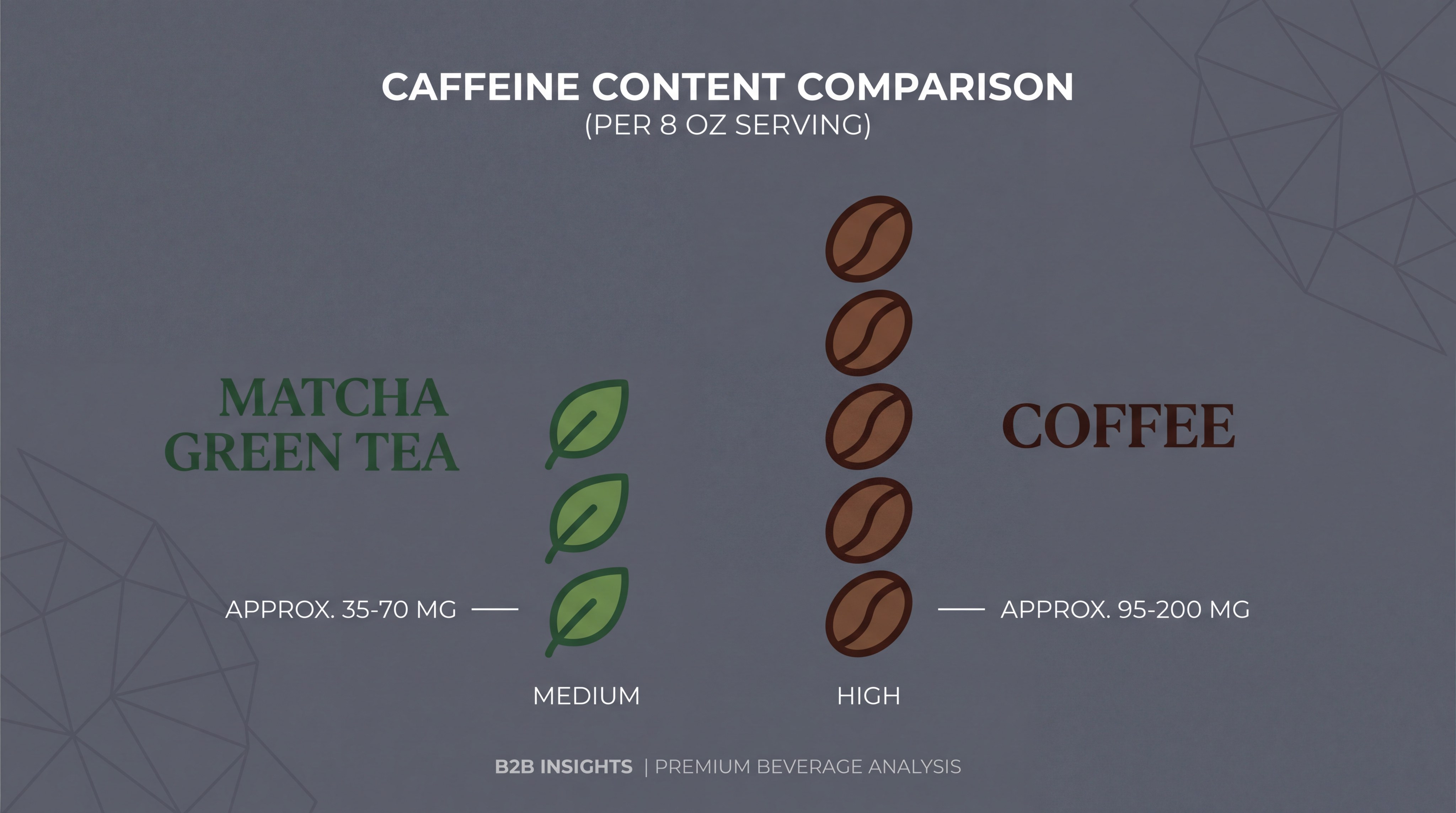
Matcha contains between 19 and 45 mg of caffeine per gram, with a typical 2-gram serving providing approximately 60 to 70 mg of caffeine. While this is lower than the 95 to 200 mg found in a standard cup of coffee, the presence of L-theanine in matcha ensures a sustained energy release without the jitters.
In short:
Key points:
- Matcha averages 32mg of caffeine per gram of powder.
- A standard serving (2g) contains roughly 60-70mg of caffeine.
- L-theanine creates a unique “calm alertness” unlike coffee.
- High-grade matcha is ideal for B2B cafe applications .
How much caffeine is in matcha vs coffee?
Matcha contains approximately 19 to 44 mg of caffeine per gram, whereas roasted coffee beans contain roughly 10 to 12 mg per gram. For B2B buyers, understanding this density is crucial for menu engineering and cost-per-serving calculations. While coffee has less caffeine per gram, the standard preparation uses much more raw material—roughly 10-20g of beans per cup compared to just 2g of matcha powder.
But that’s only half the story. Because matcha involves consuming the entire leaf rather than just an infusion, the bioavailability of the nutrients is significantly higher. In a commercial setting, this means you can offer a “high-energy” alternative to espresso using a very small amount of inventory.
| Beverage Source | Caffeine per Gram | Typical Serving Size | Total Caffeine per Cup | |
|---|---|---|---|---|
| Matcha Powder | 19 – 45 mg | 2 grams | 60 – 70 mg | |
| Coffee Beans | 10 – 12 mg | 10 – 15 grams | 95 – 200 mg | |
| Espresso | N/A | 1 shot (1 oz) | 63 – 75 mg |
Key Takeaway: While a cup of coffee generally has a higher total caffeine count, matcha provides a more efficient delivery system. For businesses, this translates to lower shipping weights and higher profit margins per drink served.
Does the grade of matcha affect caffeine content?
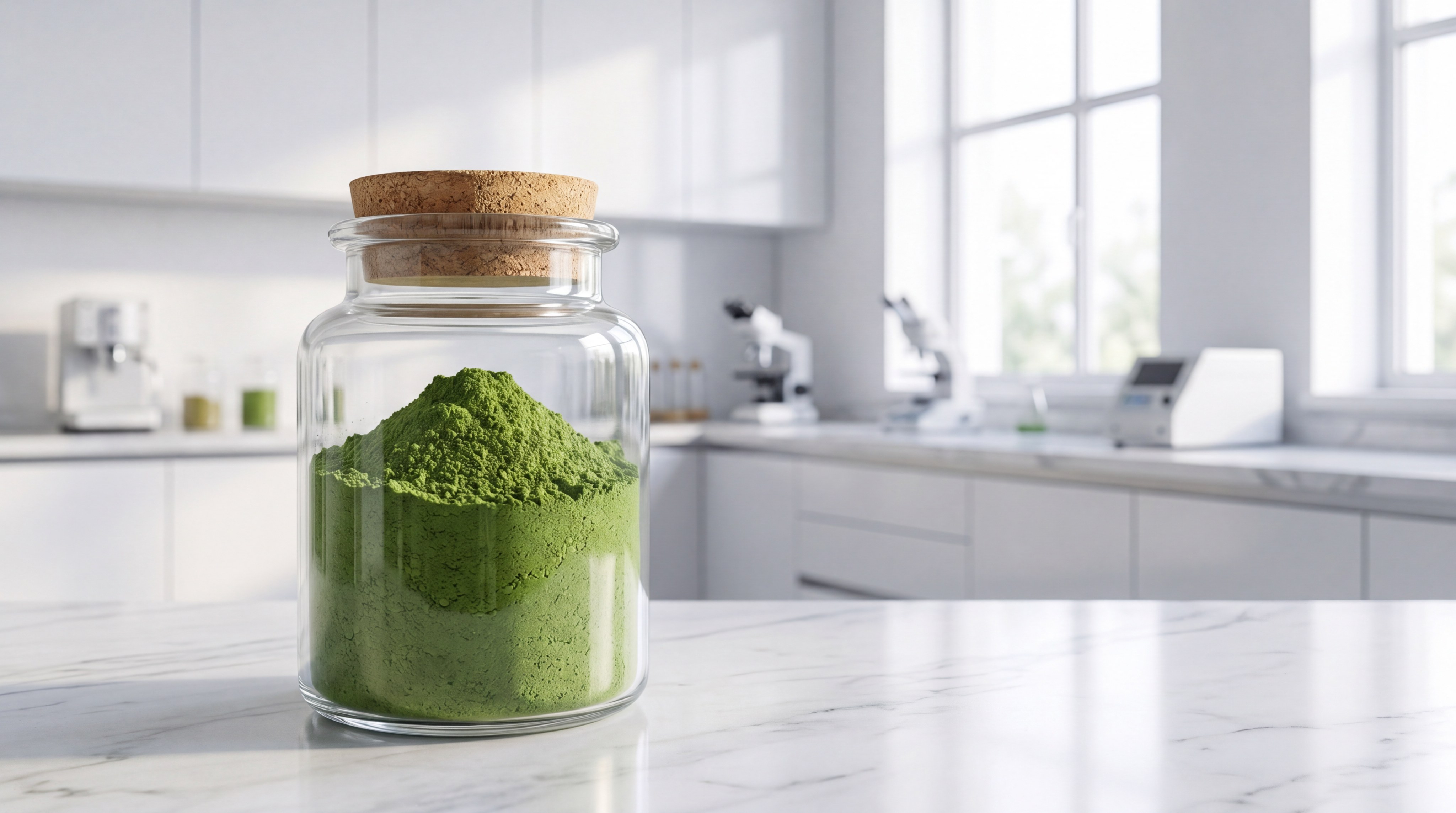
Yes, the grade of matcha—specifically how the leaves are harvested and processed—drastically alters the caffeine and amino acid profile. High-quality ceremonial grades are harvested from the youngest tea leaves, which naturally contain higher caffeine concentrations to protect the plant from insects. Conversely, culinary matcha is harvested later in the season, resulting in a slightly lower caffeine count but a more robust flavor profile suited for baking.
Think about it: your customers’ needs change based on the time of day. A morning crowd might demand the high-caffeine punch of a ceremonial grade, while an afternoon bakery client might prefer the balanced profile of a culinary blend.
Key Takeaway: Sourcing various grades allows B2B partners to cater to different consumer physiological needs. Always verify the harvest season of your wholesale supply to ensure consistent energy delivery.
How does L-theanine in matcha impact caffeine absorption?
L-theanine in matcha acts as a natural modulator that slows the release of caffeine into the bloodstream, preventing the “spike and crash” cycle. For the modern professional, this “calm energy” is a major selling point. In a B2B context, promoting this benefit can position your brand as a “wellness-first” alternative to traditional coffee shops.
It gets better. L-theanine promotes alpha-wave activity in the brain, which is associated with relaxation and focus. This makes matcha the perfect beverage for co-working spaces and office environments where sustained concentration is more valuable than a short-lived burst of nervous energy.
Key Takeaway: The synergy between L-theanine and caffeine is matcha’s “secret weapon.” Highlighting this “no-crash” benefit in your marketing can justify the premium price point of ceremonial matcha .
What is the caffeine content in a matcha latte?
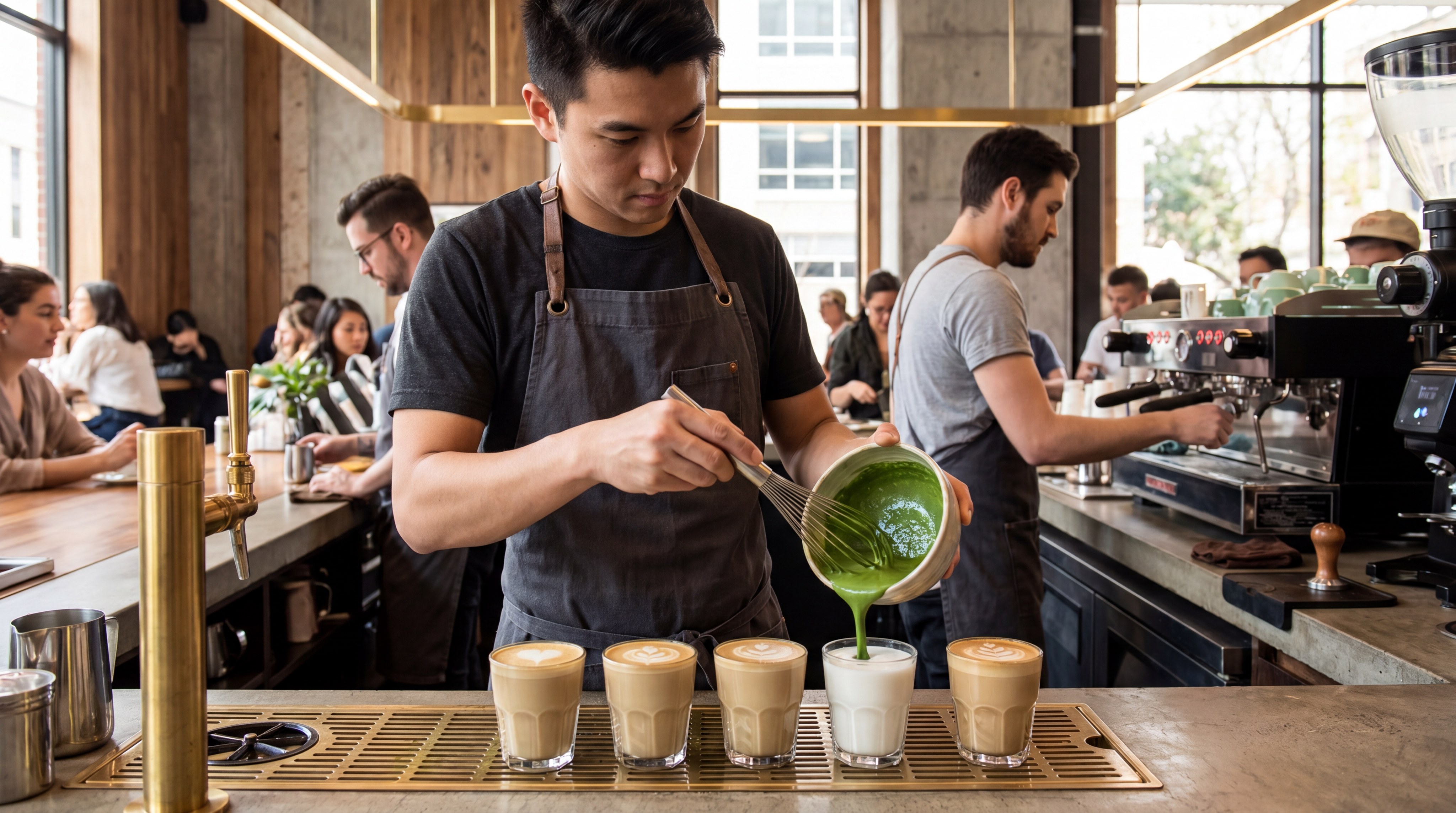
A standard matcha latte typically contains between 50 and 150 mg of caffeine, depending on whether the barista uses one or two teaspoons of powder. Most commercial recipes use a 2-gram serving, which aligns with the industry standard of ~64mg of caffeine. However, many specialty cafes now offer “double-shot” matcha options to compete with large lattes.
Here is the kicker: the addition of milk or plant-based alternatives does not significantly alter the caffeine absorption, but it does improve the mouthfeel and perceived value of the drink. If you are running a matcha latte program , consistency in measuring your powder is the only way to guarantee a repeatable caffeine experience for your regulars.
| Latte Size | Matcha Amount | Caffeine Content | Target Customer | |
|---|---|---|---|---|
| 8 oz Small | 1.5 – 2g | 48 – 64 mg | Health Conscious | |
| 12 oz Medium | 2 – 3g | 64 – 96 mg | The Daily Worker | |
| 16 oz Large | 4g | 128 – 140 mg | Coffee Switchers |
Key Takeaway: Precision in dosing is critical for B2B operations. Using standardized scoops or pre-measured sachets ensures your customers receive the exact energy boost they expect every time.
Is ceremonial matcha higher in caffeine than culinary?
Generally, ceremonial matcha contains roughly 34 mg of caffeine per gram, while culinary grade averages around 28 mg per gram. This difference occurs because ceremonial leaves are shade-grown for longer periods, a process that forces the plant to produce more chlorophyll and caffeine. For businesses looking for private label matcha , choosing a ceremonial base is often preferred for “performance” or “focus” oriented branding.
Now, you might be wondering why anyone would choose the lower-caffeine culinary grade. The answer lies in the application. Culinary matcha’s bolder, more astringent flavor cuts through fats and sugars in chocolates and pastries, whereas the delicate sweetness of ceremonial grade would be lost.
Key Takeaway: Don’t assume higher caffeine always equals “better.” Select your grade based on whether the final product will be sipped pure or integrated into a complex food or beverage recipe.
What factors can change the caffeine level in matcha?
The primary factors that change matcha caffeine levels include the shade-growing duration, the water temperature used during preparation, and the age of the tea bushes. Younger bushes (under 30 years) tend to produce more caffeine than older, established plants. Furthermore, using water above 80°C (176°F) can extract caffeine more rapidly but may also release unpleasant tannins, ruining the flavor profile for the end-user.
From a supply chain perspective, the storage conditions are also vital. While caffeine itself is relatively stable, the degradation of L-theanine and chlorophyll over time can change the perception of the caffeine’s effect, making it feel harsher. This is why AdoroHu prioritizes airtight, light-protected packaging for all bulk shipments.
Key Takeaway: Control the variables you can. Use moderate water temperatures and ensure your wholesale organic matcha is stored in a cool, dark environment to maintain its premium chemical profile.
FAQ
- Q: Is matcha’s caffeine safe for daily consumption?
- Yes, for most healthy adults, consuming up to 400mg of caffeine per day is considered safe. This equates to approximately 5-6 standard cups of matcha.
- Q: Does matcha cause a “crash” like coffee does?
- No, because the L-theanine in matcha promotes a slow, sustained release of energy rather than the rapid insulin and adrenaline spikes caused by coffee.
- Q: Can I drink matcha in the evening?
- It is generally recommended to avoid matcha 6 hours before bed, as the caffeine effects can last significantly longer than coffee due to the slow-release nature.
- Q: How much caffeine is in a 2g serving?
- A standard 2-gram serving (roughly 1 teaspoon) contains between 60mg and 70mg of caffeine, similar to a single espresso shot.
- Q: Does the color of matcha indicate caffeine levels?
- Indirectly, yes. Vibrantly green matcha indicates high chlorophyll and L-theanine from shade-growing, which usually correlates with higher caffeine content.
Conclusion
Understanding the nuances of matcha caffeine allows B2B buyers to make informed decisions that enhance both menu quality and customer satisfaction. By leveraging the “calm alert” benefits of AdoroHu’s premium supplies, your business can capture the growing market of consumers seeking a smarter alternative to coffee. Ready to elevate your beverage program with high-performance matcha? Contact our wholesale team today to request samples and pricing.