
Making a professional matcha latte like a barista requires high-grade powder, precise water temperature, and proper emulsification techniques. In a commercial environment, inconsistent drink quality is a silent profit killer. Think about it: a single clumpy or bitter serving can drive a loyal customer toward a competitor, damaging your brand reputation and long-term revenue. To solve this, AdoroHu Matcha provides the wholesale matcha and technical training required to turn every staff member into a specialist.
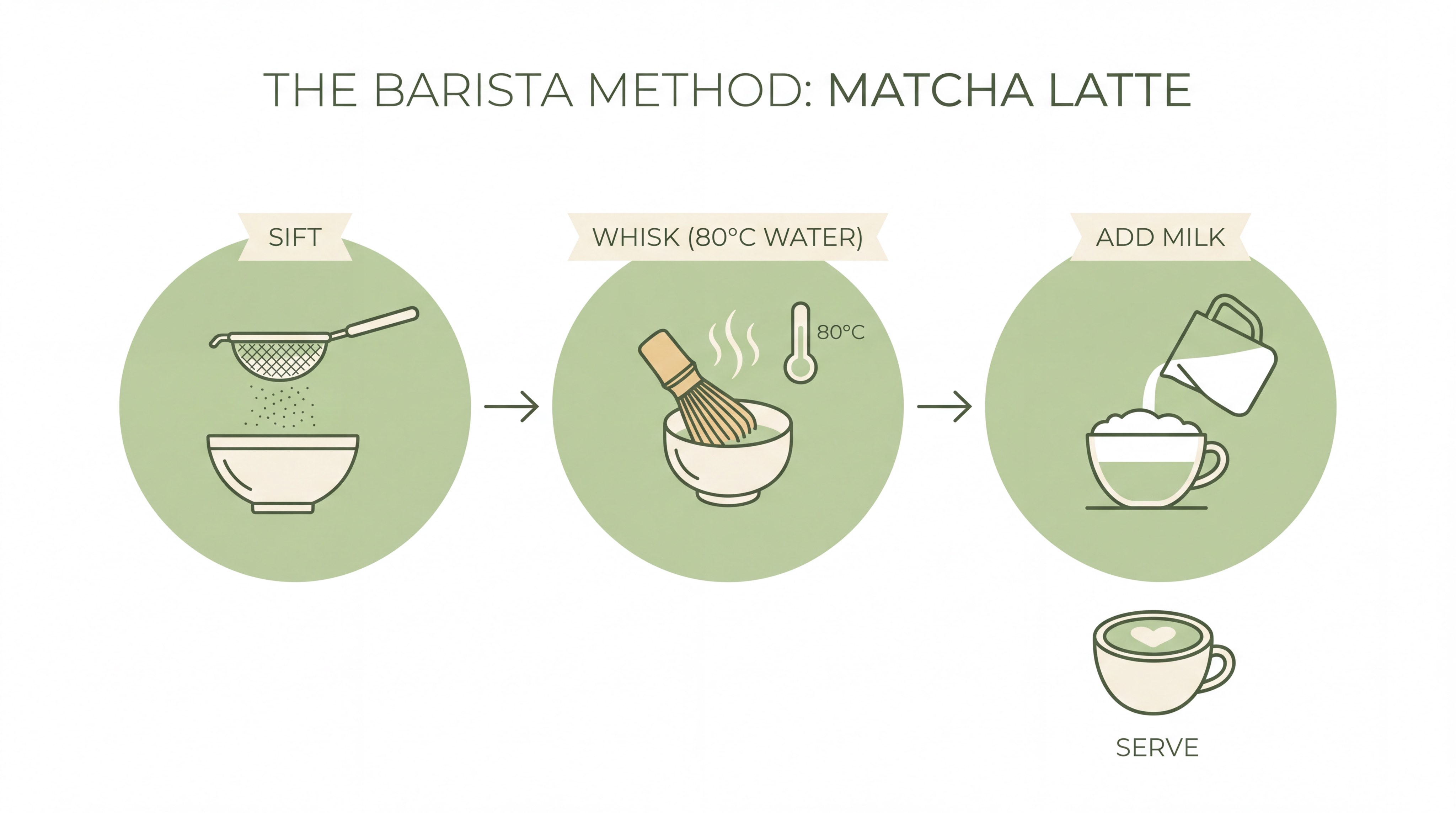
To make a matcha latte like a barista, sift 2 grams of premium matcha into a bowl, whisk with 60ml of 80°C water in a zig-zag motion until frothy, then pour over 200ml of steamed milk. Using a high-quality bamboo whisk or electric frother ensures a smooth, clump-free texture essential for cafe-grade results.
In short:Professional matcha preparation is a balance of chemistry and craft. By standardizing your “matcha shot” preparation and temperature control, you ensure a repeatable, high-margin product that rivals any specialty tea house.
Key points:
- Use high-quality powder
- Control water temperature
- Perfect the milk texture
1. What is a professional matcha latte and why is it essential for your menu?
Learning how to make matcha latte at a professional level involves understanding the synergy between umami-rich L-theanine and creamy milk textures. The truth is, matcha lattes are no longer a niche health trend; they are a staple high-margin item with a gross margin potential often exceeding 80%. Unlike coffee, which relies on complex bean extraction, a high-quality matcha latte relies on the quality of the suspension and the vibrancy of the color.
The Value Proposition of Matcha
- Higher Perceived Value: Customers associate matcha with wellness and are often willing to pay a premium.
- Lower Equipment Barrier: You don’t need a $20k espresso machine to produce a world-class matcha latte.
- Broad Demographic Appeal: It attracts both caffeine seekers and health-conscious consumers.
Key Takeaway: A standardized matcha program is a strategic asset for any cafe looking to increase its average ticket price through wellness-oriented beverages.
2. How to make matcha latte cost-effective by choosing between ceremonial and barista grades?
To understand how to make matcha latte profitably, you must distinguish between the expensive ceremonial grade and more robust barista-specific blends. Here is the kicker: using a top-tier ceremonial grade in a 16oz latte is often a waste of money because the delicate nuances are lost in the milk. Instead, a “Barista Edition” or high-end culinary grade offers the necessary punch and color at a fraction of the cost.
Comparing Matcha Grades for Commercial Use
| Feature | Ceremonial Grade | Barista/Latte Grade | Culinary Grade | |
|---|---|---|---|---|
| Harvest | First Harvest (Spring) | First & Second Blend | Second/Third Harvest | |
| Color | Electric Emerald | Vibrant Green | Dull/Olive Green | |
| Flavor | Delicate, Sweet, Umami | Bold, Vegetal, Creamy | Bitter, Astringent | |
| Best Use | Tea Ceremony (Plain) | Matcha Lattes | Baking & Smoothies |
Key Takeaway: Selecting a dedicated matcha for latte allows you to maintain a premium sensory experience while protecting your bottom line.
3. How to make matcha latte like a barista using the precise sifting and whisking method?
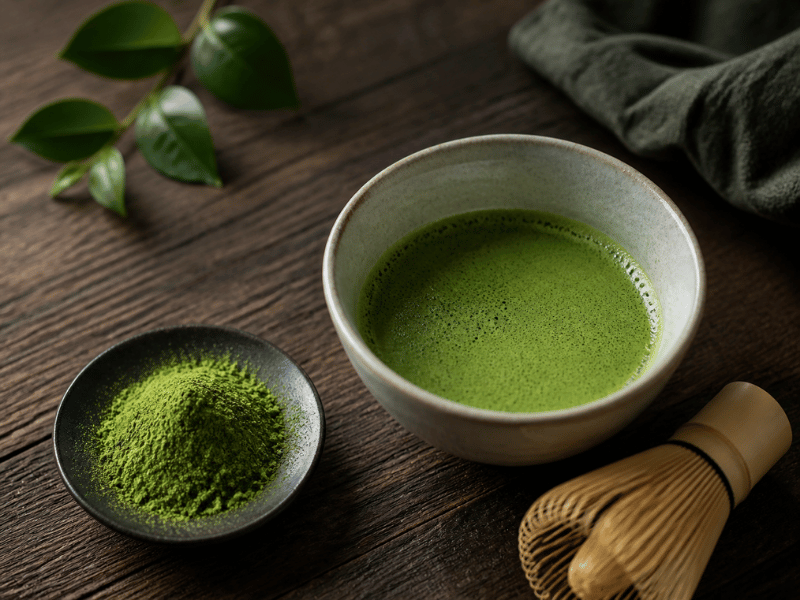
The foundational secret of how to make matcha latte without clumps is the “matcha shot” technique. Think about it: if you throw powder directly into milk, it will inevitably clump. Baristas solve this by sifting 2-3 grams of powder through a fine-mesh strainer and whisking it with a small amount of 80°C water to create a concentrated base.
The “Matcha Shot” Workflow
- Sifting: Always sift into the bowl to break up electrostatic clumps.
- Water Temp: Use 80°C (175°F) water; boiling water (100°C) scorches the tea and induces bitterness.
- The Motion: Use a “W” or “Z” motion with a chasen (bamboo whisk) to aerate the tea and create a thick crema.
Key Takeaway: Sifting and temperature control are the two non-negotiable steps for achieving a professional, smooth consistency.
4. Which professional equipment is required to make matcha latte at a commercial scale?
When deciding how to make matcha latte efficiently in a high-volume environment, your choice of equipment dictates speed of service. While a traditional bamboo whisk is visually impressive for “slow bar” service, many high-traffic cafes opt for electric handheld frothers or specialized matcha whisks to ensure consistency across shifts.
Essential Commercial Tools
- Fine Mesh Sifter: For eliminating lumps before whisking.
- Chasen (Bamboo Whisk): Best for artisanal, traditional-style service.
- Electric Milk Frother: For rapid emulsification of the matcha shot.
- Gram Scale: To ensure exactly 2g or 3g is used per cup, maintaining COGS.
Key Takeaway: Invest in tools that balance traditional quality with the speed requirements of your specific service model.
5. How to make matcha latte creamier by sourcing the right dairy and plant-based alternatives?
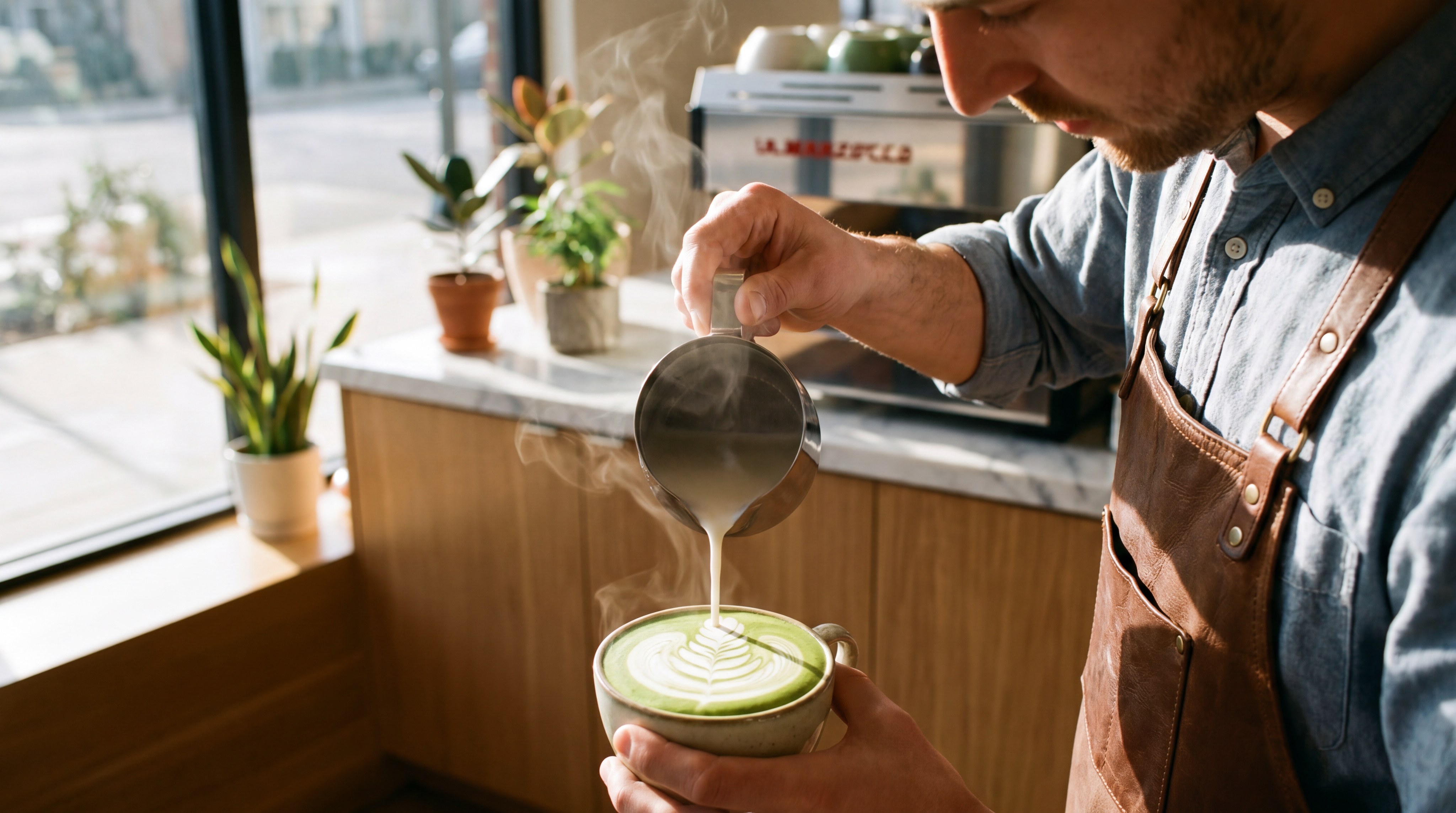
The truth is, how to make matcha latte taste premium often depends more on the milk than the tea. Baristas typically recommend oat or soy milk because their natural fats complement the umami profile of the matcha. When steaming, you want to achieve “microfoam”—a silky texture with no visible bubbles—to allow for potential latte art.
Milk Selection Guide for Matcha
- Oat Milk: The industry favorite for its creamy texture and toasted grain flavor.
- Soy Milk: Provides a heavy body that stands up well to bold matcha.
- Almond Milk: Can be tricky; look for “Barista Blends” to avoid separation.
- Whole Milk: Offers the classic sweetness and fat content for a traditional taste.
Key Takeaway: Use “Barista Series” plant milks to ensure the fat content is high enough to create a stable microfoam and a creamy mouthfeel.
6. How to make matcha latte high-margin by calculating wholesale COGS?
Understanding how to make matcha latte profitable requires a deep dive into your Cost of Goods Sold (COGS). A standard 12oz latte uses approximately 2.5g of matcha. If you source a high-quality latte-grade powder at
70/kg,yourmatchacostpercupisonly
0.175. Even with premium oat milk and labor, your total cost remains low compared to a retail price of
6.00to
8.00.
Standard Commercial Ratios
| Drink Size | Matcha Powder | Hot Water (Base) | Steamed Milk | |
|---|---|---|---|---|
| 8 oz | 2.0g | 40ml | 160ml | |
| 12 oz | 2.5g | 50ml | 250ml | |
| 16 oz | 3.5g | 70ml | 340ml |
Key Takeaway: Matcha lattes offer a significantly higher gross margin than traditional espresso drinks, making them a vital part of a profitable menu.
7. How to make matcha latte quality consistent through JAS organic and COA certifications?
The secret to how to make matcha latte that keeps customers coming back is sourcing consistency. You must ensure your supplier provides a Certificate of Analysis (COA) for every batch. This document verifies that the tea is free from heavy metals, radiation, and pesticide residues, ensuring your business remains compliant with food safety standards.
What to Look for in a Supplier
- JAS Organic Certification: The gold standard for Japanese organic tea.
- Traceability: Knowledge of which prefecture (e.g., Uji, Kagoshima) the tea originated from.
- Freshness: Matcha should be stone-ground and air-freighted to prevent oxidation.
Key Takeaway: Professional sourcing is about risk management; only use suppliers that provide full transparency and technical documentation.
8. How to make matcha latte sourcing easier by partnering with direct Japanese tea wholesalers?
Many businesses fail to realize how to make matcha latte more profitable simply by cutting out middlemen. Partnering directly with a Japanese wholesaler like AdoroHu can save you 25–40% on procurement costs. Direct sourcing also ensures you receive the freshest possible product, which is critical because matcha begins to lose its vibrant color and flavor within months of grinding.
Benefits of Direct Sourcing
- Cost Savings: Eliminate distributor markups.
- Consistency: Get the same cultivar blend year-round.
- Expertise: Direct access to tea masters and technical brewing data.
Key Takeaway: Moving away from local distributors to a direct-from-origin model is the fastest way to increase your beverage margins.
9. How to make matcha latte branding unique with private label and custom OEM blends?
If you operate multiple locations, knowing how to make matcha latte a signature part of your brand involves private label services. By creating a custom OEM blend, you can specify the exact color and flavor profile that matches your brand identity, while also selling retail bags to your customers for home use.
The Private Label Advantage
- Brand Loyalty: Customers can only get your specific flavor at your cafe.
- Retail Revenue: 30g or 100g bags provide an additional high-margin revenue stream.
- Exclusivity: A unique blend prevents price comparisons with local competitors.
Key Takeaway: Custom blending allows you to own the flavor profile of your most popular wellness beverage.
10. How to make matcha latte consistently by avoiding common commercial mistakes?
The truth is, how to make matcha latte incorrectly is far easier than doing it right. Most cafes fail because of poor storage or incorrect water temperature. Matcha is highly sensitive to light and oxygen; if stored in a clear jar on a sunny counter, it will turn brown and bitter within days.
Top Mistakes to Avoid
- Using Boiling Water: This results in a “burnt” taste that no amount of syrup can fix.
- Skipping the Sifting: Creates a gritty mouthfeel and wasted powder at the bottom of the cup.
- Poor Storage: Always store bulk matcha in airtight, opaque containers in a cool environment.
- Improper Proportions: Eyeballing measurements leads to inconsistent flavor and fluctuating margins.
Key Takeaway: Education and standardized SOPs (Standard Operating Procedures) are the only way to ensure every barista delivers a perfect cup.
FAQ
- Why is my matcha latte bitter?Bitterness usually comes from using water that is too hot (above 80°C) or using a low-quality culinary grade powder intended for baking rather than beverages.
- Do I need to use a bamboo whisk in a cafe?While a chasen provides the best foam, many cafes use electric frothers for speed and consistency across different staff members.
- Which milk is best for latte art with matcha?Oat milk and whole dairy milk are the most reliable for creating the microfoam needed for intricate latte art designs.
- What is the difference between ceremonial and barista grade?Ceremonial is for drinking plain; Barista grade is blended to have a stronger flavor that “cuts through” the taste of milk.
- How should I store bulk matcha?Store it in an airtight, light-proof container in a cool, dry place—ideally a refrigerator if the container is perfectly sealed against moisture.
Conclusion
Mastering the art of the matcha latte is a transformative step for any beverage business. By combining the right wholesale matcha with disciplined barista techniques, you create a product that is both culturally authentic and commercially superior. Ready to elevate your cafe’s menu with premium Japanese sourcing? Contact AdoroHu Matcha today to request samples and wholesale pricing.