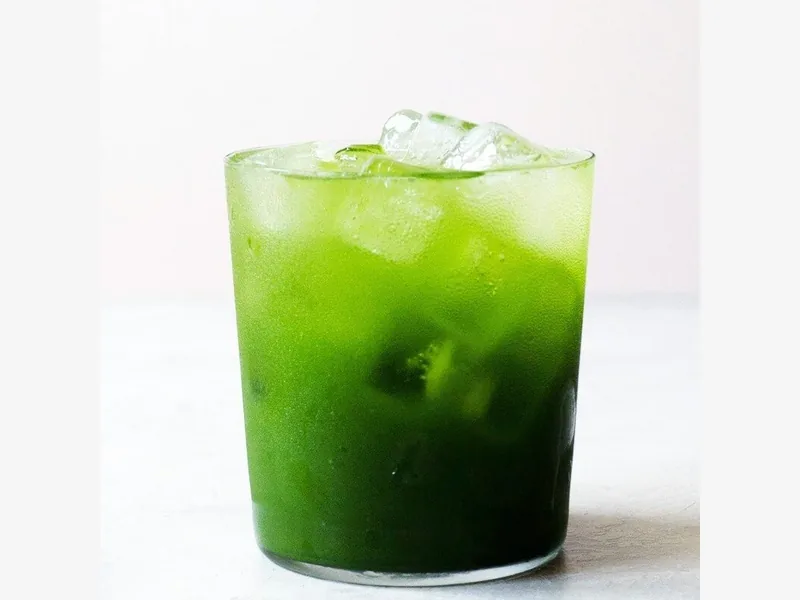
A café should set how much matcha powder per cup through a controlled recipe trial based on cup size, milk, sweetness, ice, flavor target, powder strength, and margin. Two grams can serve as a producer starting recipe example, but it is not a universal dose or a health recommendation. A café should test controlled 2 g, 3 g, and 4 g scenarios in its actual recipes, then choose the lowest dose that produces the intended customer experience. Without a written trial, staff may compensate by scooping more powder, producing variable drinks and unreliable costs. A scale, fixed recipe, and short scorecard turn dose selection into an operating standard.
1. What Is a Practical Matcha Dose Starting Point?
A practical starting point is 2 g of matcha for one trial cup, followed by measured adjustments based on the recipe. This number is a formulation reference, not a rule for every product or person. The right commercial dose must be confirmed through taste, color, texture, cost, and service tests.
One illustrative producer starting recipe combines 2 g of matcha with 60 ml of water, then adds about 140 ml of milk. Treat those quantities as a controlled trial setup rather than a prescription. Your cup geometry, ice, milk, sweetener, service temperature, and selected powder can all justify a different approved formula.
How should the initial trial be set up?
Keep the opening comparison simple:
- weigh 2 g on a scale rather than using a spoon
- record water, milk, syrup, ice, and cup volume
- prepare the drink with the normal café method
- score flavor presence, bitterness, color, and texture
- repeat at 3 g and 4 g only when the brief calls for it
| Trial | Powder | Purpose |
|---|---|---|
| A | 2 g | Producer starting recipe example |
| B | 3 g | Hypothetical stronger scenario |
| C | 4 g | Hypothetical high-intensity scenario |
These trial points create a dose ladder without declaring one universal answer.
Key Takeaway: Begin with a weighed 2 g example, then let the finished recipe decide.
2. How Does Cup Size Change Matcha Powder per Cup?
Cup size changes perceived intensity because more liquid can dilute the same amount of matcha. A dose that works in a small straight drink may taste weak in a large iced latte. Scaling powder in direct proportion to cup volume is only a calculation hypothesis; sensory testing must confirm it.
Which volumes belong on the test sheet?
Record actual filled volume, not the cup label alone:
- matcha concentrate water
- milk or alternative milk
- syrup or flavor base
- ice volume and expected melt
- headspace and foam
- final beverage weight or volume
| Cup scenario | Controlled variable | Buyer question |
|---|---|---|
| Small hot cup | Total liquid | Is 2 g clear and balanced? |
| Large hot cup | Added milk | Does flavor disappear? |
| Small iced cup | Ice displacement | Is opening strength suitable? |
| Large iced cup | Melt and long service | Does the last sip hold up? |
Measuring the assembled drink prevents false comparisons based on nominal cup size.
Key Takeaway: Set dose against the beverage customers receive, including ice and foam.
3. How Should Cafés Run a 2 g, 3 g, and 4 g Trial?
Cafés should run the 2 g, 3 g, and 4 g scenarios with every other ingredient and preparation step fixed. These are hypothetical formulation points for comparison. They do not represent intake guidance, and the strongest cup should not win automatically.
What should the panel score?
Use blind codes so dose expectations do not steer the result:
- matcha aroma through the complete drink
- tea flavor against milk and sweetener
- bitterness and astringency
- color under normal service lighting
- mouthfeel and sediment
- willingness to reorder at the planned menu price
| Score area | Low-dose risk | High-dose risk |
|---|---|---|
| Flavor | Matcha may disappear | Cup may become harsh |
| Color | Menu cue may look weak | Appearance may exceed the brief |
| Texture | Thin tea presence | More sediment or drying feel |
| Margin | Customer value may feel low | Powder cost may rise sharply |
The approved dose should meet the brief without paying for intensity customers do not want.
Key Takeaway: Blind-test the dose ladder and choose for balance, not maximum strength.
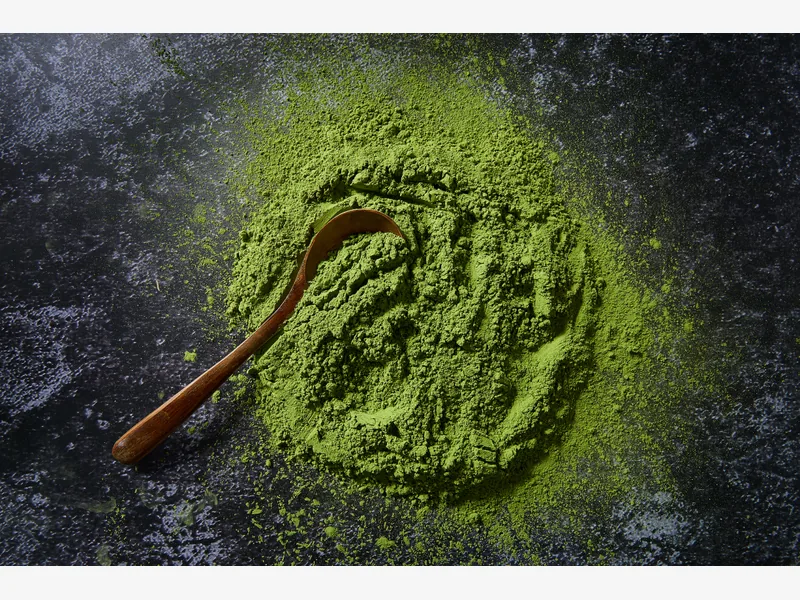
4. How Do Milk and Sweetener Affect Matcha Dose?
Milk and sweetener can soften bitterness, change aroma release, alter color, and mask delicate matcha character. A dose approved in water cannot be transferred to a latte without another test. Dairy and plant-based options may also need separate recipes.
Which recipe variables must stay fixed?
Compare dose changes inside one standard formula:
- milk brand and type
- milk temperature
- syrup type and weight
- matcha concentrate water
- blending or whisking time
- service time before tasting
| Variable | Possible effect | Trial response |
|---|---|---|
| Higher sweetness | Less perceived bitterness | Check tea presence |
| Richer milk | Softer aroma and finish | Test next dose point |
| Plant milk flavor | Competes with matcha | Score each menu option |
| Hot service | Changes aroma and bitterness | Fix temperature range |
Use AdoroHu’s premium matcha range when discussing latte strength and sample options.
Key Takeaway: Calibrate matcha inside each milk and sweetness combination sold.
5. How Does Ice Change Matcha Powder per Cup?
Ice changes matcha powder per cup by displacing liquid at service and adding water as it melts. The opening sip and final sip may have different strength. A useful iced recipe defines ice weight, liquid volume, cup size, and expected holding time.
How can an iced trial reflect customer use?
Run a short time-based check:
- weigh the ice for every sample
- prepare equal cups in the same order
- taste immediately after assembly
- repeat after a defined waiting period
- note color, separation, sweetness, and tea presence
- test the normal straw or lid setup
| Checkpoint | Observation | Possible adjustment |
|---|---|---|
| At service | Opening intensity | Change concentrate or dose |
| Mid-drink | Balance after melt | Adjust ice or total liquid |
| Final sip | Dilution and sediment | Review mixing process |
| Delivery hold | Separation | Validate remixing guidance |
An iced dose should remain acceptable across the realistic drinking window.
Key Takeaway: Test iced recipes over time instead of scoring only a fresh cup.
6. How Can a Scale Improve Café Consistency?
A scale improves café consistency by replacing variable scoops with a repeatable powder weight. Spoon volume can change with packing, leveling, utensil shape, and staff technique. Weight also gives managers a clean link between recipe, inventory, and serving cost.
What should the dosing procedure include?
Make the standard easy to perform during service:
- choose a scale resolution suited to small weights
- use one dry dosing vessel
- tare before every portion
- keep powder away from steam and moisture
- define acceptable weight tolerance
- verify scales on a maintenance schedule
| Procedure point | Failure mode | Control |
|---|---|---|
| Tare | Container weight enters dose | Display returns to zero |
| Scoop | Powder spills or compacts | Use a dedicated dry tool |
| Scale position | Reading drifts | Use a stable level surface |
| Rush period | Staff skip weighing | Design a faster station flow |
Training should explain that dose control protects both taste and margin.
Once a dose is approved, translate the development worksheet into a station-ready recipe card. List ingredients in service order, state weights and volumes, identify the correct cup and tools, and show the expected finished fill level without relying on memory. Have a trained employee prepare the recipe while another person observes the handoff. Record any unclear instruction, extra movement, or substitution that changes the cup. Revise the card, train the whole shift, and keep the signed version at the station so purchasing, training, and quality checks refer to the same formula.
Key Takeaway: Weigh each portion with a simple station routine staff can repeat.
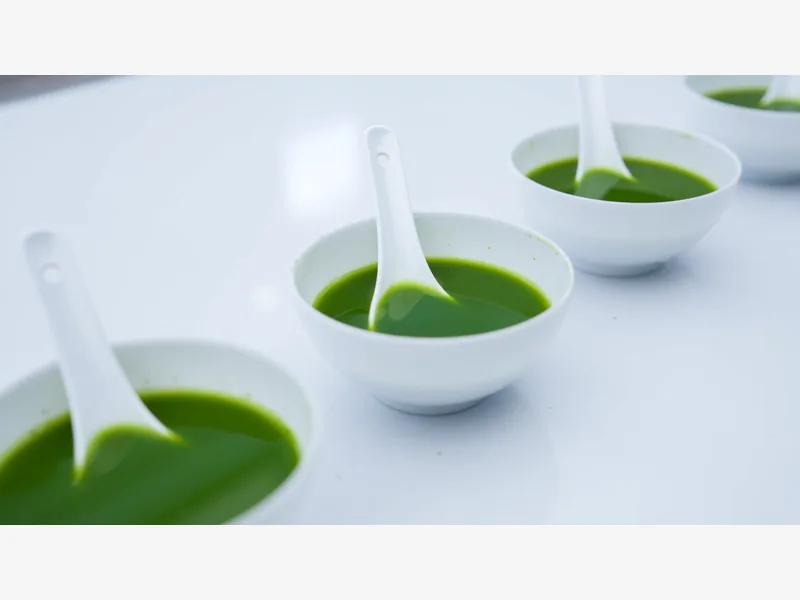
7. How Do You Calculate Servings from One Kilogram?
One kilogram divided by a 2 g recipe equals 500 theoretical servings. Real yield will be lower after transfer loss, spilled powder, residue, training cups, quality samples, and unsold prepared drinks. The same arithmetic gives about 333 theoretical 3 g servings and 250 theoretical 4 g servings, before losses.
How should the yield model show losses?
Separate theoretical math from an operating forecast:
- convert one kilogram to 1,000 g
- divide by the approved grams per cup
- estimate measured handling loss
- include training and quality-control use
- compare expected servings with point-of-sale sales
- investigate unexplained variance
| Hypothetical dose | Theoretical servings from 1 kg | Real yield |
|---|---|---|
| 2 g | 500 | Lower after recorded losses |
| 3 g | About 333 | Lower after recorded losses |
| 4 g | 250 | Lower after recorded losses |
This model makes loss visible without presenting theoretical yield as a promise.
Key Takeaway: Plan inventory from measured usable yield, not division alone.
8. How Does Dose Affect Matcha Cost per Cup?
Dose affects matcha cost per cup in direct proportion to powder used, before losses and other ingredients. A 4 g recipe uses twice the powder of a 2 g recipe. The stronger recipe may still be commercially sound, but only when sensory value and menu price support it.
Which costs belong in the serving model?
Calculate more than powder price:
- landed powder cost per gram
- approved grams per cup
- measured handling loss
- milk, syrup, ice, cup, and lid
- labor and preparation time
- promotion, waste, and remake allowance
| Cost layer | Formula concept | Use |
|---|---|---|
| Powder | Landed cost per gram × dose | Compare dose scenarios |
| Loss | Powder issued minus explained use | Forecast real yield |
| Ingredients | Standard recipe quantities | Build variable cost |
| Contribution | Menu price minus variable cost | Review commercial fit |
For purchasing scenarios, AdoroHu’s wholesale product options can support a grade and price discussion.
Key Takeaway: Approve dose and cost together because each changes the menu case.
9. How Can Managers Control Matcha Waste?
Managers can control matcha waste by measuring where powder leaves inventory and why. Waste includes receiving damage, transfer residue, spills, inaccurate portions, training drinks, remakes, open-pack deterioration, and unexplained variance. Each category needs a different response.
Which records reveal the cause?
Use a short weekly reconciliation:
- opening and closing inventory by lot
- stock received and transferred
- drinks sold by recipe
- training and quality cups
- spills, remakes, and discarded open stock
- calculated versus actual use
| Variance source | Evidence | Corrective action |
|---|---|---|
| Over-portioning | Scale checks and recipe audit | Retrain dosing step |
| Spills | Waste log | Change vessel or station layout |
| Old open stock | Opening-date record | Use smaller inner packs |
| Recipe override | Sales and dose mismatch | Lock approved recipe |
Waste data should improve workflow rather than punish staff for reporting problems.
Key Takeaway: Name each loss category before trying to reduce total variance.
10. How Do You Lock a Matcha Recipe for Service?
Lock a matcha recipe after the dose passes sensory, cost, workflow, and holding tests. The recipe card should specify weight, liquids, temperature, mixing, ice, cup, and acceptable substitutions. A trial shift then shows whether trained staff can reproduce it under normal demand.
For U.S. café operations, the FDA Food Code is a model reference; confirm the rules adopted by the jurisdiction where the recipe is served.
What belongs in final approval?
Use a controlled launch checklist:
- signed recipe and version date
- approved matcha item and backup policy
- scale and tool setup
- staff demonstration and observed practice
- cup-quality spot checks
- stock usage and variance review
| Approval gate | Evidence | Owner |
|---|---|---|
| Sensory | Panel score and target cup | Beverage lead |
| Cost | Serving-cost worksheet | Manager or purchasing |
| Workflow | Timed trial shift | Operations |
| Supply | Approved item and reorder point | Purchasing |
For a dose-focused sample discussion, contact AdoroHu with the cup size, milk, sweetness, ice, target flavor, and forecast volume.
Key Takeaway: Release one weighed recipe that staff can repeat and managers can cost.
A profitable matcha recipe uses enough powder to meet the customer brief without hiding avoidable variation or waste. The 2 g starting example and 2 g, 3 g, and 4 g trial scenarios give your team a controlled way to find that point. Record actual cup volume, milk, sweetness, ice, method, usable yield, and cost before launch. AdoroHu can discuss powder options for café recipes and commercial trials. Contact us today with your recipe conditions to request a suitable sample set.
FAQ
Q1: Can every café use 2 g of matcha per cup?
No. Two grams is a useful producer starting recipe example, not a universal dose. Cup volume, milk, sweetener, ice, powder profile, and customer target all affect the approved weight.
Q2: What’s the best way to measure matcha powder?
Use a suitable digital scale and a dry dosing vessel. Tare the vessel, weigh the approved portion, and verify scale performance through the café’s maintenance routine.
Q3: How do I know whether 3 g tastes better than 2 g?
Run blind coded cups with every other variable fixed. Score flavor, bitterness, color, texture, cost, and customer fit rather than assuming the stronger cup is better.
Q4: Can I multiply dose directly for a larger cup?
You can use proportional math as a trial hypothesis, but sensory testing must confirm it. Milk, ice, sweetness, and service time may prevent a simple linear scale-up.
Q5: What should a matcha recipe card record?
Record powder weight, water, milk, syrup, temperature, mixing method, ice, cup size, service steps, allowed substitutions, version date, and approval owner.