
To drink matcha effectively, you must sift 1–2 grams of high-quality powder into a bowl, add water heated to 70–80°C (175°F), and whisk vigorously in a “W” motion until a thick froth forms. However, many businesses and newcomers struggle with inconsistent quality and overwhelming bitterness found in mass-market commercial powders. These flavor defects often lead to high customer dissatisfaction and wasted inventory for cafes and retailers. AdoroHu solves this by providing premium-sourced, stone-ground powders through our matcha wholesale program, ensuring a vibrant, umami-rich profile in every serving.
The most effective way to drink matcha is to whisk 1 teaspoon of sifted powder with 2 ounces of 175°F water until frothy, then dilute to taste. For a beginner-friendly experience, mix the prepared matcha base with frothed oat or dairy milk to create a creamy latte. Always use ceremonial grade matcha for plain drinking to ensure a smooth, naturally sweet flavor profile without the need for added sugar.
In short:Learning how to drink matcha involves balancing water temperature, powder-to-water ratios, and selecting the correct grade for your specific application.
Key points:
- Sifting is mandatory to prevent unpalatable clumps.
- Water temperature should never exceed 80°C to avoid burning the leaves.
- Grades matter, with ceremonial being best for tea and culinary for baking.
- Wholesale sourcing requires verifying Certificates of Analysis (COA) for purity.
What is the most authentic way to drink matcha for B2B professionals?
The most authentic way to drink matcha is the traditional Japanese preparation known as Usucha (thin tea) or Koicha (thick tea), which emphasizes the tea’s natural umami and sweetness. For a professional setting, this involves using a bamboo whisk (chasen) and a pre-warmed ceramic bowl (chawan) to aerate the tea, creating a signature micro-foam that enhances the mouthfeel. Understanding this foundation is critical for B2B buyers who wish to train staff or market “authentic” experiences to discerning clients.
How do different matcha grades affect how you should drink matcha?
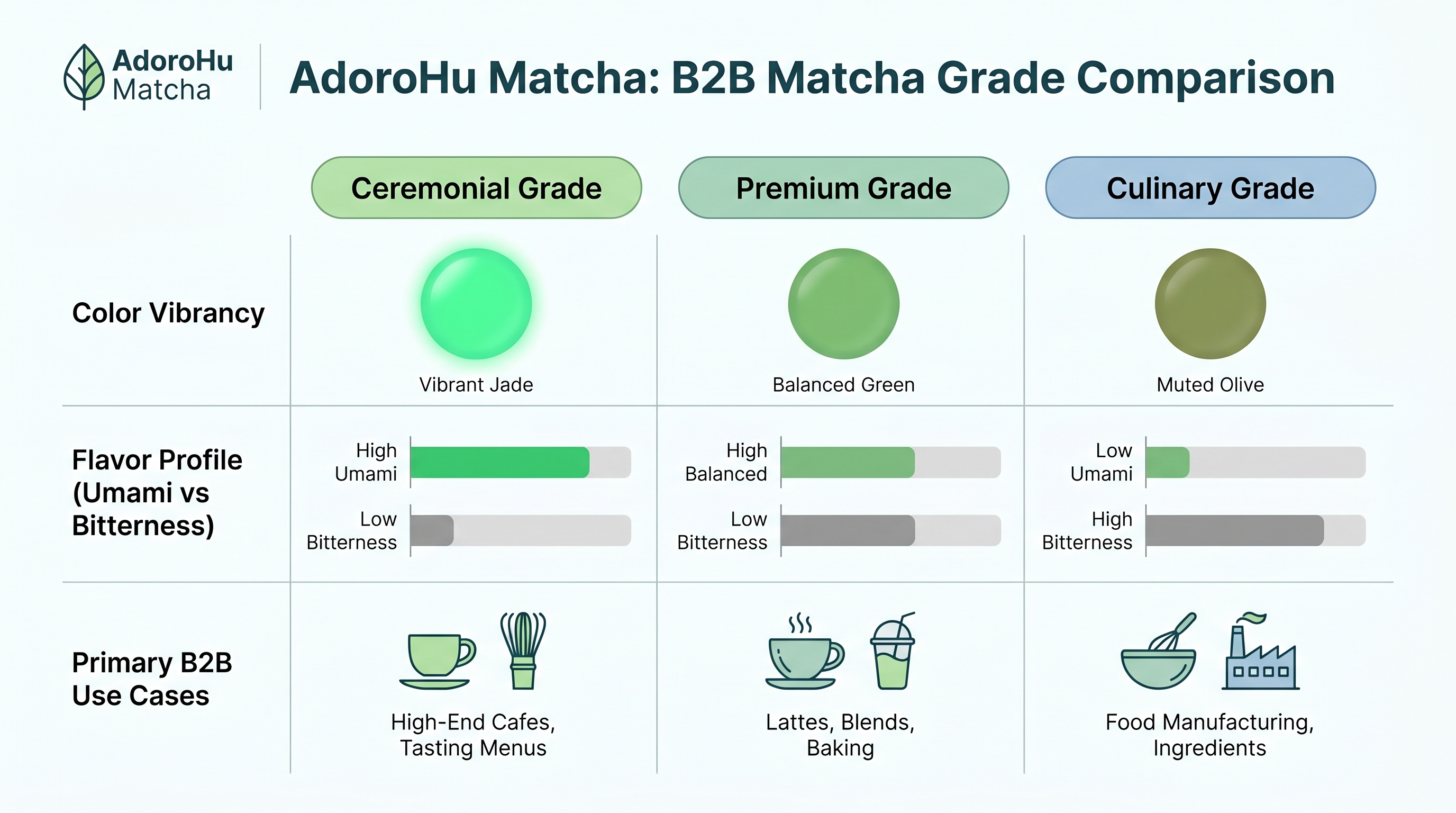
The grade of matcha determines whether it should be consumed as a standalone tea or as a concentrated ingredient in complex recipes. Ceremonial grade is intended for whisking with pure water because its first-flush leaves offer a delicate, non-bitter profile. Conversely, culinary grade is designed for high-volume food and beverage applications where a more robust, slightly astringent flavor is needed to cut through sugar and fats.
Table 1: Matcha Grade Application Matrix
| Grade | Flavor Profile | Primary Use Case | Recommended Preparation | |
|---|---|---|---|---|
| Ceremonial | Sweet, Creamy, Umami | High-end Tea Service | Whisked with 75°C Water | |
| Premium/Latte | Balanced, Grassy | Cafes & Coffee Shops | Matcha Lattes & Iced Drinks | |
| Culinary | Bold, Robust, Bitter | Bakeries & Industrial | Smoothies, Cakes, Cookies | |
| Industrial | Sharp, Very Bitter | RTD Beverages | Extracts & Supplements |
How to drink matcha while evaluating a wholesale supplier’s quality?
When evaluating a supplier, you should drink matcha prepared as a simple Usucha to detect any hidden defects such as oxidation, “fishy” odors, or excessive grittiness. A high-quality wholesale sample will exhibit a vibrant electric green color and a lingering sweetness on the palate. If the tea appears dull or yellow-brown, it indicates poor processing or aging, which will negatively impact your final product’s shelf appeal.
How do production costs influence how to drink matcha in a commercial setting?
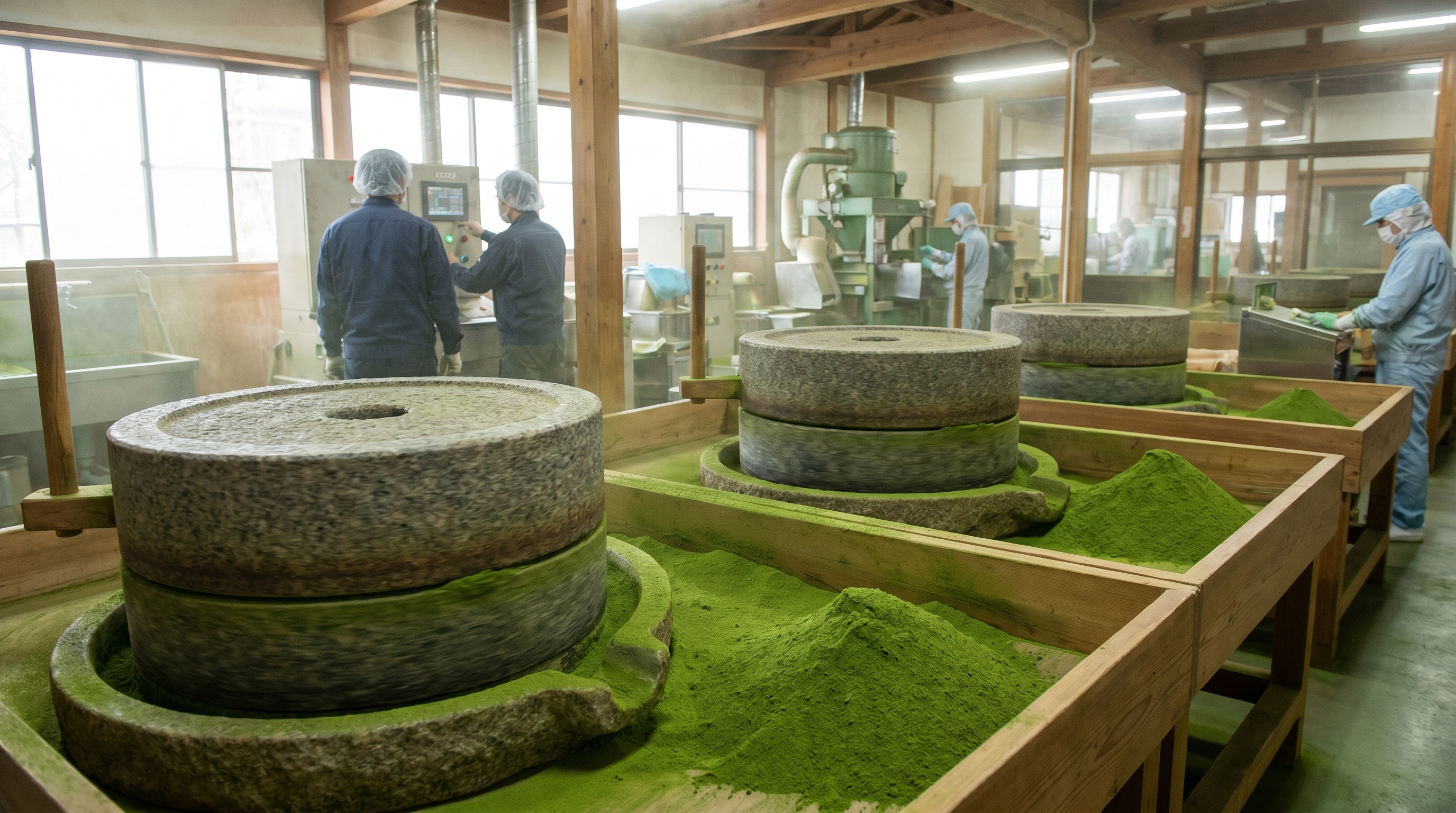
Production costs directly dictate whether a business should serve matcha as a premium standalone ritual or a cost-effective blended beverage. Stone-grounding matcha takes significantly more time and increases the price per kilogram, making it better suited for “By the Cup” ceremonial sales where margins are higher. For large-scale manufacturing, industrial-milled matcha is more affordable, allowing for competitive pricing in mass-market RTD (Ready-to-Drink) products.
Table 2: Estimated Wholesale Pricing by Grade (Q1 2026)
| Matcha Category | Average Cost (USD/kg) | Best For | Volume MOQ | |
|---|---|---|---|---|
| Uji Ceremonial | 180−320 | Luxury Retail | 1kg+ | |
| Kagoshima Premium | 120−160 | Specialty Cafes | 5kg+ | |
| Latte Grade | 65−110 | Franchise Chains | 20kg+ | |
| Culinary Grade | 35−60 | Industrial Food | 100kg+ |
What quality standards should you look for when learning how to drink matcha properly?
Proper matcha consumption relies on ensuring the product meets rigorous safety and purity standards, such as USDA Organic, JAS (Japanese Agricultural Standard), and ISO 22000 certifications. Buyers must verify that the matcha has been tested for heavy metals, pesticide residues, and radiation to guarantee a clean flavor profile. Drinking “untested” matcha can lead to a metallic aftertaste, which is often a red flag for contamination or low-quality soil.
How to drink matcha in high-volume food and beverage applications?
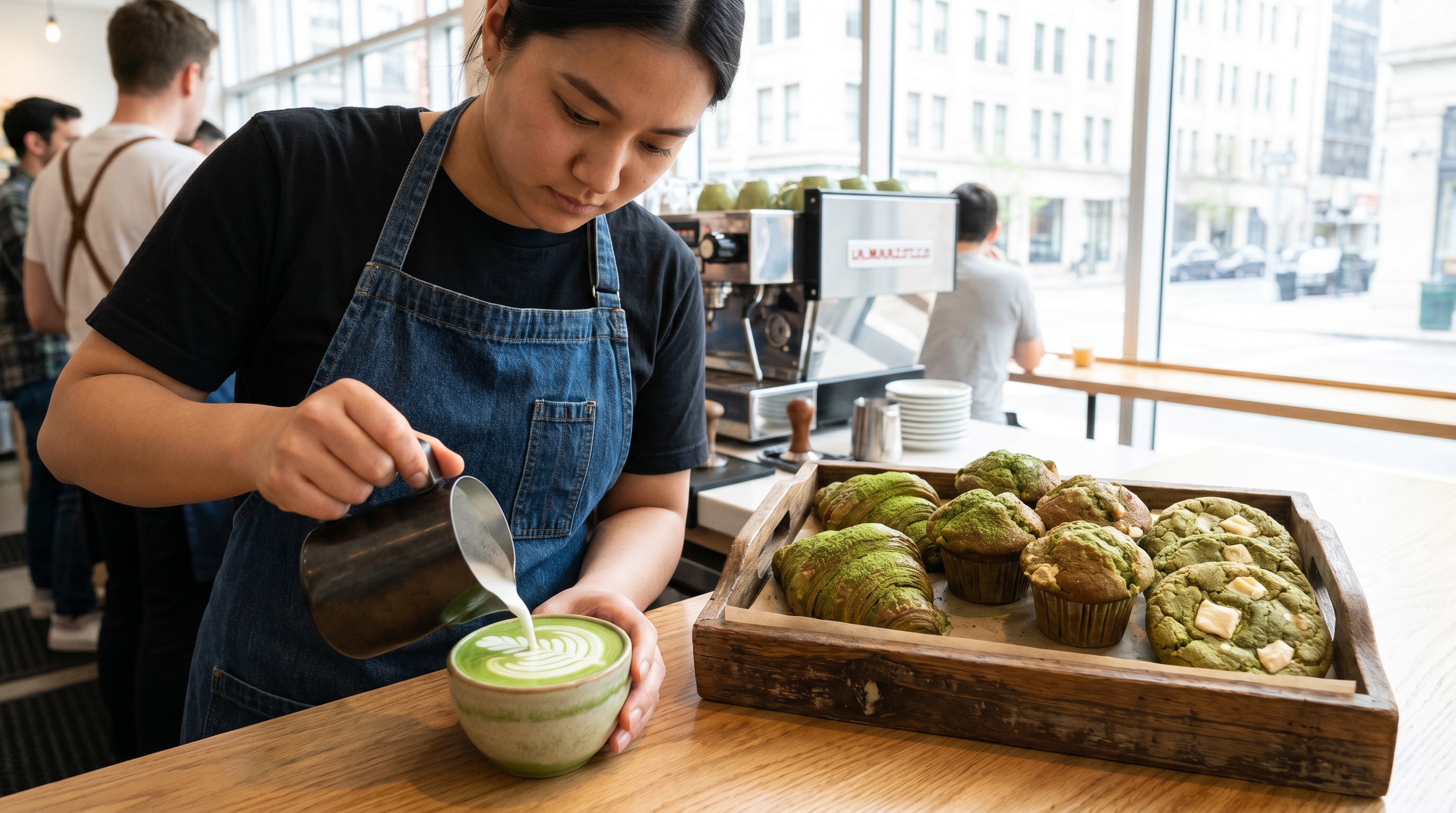
In high-volume environments, the best way to drink or serve matcha is by utilizing pre-made matcha concentrates or high-speed electric frothers to ensure consistency across hundreds of servings. For B2B operators, “batching” matcha by whisking large quantities of premium latte grade powder into a paste allows for quick assembly of iced lattes during peak hours. This method preserves the l-theanine and caffeine synergy while maintaining the drink’s visual vibrancy.
How to drink matcha samples when developing a private label brand?
When developing a private label, you should drink samples through a “blind cupping” process, testing the powder in both hot water and cold milk applications. This ensures that the specific blend you choose maintains its integrity regardless of how the end consumer chooses to prepare it. Evaluating solubility and color retention is paramount, especially if your brand focuses on the wellness or “on-the-go” market segments.
How do logistics and shelf life change how to drink matcha at its peak freshness?
To drink matcha at its peak, it must be consumed within two months of opening, as exposure to oxygen, light, and heat rapidly degrades its antioxidants and color. For B2B logistics, this means choosing suppliers who offer nitrogen-flushed packaging and climate-controlled shipping. If your inventory sits too long, the matcha will lose its “grassy” freshness and take on a flat, hay-like taste that diminishes the customer experience.
What are common mistakes buyers make when choosing how to drink matcha for their business?
The most common mistake is prioritizing a low price point over the grade’s intended preparation, resulting in a “ceremonial” product that is actually a bitter culinary powder. Many buyers also ignore the harvest date, unknowingly purchasing old stock that has already lost its nutritional potency. Serving a bitter, oxidized matcha to a beginner can permanently damage their perception of the tea, leading to lost recurring revenue.
How are current industry trends shaping how to drink matcha in the modern market?
The modern market is shifting toward functional matcha blends—drinking matcha infused with adaptogens like lion’s mane or collagen—to cater to health-conscious professionals. There is also a significant rise in sparkling matcha, where whisked ceremonial tea is topped with carbonated water and citrus. Businesses that adapt to these trends by sourcing versatile, high-solubility powders will capture a larger share of the evolving B2B beverage landscape.
Frequently Asked Questions (FAQ)
- What is the best temperature for drinking matcha?
- The ideal temperature is between 70°C and 80°C (160°F – 175°F).
- Using boiling water (100°C) will scorch the leaves and create an intensely bitter flavor.
- Lukewarm water may not fully activate the powder’s aromatic compounds.
- Can beginners drink culinary grade matcha?
- It is generally not recommended to drink culinary grade matcha plain.
- Its bold, astringent flavor is better suited for lattes or smoothies.
- Beginners should start with ceremonial grade for a smoother introduction.
- How much matcha powder should I use per cup?
- A standard serving is 1 to 2 grams (approximately 1/2 to 1 teaspoon).
- Use 1 gram for a lighter “Usucha” style.
- Use 2-4 grams for a concentrated “Koicha” or a rich 12oz latte.
- Is it necessary to use a bamboo whisk?
- While a bamboo whisk (chasen) provides the best froth, it is not strictly mandatory for beginners.
- An electric handheld frother is a viable B2B alternative for fast-paced cafes.
- A simple protein shaker bottle can work for cold-brew iced matcha.
- Why does my matcha taste like grass or seaweed?
- This “grassy” or “umami” flavor is actually a sign of high-quality, shade-grown matcha.
- If the flavor is too intense, try reducing the amount of powder.
- High-quality ceremonial matcha from Uji or Nishio is prized for this specific profile.
Strategic Considerations for Your Matcha Program
Mastering how to drink matcha is only the first step; the true challenge lies in sourcing a product that remains consistent across seasons. By understanding the nuances of grades, production costs, and preparation techniques, you can build a matcha offering that satisfies both the traditionalist and the modern consumer.
Are you ready to elevate your beverage menu or launch your own brand? contact AdoroHu Matcha today to request professional-grade samples and wholesale pricing tailored to your business needs.