Learning how to make matcha tea correctly is the foundation of maintaining a premium beverage program or food manufacturing line. For many businesses, inconsistent matcha quality in B2B sourcing leads to a bitter product that alienates customers, eventually resulting in brand reputation damage and significant profit loss. At AdoroHu Matcha, we solve these supply chain vulnerabilities by providing expert technical guidance and stable access to matcha wholesale solutions that ensure every serving meets international quality standards.
To make traditional matcha tea, sift 1-2g of premium powder into a bowl, add 2oz of hot water (175°F/80°C), and whisk vigorously in a “W” motion until a thick, frothy layer forms. This process preserves the delicate L-theanine and umami flavor profile.
In short:Key points:
- Water Temperature: Never use boiling water; 160°F–185°F is the professional range.
- Sifting: Essential to remove clumps and ensure a smooth suspension.
- Grades: Choose ceremonial for drinking and culinary for ingredient use.
- Sourcing: Look for ISO/TR 21380:2022 compliance and JAS Organic certification.
What is the traditional method for how to make matcha tea in a B2B setting?
The traditional method for making matcha tea, known as Usucha (thin tea), relies on three specific movements: sifting, tempering, and whisking. In a professional B2B setting—such as a high-end tea house or hospitality suite—this process is standardized to ensure that the amino acid profile (L-theanine) is highlighted while bitterness is suppressed. The ritual begins with sifting the powder to break up electrostatic clumps, followed by using a bamboo whisk (chasen) to create a micro-foam that aerates the tea.
Essential Traditional Steps
- Sifting: Use a fine-mesh stainless steel sifter to ensure the powder is as fine as possible before water contact.
- Whisking Technique: Use a vigorous “W” or “M” motion from the wrist, rather than a circular motion, to create a thick froth with tiny, uniform bubbles.
- Ratio Management: Maintain a strict ratio of 1 gram of matcha to 60-70ml of water for consistent flavor strength across all servings.
Key Takeaway: Traditional preparation focuses on aeration and temperature control to maximize the umami flavor profile and creamy texture.
Which matcha grades are most suitable for high-volume beverage preparation?
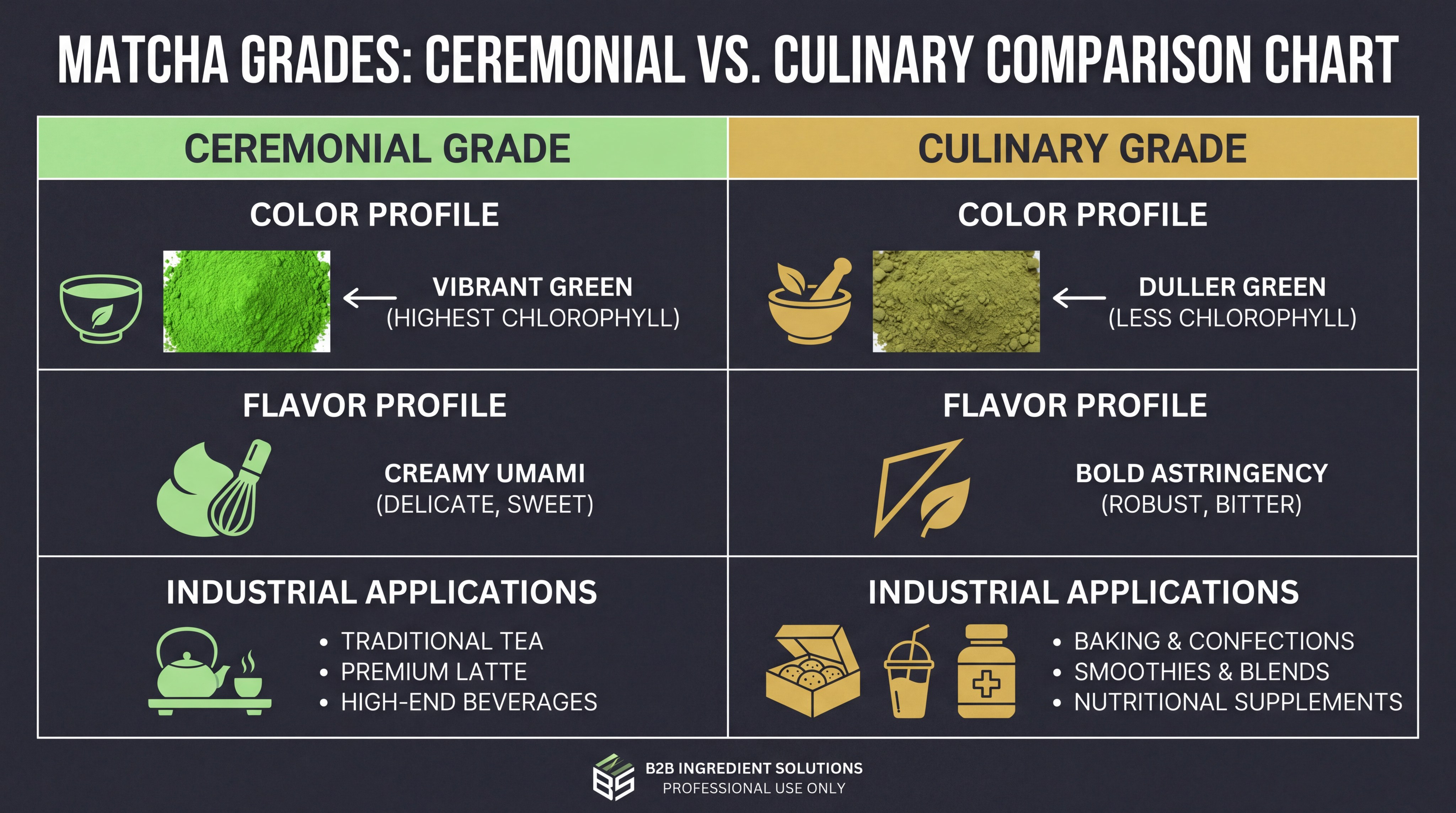
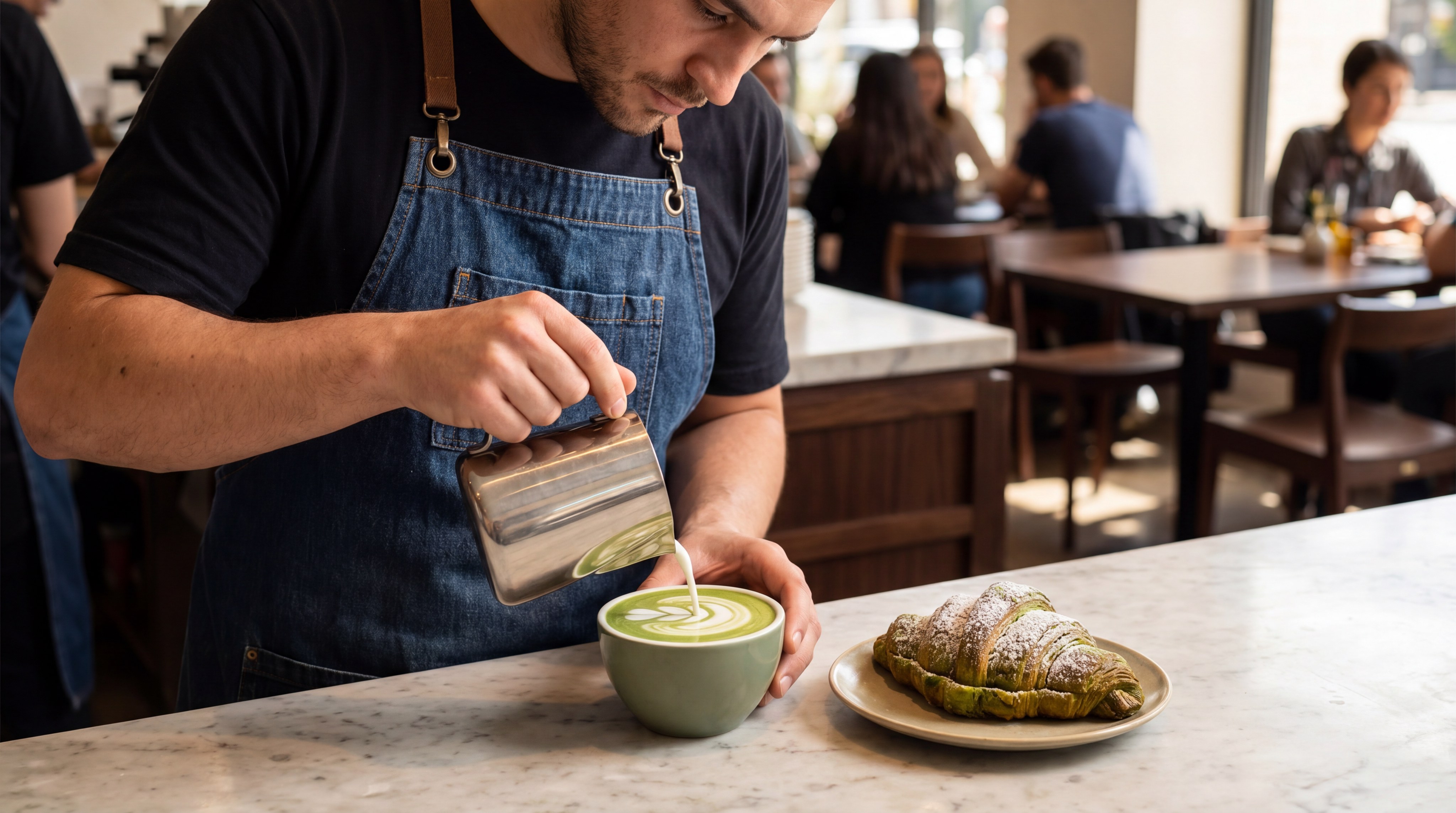
For high-volume preparation, such as in cafes or retail chains, a “Premium Latte Grade” or a high-quality culinary grade is typically the most suitable choice. While ceremonial grade is superior for traditional tea service, it can be cost-prohibitive and easily overwhelmed by milk or sweeteners. A high-quality culinary grade provides a robust “tea-forward” flavor that cuts through fats and sugars, maintaining the characteristic vibrant green color in lattes and smoothies.
Grading Selection Criteria
- Color Profile: Look for a bright green hue (high chlorophyll) even in culinary grades to ensure visual appeal in final products.
- Flavor Robustness: Choose grades with higher catechin content for blending, as this provides the necessary “bite” to balance milk.
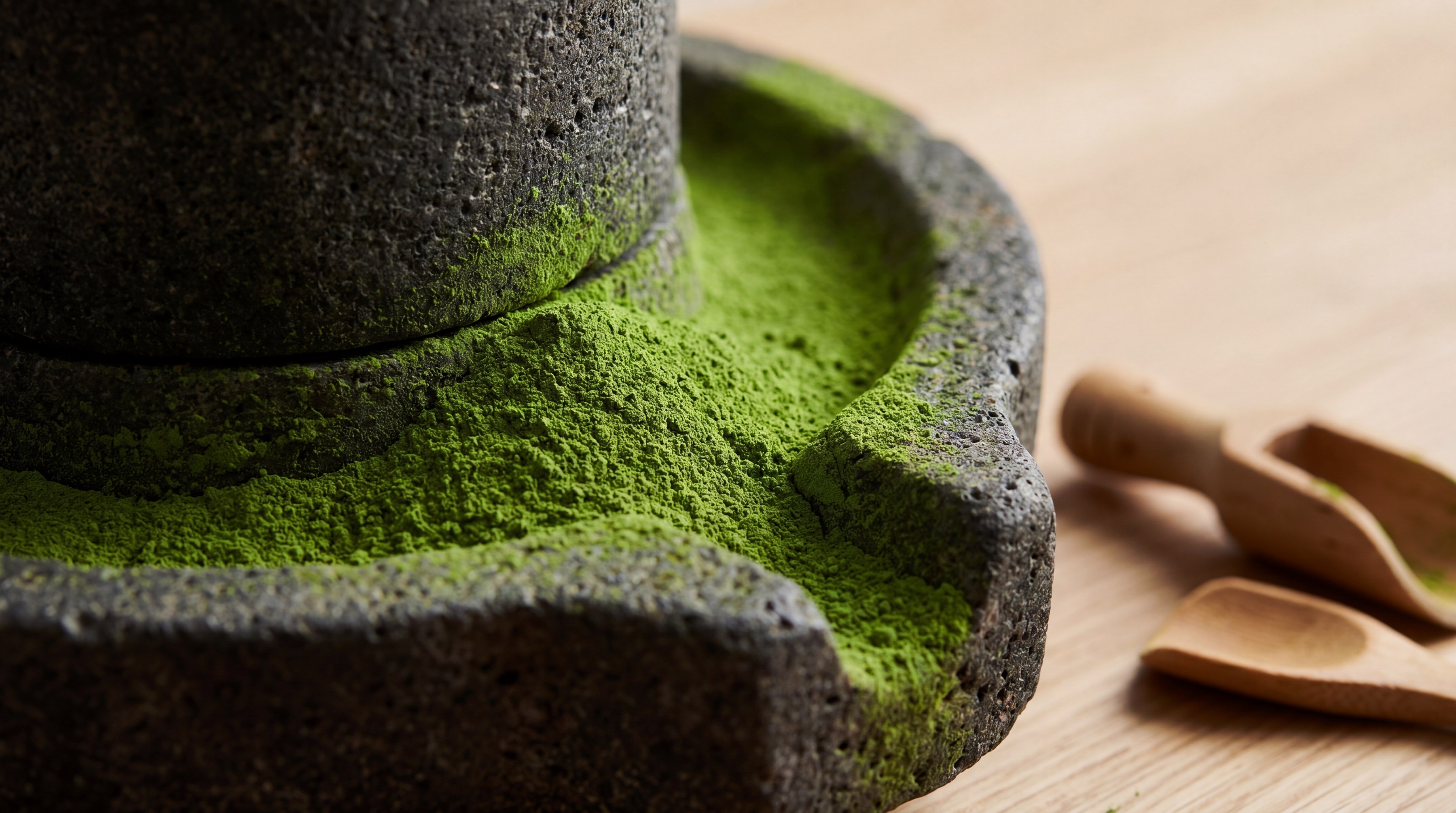
- Particle Size: Ensure the powder is ground to 5–10 microns for optimal suspension in both hot and cold liquids.
Key Takeaway: Culinary and premium latte grades offer the best balance of cost-efficiency and flavor strength for blended commercial beverages.
How do temperature and water quality impact the flavor profile of wholesale matcha?
Temperature and water quality are the most critical technical variables when determining how to make matcha tea at a professional level. Using boiling water (212°F) will scorch the delicate tea leaves, causing the tannins to release prematurely and resulting in a harsh, bitter taste. Professionally, water should be filtered to remove chlorine and heavy minerals, as “hard” water can dull the vibrant green color and flatten the umami notes.
Optimal Technical Variables
- Temperature Range: 160°F–175°F (70°C–80°C) is ideal for ceremonial tea; 185°F (85°C) is the upper limit for latte preparation.
- pH Level: Water with a neutral pH (around 7.0) is preferred to preserve the integrity of the chlorophyll.
- Mineral Content: Low mineral content (Soft Water) allows the delicate sweetness of the tea to emerge without interference.
Key Takeaway: Strict temperature control between 160°F and 185°F is mandatory to prevent bitterness and preserve the tea’s natural sweetness.
What tools are essential for making matcha tea at an industrial or cafe scale?
Scaling matcha production requires a move from the traditional bamboo whisk to modern, high-efficiency tools that ensure consistency across hundreds of daily transactions. In a cafe, electric hand-frothers or steam wands are common, while industrial food manufacturers utilize high-shear mixers and vacuum-sealed storage systems. These tools are designed to prevent the rapid oxidation that occurs when matcha is exposed to air and heat.
Professional Equipment List
- High-Shear Mixers: Used in industrial settings to ensure complete homogenization of matcha powder in liquids.
- Steam Wands: Essential for cafes to simultaneously froth milk and incorporate matcha for lattes.
- Gram Scales: Precision scales (accurate to 0.1g) are required to maintain recipe consistency in a B2B environment.
Key Takeaway: Modern electric whisks and high-shear mixers replace traditional tools to provide the speed and consistency required for commercial scale.
How can food manufacturers ensure consistency when making matcha tea for bottled products?
Consistency in Ready-to-Drink (RTD) bottled matcha is achieved through rigorous technical specifications and stabilization techniques. Manufacturers must account for “sedimentation,” where the tea powder naturally settles at the bottom of the bottle. To combat this, stabilizers like gellan gum or pectin are often used, along with nitrogen flushing during the bottling process to prevent the tea from turning brown due to oxidation.
Consistency Success Metrics
- Color Values: Use CIELAB color space measurements to ensure every batch matches a specific “greenness” benchmark.
- Nitrogen Flushing: Replacing oxygen with nitrogen in the headspace of the bottle to extend shelf life and preserve color.
- Suspension Agents: Utilizing natural emulsifiers to keep the fine matcha particles suspended throughout the liquid.
Key Takeaway: Bottled product consistency relies on preventing oxidation through nitrogen flushing and using stabilizers to manage sedimentation.
How does the preparation of ceremonial grade differ from culinary grade matcha?
The preparation of ceremonial grade is a delicate process intended to highlight the tea’s natural umami, whereas culinary preparation focuses on flavor integration. Ceremonial matcha is almost exclusively prepared with water and served in a bowl (chawan). In contrast, culinary matcha is often treated as a concentrated base—sifted and mixed into a thick paste before being added to secondary ingredients like flour, dairy, or plant-based milks.
Preparation Differences
- Water Ratio: Ceremonial uses a 1:70 ratio for “thin tea” (Usucha); culinary usage is often a 1:10 ratio for a concentrated “matcha shot.”
- Whisking Intensity: Ceremonial requires high-intensity whisking to create a frothy head; culinary prep often uses mechanical blending for incorporation.
- Sifting Necessity: While both should be sifted, it is non-negotiable for ceremonial grade to ensure the smooth mouthfeel expected of a premium beverage.
Key Takeaway: Ceremonial prep is about aerating a standalone beverage, while culinary prep focuses on creating a smooth concentrate for blending.
What are the common sourcing mistakes when choosing a supplier for matcha tea?
The most frequent sourcing mistake is relying on the term “Ceremonial Grade” as a guarantee of quality, as the term is currently unregulated by international law. Many B2B buyers inadvertently source low-quality green tea powder that has been mislabeled. Another common error is neglecting the “harvest date” and “storage conditions,” as matcha loses its color and flavor rapidly if not stored in a light-proof, temperature-controlled environment.
Critical Sourcing Pitfalls
- Unverified Origin: Sourcing from regions outside of Japan’s primary growing areas (Uji, Nishio, Kagoshima) can lead to inconsistent flavor profiles.
- Ignoring Certificates of Analysis (CoA): Failing to check for heavy metal (lead/cadmium) and pesticide residue reports.
- Buying in Bulk without Nitrogen Sealing: Large bags of matcha that aren’t nitrogen-flushed will oxidize within weeks of opening.
Key Takeaway: Avoid unverified “ceremonial” labels and always demand technical COA reports and harvest transparency from your supplier.
How do private label brands optimize their matcha tea recipes for consumer markets?
Successful matcha private label brands optimize their recipes by blending different cultivars to achieve a specific “signature” taste. For the consumer market, this often involves balancing the natural astringency of the tea with sweet-noted cultivars like Saemidori or Okumidori. Optimization also includes testing the recipe’s stability under different storage conditions to ensure the consumer receives the same quality as the day it was packaged.
Consumer Optimization Strategies
- Signature Blends: Mixing first and second harvest leaves to create a product that is both premium in taste and affordable in price.
- Packaging Innovation: Using airtight, light-blocking tins or nitrogen-flushed pouches to maximize shelf-life.
- Preparation Instructions: Providing clear, simplified instructions on packaging to reduce the “complexity barrier” for new consumers.
Key Takeaway: Private label success comes from blending for a specific flavor profile and ensuring high-quality, protective packaging.
What certifications should buyers look for when importing matcha tea in bulk?
Bulk buyers must prioritize certifications that guarantee food safety and authenticity. The JAS Organic (Japanese Agricultural Standard) is the gold standard for Japanese tea, and it is equivalent to the USDA Organic and EU Organic certifications. Furthermore, ISO/TR 21380:2022 provides the international technical definition of what constitutes genuine “Matcha,” distinguishing it from standard green tea powders.
Mandatory B2B Certifications
- JAS/USDA Organic: Ensures no synthetic pesticides or fertilizers were used during the shade-growing process.
- FSSC 22000 / HACCP: Global food safety management systems that are essential for large-scale distribution.
- Radiation Testing: Specifically for Japanese exports, ensures the product is safe and compliant with international import laws.
Key Takeaway: JAS Organic and FSSC 22000 are essential certifications for ensuring both the safety and the organic integrity of bulk imports.
How are current industry trends influencing how to make matcha tea for modern consumers?
Modern industry trends are shifting toward “specialty” and “functional” applications. There is a growing demand for matcha for latte products that incorporate adaptogens or functional mushrooms. Additionally, the rise of “Single Cultivar” matcha allows connoisseurs to experience specific flavor notes, much like specialty coffee. This influences preparation by encouraging more precise, temperature-controlled methods that highlight these unique nuances.
Current Market Trends
- RTD Growth: The expansion of Ready-to-Drink matcha in cans and bottles for on-the-go consumption.
- Single Cultivar Focus: A move away from blends to highlight the unique properties of specific tea plant varieties.
- Sustainability: A demand for fully traceable supply chains where the consumer can see the exact farm of origin.
Key Takeaway: Trends toward functional health and single cultivars are driving a more technical and transparent approach to matcha preparation.
Frequently Asked Questions
- How do I prevent matcha from clumping in large batches?
- Always sift the powder through a fine-mesh strainer first and create a concentrated “slurry” or paste with a small amount of water before adding the remaining liquid.
- What is the ideal water temperature for commercial lattes?
- For lattes, a temperature of 175°F (80°C) is ideal, as it is hot enough to melt sweeteners but cool enough to prevent the matcha from turning bitter.
- Why is my wholesale matcha turning brown?
- This is caused by oxidation. Ensure your matcha is stored in a cool, dark place in an airtight container, ideally nitrogen-flushed or vacuum-sealed.
- Can I use a blender to make matcha at scale?
- Yes, high-speed blenders are excellent for incorporating matcha into large batches of lattes or smoothies, as they provide the necessary shear force to eliminate clumps.
- How long does matcha powder stay fresh in a B2B environment?
- Once opened, matcha should be used within 1-2 months. Unopened, nitrogen-flushed bags can stay fresh for up to 12 months if stored under refrigeration.
Conclusion
Mastering the technical nuances of how to make matcha tea is essential for any business looking to capitalize on the growing global demand for this premium ingredient. By focusing on temperature control, proper sifting, and sourcing the correct grade for your specific application, you can ensure a consistent, high-quality product that builds customer loyalty. To secure a reliable supply of premium Japanese matcha for your brand, contact AdoroHu Matcha today.