
Inconsistent beverage quality, clumped textures, and rapid oxidation are common challenges that compromise the integrity of your product line. These technical hurdles agitate operational efficiency, leading to increased ingredient waste, higher COGS, and customer dissatisfaction due to bitter flavor profiles. AdoroHu Matcha provides the stabilized, high-quality matcha wholesale solutions and technical expertise required to streamline your production and ensure sensory consistency across every batch.
To use matcha powder effectively, first sift 1.5–2 grams of powder to remove electrostatic clumps, then whisk with 2 oz of 175°F (80°C) water into a smooth, frothy paste. For industrial applications, utilize high-shear mixing or automated sifting protocols to maintain color stability and uniform flavor distribution throughout the matrix. Selecting the appropriate grade—ceremonial for beverages or culinary for food manufacturing—is essential for balancing flavor intensity and production costs.
In short: Successful matcha integration relies on precise temperature control, mandatory sifting, and choosing the correct grade for the specific application.
Key points:
- Sifting prevents insoluble clumps in high-volume liquids.
- Water temperature must be capped at 176°F (80°C) to prevent scorching.
- Grade selection directly impacts the final product’s color and umami profile.
What is the standard way to use matcha powder in a commercial setting?
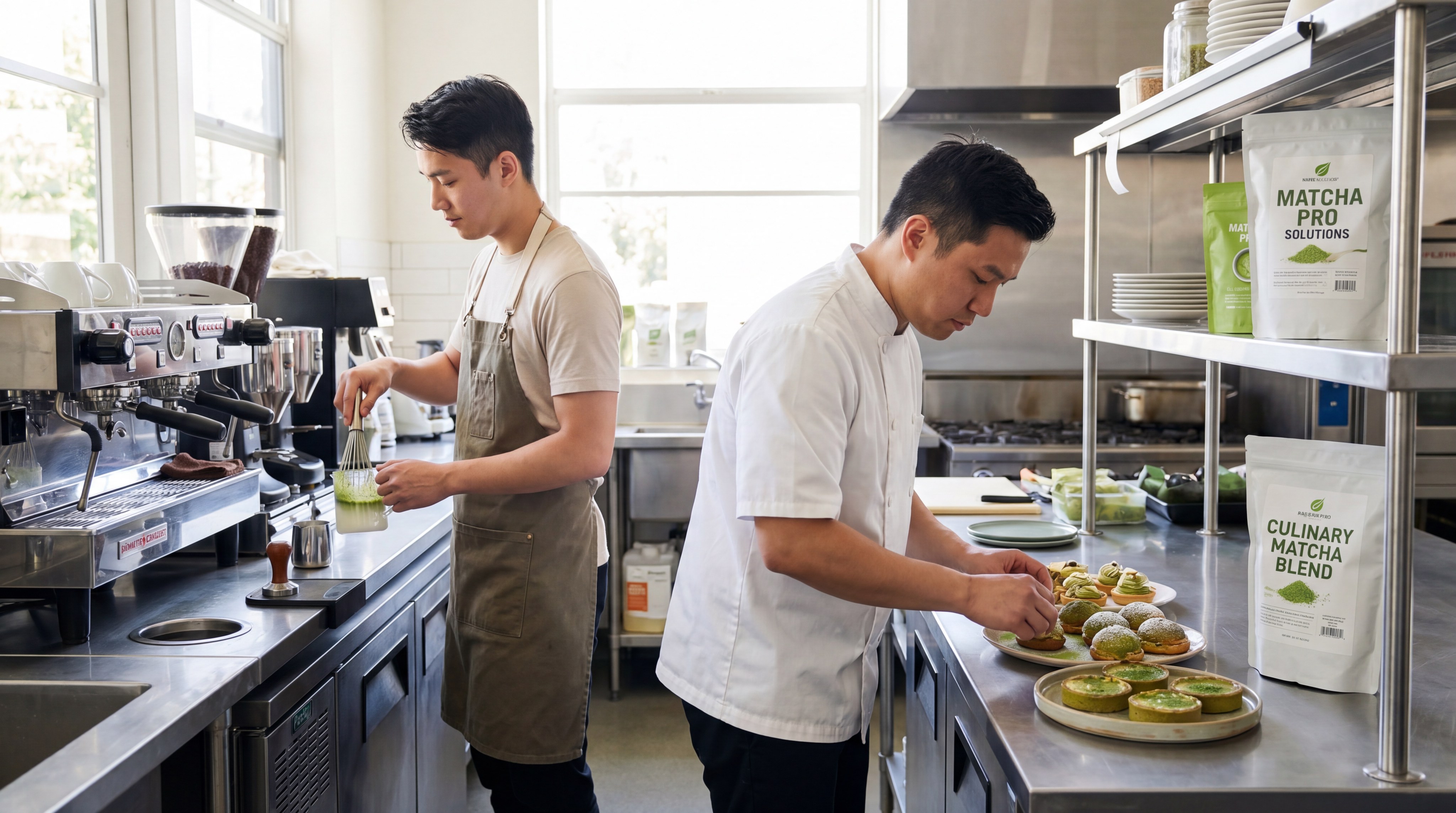
The standard way to use matcha powder in a commercial setting involves a two-step “slurry” method where the powder is first whisked with a small amount of warm water to create a concentrated paste before adding the remaining liquid. This process, often referred to as initial hydration, ensures that the fine particles (typically 5–10 microns) are fully suspended without lumping. For high-volume cafes, this means using a bamboo whisk (chasen) or an electric frother to achieve a micro-foam that enhances the creamy mouthfeel of the beverage.
Key Takeaway: Standardizing the slurry method across your staff ensures that every beverage served maintains the vibrant green color and smooth texture customers expect from premium matcha.
How do different matcha grades affect preparation and usage?
Different matcha grades dictate the temperature sensitivity, whisking time, and ingredient ratios required when deciding how to use matcha powder in your menu or product line. Ceremonial grade matcha is derived from first-harvest leaves and requires a delicate touch with lower temperatures to preserve its high L-theanine content, whereas culinary grade matcha is more robust and can withstand higher heat and bold flavor pairings.
Grade Comparison for Commercial Application
| Feature | ceremonial grade matcha | culinary grade matcha | |
|---|---|---|---|
| Harvest Time | First Flush (Spring) | Second/Third Flush (Summer/Autumn) | |
| Flavor Profile | Delicate, Umami, Sweet | Bold, Astringent, Grassy | |
| Color | Electric Neon Green | Dull/Olive Green | |
| Best Use | Traditional Tea, Thin Lattes | Baking, Smoothies, Confectionery | |
| Heat Tolerance | Low (Max 175°F) | Medium (Max 190°F) |
Key Takeaway: Using a ceremonial grade for baking is an inefficient use of capital; always match the matcha grade to the final application to optimize flavor-to-cost ratios.
Why is sifting the most critical step when learning how to use matcha powder?
Sifting is the most critical step when learning how to use matcha powder because the ultra-fine particles naturally clump together due to static electricity, making them nearly impossible to dissolve once they hit hot liquid. In a commercial environment, failing to sift results in unsightly green lumps at the bottom of the cup, which ruins the customer’s sensory experience. By using a fine-mesh stainless steel strainer, you break down these clusters, allowing the powder to integrate seamlessly into a homogenous suspension.
Key Takeaway: Implementing a mandatory sifting protocol is the simplest way to improve product consistency and eliminate ingredient waste caused by undissolved powder.
What equipment is required to use matcha powder in high-volume beverage operations?
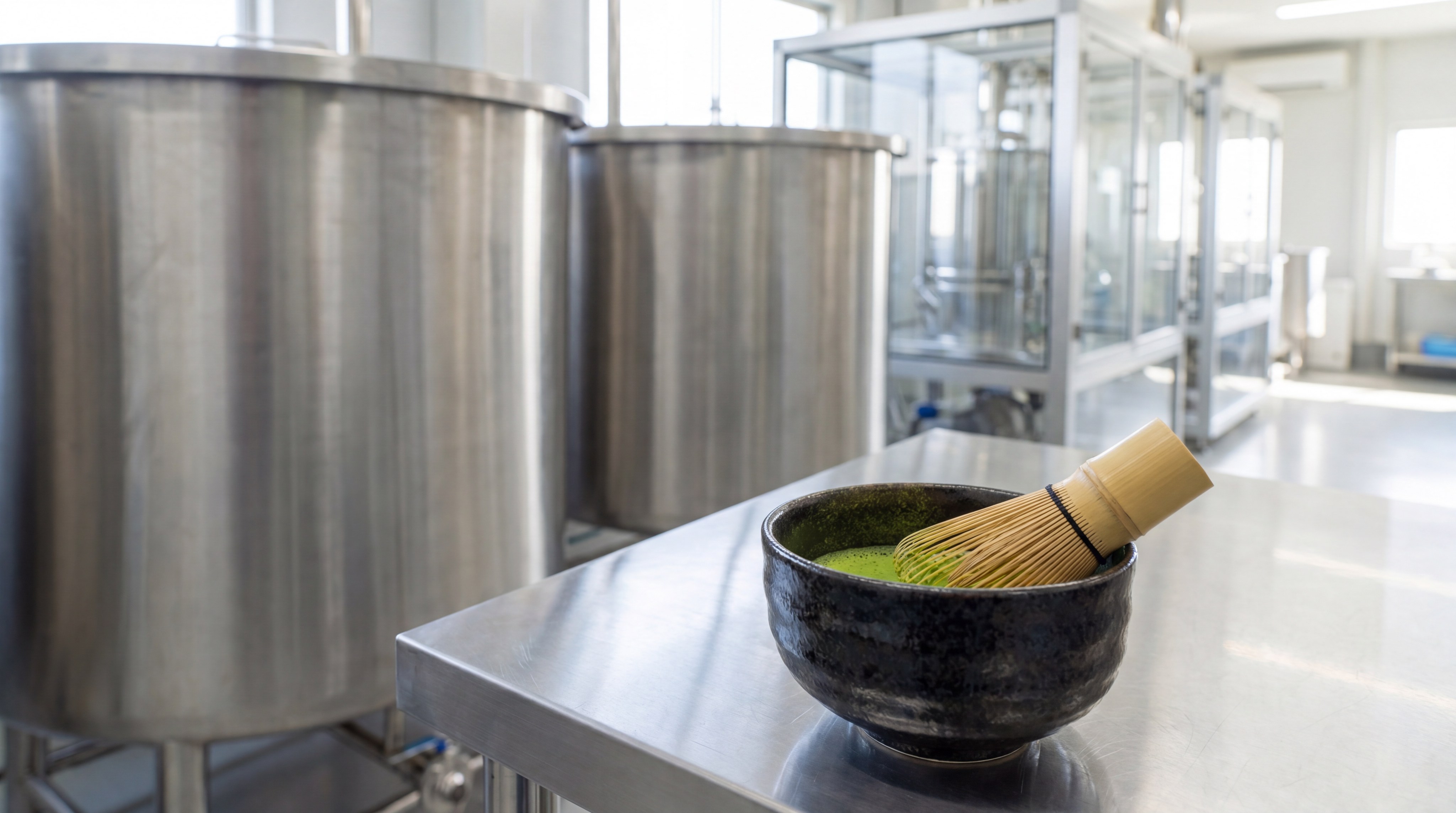
High-volume operations require a combination of traditional tools and modern industrial machinery, such as high-speed milk frothers, industrial sifters, and precision temperature kettles, to effectively manage how to use matcha powder at scale. While a bamboo whisk is ideal for artisan presentations, a commercial-grade immersion blender or a dedicated matcha espresso machine is often necessary to maintain speed-of-service during peak hours. Additionally, airtight UV-protected storage containers are essential equipment to prevent the powder from oxidizing and losing its chlorophyll-rich pigment.
Key Takeaway: Investing in high-shear mixing equipment reduces prep time and ensures that the matcha stays in suspension longer, preventing sedimentation in bottled or served drinks.
How can food manufacturers use matcha powder to maintain color and flavor stability?
Food manufacturers use matcha powder to maintain stability by incorporating antioxidants and controlling the pH levels of the food matrix to prevent the sensitive chlorophyll from turning brown during thermal processing. When determining how to use matcha powder in industrial food science, adding the powder at the latest possible stage of production—ideally during a cold-mix phase—minimizes heat exposure. Using encapsulation techniques or stabilizing agents like maltodextrin can also help protect the flavor and color against light and oxygen.
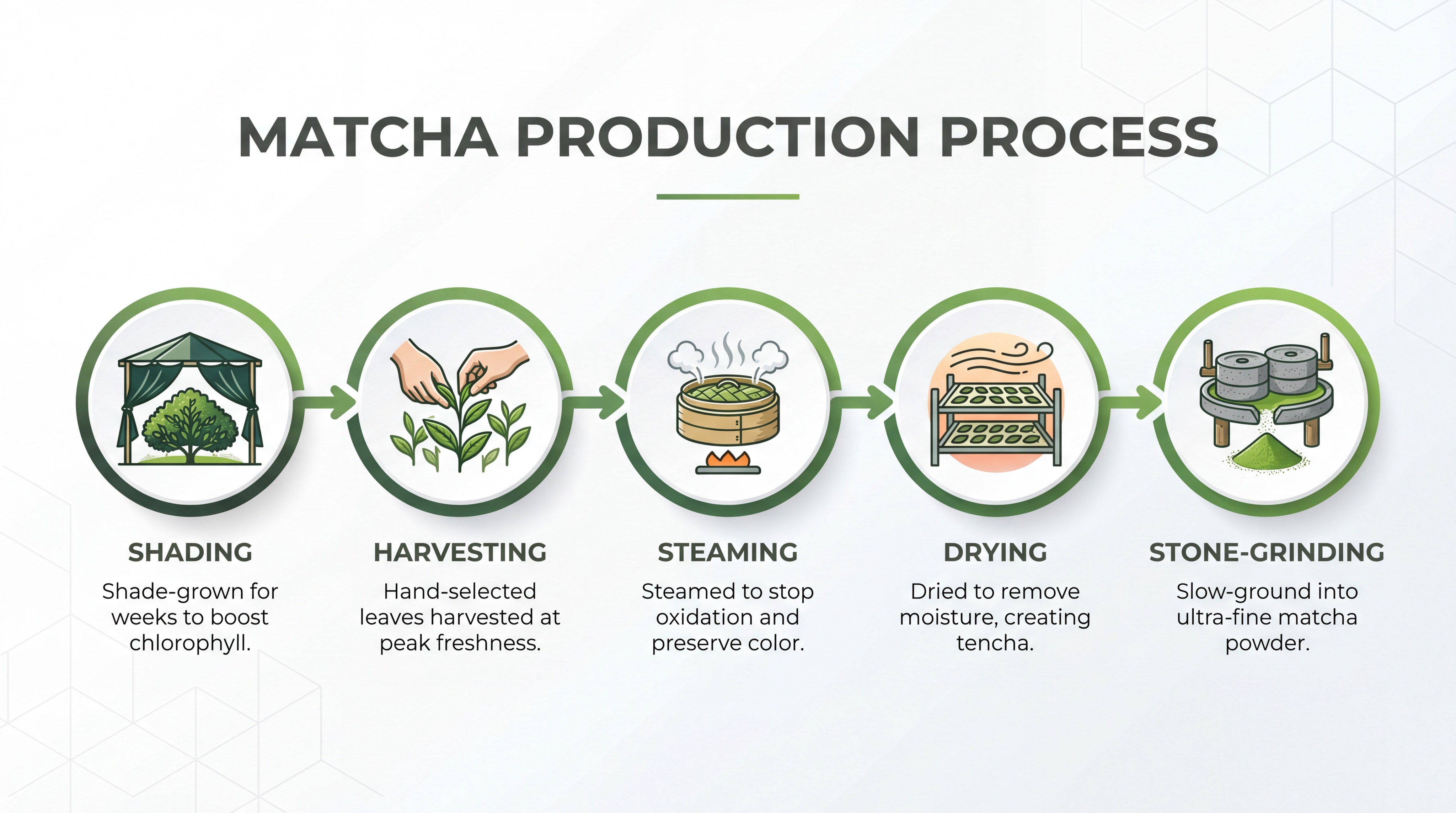
Key Takeaway: To prevent browning (photo-oxidation), manufacturers must use high-barrier packaging and store the finished product in cool, dark environments.
What are the common mistakes buyers make when choosing how to use matcha powder?
A common mistake buyers make is choosing a grade based solely on price without considering how to use matcha powder in their specific recipe, often resulting in a product that is either too bitter or lacks visual appeal. Another frequent error is the improper storage of bulk inventory; matcha is highly sensitive to heat, light, and moisture, and storing it in clear bags or near heat sources will destroy the catechin profile within weeks. Buyers also often overlook the mesh size, which affects the solubility and “dusting” capability of the powder in specialized machinery.
Key Takeaway: Avoid the “cheapest is best” fallacy; focus on spec-sheet metrics like particle size and color value to ensure the ingredient performs correctly in your manufacturing line.
How does sourcing from a direct supplier change how you use matcha powder?
Sourcing from a direct supplier provides access to fresher batches and more detailed technical data, which allows you to refine how to use matcha powder based on the specific harvest’s moisture content and flavor intensity. Direct suppliers like AdoroHu Matcha offer batch-to-batch consistency, ensuring that your recipes don’t require constant adjustment due to varying quality from middleman distributors. Furthermore, direct sourcing allows for custom grinding, where the mesh size can be tailored to your specific industrial spray-drying or blending requirements.
Key Takeaway: Eliminating the middleman ensures a shorter supply chain, which translates to higher nutrient retention and a more vibrant finished product.
What role do certifications play for brands deciding how to use matcha powder in retail products?
Certifications like USDA Organic and EU Organic act as a trust signal for consumers and a quality benchmark for brands deciding how to use organic matcha powder in clean-label products. In the B2B sector, these certifications ensure that the powder is free from synthetic pesticides and chemical fertilizers, which is vital for brands marketing toward health-conscious demographics. Additionally, FSSC 22000 or ISO certifications are critical for ensuring that the supplier follows strict food safety protocols during the grinding and packaging stages.
Key Takeaway: Utilizing certified organic matcha allows your brand to command a premium price point while ensuring compliance with international food safety standards.
How can private label brands customize how to use matcha powder for unique product lines?
Private label brands can customize their offerings by experimenting with different cultivars (such as Yabukita or Okumidori) and blending ratios to create a signature “house flavor” when deciding how to use matcha private label services. Customization extends to the functional additives mixed with the matcha, such as collagen, lion’s mane mushroom, or adaptogens, to target specific wellness trends. Brands can also specify the grind fineness—for instance, a coarser grind for tea bags versus an ultra-fine powder for instant latte mixes.
Key Takeaway: A tailored private label strategy allows you to differentiate your brand in a crowded market by offering a bespoke sensory experience that competitors cannot easily replicate.
What are the current market trends influencing how to use matcha powder in the food and beverage industry?
Current market trends are shifting toward RTD (Ready-to-Drink) beverages and functional snacks, which is changing how to use matcha powder from a simple tea base to a versatile nutraceutical ingredient. There is a growing demand for sugar-free matcha blends and plant-based matcha protein bars, requiring suppliers to provide powders that have high solubility in cold liquids. Additionally, the rise of “aesthetic eating” on social media has placed a higher premium on the visual vibrancy of matcha, making color-stable culinary grades more valuable than ever before.
Key Takeaway: Staying ahead of the clean-energy trend involves formulating products that highlight matcha’s natural caffeine and L-theanine synergy as a healthier alternative to synthetic energy drinks.
Frequently Asked Questions (FAQ)
- How much matcha powder should be used per serving?
- For a standard 8 oz beverage, use 1.5 to 2 grams of powder.
- In industrial baking, 1-3% of the total flour weight is the recommended starting ratio.
- Can I use boiling water with matcha powder?
- No, boiling water (212°F) will scorch the leaves and release intense bitterness.
- Always use water between 165°F and 176°F for the best flavor extraction.
- How should I store bulk matcha powder to prevent it from turning brown?
- Store in an airtight, opaque container in a cool, dry place.
- For long-term B2B storage, refrigeration or freezing is recommended to preserve the chlorophyll.
- Does culinary matcha have the same health benefits as ceremonial?
- Yes, both grades contain high levels of antioxidants and catechins.
- Culinary grade often has slightly more catechins (antioxidants) while ceremonial has more L-theanine (calm focus).
- What is the shelf life of opened matcha powder?
- Once opened, matcha should be consumed within 1 to 2 months for peak freshness.
- Sealed bulk packaging typically has a shelf life of 12 to 18 months if stored correctly.
Optimize Your Production with AdoroHu Matcha
Choosing the right supplier is the first step in mastering how to use matcha powder for your business. Whether you are launching a new RTD beverage, scaling a bakery chain, or developing a private label line, AdoroHu Matcha provides the premium, consistent, and certified ingredients necessary to achieve market-leading results. Our team of experts is ready to assist you with technical specifications, bulk pricing, and custom blending solutions.
Ready to elevate your product line? contact AdoroHu Matcha today to request samples or a wholesale quote tailored to your manufacturing needs.