
Matcha is one of the most volatile botanical products in the tea industry, losing its vibrant green hue and delicate umami profile within weeks if exposed to the wrong conditions. For B2B buyers, distributors, and cafe owners, mismanagement of inventory leads directly to “brown” powder, bitter flavors, and significant financial waste through discarded stock or customer dissatisfaction. AdoroHu Matcha provides this professional guide on how to store matcha powder to ensure your wholesale matcha remains as fresh as the day it was stone-ground at our facility.
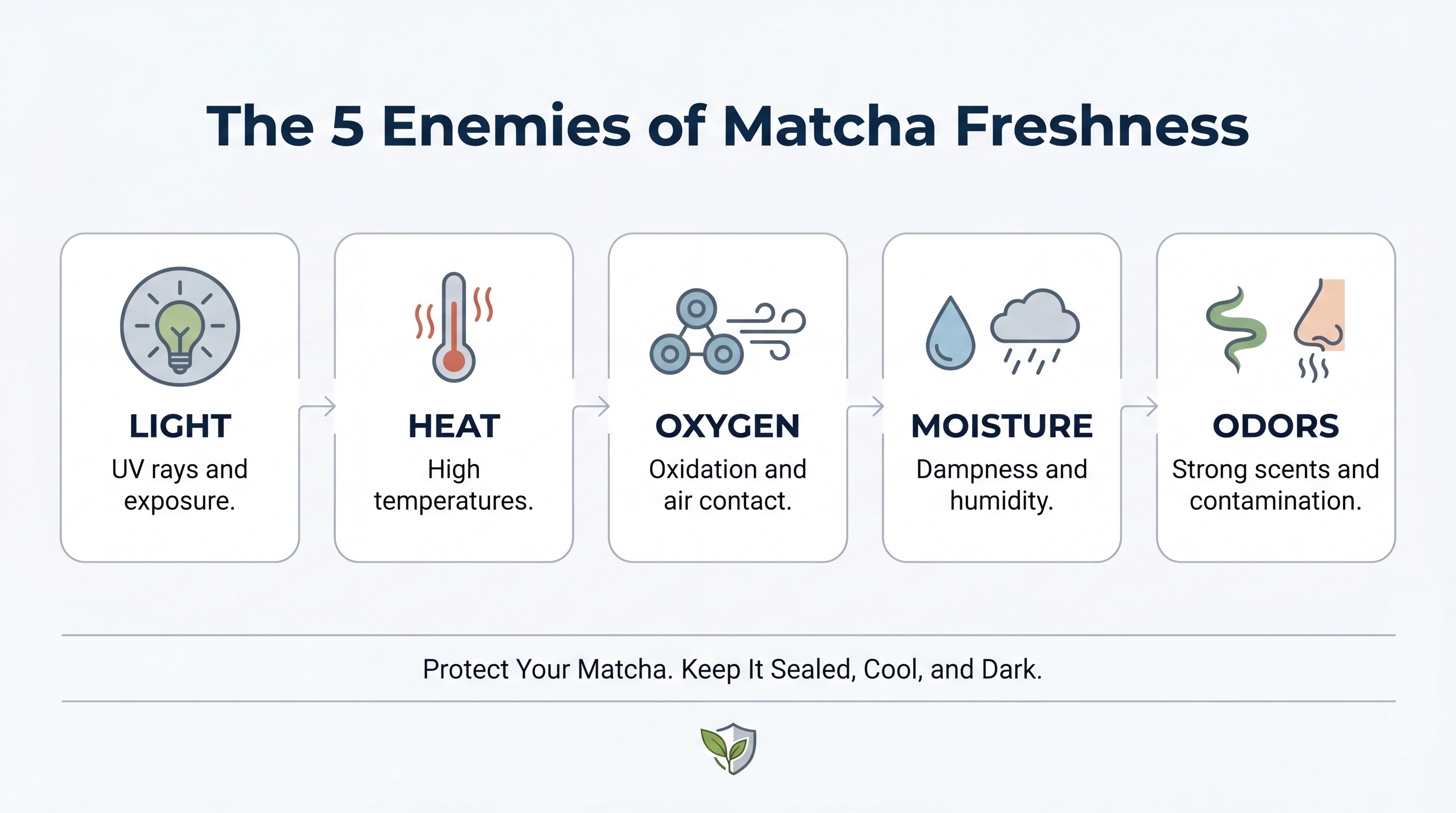
To keep matcha powder fresh, store it in an airtight, opaque container within a cool, dark environment—ideally a refrigerator at 2–8°C (36–46°F). Protect the powder from its five primary enemies: oxygen, light, heat, moisture, and strong ambient odors. Always allow refrigerated bulk containers to reach room temperature before opening to prevent damaging condensation from forming on the powder.
In short: Proper storage is the difference between a premium product and wasted capital. Key points:
- Use UV-blocking, airtight industrial containers.
- Maintain consistent refrigeration for opened stock.
- Prevent condensation by using the “climatization” rule.
Why is understanding how to store matcha powder essential for B2B inventory management?
Protecting Profit Margins
Matcha is a high-value ingredient. When you master how to store matcha powder, you reduce the rate of oxidation, which preserves the sellable life of your stock. Degraded matcha loses its market value, forcing price markdowns or total inventory loss.
Maintaining Brand Reputation
Consistency is key for a matcha manufacturer . If your customers receive a product that varies in color or taste due to storage fluctuations, brand trust erodes. Proper storage ensures every batch meets the high standards expected of premium Japanese tea.
What are the primary environmental threats to how to store matcha powder?
The Five Enemies of Freshness
Matcha is vulnerable to light, heat, oxygen, moisture, and odors. Light destroys chlorophyll; heat accelerates chemical breakdown; oxygen causes oxidation; moisture leads to clumping; and matcha’s porous nature means it absorbs nearby scents like coffee or spices.
Chemical Degradation
Understanding how to store matcha powder requires acknowledging that catechins and amino acids are highly reactive. Without a controlled environment, the vibrant green “L-theanine” profile shifts toward a dull, yellow-brown “catechin-heavy” profile that tastes increasingly astringent.
How to store matcha powder in bulk to maximize shelf life?
Long-term Cold Storage
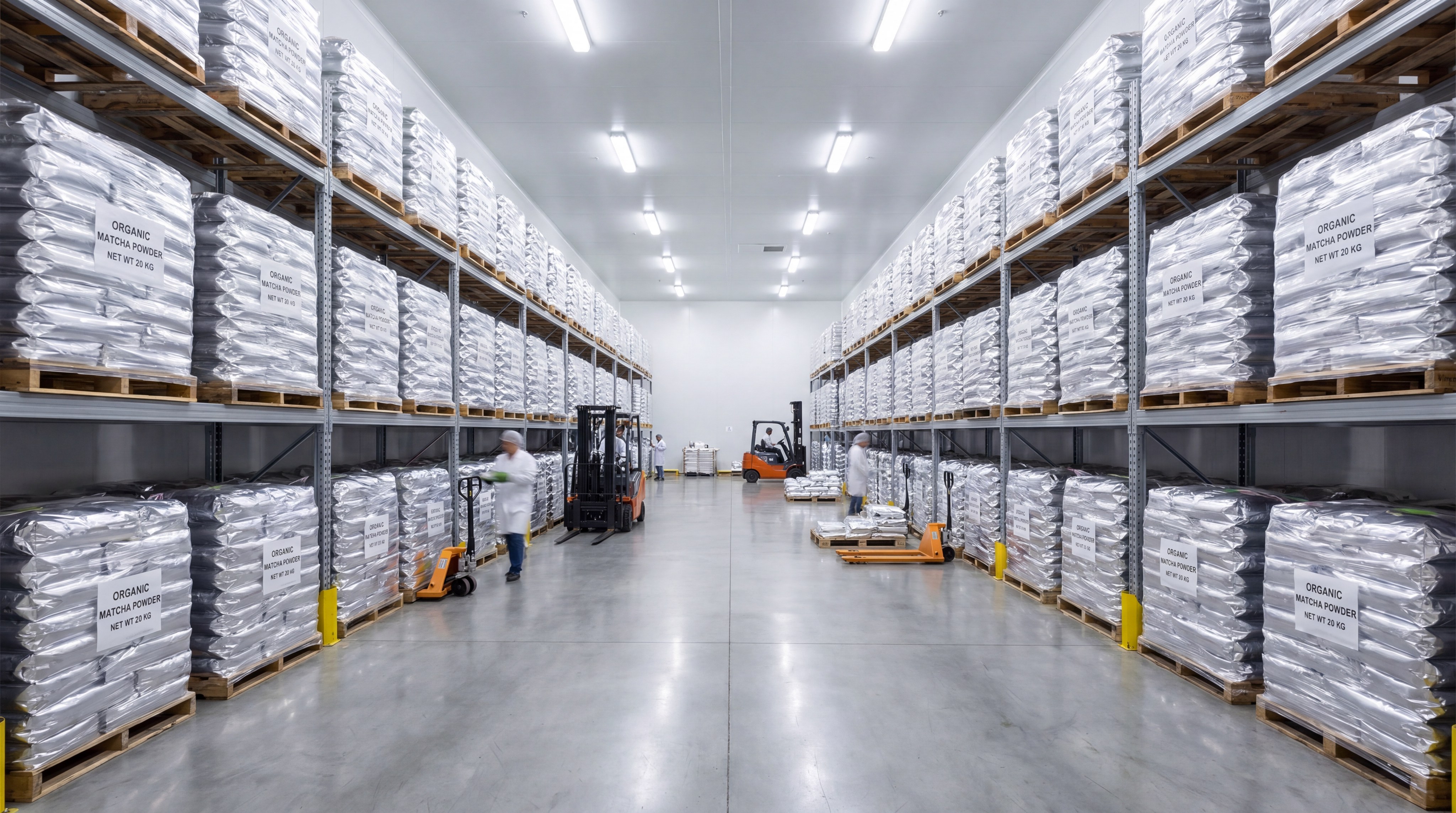
For unopened bulk bags, refrigeration is the gold standard. Storing bulk culinary matcha at temperatures between 2°C and 8°C can extend its peak freshness from 6 months to over a year.
Nitrogen Flushing and Vacuum Sealing
Industrial suppliers use nitrogen flushing to displace oxygen inside packaging. When deciding how to store matcha powder at a warehouse level, ensure your bags remain vacuum-sealed until the exact moment of use to maintain this protective atmosphere.
How to store matcha powder for ceremonial grade vs culinary grade?
Precision for Ceremonial Grade
Because ceremonial matcha has a higher chlorophyll and amino acid content, it is more sensitive. It must be refrigerated immediately and should ideally be consumed within 30 to 60 days of opening for the best sensory experience.
Bulk Stability of Culinary Grades
Culinary grades are often used in larger volumes for baking. While slightly more robust, the rules on how to store matcha powder still apply; if stored in hot kitchens, the powder will lose its “green” staining power, resulting in grey-looking final baked goods.
What are the best industrial containers for how to store matcha powder?
Food-Grade Stainless Steel
Stainless steel canisters with rubber-gasket seals are the preferred choice for cafes. They are completely opaque, preventing UV damage, and do not leach chemicals or odors into the delicate tea powder.
Multi-layer Foil Barrier Bags
When considering how to store matcha powder for distribution, use multi-layer foil bags with high-barrier properties. These offer the best protection against gas transmission (oxygen) and moisture vapor compared to simple plastic pouches.
How to store matcha powder to prevent chlorophyll degradation?
Total Light Exclusion
Chlorophyll is photosensitive. Even brief exposure to fluorescent light in a warehouse can begin the browning process. The primary rule for how to store matcha powder is to use 100% opaque containers; clear glass or plastic jars are never acceptable for long-term storage.
Thermal Stability
High temperatures act as a catalyst for browning. Keeping your storage area at a consistent cool temperature prevents the thermal energy that allows chlorophyll to break down into pheophytin, the compound responsible for the olive-drab color of “old” matcha.
How to store matcha powder during long-distance maritime shipping?
Reefer Container Logistics
For international B2B orders, maritime shipping should ideally utilize refrigerated (reefer) containers. This prevents the “hot box” effect of shipping containers sitting in tropical ports, which can ruin an entire shipment of matcha in days.
Moisture Barriers and Desiccants
Shipping across different climate zones introduces humidity risks. Professional logistics teams ensure that how to store matcha powder during transit involves moisture-proof outer layering and industrial-grade desiccants to maintain a dry internal environment.
How to store matcha powder in busy foodservice and cafe environments?
The Working Supply Method
Cafes should not open a 1kg bag every time they make a latte. Transfer a 1–2 day supply into a small, airtight “working tin” and keep the main bulk bag sealed in the refrigerator. This limits the bulk supply’s exposure to air and temperature swings.
Strategic Station Placement
Avoid placing matcha storage near espresso machines, steam wands, or ovens. Heat and steam are the fastest ways to destroy a batch. The best strategy for how to store matcha powder behind the bar is a dedicated “cool drawer” away from heat-generating equipment.
How to store matcha powder for private label brand consistency?
Standardizing Retail Packaging
If you are launching a private label matcha brand, your packaging is your first line of storage defense. Choose tin cans with inner lids or thick foil stand-up pouches with high-quality resealable zippers to help your end customers maintain product quality.
Creating Storage SOPs
B2B partners should provide “Care Instructions” to their retail clients. Educating your customers on how to store matcha powder (e.g., “Keep refrigerated after opening”) ensures they always experience the product as intended, reducing returns and complaints.
What are the common B2B FAQs regarding how to store matcha powder?
Frequently Asked Questions
- Can you freeze matcha powder for long-term storage?Yes, you can freeze unopened bulk bags for 12+ months. However, once opened, do not return it to the freezer as the constant temperature changes create condensation which ruins the powder.
- How long does matcha last once the bag is opened?For peak flavor, use opened matcha within 30–60 days. While it remains safe to consume for much longer, its vibrant color and “sweet” aroma will fade significantly after two months.
- Does matcha absorb odors from other foods?Yes, matcha is highly hygroscopic and porous. If stored in a refrigerator near strong-smelling items like onions or fish without a perfect airtight seal, it will absorb those flavors.
- What is the “Climatization” rule?This is the most important step in how to store matcha powder in a fridge. You must let the sealed container sit on the counter for 15–30 minutes to reach room temperature before opening it. Opening a cold bag in a warm room causes instant moisture condensation.
- How can I tell if my stored matcha has gone bad?Look for a shift from vibrant green to a dull yellow or brownish color. Smell the powder; fresh matcha is grassy and sweet, while degraded matcha smells like hay or dust and tastes bitter.
Conclusion
Mastering the logistics of how to store matcha powder is a foundational skill for any successful B2B tea operation. By controlling the environment—specifically oxygen, light, and temperature—you protect your investment and ensure your customers receive a world-class product every time. For high-volume orders and professional storage advice tailored to your facility, contact our team today to discuss your wholesale requirements.