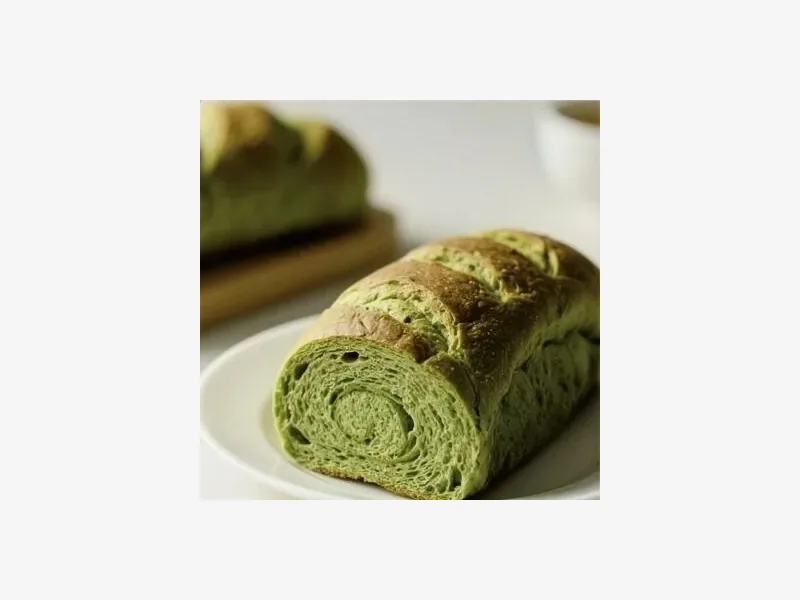
Knowing how to use matcha powder commercially starts with matching the powder, preparation method, and dose to each finished product. A café can buy a promising sample and still serve dull, gritty drinks if staff improvise water temperature, whisking, or storage. A bakery can face the same problem when a tea selected for drinking disappears behind flour, fat, and heat. Build a repeatable method, then test it during real service.
1. What Should You Decide Before Using Matcha Powder?
Decide the finished product, target sensory profile, service method, and unit cost before you test matcha powder. These choices determine whether you need a refined straight-tea profile, a milk-resistant latte powder, or a stronger culinary option. A written brief also stops purchasing, R&D, and operations from scoring samples against different expectations.
What belongs in an application brief?
Record the variables that affect approval:
- product format and serving size
- hot, iced, frozen, or baked process
- target color, aroma, bitterness, and finish
- milk, sweetener, fat, or competing flavors
- service equipment and staff time
- target powder cost per finished unit
| Decision | Practical question | Trial output |
|---|---|---|
| Application | Where will customers encounter matcha? | Product-specific sample list |
| Sensory target | What should remain after processing? | Scoring criteria |
| Workflow | How will staff prepare each order? | Standard method |
| Economics | What dose supports the margin? | Cost-per-unit ceiling |
This brief gives every sample a clear job.
Key Takeaway: Define the finished product before choosing a powder or technique.
2. How Do You Prepare Matcha for Straight Tea?
Prepare straight matcha by sifting a measured dose, adding controlled-temperature water, and whisking until the suspension looks even. Because water exposes the powder directly, harshness, aroma, texture, and finish become easy to detect. Use the same bowl, water source, dose, and whisking time whenever you compare samples.
Which steps make the method repeatable?
Write a short station procedure:
- weigh powder rather than relying on a heaped spoon
- sift immediately before preparation
- measure water volume and temperature
- add a small amount of water before the balance
- whisk with consistent motion and time
- serve promptly and record any settling or grit
Assign one person to prepare the comparison set and another to record results. This handoff reduces the chance that the person who knows each sample’s identity influences the tasting discussion. If several shifts will use the method, ask each shift to prepare the approved sample once before launch and compare it with a reference cup.
| Control point | Fixed variable | Why it matters |
|---|---|---|
| Powder | Weight and lot | Supports fair comparison |
| Water | Source, volume, temperature | Changes extraction and texture |
| Whisking | Tool, motion, duration | Changes dispersion and foam |
| Timing | Preparation-to-service interval | Reveals settling |
Small controls make sensory notes usable across shifts.
Key Takeaway: Straight tea needs the tightest preparation controls because nothing masks defects.
3. How Do You Use Matcha Powder in Lattes?
Use matcha powder in lattes by making a smooth concentrate before adding milk. Dropping dry powder directly into a full cup encourages floating clumps and inconsistent strength. Test the concentrate with every milk on your menu because fat, protein, sweetness, color, and aroma can change what customers perceive.
How should a café build the latte trial?
Run the complete service recipe rather than a water-only tasting:
- prepare one standard matcha concentrate
- test hot and iced formats separately
- use the normal milk and sweetener doses
- include your main plant-based alternative
- score color and flavor at service and after holding
- time the process during a busy workflow simulation
Give product development ownership of the sensory target and operations ownership of the service method. Purchasing can then confirm that the approved product code, pack size, and reorder plan match what both teams tested. When a latte fails, this ownership map helps you decide whether the powder, recipe, equipment, or execution needs correction.
| Latte variable | Risk | Check |
|---|---|---|
| Milk base | Tea flavor becomes muted | Compare each menu milk |
| Ice | Drink weakens over time | Taste early and late |
| Sweetener | Bitterness perception shifts | Fix recipe dose |
| Concentrate | Clumps carry into cup | Inspect before milk |
AdoroHu’s matcha for latte page can help you frame beverage sample requests.
Key Takeaway: Approve matcha in the complete latte recipe and service workflow.
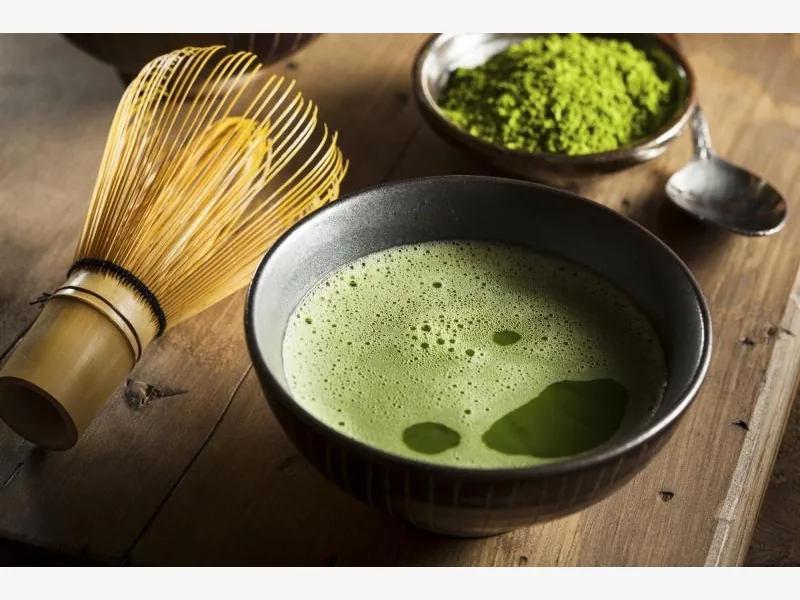
4. How Can Matcha Work in Cold and Blended Drinks?
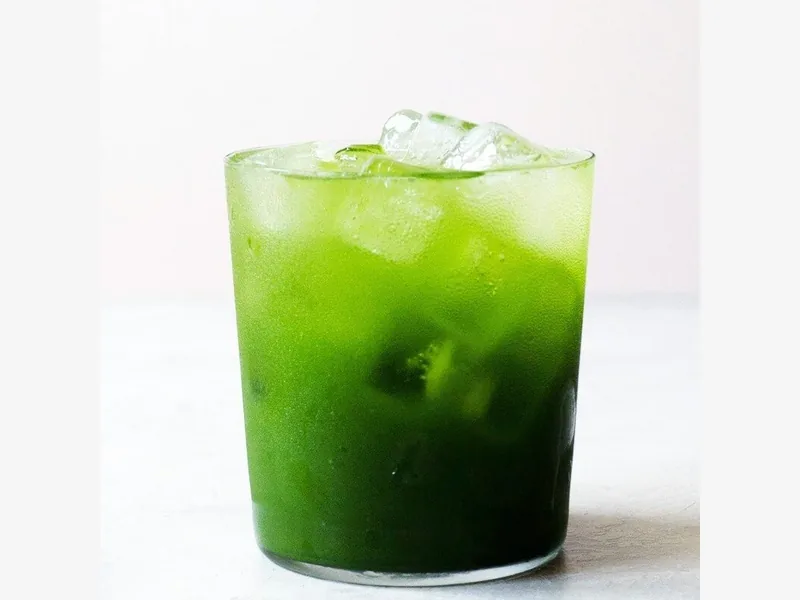
Matcha works in cold drinks when you disperse it before contact with ice, fruit puree, or a thick base. Cold liquid makes dry clumps harder to break, while dilution and strong flavors can hide tea character. A premixed concentrate can improve consistency, but your food-safety plan must define preparation, holding, labeling, and disposal.
What should you test in a cold beverage?
Compare the first sip with the drink near its expected finish time:
- dispersion before chilling
- separation during normal holding
- ice dilution and final strength
- interaction with acidity or fruit
- blender time and foam level
- color under display lighting
Name the person who can approve a recipe adjustment during launch. Without that owner, stores may solve settling or dilution differently and create several unofficial versions. Route field notes back to product development with the drink format, lot, equipment, and preparation time attached.
| Format | Main challenge | Useful control |
|---|---|---|
| Iced tea | Settling | Stirring or service instruction |
| Smoothie | Competing solids | Fixed blender program |
| Fruit drink | Acidity and strong flavor | Small dose ladder |
| Frozen drink | Heavy dilution | Standard ice weight |
A cold-drink test should measure the customer’s whole consumption window.
Key Takeaway: Disperse first, then test dilution, separation, and flavor competition.
5. How Do You Add Matcha to Bakery Formulas?
Add matcha to bakery formulas through the dry phase or a controlled fat-based dispersion, then evaluate the baked result. Heat, pH, browning, sugar, and fat can change both flavor and color. A refined drinking powder may offer little extra value after baking, so begin with a suitable culinary matcha and trial more than one dose.
Which bakery records help R&D?
Keep a compact batch sheet:
- matcha weight and baker’s percentage
- flour, fat, sugar, and leavening system
- mixing order and time
- batter or dough color
- bake temperature and duration
- cooled color, flavor, texture, and next-day condition
| Observation point | What to record | Decision use |
|---|---|---|
| Before baking | Distribution and raw color | Mixing adjustment |
| After cooling | Tea flavor and crumb color | Dose selection |
| Next day | Aroma, color, moisture | Shelf-life trial direction |
| Scale-up | Mixing and deposit consistency | Production readiness |
These records separate powder performance from process variation.
Key Takeaway: Select bakery matcha from cooled product results, not dry powder appearance.
6. How Can Matcha Be Used in Creams and Desserts?
Use matcha in creams and desserts by dispersing it into a small compatible portion before combining the full batch. Fat, dairy solids, sugar, freezing, and refrigeration each affect flavor release and visual intensity. The right process depends on whether you make ganache, custard, frosting, ice cream, or a cold filling.
For U.S. food service, use the FDA Food Code as a model reference and follow the requirements adopted by the local jurisdiction.
How should you screen dessert applications?
Test one base with controlled variations:
- two or three matcha dose levels
- fixed sugar and fat content
- identical mixing temperature
- same container and fill weight
- evaluation after cooling or freezing
- checks across intended storage time
| Dessert system | Process risk | Trial focus |
|---|---|---|
| Buttercream | Uneven specks | Sifting and dispersion |
| Custard | Heat exposure | Flavor after cooling |
| Ganache | Strong fat phase | Flavor release |
| Ice cream | Cold suppresses aroma | Dose and finish |
Controlled variations show whether the recipe or powder needs adjustment.
Key Takeaway: Judge cold desserts at their actual serving temperature and age.
7. How Do You Prevent Clumps and Uneven Flavor?
Prevent clumps by protecting matcha from moisture, sifting before use, and choosing a dispersion method suited to the recipe. More mixing does not always solve the problem; aggressive blending can add unwanted air or change texture. Diagnose where agglomerates enter the process before changing equipment.
Which corrective actions belong at the station?
Use a simple troubleshooting sequence:
- inspect storage closure and scoop dryness
- sift only the amount needed
- create a paste or concentrate for drinks
- blend into compatible dry ingredients for baking
- avoid adding powder onto a wet, crowded surface
- check screens, whisks, and blender programs regularly
Record the defect before remaking the item. Note whether clumps float, settle, or remain as dry pockets because each pattern suggests a different cause. Compare one corrected cup with the failed cup rather than changing dose, liquid, and mixing time together.
| Symptom | Likely process cause | Corrective trial |
|---|---|---|
| Floating clumps | Dry powder added to full drink | Prepare concentrate |
| Green specks in crumb | Poor dry distribution | Sift with flour |
| Dense foam | Excess high-speed mixing | Shorten blend cycle |
| Recurrent caking | Moisture during storage | Improve closure and utensils |
The visible defect often points directly to the failed step.
Key Takeaway: Fix moisture control and addition order before increasing mixing force.
8. How Should You Standardize Matcha Across Locations?
Standardize matcha across locations with weighed recipes, defined tools, visual references, and short competency checks. Spoon measures, verbal instructions, and unmarked containers invite drift. A standard should remain quick enough for daily use and precise enough to produce the approved sensory result.
What belongs in a store-level standard?
Give each team the same operating package:
- recipe weights and allowable substitutions
- water or milk temperatures
- named tools and equipment settings
- photo references for dispersion and final color
- open-date and storage labels
- remake criteria and escalation contact
Design the handoff around the people who receive, store, prepare, and audit the powder. Receiving should capture lot codes, a shift lead should control open dates, and trainers should verify weighing and dispersion. A short exception log lets the product team see whether repeated complaints follow one location, lot, milk, or equipment setting.
| Standard element | Owner | Verification |
|---|---|---|
| Recipe | Product team | Periodic cup check |
| Equipment | Operations | Setting audit |
| Ingredient lot | Purchasing | Receiving log |
| Training | Store manager | Demonstrated preparation |
Simple evidence makes location-to-location differences easier to trace.
Key Takeaway: Standardize weights, tools, and acceptance cues that staff can verify quickly.
9. How Should You Store Open Matcha Powder?
Store open matcha powder sealed, dry, protected from light and heat, and in pack sizes that turn over promptly. Repeated opening exposes a large bag more often, so a lower unit price can create greater sensory loss and waste. Follow supplier directions and place open-date controls into routine inventory work.
Which habits protect daily-use stock?
Set practical handling rules:
- close the package immediately after dosing
- use only clean, dry utensils
- keep powder away from steam and strong odors
- label lot and opening date
- use stock in defined rotation
- isolate damaged or wet packs
| Exposure | Operational control | Warning sign |
|---|---|---|
| Moisture | Dry scoop and tight seal | Caking |
| Heat | Controlled storage position | Faster aroma loss |
| Light | Opaque primary pack | Color drift |
| Frequent opening | Smaller inner packs | Shorter open-pack age |
Packaging should match the speed at which each site consumes powder.
Key Takeaway: Choose inner packs around turnover and enforce clean, fast resealing.
10. How Do You Scale a Matcha Application Safely?
Scale a matcha application through staged trials that connect sensory approval, production capability, documentation, and supply. A bench recipe can fail when batch size, mixing energy, holding time, or operator sequence changes. Move from bench to pilot to controlled launch while keeping one approved comparison sample.
What should a scale-up gate include?
Require evidence before each increase:
- signed recipe and product specification
- approved reference sample or sensory profile
- pilot results with production equipment
- lot identification and receiving checks
- staff procedure and training record
- landed cost and replenishment plan
| Gate | Main question | Evidence |
|---|---|---|
| Bench | Does the concept work? | Recipe and sensory notes |
| Pilot | Does the process repeat? | Batch record |
| Launch | Can sites execute it? | Training and check sheet |
| Reorder | Does supply stay consistent? | Lot review and usage data |
If you need product, sample, or specification support, discuss the application through AdoroHu’s application, grade, and specification selection support and contact the team.
Key Takeaway: Scale only after recipe, process, documentation, and supply checks agree.
FAQ
Q1: Can I use one matcha powder for every menu item?
Usually, no. One powder may work across related drinks, but straight tea, milk beverages, and baked goods expose different qualities. Compare the operational simplicity of one SKU with the sensory and cost gains from application-specific powders.
Q2: What is the best way to mix matcha without a bamboo whisk?
A commercial frother, shaker, or blender can work when its settings produce even dispersion without excessive foam. Validate the tool with a fixed dose, liquid volume, temperature, and mixing time.
Q3: How do I know if staff are using too much matcha?
Check weighed usage against sales and compare cups with the approved reference. Excess bitterness, rising ingredient cost, and large location-to-location variance often point to poor dosing control.
Q4: Can I prepare matcha concentrate in advance?
Yes, if your process has been reviewed for food safety, holding time, labeling, and sensory stability. Define who prepares it, how it is stored, and when it must be discarded.
Q5: What should I include in a matcha sample request?
State the application, recipe environment, expected volume, target pack size, market, desired documents, and timing. A clear request helps the supplier send samples that fit the intended use.