
Matcha production process verification checks records, linked samples, and release evidence against a supplier’s claims. The purchasing question is not merely how matcha is made; it is what proves this lot followed the controlled route.
Matcha production process verification connects each critical stage to records, traceable samples, acceptance criteria, and release decisions. For an educational process overview, see What Is Matcha Made Of?.
Verify a matcha production claim by tracing one representative lot from leaf source and intake through heat treatment, tencha refinement, milling, blending, testing, and packing. At each stage, request the governing specification, actual batch record, equipment or monitoring record, held sample where useful, deviation history, and release approval. Reconcile lot codes and quantities across handoffs rather than accepting a process diagram as proof.
What should a buyer verify before tracing a production lot?
Define the product and claim first: matcha grade, origin statement, certification status where applicable, harvest or production period, intended application, specification revision, packaging format, and ordered quantity. Then choose a representative commercial lot and obtain its finished-goods lot code, production dates, and record index.
MAFF describes matcha as tencha ground into powder in its official overview of Uji tea. That definition gives buyers a basic identity checkpoint: records should connect finished powder to refined tencha rather than substitute a generic green-tea powder narrative.
Which origin, cultivation, and harvest records matter?
Request the supplier’s approved source list, field or grower identity, receiving lot, dates, quantity, and the evidence supporting any origin or certification claim. For a claimed shaded crop, ask for the cultivation instruction and contemporaneous activity record used by the supplier’s system. A photograph may support context, but it does not replace traceable records.
| Stage | Core record | Traceability check |
|---|---|---|
| Source | Approved grower/field record | Identity matches receiving lot |
| Cultivation | Applicable work instruction and activity record | Claim ties to this crop |
| Harvest | Date, lot, quantity, transfer record | Handoff reconciles to intake |
| Intake | Inspection and acceptance record | Accepted quantity enters production |
How can buyers verify fresh-leaf intake and heat treatment?
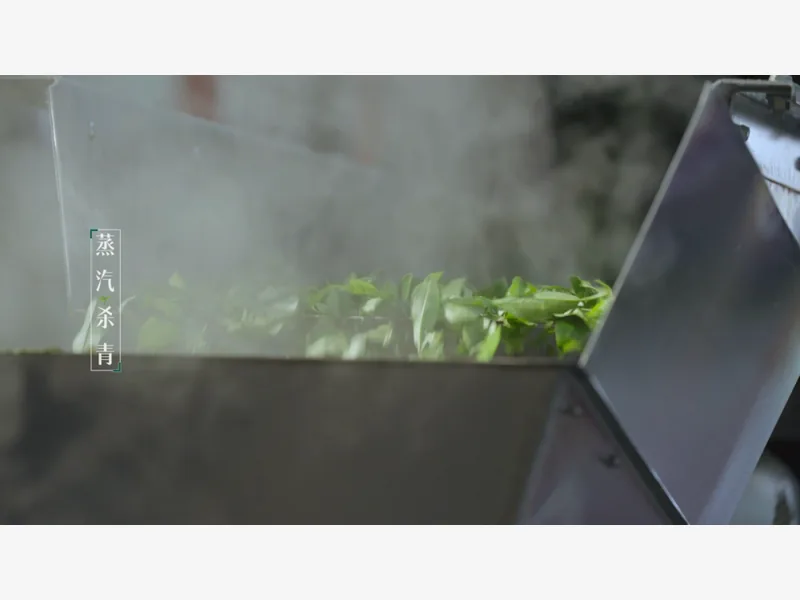
Ask for intake criteria, actual inspection result, receipt time, processing start time, and the batch record for the heat-treatment step used by the facility. The record should identify the lot, equipment, monitored parameters, operator or system approval, deviations, and disposition. Buyers do not need a supplier’s trade-secret settings to confirm that a defined, monitored, and released step occurred.
Practitioner judgment: reconcile timestamps and quantities between intake and processing. A complete form with an impossible sequence or unexplained mass gap is weaker evidence than a simpler record set whose handoffs agree.
What proves that processed leaf became controlled tencha?
Review the drying, cooling, sorting, stem or vein removal, and intermediate-storage records applicable to the facility. Ask how the supplier defines refined tencha, which defects or foreign material are removed, how intermediate lots are identified, and what conditions protect the material before milling.
Retained leaf and tencha samples can help a technical review when their identity and custody are documented. Use them to compare appearance, aroma, and process outcome, not as a substitute for the batch record.
How should milling and blending claims be checked?
Request equipment identification, pre-operation clearance or sanitation record, tencha input lot, milling batch, output quantity, in-process control, and any blend formula or lot genealogy relevant to the ordered grade. If multiple lots are blended, the finished code should lead back to every component and its proportion or controlled formulation record.
AdoroHu Matcha’s approved profile describes both stone mills and ball-milling equipment, ultrasonic screening, and a 300 kg homogeniser. A buyer should still verify which equipment and records applied to the sampled lot rather than treating the equipment list as lot-specific proof.
Which in-process and finished-product tests should match the specification?
Map each agreed specification parameter to a method, sampling point, laboratory, result, and release authority. Review identity, sensory or color performance, physical parameters, microbiological and chemical results required by the specification and target market, plus any application test promised to the buyer.
Applicable US facilities may need controls under 21 CFR Part 117; the FDA CGMP and preventive-controls overview describes the framework. The exact test plan must come from the product hazard analysis, specification, and destination requirements. The matcha COA guide helps buyers reconcile the final certificate with source results.
| Evidence | Buyer check | Mismatch to investigate |
|---|---|---|
| Specification | Correct product and revision | COA uses another limit |
| Sampling | Named lot, method, date | Sample identity unclear |
| Laboratory result | Method, units, result, status | Rounded or transcribed discrepancy |
| COA | Matches source results and lot | Certificate predates testing |
| Release | Authorized disposition | Shipment before approval |

How can packaging and release records verify the final handoff?
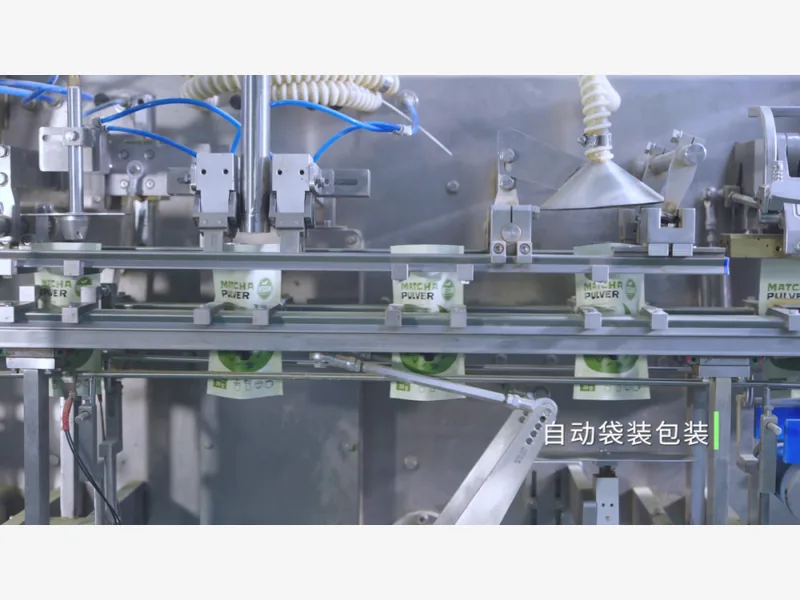
Check the packaging specification, line-clearance and label-verification record, package material lot, fill checks, seal checks, finished quantity, pallet or carton codes, and release status. Confirm that the packed lot code on the buyer’s sample appears in the production and laboratory chain.
Practitioner judgment: request one photographed or physical sample whose code can be traced in both directions. Forward tracing shows where inputs went; backward tracing shows which inputs and records support the finished pack.
How should buyers test the complete record chain before approval?
Run a desk trace on one lot: start from the finished pack, walk backward through release, testing, packing, blending or milling, tencha, intake, and source, then reconcile quantities forward again. Log missing links, unexplained code changes, deviations, rework, and document revisions. A site audit or remote record review can then target the weak stages rather than repeat the process tour.
Use the findings with the matcha supplier audit guide, validate performance through a matcha trial order, and review premium matcha supply options. To request samples and supporting records, contact AdoroHu Matcha.
FAQ
- What is matcha production process verification?
It is a lot-based review that connects each claimed production stage to controlled specifications, actual records, samples where useful, deviations, and release decisions. - Is a factory process flowchart enough?
No. A flowchart describes the intended route; verification checks that the sampled lot followed it through contemporaneous records and reconciled handoffs. - What sample should a buyer trace?
Use a representative commercial sample with a finished lot code that can be linked backward to production and source records and forward to packed quantities. - Do buyers need confidential processing settings?
Not necessarily. A supplier can protect trade secrets while showing that an approved instruction existed, monitored parameters were recorded, deviations were controlled, and the lot was released. - How are blended matcha lots verified?
The finished lot genealogy should identify every input lot and connect the controlled blend record to test results, packing, and release. - What should happen when records do not reconcile?
Open a documented question or deviation, assess the effect on identity, quality, safety, and claims, and do not treat the process as verified until the gap is resolved.
About the author: AdoroHu Matcha is a B2B matcha supply and private-label partner with production in Jingshan, Hangzhou and international operations in Shenzhen. Its approved company profile describes tea-garden resources, clean production workshops, in-house microbiological and physicochemical laboratory capability, and support from samples through bulk supply, packaging, and export service.