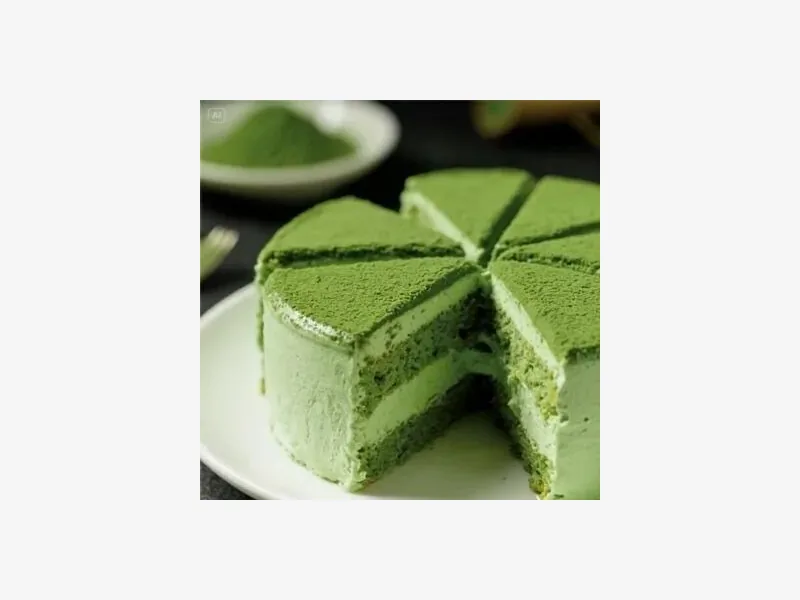
Choose matcha powder for baking by testing its flavor, color, dispersion, and cost in your actual formula. A bright powder can look convincing on a sample tray yet turn dull or disappear after heat, fat, sugar, and browning act on it. A bakery needs repeatable results at production scale, not a grade label alone. Start with an application brief and compare controlled batches.
1. What Makes Matcha Powder Suitable for Baking?
Matcha powder suits baking when it remains recognizable after mixing and heating at an economical dose. Your target may be a bold tea flavor, a balanced green note, or mainly visual identity. Define that target in the finished product because dry color and water tasting cannot predict every interaction inside dough or batter.
Which properties should R&D screen?
Build a short acceptance sheet:
- flavor intensity after cooling
- bitterness and astringency at target sweetness
- crumb or surface color under normal lighting
- dispersion without green specks
- effect on moisture and texture
- workable cost per sellable unit
| Property | Test point | Approval question |
|---|---|---|
| Flavor | Cooled product | Is tea still clear? |
| Color | Cut crumb and surface | Does appearance fit the brief? |
| Dispersion | Before and after baking | Are streaks or clumps visible? |
| Cost | Approved formula dose | Does unit economics work? |
Finished-product evidence keeps purchasing criteria relevant.
Key Takeaway: Approve baking matcha only after it performs in the intended product.
2. Which Grade of Matcha Works Best for Baking?
Culinary matcha is usually the practical starting grade for baking because it is selected for use with other ingredients. Delicate qualities valued in straight tea may become hard to detect after heat and strong flavors. Grade terms are not universal specifications, however, so compare samples by performance rather than relying on the label.
How should you shortlist samples?
Match the sample set to product intensity:
- lighter sponge or chiffon: balanced flavor and clean color
- butter cookie: enough character against fat and browning
- chocolate product: assertive flavor at a workable dose
- cream or frosting: smooth dispersion and low harshness
- high-volume mix: consistency and supply continuity
| Application | Starting direction | Main risk |
|---|---|---|
| Sponge cake | Culinary or premium trial | Flavor fades in light crumb |
| Cookie | Culinary | Browning masks green tone |
| Brownie | Strong culinary profile | Chocolate dominates |
| Frosting | Fine, smooth powder | Specks and bitterness |
The shortlist should reflect the formula’s strongest competing ingredient.
Key Takeaway: Buy the performance your recipe can retain after processing.
3. How Should You Set a Matcha Dose in a Formula?
Set the dose with a small ladder of controlled batches rather than copying a spoon measure from another recipe. Flour weight offers a useful reference for doughs and batters, while total batch weight may suit fillings or creams. Keep every other ingredient and process setting fixed so the panel can attribute differences to matcha.
What should a dose trial record?
Use three nearby levels around a reasonable starting formula:
- exact matcha weight
- reference weight used for percentage
- mixed batter or dough color
- baked weight and moisture observations
- flavor after full cooling
- cost per finished unit at each level
Prepare each level with the same ingredient lots, mixer, bowl loading, rest time, deposit weight, pan, oven position, and cooling interval. Randomize the tasting order if color will not reveal the dose immediately. Repeat the likely winning level on another day before locking the formula, since a single batch cannot demonstrate repeatability.
| Dose level | Sensory purpose | Commercial check |
|---|---|---|
| Low | Find minimum visible effect | Lowest ingredient cost |
| Middle | Test balanced target | Likely operating point |
| High | Identify bitterness or texture limit | Maximum cost and intensity |
A narrow ladder reveals the usable range without wasting large batches.
Key Takeaway: Fix every variable except dose and judge products only after cooling.
4. How Do You Mix Matcha Evenly Into Dough or Batter?
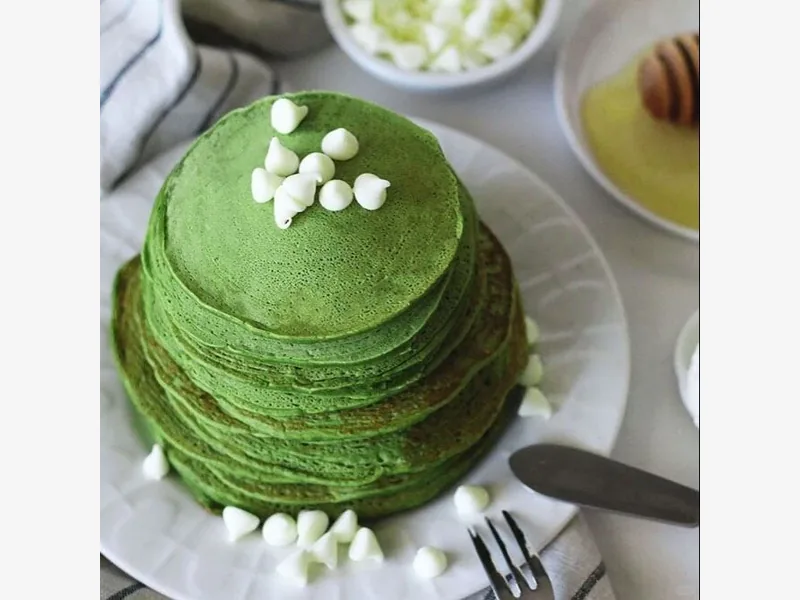
Mix matcha evenly by sifting it and distributing it through a compatible phase before final hydration. For many formulas, blending matcha with flour and other dry ingredients reduces concentrated specks. Some fat-rich formulas respond better when powder is creamed into butter, but the chosen method must remain practical at production scale.
Which addition method should you test?
Compare methods against your equipment:
- sift with flour for cakes and cookies
- preblend into sugar when dry distribution is stable
- cream into softened fat for selected rich formulas
- make a smooth slurry only when extra liquid is controlled
- avoid sprinkling powder onto a fully wet mass
- check bowl walls and dead zones after mixing
| Addition method | Best fit | Watch for |
|---|---|---|
| Dry preblend | Flour-based formulas | Dust loss and dead zones |
| Fat dispersion | Butter-rich products | Uneven fat temperature |
| Slurry | Fillings or wet mixes | Added water changes texture |
| Late addition | Rare corrective use | Streaks and overmixing |
Your production mixer may require a different sequence from the bench bowl.
Key Takeaway: Choose an addition point that spreads powder before the mix becomes crowded.
5. How Do Heat and Time Change Baked Matcha?
Heat and time can reduce fresh aroma, shift color, and expose bitterness in baked matcha. The effect depends on product thickness, bake profile, pH, surface exposure, and cooling. Record actual oven conditions rather than assuming the set temperature equals product experience.
How should you run a heat trial?
Compare only changes your production team can control:
- standard versus slightly shorter bake within safety limits
- covered interior versus exposed surface
- thin cookie versus thick cake geometry
- immediate versus next-day appearance
- center and edge color
- flavor at normal serving temperature
Separate oven settings from measured product observations. Record load size, rack position, actual bake duration, exit condition, and cooling location so another operator can reproduce the test. If you adjust time or temperature, keep deposit weight and pan treatment fixed and change only one heat variable per round.
| Heat variable | Possible result | Useful observation |
|---|---|---|
| Longer bake | More browning | Edge-to-center contrast |
| Thin profile | Greater surface exposure | Color uniformity |
| Residual heat | Continued change after oven | Cooling-rack timing |
| Display time | Light and air exposure | Sale-window appearance |
AdoroHu’s baking application page can support a more specific sample discussion.
Key Takeaway: Evaluate oven, cooling, and display as one connected process.
6. Which Ingredients Pair Well With Matcha in Baking?
Ingredients pair well with matcha when they support the intended tea profile without forcing a damaging dose increase. Dairy, white chocolate, vanilla, sesame, citrus, red bean, and mild nuts can work in different product concepts, but each changes sweetness, aroma, color contrast, and cost. Screen pairings in the complete formula.
How can you prevent flavor competition?
Map every strong ingredient before testing:
- sugar level and type
- cocoa or chocolate intensity
- browned butter or toasted notes
- fruit acidity and aroma
- spices and extracts
- toppings that alter each bite
| Pairing family | Likely role | Trial concern |
|---|---|---|
| Dairy or white chocolate | Softens bitterness | Can mute tea |
| Citrus | Adds aromatic contrast | Acidity may affect color |
| Sesame or nuts | Adds roasted depth | Can dominate finish |
| Vanilla | Rounds aroma | Excess can blur identity |
Taste pairings both alone and in the assembled product.
Key Takeaway: Adjust competing flavors before raising matcha dose automatically.
7. How Do You Test Color Without Chasing Brightness?
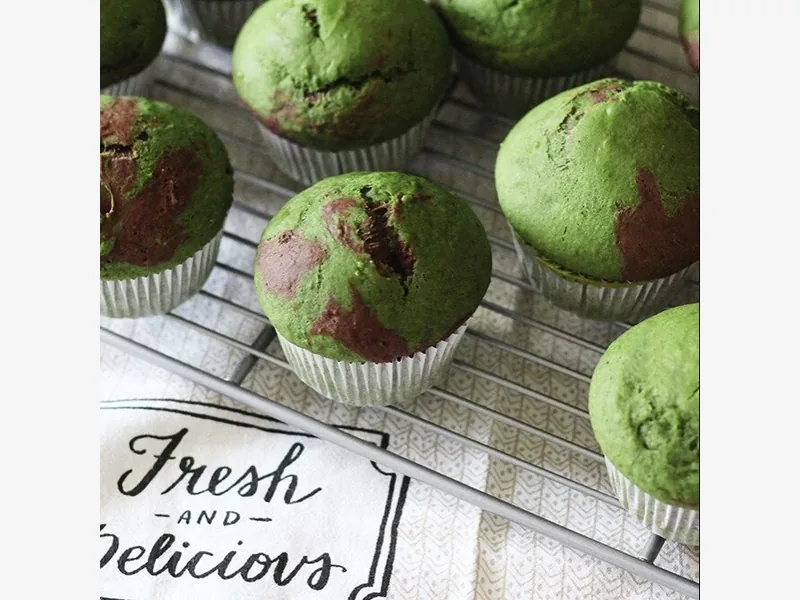
Test color under fixed lighting at defined stages rather than treating the brightest dry sample as the winner. A bakery sells the cooled product, often after packaging or display, so that is where visual approval belongs. Color should also support flavor and texture instead of hiding a weak formula.
What belongs in a practical color check?
Create consistent comparison conditions:
- photograph samples under one neutral light source
- include batch code and production time outside the food area
- cut products at the same cooling interval
- compare center, edge, and exposed surface
- repeat after expected display or storage
- use the same camera settings if images support decisions
Set release criteria for both cooled and next-day product. A batch can meet its target after cooling yet drift during wrapping, overnight storage, or refrigerated holding. Record who approves color, flavor, texture, and sale-window condition so production does not rely on an informal visual judgment.
| Stage | What it reveals | Common error |
|---|---|---|
| Dry mix | Initial distribution | Approving on this alone |
| Batter or dough | Hydrated appearance | Ignoring bake change |
| Cooled product | Customer-facing color | Comparing at different times |
| End of sale window | Commercial stability | Using different lighting |
Repeatable observation matters more than an embellished photograph.
Key Takeaway: Approve color in the product condition customers actually buy.
8. How Should You Run a Bakery Pilot Trial?
Run a bakery pilot with production equipment, normal operators, and a batch size large enough to reveal mixing and deposit problems. Bench success does not prove that powder distributes through a large bowl or survives longer processing. Use one control batch and change one factor at a time.
Which pilot checks prevent expensive surprises?
Prepare a signed trial sheet covering:
- ingredient lots and scaled weights
- addition order and mixing stages
- bowl scraping and powder loss
- deposit weight and bake position
- yield, rejects, and sensory result
- cleaning implications and allergen controls
Include a control made with the current powder or current formula whenever one exists. Compare yield and reject reasons alongside sensory results, since an attractive pilot can still fail if deposits vary or batter remains in the bowl. Require production and quality representatives to sign the same batch record before commercial release.
| Pilot gate | Pass signal | Follow-up |
|---|---|---|
| Mixing | No visible streaks | Confirm second batch |
| Baking | Target flavor and color | Lock bake window |
| Yield | Output matches plan | Calculate usable cost |
| Operations | Staff can repeat method | Issue work instruction |
The second successful batch matters because repeatability is the commercial goal.
Key Takeaway: Pilot with real equipment and require a repeat result before launch.
9. How Do Packaging and Storage Affect Baked Products?
Packaging and storage affect matcha bakery products through light, oxygen, moisture movement, temperature, and odor transfer. The finished food may change faster than the unopened powder. Test the chosen package across the intended sale window rather than assuming a good day-one result will hold.
U.S. bakeries can consult the FDA Food Code as a model reference, then verify the rules adopted by their state or local jurisdiction.
What should a shelf-life plan observe?
Your quality team should define checks appropriate to the product:
- color at packed and displayed stages
- aroma and tea flavor
- moisture, softness, or crispness
- package seal and headspace
- odor pickup from nearby products
- food-safety criteria set by qualified staff
Use defined release checkpoints rather than tasting whenever someone happens to be available. For example, a hypothetical cake trial could be reviewed after cooling, after packing, and on the next day, provided those points match the intended sales plan. Keep samples under the same conditions between checks.
| Product type | Quality risk | Packaging question |
|---|---|---|
| Cookie | Moisture pickup | Does pack preserve crispness? |
| Cake | Drying and color drift | Is barrier adequate? |
| Cream-filled item | Temperature abuse | Is cold chain controlled? |
| Premix | Powder caking | Does liner resist moisture? |
Quality and safety limits should be documented separately.
Key Takeaway: Validate the finished product in its real package and sales conditions.
10. How Do You Buy Matcha Powder for Baking at Scale?
Buy matcha powder for baking at scale by linking the approved formula to a specification, pack plan, cost model, and lot-review process. Price per kilogram alone misses dose, waste, freight, testing, and rejected production. Ask suppliers for samples and documents tied to your target application and market.
What should the purchasing file contain?
Connect R&D approval with procurement:
- approved sample code and sensory notes
- product specification and lot COA request
- pack size and annual volume estimate
- shelf-life and storage instructions
- landed-cost assumptions
- change-notification and complaint contacts
| Purchasing item | Why it matters | Decision owner |
|---|---|---|
| Specification | Defines expected product | Quality and R&D |
| Pack format | Controls turnover and waste | Operations |
| Landed cost | Shows usable economics | Purchasing |
| Supply plan | Supports continuity | Planning |
For application and sample support, review AdoroHu’s pure-matcha grade and specification selection support and contact the team.
Key Takeaway: Purchase against an approved formula, written specification, and total usable cost.
FAQ
Q1: Can I replace flour with matcha powder directly?
Not automatically. Matcha adds dry solids but does not behave exactly like flour, so substitution can change hydration, structure, and texture. Trial small formula adjustments and record each change.
Q2: What is the best matcha powder for cookies?
The best option retains tea flavor after browning, disperses evenly, and meets your cost target. Test samples in your cookie formula because butter, sugar, thickness, and bake time change the result.
Q3: How do I know if I used too much matcha?
The dose is probably too high when bitterness, dryness, cost, or dark color exceeds the product brief. Confirm with a lower-dose control rather than masking the problem with more sugar.
Q4: Can I use matcha in frosting and fillings?
Yes. Sift and disperse it into a compatible portion before combining the full batch, then judge flavor and color at serving temperature and through the intended storage window.
Q5: What should I send a supplier before requesting samples?
Share the product type, formula environment, process temperature, desired profile, expected volume, pack preference, target market, and required documents. That information makes sample selection more useful.