
Inconsistent beverage quality often undermines commercial cafe operations. Lumpy matcha or bitter flavor profiles result in significant ingredient waste and lost customers. AdoroHu provides the premium supply and matcha for latte solutions required to ensure every serving meets professional standards.
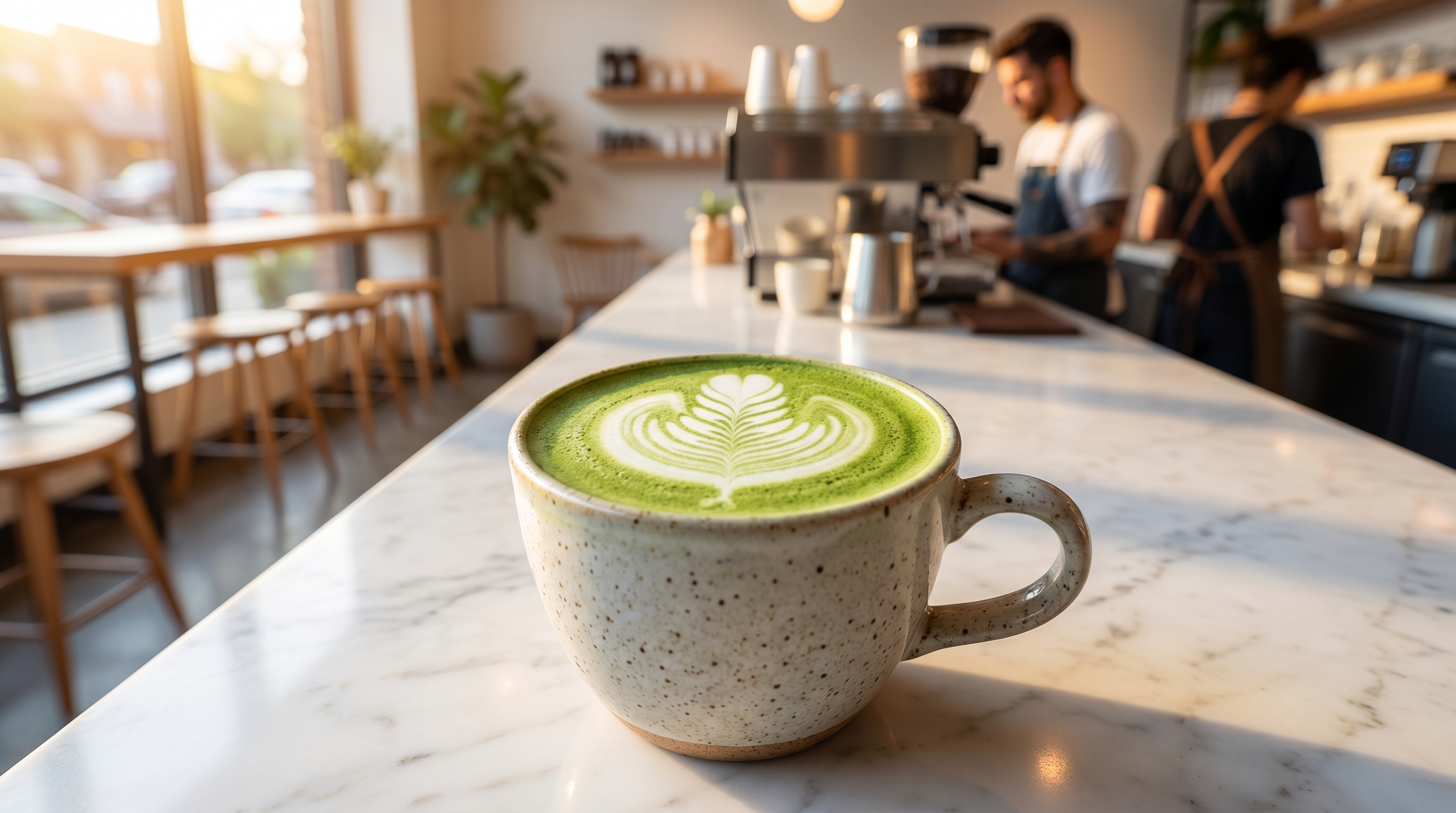
A professional matcha latte recipe requires sifting 2 grams of premium powder into 30 milliliters of 80°C water before whisking into a smooth paste. Combine this concentrated base with 200 milliliters of textured milk or plant-based alternative to achieve a balanced, creamy consistency. Standardizing this 1:10 ratio across your beverage program ensures flavor uniformity and optimal cost-per-serving metrics for high-volume cafe environments.
In short: A standardized matcha latte recipe is essential for operational efficiency and brand loyalty.
Key points:
- Professional consistency reduces ingredient waste.
- Higher grades improve color and flavor.
- Temperature control prevents delicate leaf oxidation.
- Specialized blending techniques enhance powder solubility.
Why is a professional matcha latte recipe critical for your beverage brand?
Consistency defines the success of any commercial beverage program. Customers expect the same vibrant color and umami profile every visit. A professional recipe eliminates barista variability. It ensures your Tencha leaves are treated with care. Standardized preparation protects your brand reputation. It also simplifies the training process for new staff. Consistent quality directly drives repeat business.
Which matcha grade defines the best matcha latte recipe for commercial use?
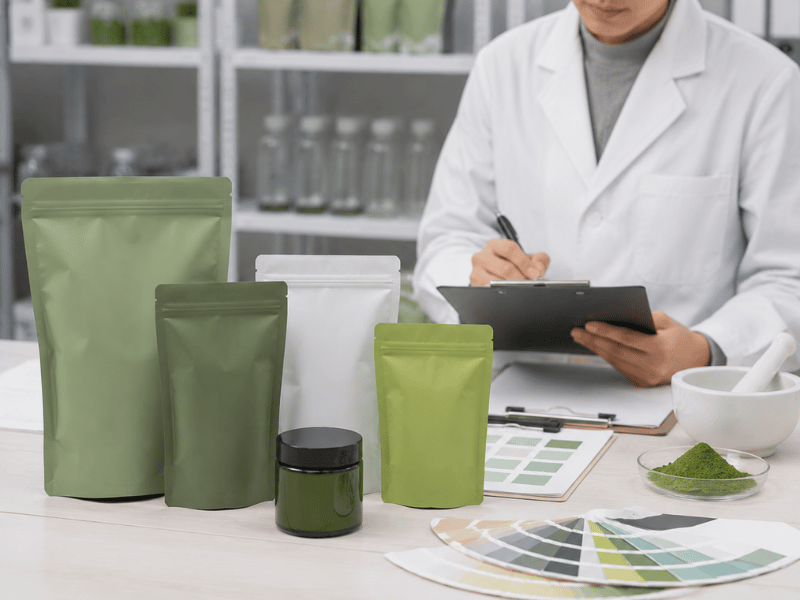
Choosing between ceremonial grade and culinary grade is a strategic business decision. Ceremonial options offer a vibrant green hue and high L-theanine levels. These are ideal for premium signature drinks. Culinary grades provide a stronger flavor that cuts through milk. Most successful cafes use a specific barista-grade blend. This middle ground offers both color and cost efficiency.
How does the choice of milk affect the performance of your matcha latte recipe?
Milk selection alters the chemical balance of the drink. Dairy milk offers a classic creamy texture. However, oat and almond milks are now industry standards. Barista-edition plant milks froth better than standard retail versions. These fats encapsulate the matcha particles for a smoother mouthfeel. The right milk highlights the natural sweetness of the tea. It should never mask the delicate vegetal notes.
What are the essential preparation steps for a consistent B2B matcha latte recipe?
Sifting is the most vital step in any commercial setting. It prevents clumping in high-volume environments. Use a fine-mesh sieve for every single serving. Always whisk in a “W” motion to create micro-foam. Digital scales ensure a precise 2g dose every time. Automated frothers can also save labor costs. Proper preparation ensures a silky texture and professional presentation.
How do you scale a matcha latte recipe for high-volume café operations?
Scaling requires more than just multiplying ingredients. AdoroHu utilizes specific blending techniques to improve solubility. Our wholesale matcha is engineered for quick integration into liquids. Batch-making the concentrated base can reduce wait times. This prevents the “bottleneck” at the barista station. Maintaining freshness during large-scale service is critical. Proper storage prevents air and light from degrading the powder.
What are the typical profit margins for a cafe-grade matcha latte recipe?
Matcha lattes are among the most profitable menu items. A typical cost-per-serving ranges from
0.45to
0.65. Retail prices often exceed $5.00 in urban markets. This represents a gross profit margin of over 85%. Low labor intensity further improves the bottom line. Efficient sourcing reduces the impact of logistics costs. High-quality ingredients justify the premium pricing to consumers.
Can a private label matcha latte recipe improve your brand’s market positioning?
Creating a private label line builds long-term brand equity. It prevents customers from comparing your prices to competitors. Custom formulations allow for unique flavor profiles. You can control the entire supply chain transparency. This appeals to modern, health-conscious consumer segments. Exclusive recipes make your beverage program irreplaceable. It transforms a simple drink into a brand asset.
How does water temperature influence the flavor profile of your matcha latte recipe?
Excessive heat destroys the delicate flavors of the tea. Boiling water causes immediate bitterness and astringency. The ideal temperature range is 70°C to 80°C. Lower temperatures preserve the sweet L-theanine amino acids. Commercial water boilers should be calibrated daily. Precision heating ensures a smooth and vegetal taste. It prevents the “burnt grass” flavor profile.
What certifications should you look for when sourcing ingredients for a matcha latte recipe?
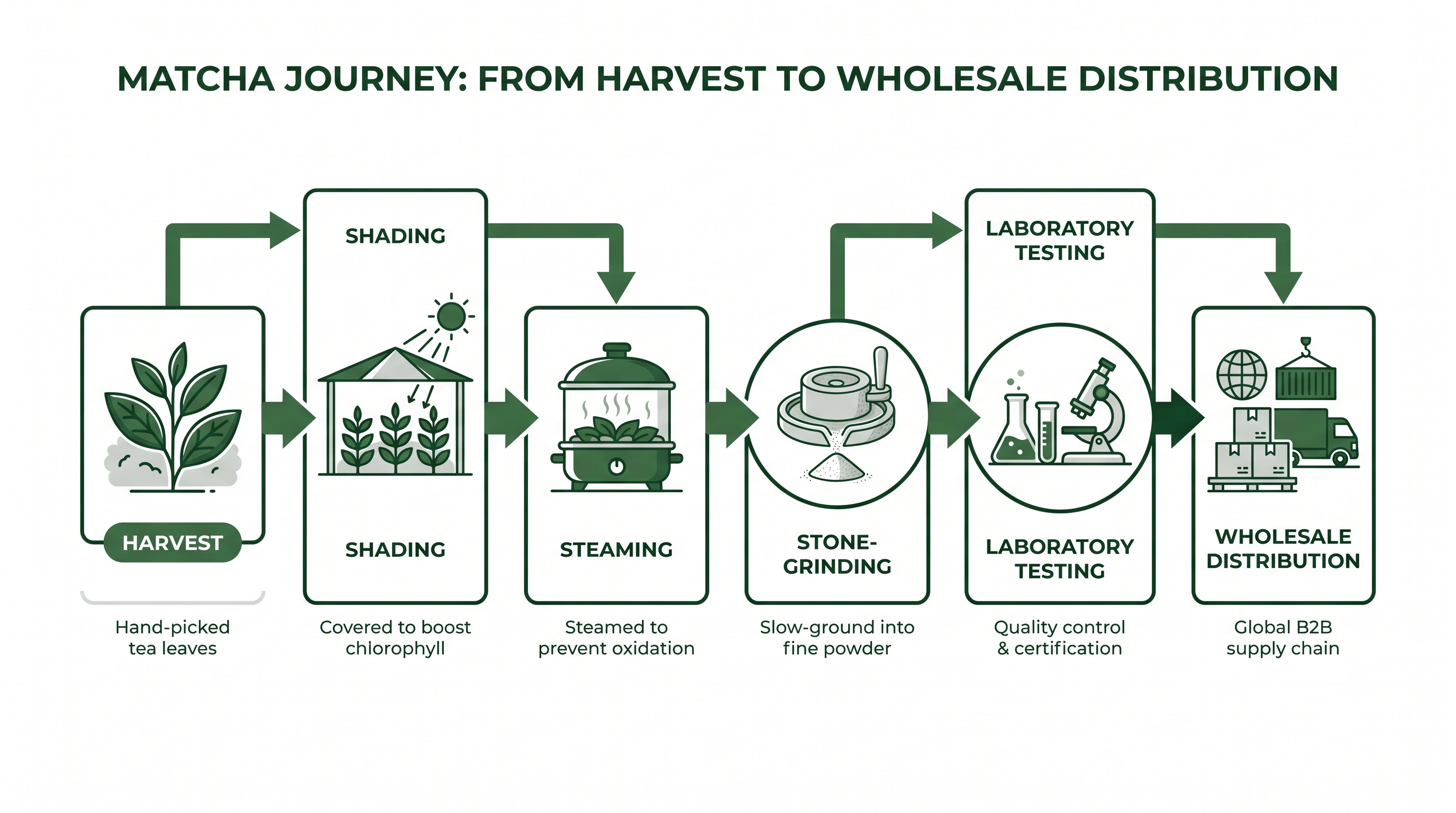
Safety and quality standards are non-negotiable for B2B buyers. AdoroHu maintains ISO 22000 and USDA Organic standards. These certifications ensure rigorous testing for heavy metals. They also guarantee no harmful pesticides are present. Transparency in sourcing builds consumer trust and loyalty. Verified supply chains protect your business from regulatory risks. Always request a Certificate of Analysis for bulk orders.
How do industry leaders innovate with a custom matcha latte recipe?
Innovation involves exploring unique additives like adaptogens. Many brands now offer collagen-infused or mushroom matcha blends. Seasonal variations like lavender or mint attract new customers. Industry leaders focus on the “theatrical” aspect of preparation. Tableside whisking can enhance the premium experience. Customizing the umami-to-sweetness ratio defines your brand. Ready to optimize your beverage menu? Please contact our team for expert formulation support.
Frequently Asked Questions
- What is the best matcha to water ratio for lattes?
- Most professionals use 2g of powder to 30ml of water.
- This creates a concentrate that blends perfectly with 200ml of milk.
- How long does matcha powder stay fresh in a cafe?
- Opened tins should be used within 4 to 6 weeks.
- Keep containers away from heat and direct sunlight.
- Does matcha grade affect the caffeine content?
- Higher ceremonial grades often contain more caffeine.
- This is due to the shading process used for Tencha leaves.
- Is a bamboo whisk necessary for commercial use?
- Bamboo whisks provide the best froth for single servings.
- Electric frothers are more efficient for high-volume environments.
- Can I make iced matcha lattes using the same recipe?
- Yes, simply pour the concentrate over cold milk and ice.
- Ensure the powder is fully dissolved before adding cold liquids.