For years, the professional beverage industry has relied on the immediate “kick” of coffee to drive morning sales. However, modern consumers are increasingly vocal about the downsides: the mid-morning crash, the jitters, and the digestive acidity that often follows a standard cup of joe. For businesses, this dissatisfaction represents a significant risk to customer retention as health-conscious demographics migrate toward “cleaner” energy sources. If your menu or product line is built solely on the volatile energy spike of coffee, you are likely losing a growing segment of the market that prioritizes functional wellness. AdoroHu Matcha provides the premium wholesale matcha solutions needed to capture this demand, offering a sophisticated caffeine profile that aligns with current consumer health trends.
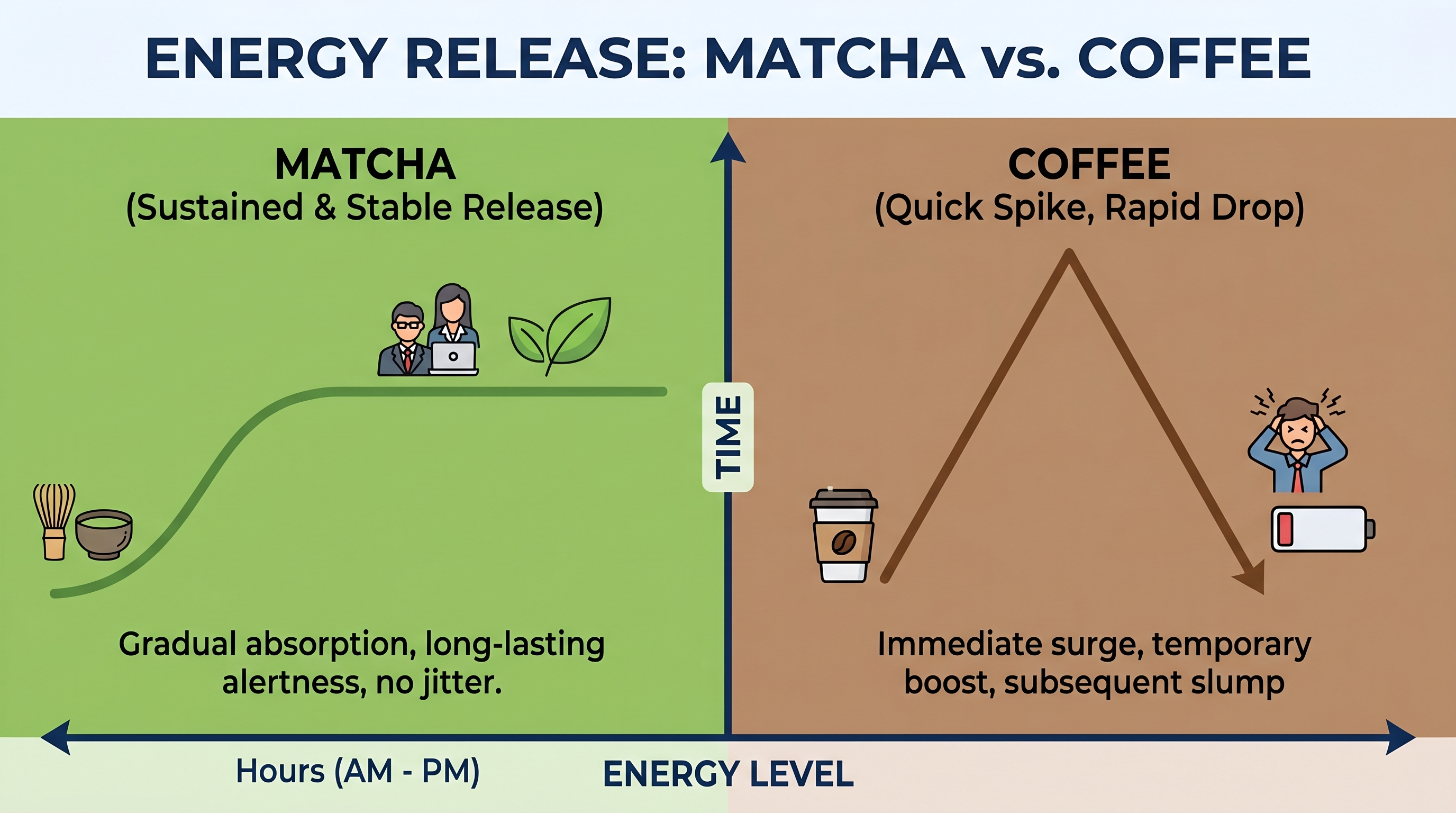
A standard 2-gram serving of matcha contains approximately 60–70mg of caffeine, which is comparable to a single shot of espresso (63–75mg) but lower than an 8-ounce drip coffee (95–200mg). The primary difference lies in the energy delivery; matcha contains L-theanine, which slows caffeine absorption to provide 4–6 hours of sustained alertness without the crash typical of coffee.
In short: While coffee generally contains more raw caffeine per ounce, matcha provides a more efficient and stable energy return on investment for the consumer.
Key points:
- Energy Longevity: Matcha lasts 3–5 hours longer than coffee.
- Functional Benefits: L-theanine promotes alpha brain waves for “calm alertness.”
- Profitability: Matcha lattes often yield gross margins exceeding 80% for food service operators.
- Consumer Demand: Gen-Z and Millennial buyers are actively seeking “clean caffeine” alternatives.
What is the primary difference in caffeine content between matcha and coffee?
The primary difference is not just the quantity, but the molecular environment of the caffeine. A standard 8-ounce cup of drip coffee delivers between 95mg and 200mg of caffeine in a highly bioavailable form, leading to a rapid spike in the bloodstream. In contrast, a serving of matcha (2g) provides roughly 60–70mg. While the “number” is lower, the presence of phytonutrients in the whole-leaf powder ensures that the body processes this energy differently. For B2B buyers, this means marketing a product that offers a “plateau” of energy rather than a “peak and valley” experience.
Which grades of matcha offer the most consistent caffeine levels for B2B buyers?
For consistent energy delivery, ceremonial grade matcha is the industry standard. Because ceremonial grades are harvested from the youngest, most nutrient-dense tea leaves (the first flush), they contain the highest concentrations of both caffeine and L-theanine. Culinary or “latte” grades, harvested later in the season, may have slightly lower or more variable caffeine levels. B2B buyers should prioritize suppliers who provide batch-specific lab results to ensure the product meets the functional claims of their brand.
How does the sourcing location affect the caffeine profile of wholesale matcha?
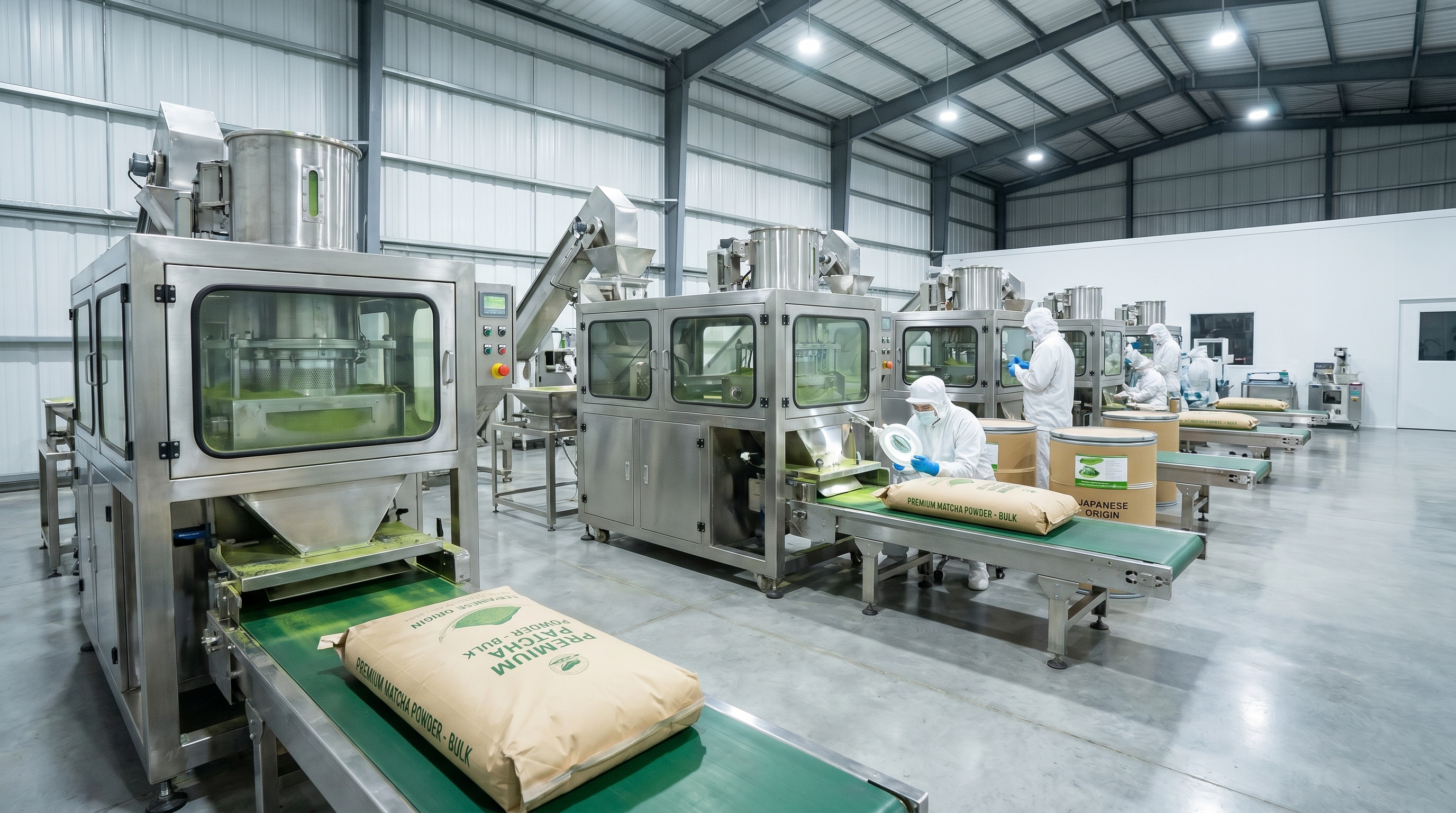
Geography plays a critical role in the chemical composition of the leaf. Regions like Uji (Kyoto) and Nishio are world-renowned for their traditional shade-growing techniques. Shading the plants for 20–30 days before harvest forces the leaves to overproduce chlorophyll and amino acids, specifically L-theanine, which is what moderates the caffeine release. Sourcing from reputable Japanese prefectures ensures that the “energy profile” is premium. Conversely, lower-quality “green tea powders” (often mislabeled as matcha) from other regions lack this intensive shading process, resulting in a product that feels more like a standard tea and lacks the “matcha buzz” customers expect.
Why is the L-theanine and caffeine synergy critical for beverage manufacturers?
For manufacturers of Ready-to-Drink (RTD) beverages, the synergy between L-theanine and caffeine is a USP (Unique Selling Proposition). L-theanine is an amino acid that crosses the blood-brain barrier and promotes the production of alpha brain waves, which are associated with relaxation and focus. When combined with caffeine, it negates the common side effects of jitters and increased heart rate. This creates a “flow state” that is highly addictive for office workers, students, and athletes, making matcha-based applications a superior choice for functional health drinks.
How do the energy release patterns of matcha vs coffee impact consumer brand loyalty?
Consumer loyalty in the beverage space is often tied to how a product makes the customer feel after the initial consumption. Coffee’s rapid energy drop often leaves consumers feeling depleted, which can lead to a negative subconscious association with the brand. Matcha’s gradual 4–6 hour decline ensures the consumer remains productive throughout the day. When a consumer realizes that your brand’s matcha latte provides a better workday experience than the competitor’s coffee, you secure long-term loyalty based on functional performance rather than just flavor.
What are the commercial use cases for high-caffeine matcha in the food service industry?
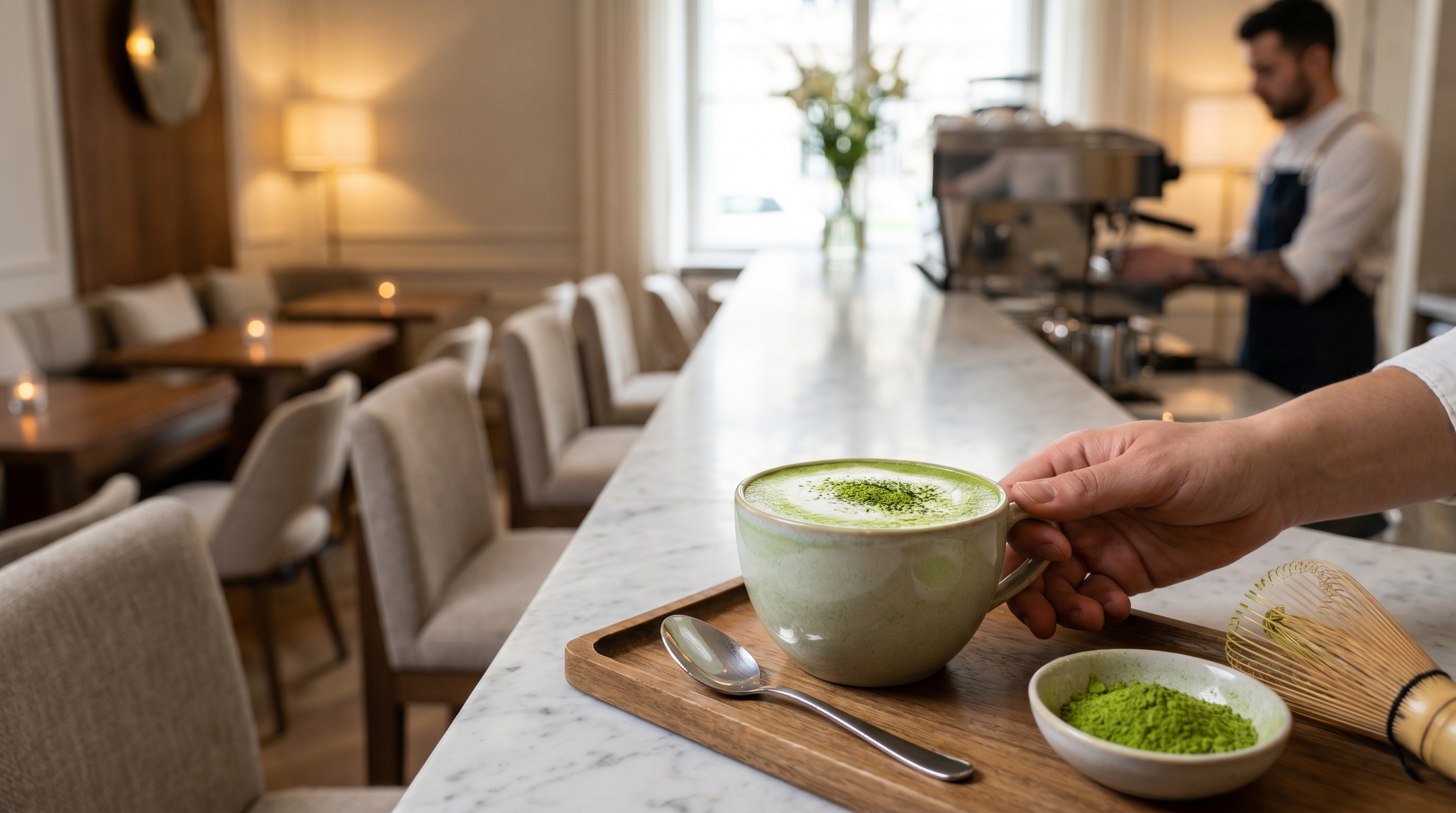
High-quality culinary matcha is increasingly used beyond simple lattes. In the food service sector, it is a key ingredient in “energy bowls,” protein smoothies, and even caffeinated pastries. Because matcha is a powder (a suspension) rather than an extract, it provides a vivid color and a concentrated energy boost that doesn’t dilute the texture of the food product. For high-volume cafes, pre-batching matcha “shots” allows for a throughput speed that rivals espresso machines, enabling the business to serve the morning rush efficiently.
Does organic certification influence the caffeine quality in bulk matcha sourcing?
While organic certification primarily concerns the absence of synthetic pesticides and fertilizers, it does impact the overall health of the tea plant. Organic matcha often has a more “authentic” and complex nutrient profile. For B2B buyers in the EU or North America, organic certification (JAS, USDA, or EU Organic) is often a prerequisite for entry into premium retail spaces. While it doesn’t “increase” caffeine, it ensures the purity of the energy experience, protecting the consumer from chemical residues that could interfere with the tea’s natural benefits.
What are the pricing considerations for premium vs culinary matcha based on energy benefits?
There is a clear cost-to-benefit ratio when choosing between grades. A 3-gram dose of premium latte grade matcha costs a business approximately 0.18–0.30, whereas a ceremonial dose may cost 0.50+. However, amatchalattecanbepricedat 6.00 to $8.00 in a cafe setting, significantly higher than a standard drip coffee. The “energy benefit” allows for this premium pricing; customers are willing to pay more for a “functional beverage” that provides focus without a crash. Investing in higher-quality powder directly correlates to a higher perceived value and the ability to command premium retail prices.
How should importers manage logistics for high-volume matcha shipments?
Matcha is a volatile product; heat, light, and oxygen degrade both its color and its delicate chemical balance (including L-theanine levels). High-volume B2B importers must utilize cold-chain logistics and vacuum-sealed, light-proof packaging. For premium grades, air freight is often preferred to minimize time spent in transit. Once at the warehouse, maintaining a temperature-controlled environment is essential to ensure that the “energy-boosting” properties and vibrant green color remain intact until the product reaches the end consumer.
What are common buyer mistakes when evaluating matcha caffeine for private label products?
The most common mistake is evaluating matcha based on price alone without requesting a Certificate of Analysis (COA) or testing for “cut” ingredients. Some low-cost suppliers may blend matcha with standard green tea powder or even sugar/fillers, which dilutes the caffeine and L-theanine ratio. For private label products , this results in an inferior product that won’t deliver the promised “sustained energy.” Buyers should always conduct a “froth test” and color evaluation: vibrant spring green indicates high L-theanine and caffeine, while dull yellowish-brown indicates an aged, low-energy product.
Frequently Asked Questions
- Does matcha have more caffeine than espresso?Per serving, they are very similar (60-70mg for matcha vs 63-75mg for espresso), but matcha’s energy lasts significantly longer.
- Is the caffeine in matcha different from coffee?The molecule is the same, but in matcha, it is bound to phytonutrients and moderated by L-theanine, changing how the body absorbs it.
- How long does the energy boost from matcha last?Typically 4 to 6 hours, compared to the 1 to 2-hour spike provided by coffee.
- Can matcha replace coffee in a B2B setting?Yes, it is a highly profitable “clean energy” alternative that fits the functional wellness trend.
- What grade of matcha is best for energy drinks?A high-quality latte or ceremonial grade is recommended to ensure high levels of L-theanine for a smooth energy release.
Understanding the functional energy differences between matcha and coffee is essential for any modern beverage brand. Matcha doesn’t just offer caffeine; it offers a superior, sustained performance that meets the demands of today’s health-conscious professional. By sourcing high-quality, authentic Japanese matcha, your business can drive higher margins and build deeper customer loyalty. To discuss bulk orders or custom formulations, contact our expert team today .