
Matcha typically presents a complex flavor profile that is initially slightly bitter, followed by a smooth umami taste, and concluding with a sweet, lingering aftertaste. For many beverage directors and entrepreneurs, the first encounter with green tea powder can be polarizing due to unfamiliarity with high-quality premium/wholesale options. This sensory hurdle often leads to hesitation in adding matcha to a menu, fearing that customers will find the “grassy” notes off-putting. AdoroHu Matcha solves this by providing expertly sourced powders that balance traditional Japanese profiles with modern palate expectations.
Matcha’s taste is a complex blend of vegetal freshness, carrying a grassy or spinach-like flavor due to its processing from shaded green tea leaves. High-quality varieties transition from a mild initial bitterness into a rich, savory umami depth with a naturally sweet aftertaste. This unique profile is characterized by a creamy, full-bodied mouthfeel that lingers pleasantly on the palate.
In short:
Key points:
- Primary notes are vegetal, grassy, and savory (umami).
- High-grade matcha has a natural, subtle sweetness.
- Quality is determined by the balance of bitterness and creamy texture.
- The “fishy” aroma is often a sign of specific processing or high amino acid content.
What are the primary tasting notes of matcha?
The flavor of matcha is not a single note but a symphony of sensory experiences. Think about it: where else can you find a beverage that is simultaneously savory, sweet, and vegetal? The most prominent feature of authentic Uji or Nishio matcha is its Umami content.
The Vegetal Foundation
- Grassy notes: Reminiscent of fresh spring grass or steamed spinach.
- Floral hints: High-quality spring harvests often carry a faint jasmine-like aroma.
- Oceanic qualities: A clean, seaweed-like freshness that signals high Chlorophyll levels.
The Sweet and Savory Balance
- Natural Sweetness: Unlike white sugar, this is a “green” sweetness similar to snap peas.
- Savory Umami: A brothy richness caused by high concentrations of L-theanine.
- Nutty undertones: Some cultivars offer a toasted walnut or almond finish.
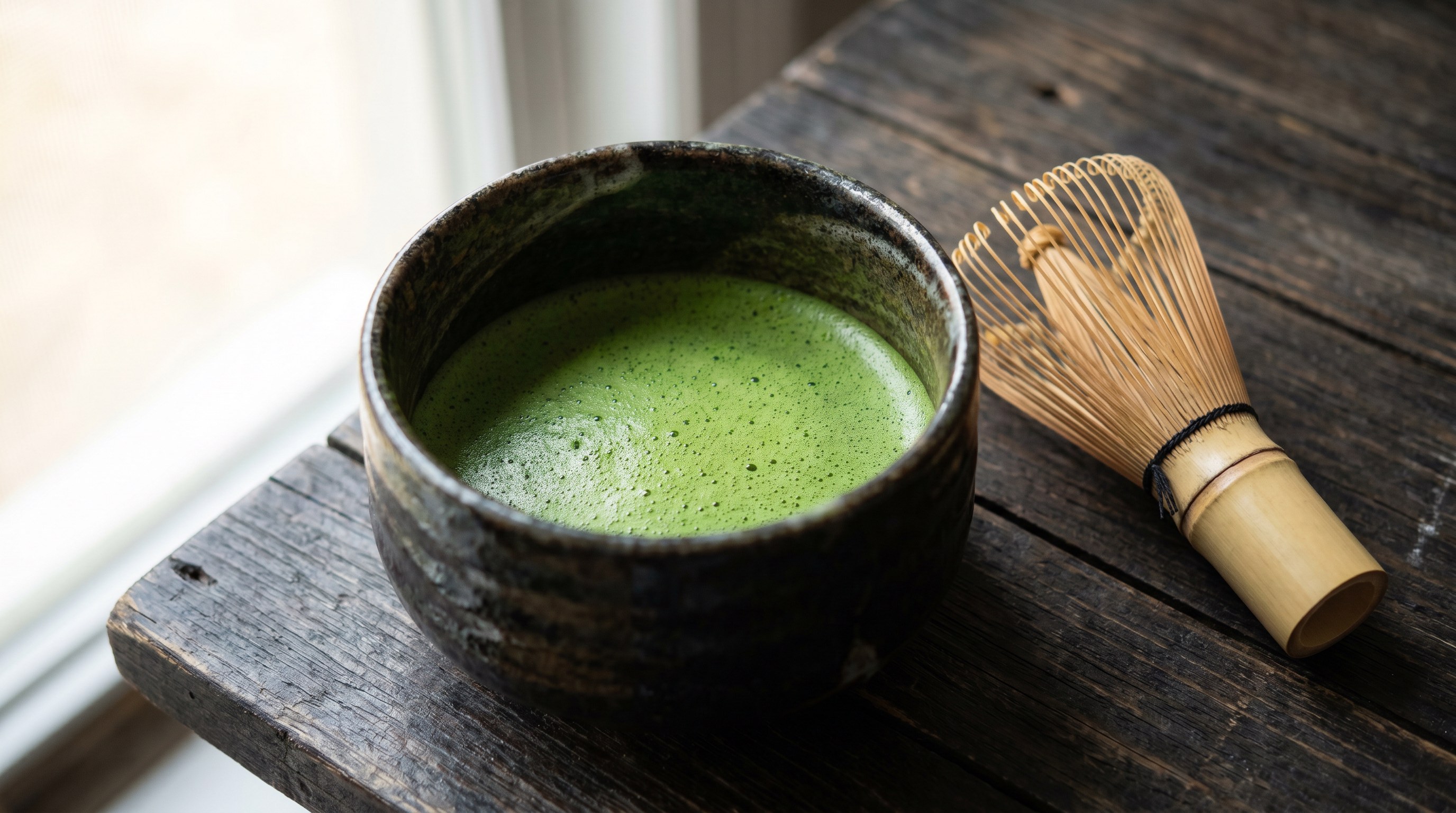
Key Takeaway: The best matcha balances grassy freshness with a deep savory richness, ensuring it isn’t just “bitter water.”
Why does some matcha taste like grass or seaweed?
You might wonder why these specific descriptors are so common. The reality is simple: it comes down to the shading process. By covering the tea plants for 20-30 days before harvest, farmers force the leaves to produce massive amounts of Chlorophyll and Amino Acids.
The Impact of Shading
- Chlorophyll boost: Creates the vibrant emerald color and the distinct vegetal “grass” taste.
- L-Theanine preservation: Prevents amino acids from turning into polyphenols (catechins), which are more bitter.
- Steam processing: Fixes the green color and prevents oxidation, maintaining the fresh harvest flavor.
Key Takeaway: Grassy and seaweed notes are actually indicators of a high-nutrient, shade-grown product that has been properly steamed.
How does ceremonial grade differ from culinary grade in taste?
This is where many B2B buyers get confused. Here is the deal: the “grade” determines how the tea should be consumed based on its flavor intensity. Ceremonial matcha is delicate and sweet, designed to be whisked with water alone.
Analyzing Ceremonial Profiles
- Smoothness: A velvety texture with zero grittiness.
- Mellow Bitterness: A very soft, approachable astringency that disappears quickly.
- Complexity: Layered flavors that evolve as the tea cools in the bowl.
Analyzing Culinary Profiles
- Boldness: A stronger, punchier flavor designed to stand up to milk and sugar.
- Astringency: Higher levels of catechins make it sharper, which is perfect for baking applications.
- Deep Green Hue: Often slightly duller than ceremonial but still vibrant enough for aesthetic food-grade use.
| Feature | Ceremonial Grade | Culinary Grade | |
|---|---|---|---|
| Primary Taste | Sweet & Umami | Bold & Astringent | |
| Aftertaste | Lingering Sweetness | Clean & Sharp | |
| Texture | Silky/Creamy | Slightly Grainy | |
| Best Use | Traditional Tea | Lattes & Pastries |
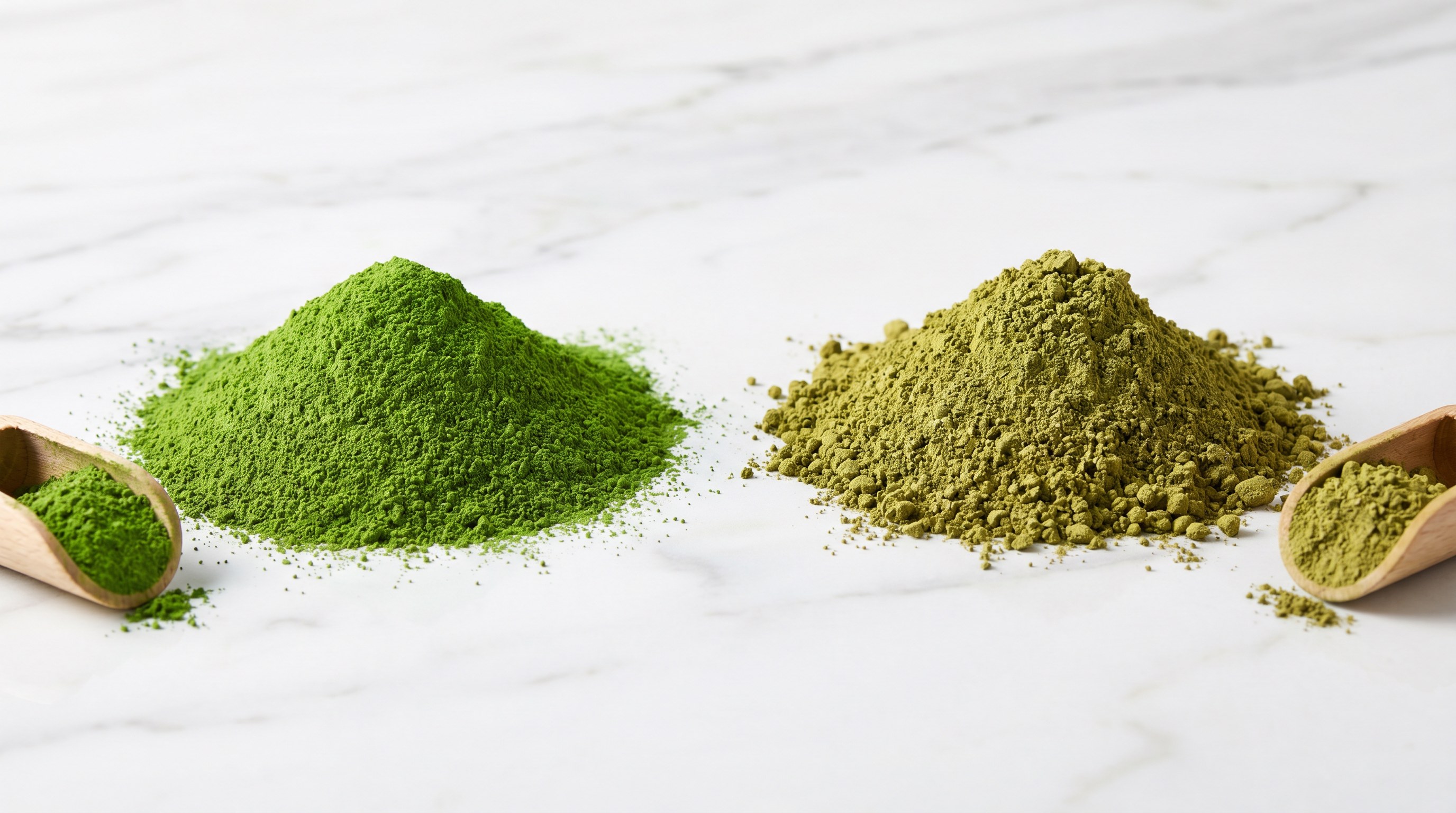
Key Takeaway: Choose your grade based on the final application; delicate flavors are lost in lattes, while bold flavors overpower traditional tea.
Is matcha supposed to be bitter or sweet?
The short answer? Both. But wait, there’s more. The “bitterness” in high-quality matcha should be a pleasant, fleeting sensation—much like the bitterness in dark chocolate or a fine espresso.
The Role of Bitterness
- Catechins: These antioxidants provide the healthy bite but increase if the plant gets too much sun.
- Balance: In a professional latte/cafe setting, a touch of bitterness provides structure to the drink.
- Harvest Timing: First-flush leaves are naturally sweeter than late-summer harvests.
Key Takeaway: Good matcha is bittersweet; if it is “only” bitter and makes your mouth pucker, it is likely low-quality or improperly prepared.
How do preparation methods influence the flavor profile?
Even the best culinary/bulk/food-grade powder will taste terrible if the water is too hot. High temperatures scorch the delicate tea particles, releasing excessive tannins and ruining the umami balance.
Temperature and Whisking
- Water Temperature: Ideal range is 160°F – 175°F (70°C – 80°C).
- Whisking Technique: Creating a dense micro-foam aerates the tea, making it taste creamier and sweeter.
- Water-to-Powder Ratio: A standard 2g per 2oz of water ensures the intended flavor density.
| Water Temp | Flavor Result | Best For | |
|---|---|---|---|
| 160°F (70°C) | Sweet, highly aromatic, light body | Premium Usucha | |
| 175°F (80°C) | Balanced, savory, medium body | Standard Latte Base | |
| 190°F+ (88°C+) | Extremely bitter, astringent, burnt | Avoid at all costs |
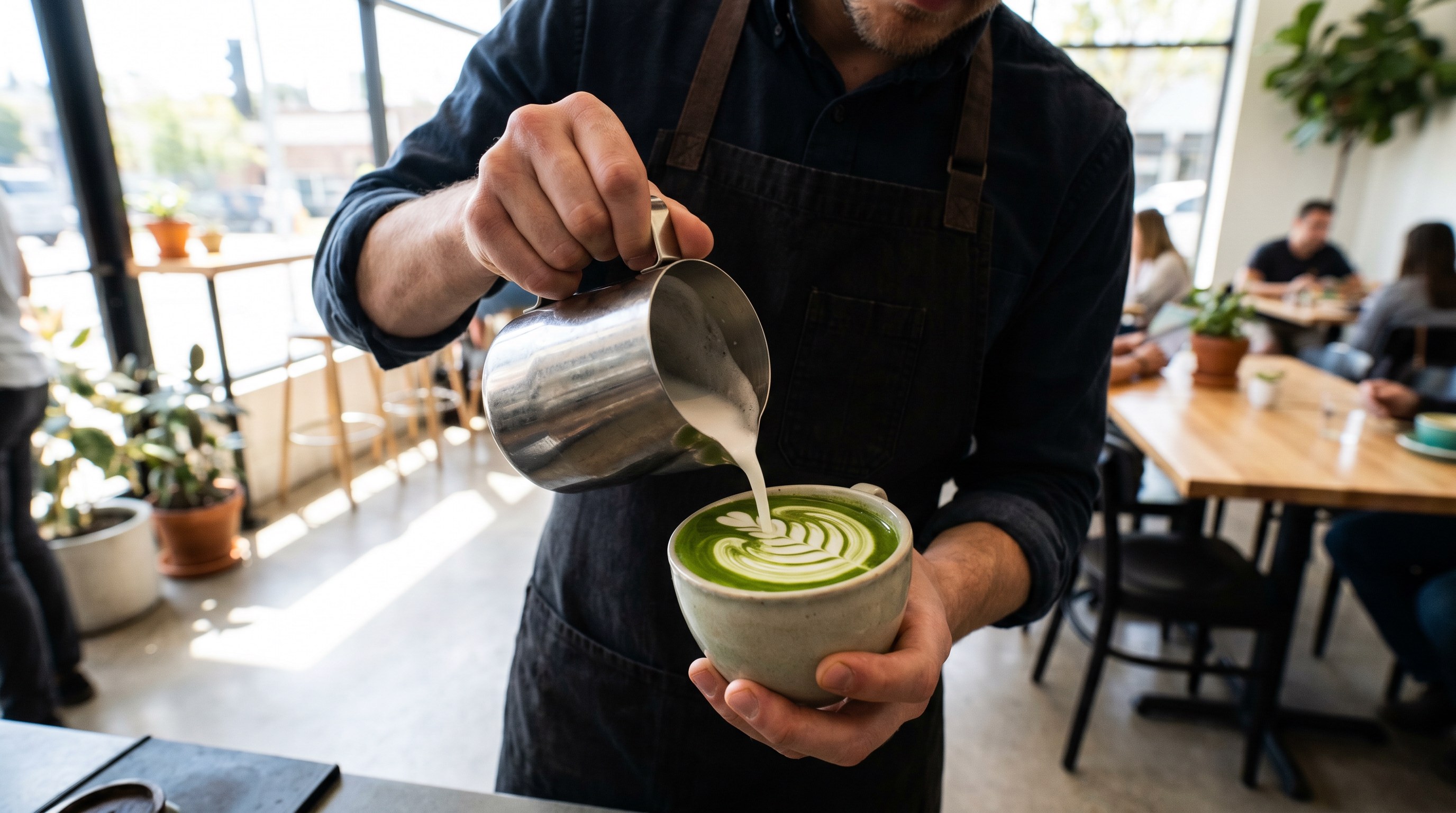
Key Takeaway: Controlling water temperature is the easiest way to prevent customer complaints about “bitter” matcha lattes.
What causes that “fishy” or oceanic smell in tea?
For many western palates, an “oceanic” or “fishy” aroma is unexpected. Let’s dive deeper. This is actually a biological marker of high-quality Japanese green tea.
The Science of the Scent
- Dimethyl Sulfide (DMS): This compound is released during the steaming of shaded leaves and smells like nori or cooked corn.
- High Amino Acids: The same compounds that create “umami” are often associated with savory, marine-like aromas.
- Storage Issues: Conversely, if matcha is exposed to heat or light, it can oxidize and develop a truly unpleasant, stale fish smell.
Key Takeaway: A faint nori-like scent is a sign of high-quality shading, but a pungent, sour fish smell indicates old, oxidized powder.
How can B2B buyers identify high-quality flavor?
When sourcing for a business, you can’t rely on pretty packaging. You need to perform a sensory audit. Looking for the right indicators ensures you get the best ROI for your contact/quote requests.
The Sensory Audit Checklist
- Color Check: Is it electric “radioactive” green (good) or dull olive/yellow (bad)?
- Texture Test: Does it feel like fine cornstarch (good) or gritty sand (bad)?
- Flavor Punch: Does the umami linger on the back of the tongue for at least 30 seconds?
Sourcing Considerations
- Origin: Focus on Kyoto (Uji) or Aichi (Nishio) for consistent flavor profiles.
- Batch Freshness: Ensure your supplier provides mill-to-order services for maximum aroma.
- Certification: Verify Organic or conventional standards depending on your brand’s market positioning.
| Quality Marker | High Quality | Low Quality | |
|---|---|---|---|
| Visual Color | Vibrant Neon Green | Yellow-Brown | |
| Aroma | Fresh, Sweet, Grassy | Hay-like, Dusty | |
| Mouthfeel | Creamy & Smooth | Chalky & Thin |
Key Takeaway: High-quality matcha is visually bright and texturally fine, resulting in a flavor that doesn’t need excessive sugar to be palatable.
FAQ
- Q: Why does my matcha taste like dirt?
- This is usually a sign of low-quality, non-shaded tea or powder that has been oxidized. High-quality matcha should taste earthy but never like “dirt.”
- Q: Can I make matcha taste better without sugar?
- Yes, by using a higher grade of tea and lower temperature water (around 165°F), you can highlight the natural sweetness and umami of the leaf.
- Q: Does ceremonial matcha always taste the same?
- No, different cultivars and regions (terroir) produce different notes; some are more floral while others are intensely savory.
- Q: Why does matcha have a creamy texture?
- Unlike steeped tea, you are consuming the entire ground leaf, which adds physical body and suspended solids to the liquid.
- Q: Is matcha supposed to be gritty?
- Absolutely not. Premium matcha is stone-ground to 5-10 microns, meaning it should dissolve into a smooth suspension without any sandy residue.
Conclusion
Understanding what matcha tastes like is the first step in mastering its application for your business. Whether you are aiming for a traditional ceremonial experience or a modern barista-led menu, the balance of vegetal, sweet, and umami notes is critical. By sourcing the right grade and following proper preparation protocols, you can transform this ancient ingredient into a profitable and beloved staple for your customers.
Ready to elevate your beverage program with premium Japanese tea? Request a contact/quote today to receive our latest wholesale catalog.