Many commercial bakers struggle with dull, brownish results when using green tea powder. Wasting expensive ingredients on “muddy” cakes or bitter cookies can ruin your profit margins. Achieving a vibrant, emerald hue and balanced umami flavor requires more than just a good recipe; it requires the right grade of powder. AdoroHu provides the stable, stone-milled solutions needed for consistent, high-volume production.
To find the best matcha baking recipes, you must prioritize heat-stable culinary grades. These powders maintain high chlorophyll levels even at high oven temperatures. Professional bakers often choose stone-milled options to ensure a fine texture. This prevents clumping and ensures a uniform, vibrant green crumb in every batch.
In short: Successful matcha baking depends on using the correct grade for heat stability. Focus on sifting, temperature control, and sourcing reliable bulk supplies with verified COAs.
What are the best matcha baking recipes for commercial success?
The most profitable matcha baking recipes in 2026 focus on texture and visual impact. Matcha crinkle cookies and matcha Basque cheesecakes are currently dominating retail bakery sales. For large-scale manufacturing, matcha chiffon cakes are preferred for their light structure. These recipes benefit from the natural umami profile found in high-quality Japanese tea. Using a potent culinary matcha ensures the flavor cuts through heavy fats like butter and cream cheese.
Which matcha grade should I choose for baking recipes?
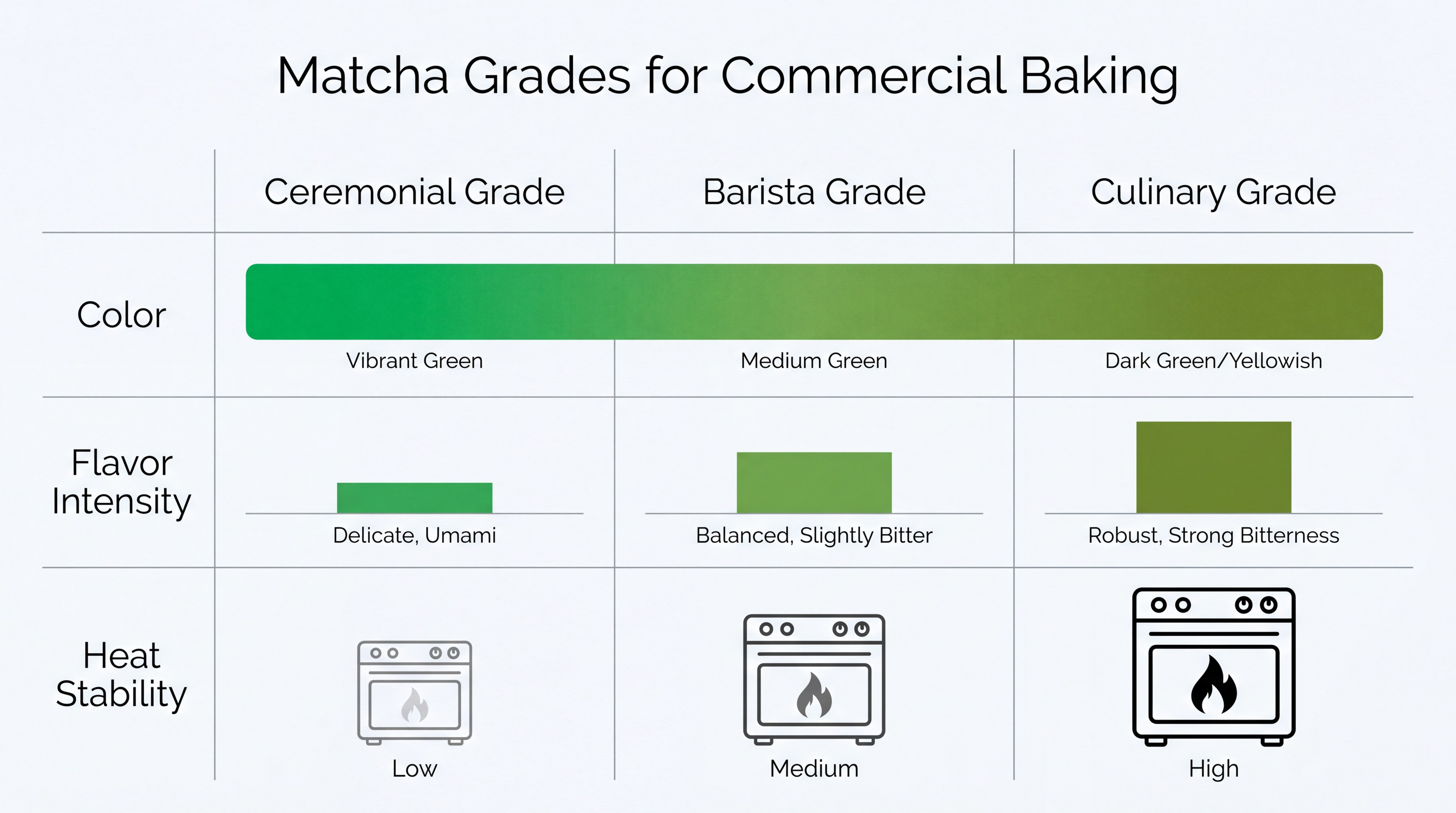
Choosing the right grade is vital for your ROI. While ceremonial grade is prized for drinking, it often loses its delicate notes in the oven. Culinary-grade matcha is specifically processed to withstand high heat. It offers a more robust, slightly astringent profile that balances sweet inclusions like white chocolate. For professional results, look for “Barista” or “Premium Culinary” labels. These grades offer the best balance of color and cost-effectiveness.
Can I use ceremonial matcha in baking recipes?
You can use premium matcha in baking, but it is rarely cost-effective. The high L-theanine and delicate aroma of ceremonial powder are often neutralized by heat. In commercial kitchens, this leads to unnecessary ingredient costs. We recommend ceremonial grades only for raw applications. Use them in frostings, glazes, or “no-bake” matcha tarts. For anything entering an oven, stick to a high-potency culinary blend.
How do I prevent matcha from clumping in batter?
Matcha is a very fine, electrostatic powder that clumps easily. In a commercial environment, clumping leads to bitter spots in the final product. Always sift your powder through a fine-mesh sieve before mixing. For large batches, creaming the matcha into the butter or fat source is most effective. This “fat-coating” technique protects the particles and ensures an even distribution of color. Proper sifting is a non-negotiable step for professional quality control.
Why does matcha color fade during the baking process?
Color fading is usually caused by oxidation or excessive heat. Matcha contains high levels of chlorophyll, which is sensitive to light and high temperatures. To preserve the green hue, keep baking temperatures below 350°F (175°C) if possible. Using stone-milled powder also helps, as the particles are more uniform and stable. High-quality wholesale culinary matcha is specifically engineered to resist browning during the baking cycle.
What are the B2B pricing factors for bulk matcha sourcing?
Several factors influence the price of bulk matcha for bakeries. The region of origin (e.g., Shizuoka or Uji) is the primary cost driver. Harvest season also matters, as “first flush” tea is more expensive than later harvests. Logistics costs, ocean freight stability, and current currency exchange rates further impact the final quote. AdoroHu focuses on transparent pricing to help manufacturers maintain stable food costs throughout the year.
How does stone-milled matcha improve recipe quality?
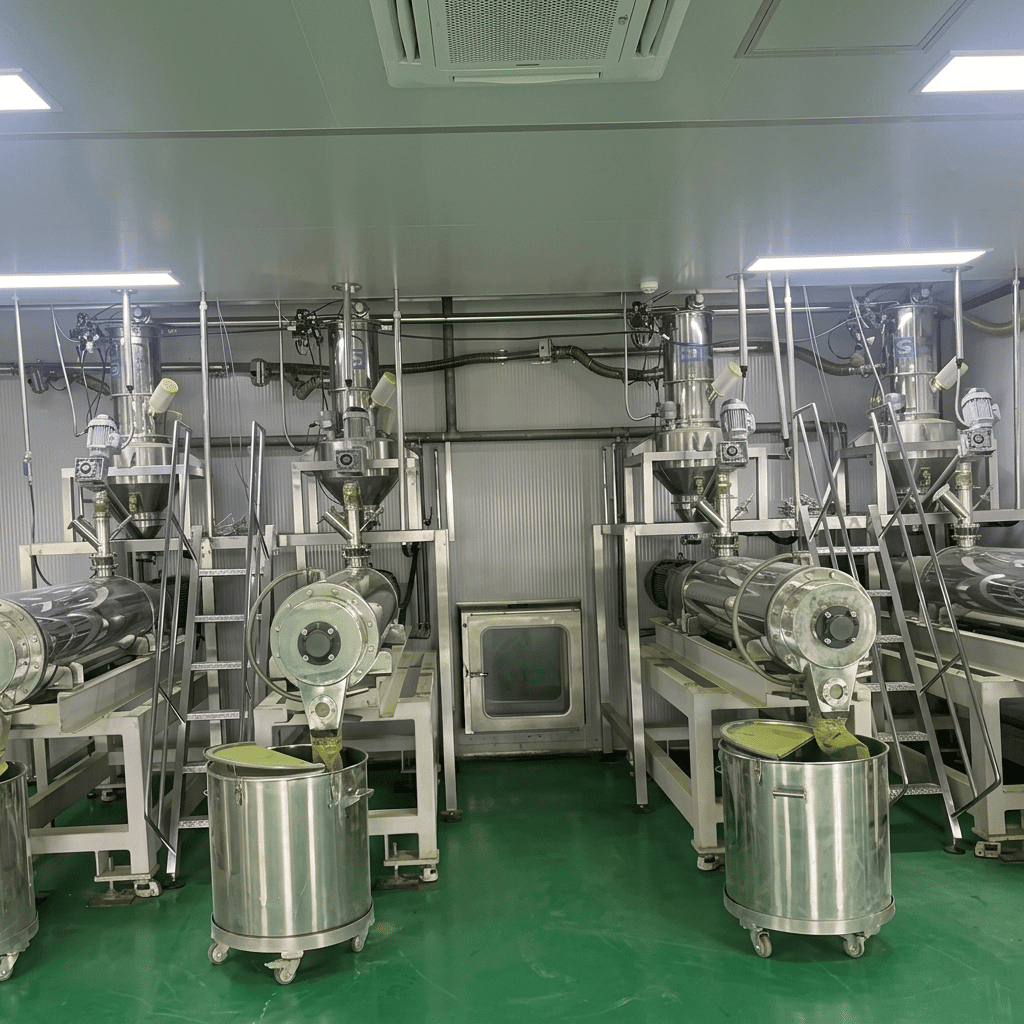
Stone-milling is a traditional Japanese process that produces a microscopic particle size. This fine grind allows the powder to dissolve completely into batters and doughs. It prevents the “gritty” texture often found in cheap, industrially crushed powders. Stone-milled matcha also retains more nutritional integrity, including antioxidants and amino acids. For high-end premium matcha products, this traditional processing is a key selling point for wellness-conscious consumers.
What is the MOQ for wholesale matcha for bakeries?
For commercial distributors and food manufacturers, MOQs are a critical logistical consideration. AdoroHu Matcha maintains a standard MOQ of 100kg for wholesale orders. This allows us to offer competitive pricing while ensuring fresh inventory. We provide a 15-day lead time for most international shipments. Every order includes a Certificate of Analysis (COA) to verify purity and safety standards. This reliability is essential for maintaining a resilient supply chain.
Does matcha provide health benefits in baked goods?
Matcha is a powerhouse of nutrients that adds value to “functional” baked goods. It contains high concentrations of EGCG, a potent antioxidant. The presence of L-theanine helps promote a “calm energy” rather than a caffeine spike. Many 2026 consumer brands market matcha bakes as “better-for-you” treats. Using high-quality bulk matcha ensures these nutritional benefits remain present even after processing.
What are the top 2026 trends for matcha-infused desserts?
The 2026 market is shifting toward “savory-sweet” fusions and global flavors. Miso-matcha brownies and matcha tres leches are rising in popularity. We are also seeing a spike in “crunchy” textures, such as matcha-topped puff pastry. Consumers now demand transparency in sourcing and organic certifications. Staying ahead of these trends requires a versatile premium matcha supplier who can provide custom blends for unique flavor profiles.
FAQ
- What is the best way to store bulk matcha? Store powder in a cool, dark place in airtight, opaque containers. Refrigeration is recommended for long-term storage to prevent oxidation.
- How much matcha should I use per recipe? Most cookie and cake recipes require 1 to 2 tablespoons (10-20g) per batch for a visible green color and balanced flavor.
- Is all matcha from Japan? While the highest quality originates in Japan (Uji/Shizuoka), matcha is also produced in China. Always check the COA for origin verification.
- Does matcha expire? Matcha does not “expire” but loses color and flavor after 12 months. For best results, use within 6 months of opening.
- Can I use matcha in vegan baking? Yes, matcha pairs perfectly with plant-based fats like coconut oil or vegan butter, which often enhance its natural creaminess.
Conclusion
Mastering matcha baking recipes requires a commitment to quality and technical precision. By choosing stone-milled, heat-stable powders, you ensure your products stand out in a competitive market. AdoroHu Matcha is dedicated to supporting food manufacturers with consistent, high-volume supply chains.
Ready to scale your production with professional-grade ingredients? Contact AdoroHu Matcha today to request samples or a custom wholesale quote.