Sourcing high-quality matcha for coffee shops is the most effective strategy to diversify menus and capture the surging demand for wellness-focused beverages. Many cafe owners struggle with inconsistent, yellowing powders that produce bitter lattes and alienate health-conscious customers. By securing a reliable supply of premium matcha , businesses can offer vibrant, umami-rich drinks that command premium prices and ensure high customer retention.
The best matcha for coffee shops is a high-quality “Barista” or “Premium Latte” grade sourced directly from Japan. This specific grade offers the necessary vibrant green color and intense umami flavor to remain prominent when mixed with milk or plant-based alternatives. Coffee shops should target wholesale costs between 50 and 90 per kilogram to maintain a serving cost of 0.45 to 0.85 and maximize profit margins.
In short:Effective matcha sourcing balances color, flavor, and wholesale pricing to maximize beverage ROI. Successful cafes prioritize Japanese origin and lab-tested consistency.
Key points:
- Profitability: Matcha lattes often yield higher margins than traditional espresso-based drinks.
- Quality: Vibrant green color and fine particle size are non-negotiable for premium service.
- Sourcing: Direct wholesale partnerships reduce lead times and ensure year-round freshness.
- Versatility: Beyond lattes, matcha integrates into seasonal specials and cold foam applications.
1. Why is matcha for coffee shops a high-margin growth driver?
Matcha serves a demographic that prioritizes health benefits like L-theanine and sustained energy. Unlike coffee, matcha requires no expensive espresso machine maintenance or complex bean dial-in.
A single kilogram of wholesale matcha can produce 50 to 100 servings. This efficiency allows coffee shops to price matcha lattes at a premium, often $1.00 higher than standard lattes.
The preparation time is comparable to espresso, but the ingredient waste is significantly lower. This combination of high ticket price and low waste makes it a vital profit center.
2. What are the key differences between ceremonial and culinary grade matcha for coffee shops?
Understanding grades is essential for managing your cost of goods sold (COGS). Ceremonial grade is made from the youngest Tencha leaves, offering a delicate sweetness intended for water-only preparation.
Culinary grade is harvested later in the season. While more affordable, lower-end culinary powders are often too bitter and brown for specialty cafe use.
Barista grade (or Premium Latte grade) is the “sweet spot” for coffee shops. It provides the striking emerald hue of ceremonial tea but with a robust flavor profile that survives milk dilution.
| Feature | Ceremonial Grade | Barista/Latte Grade | Culinary Grade | |
|---|---|---|---|---|
| Color | Electric Neon Green | Vibrant Green | Dull/Yellow-Green | |
| Flavor | Sweet, Creamy Umami | Bold, Vegetal, Balanced | Bitter, Astringent | |
| Best Use | Traditional Tea Service | Lattes, Iced Drinks | Baking, Smoothies | |
| Price Point | High ($120+/kg) | Moderate (90/kg) | Low (45/kg) |
3. How should coffee shop owners choose a wholesale matcha supplier?
A reliable supplier must provide more than just a low price. Consistency is the primary challenge in the matcha industry due to seasonal harvest variances.
Request a Certificate of Analysis (COA) to verify safety regarding heavy metals and radiation. A professional supplier should offer tiered pricing based on your monthly volume.
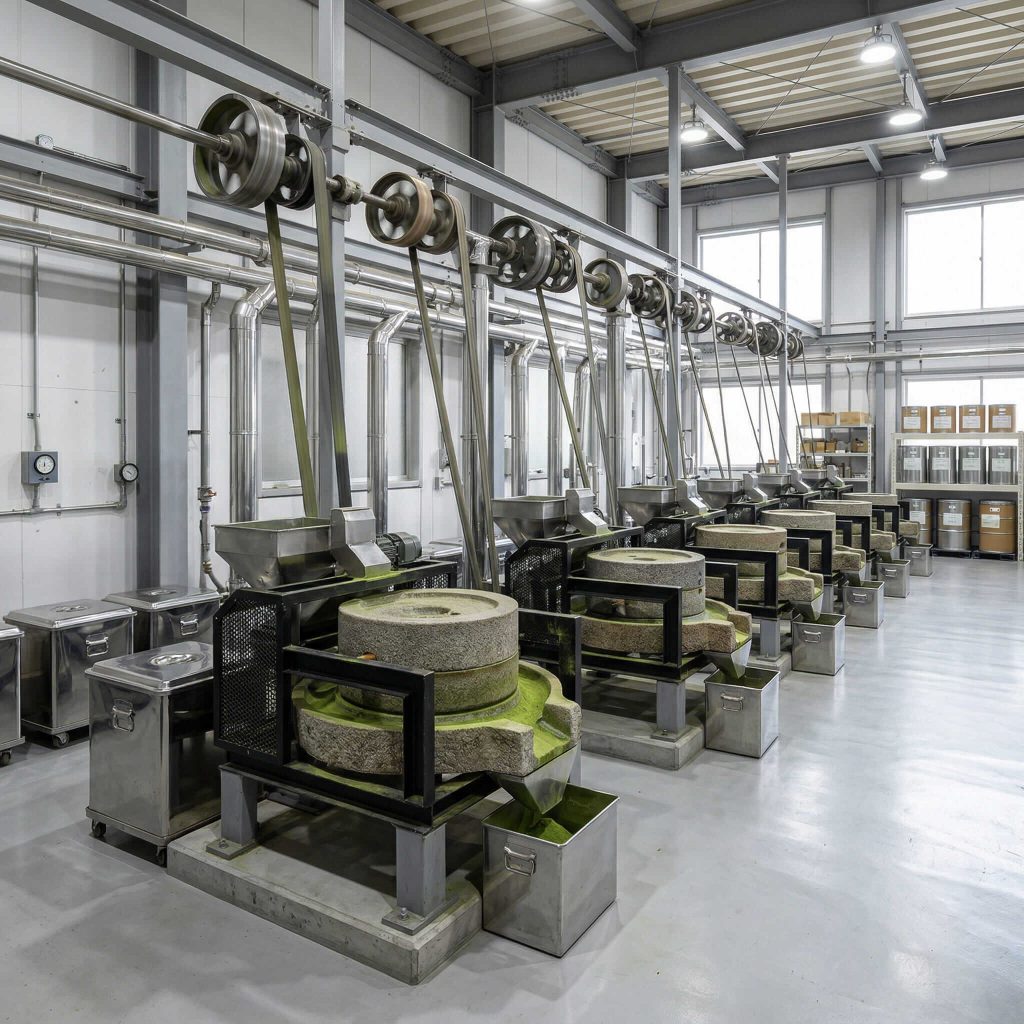
Evaluate the supplier’s knowledge of Tencha sourcing and stone-milling techniques. Partners who understand the technicalities of shade-growing are more likely to deliver stable quality.
4. What is the actual cost of matcha for coffee shops per serving?
The cost per serving depends heavily on your recipe and the wholesale price of your powder. Most specialty cafes use 2g to 3g of matcha per 12oz latte.
Using a premium barista-grade powder priced at 75/kg,yourbaseingredientcostisroughly 0.15 to 0.22 per drink. Even with high−end oat milk, your total COGS remains under 1.00.
| Wholesale Price (per kg) | Grams per Serving | Ingredient Cost | Suggested Retail Price | |
|---|---|---|---|---|
| $50.00 | 2g | $0.10 | 5.25−6.00 | |
| $75.00 | 2g | $0.15 | 5.50−6.50 | |
| $100.00 | 2g | $0.20 | 6.00−7.50 |
5. What are the essential quality standards for B2B matcha sourcing?
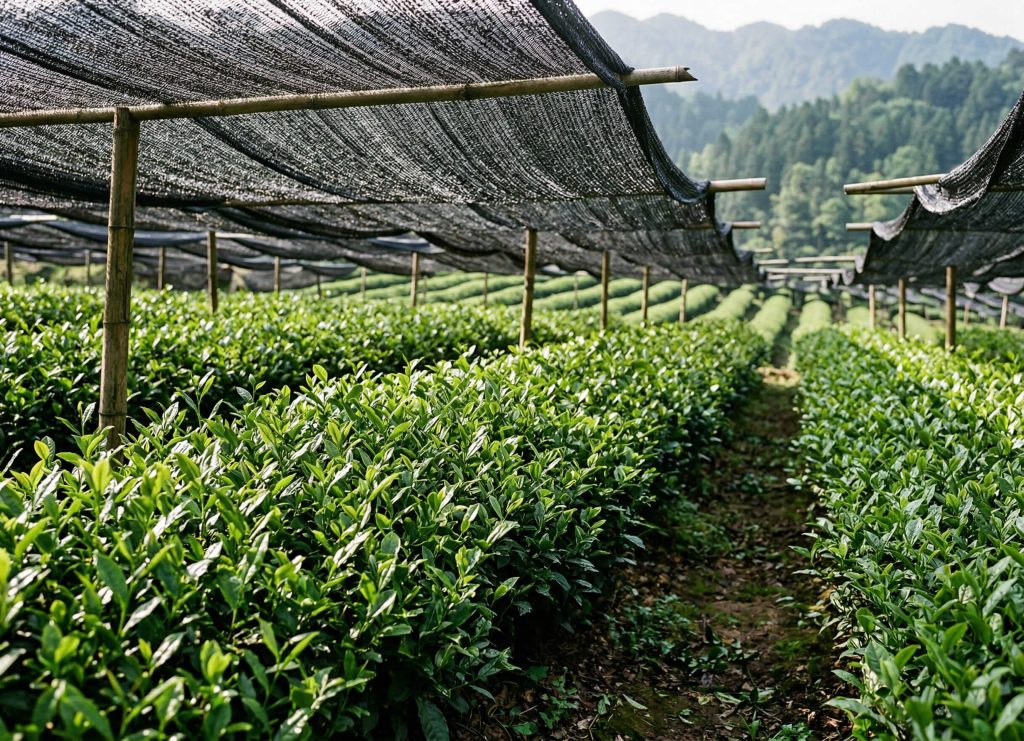
Quality begins with the shade-growing process, which boosts chlorophyll and amino acid levels. Ensure your matcha is stone-milled to a particle size of 5-10 microns.
Fine milling ensures the powder suspends perfectly in liquid without a gritty mouthfeel. Check for a “clumping” tendency; high-quality matcha is electrostatic and requires sifting.
The aroma should be fresh and grassy, never hay-like or dusty. If the powder is yellow or brown, it has oxidized and will produce an unappealing beverage.
6. How can private label matcha help coffee shop brands scale?
Private labeling allows multi-unit coffee shops to sell branded matcha tins for home use. This creates a secondary revenue stream and builds brand authority.
Wholesale suppliers often offer “white label” services where they handle the sourcing and packaging. You simply provide the logo and brand guidelines.
This strategy increases customer lifetime value. Fans of your in-store lattes will naturally prefer to buy your proprietary blend for their morning ritual.
7. What are the most profitable matcha for coffee shops beverage applications?
The matcha latte remains the top seller, but innovation drives higher margins. Consider “Dirty Matcha” (matcha with an espresso shot) for coffee purists.
Seasonal offerings like strawberry matcha or lavender matcha lattes attract significant social media attention. These “photo-ready” drinks act as free marketing for your cafe.
Matcha-infused cold foam is another high-margin add-on. Charging a $1.25 premium for matcha foam on a cold brew provides exceptional ROI for minimal effort.
8. How does the matcha supply chain affect lead times and MOQs?
Matcha is a sensitive agricultural product that requires climate-controlled shipping. Large-scale sourcing often involves significant lead times due to international logistics.
At AdoroHu, we maintain a streamlined supply chain with typical lead times of 7-14 days. This allows coffee shops to maintain lean inventory without risking stockouts.
Minimum Order Quantities (MOQs) vary by grade. Bulk culinary orders may require higher volumes, while premium barista grades are often available in smaller 1kg increments.
9. What are the most common mistakes when buying matcha in bulk?
The most frequent error is choosing culinary grade based solely on price. Low-cost powders turn grey when mixed with milk, ruining the drink’s visual appeal.
Another mistake is over-ordering. Matcha oxidizes quickly once opened. It is better to order smaller amounts frequently than to store a six-month supply of bulk bags.
Finally, failing to train baristas on proper whisking and temperature control can ruin even the best powder. Never use boiling water, as it scorches the delicate tea.
10. How do industry certifications like USDA Organic impact matcha for coffee shops?
Many customers specifically look for organic matcha to avoid pesticides. Organic certification can justify a higher menu price and align with “clean label” branding.
Note that organic matcha can sometimes be slightly less vibrant than non-organic. This is because organic fertilizers take longer to release nitrogen during the shading phase.
However, the marketing value of the organic seal often outweighs the slight color difference. It signals a commitment to sustainability and consumer health.
Matcha Sourcing FAQ
- Where do most coffee shops buy their matcha in bulk?
- Most specialty cafes partner with dedicated Japanese tea importers or wholesale distributors who specialize in “Barista Grade” blends.
- Can I use culinary matcha for lattes to save money?
- It is not recommended. Basic culinary grade is often too bitter and brown, leading to poor customer reviews and low repeat sales.
- What is the shelf life of wholesale matcha?
- Unopened bulk bags last 12 months. Once opened, matcha should be consumed within 4-8 weeks to maintain color and flavor.
- Do I need a traditional bamboo whisk for a high-volume cafe?
- No. Most busy cafes use electric handheld frothers or pre-batch a “matcha concentrate” for speed and consistency.
- What is the best temperature for mixing matcha?
- Aim for 160°F – 175°F (70°C – 80°C). Using boiling water will result in an unpleasantly bitter and astringent taste.
Conclusion
Mastering the service of matcha for coffee shops requires a balance of quality sourcing, precise preparation, and strategic menu pricing. By moving beyond low-quality culinary powders and investing in vibrant barista-grade tea, your cafe can tap into a highly profitable market segment. Ready to elevate your beverage program with premium Japanese tea?
Contact AdoroHu today for wholesale pricing and samples: Request a Quote