The matcha grading system is an industry classification framework that categorizes stone-ground green tea powder based on its agricultural origin, harvest timing, processing methods, and sensory characteristics. For B2B buyers, navigating this ecosystem presents a significant challenge due to widespread sourcing inconsistency, where arbitrary labeling leaves procurement managers guessing about true ingredient quality. Relying on vague supplier terms often leads to disastrous consequences, including lost retail profits, inconsistent beverage texture, and devastating negative customer reviews. To eliminate this risk, AdoroHu Matcha provides this comprehensive, chemically backed guide to help you master the nuances of matcha wholesale procurement and secure predictable flavor profiles.
The matcha grading system classifies Japanese stone-ground green tea into ceremonial, premium/barista, and culinary grades based on harvest flush, shading duration, and chemical composition. High-grade ceremonial matcha consists of hand-picked first-flush leaves ground slowly to preserve L-theanine and vibrant green chlorophyll. Conversely, lower culinary grades utilize later flushes with higher catechin levels, producing an astringent taste profile engineered to withstand commercial baking and beverage processing.
In short: Selecting the correct grade protects your product consistency and bottom-line margins. Key points:
- Ceremonial grade maximizes chlorophyll and L-theanine for premium, water-only applications.
- Barista/Premium grade balances rich umami with mild astringency to cut through dairy and plant milks.
- Culinary grade offers high catechins and bold bitterness, perfect for baking and industrial food formulation.
Why is there no official global standard in the matcha grading system?
There is no official global standard in the matcha grading system because the Japanese Ministry of Agriculture, Forestry and Fisheries (MAFF) does not legally define terms like “ceremonial” or “culinary.”
Let’s face it: these familiar designations are Western commercial inventions rather than regulatory categories. In Japan, producers traditionally evaluate raw tencha leaves based on cultivar genetics, regional terroir (such as Uji or Nishio), and specific sensory attributes. This lack of centralized oversight allows overseas brokers to easily mislabel low-grade autumn crops as premium tea. For bulk procurement managers, this highlights the necessity of analyzing actual laboratory certificates of analysis rather than relying on marketing jargon.
Key Takeaway: Never buy based on the grade name alone; always verify the crop’s regional origin and cultivation metrics to ensure authentic quality.
How does harvest timing affect the final grades of matcha?
Harvest timing directly determines the matcha grading system classification by dictating the chemical composition and nutrient density of the tea leaves.
Why does this matter?
The highly coveted first-flush spring harvest occurs between late April and May, producing young, tender buds packed with amino acids. These shaded leaves yield luxurious wholesale ceremonial matcha with profound sweetness and rich chlorophyll concentrations. Later crops, such as the second-flush summer harvest or autumn flushes, yield mature leaves that have spent weeks under direct sunlight. This sun exposure converts soothing L-theanine into bitter antioxidants, transforming the raw material into structural culinary grades.
Key Takeaway: Spring harvests contain maximum amino acids for ceremonial drinking, whereas summer and autumn harvests are biologically engineered for cooking.
What are the sensory and chemical differences between ceremonial and culinary matcha?
The sensory and chemical differences between ceremonial and culinary matcha stem from their distinct concentrations of amino acids, antioxidants, and physical particle dimensions.
Here is the deal:
Premium spring leaves undergo extensive shade cultivation for 20 to 30 days, forcing the plant to overproduce chlorophyll and L-theanine while suppressing bitter catechins. This creates a vibrant emerald green powder with a silky-smooth texture and a sweet, umami-rich flavor. In contrast, culinary grades contain higher concentrations of astringent tannins, exhibiting a yellowish-green hue and coarser texture. These distinct chemical baselines require precise testing standards to ensure commercial consistency. Let’s look at the exact analytical breakdown.
| Analytical Parameter | Ceremonial Grade (First-Flush) | Premium Barista Grade | Culinary Grade (Late Harvest) | |
|---|---|---|---|---|
| L-Theanine Content | 2.8% – 4.2% | 1.5% – 2.5% | 0.4% – 0.9% | |
| Total Catechins | 12.0% – 14.5% | 15.0% – 17.5% | 18.0% – 22.0% | |
| Chlorophyll Level | 5.8 – 6.5 mg/g | 4.0 – 5.2 mg/g | 2.0 – 3.5 mg/g | |
| Average Particle Size | 5.0 – 8.5 microns | 10.0 – 14.0 microns | 15.0 – 25.0 microns | |
| Moisture Content | 3.5% – 4.5% | 4.0% – 5.0% | 5.0% – 6.5% |
Key Takeaway: Ceremonial grades possess high L-theanine and fine particle sizes (under 10 microns) for optimal suspension, while culinary grades prioritize bold, astringent catechins.
How do agricultural processing methods dictate matcha grade quality?
Agricultural processing methods dictate matcha grade quality by determining how well the delicate leaves are preserved, destemmed, and pulverized.
The truth is:
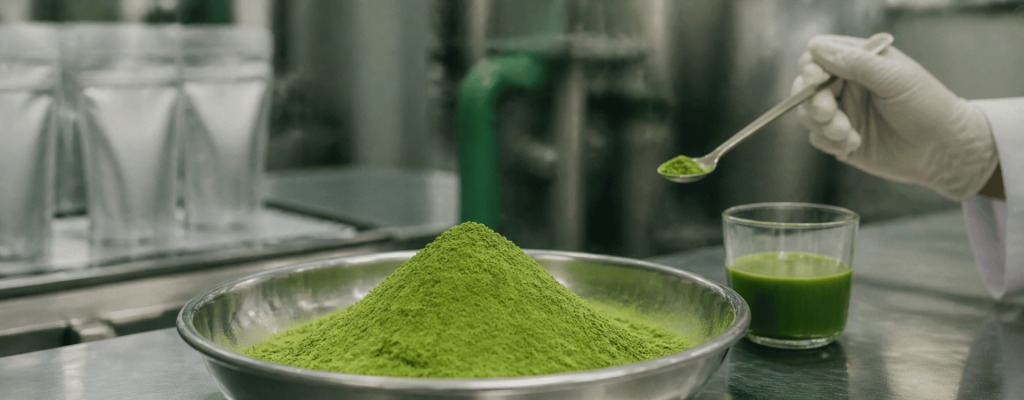
Authentic production requires harvesting shaded tea plants, steaming them immediately to prevent oxidation, and drying them into unrefined tencha. Specialized air-separation chambers then strip away all fibrous stems and veins to isolate the pure leaf parenchyma. For premium grades, traditional stone-milling with granite wheels turning at a precise 60 RPM ensures the tea does not overheat. This slow, low-temperature friction preserves the fragile amino acids and prevents the vibrant green pigments from thermal degradation. Stone-milling at 60 RPM generates minimal heat, keeping temperatures below 35°C and preserving 98% of volatile aromatic compounds compared to high-speed jet-milling which exceeds 60°C and degrades up to 40% of L-theanine.
Key Takeaway: True ceremonial matcha must be slowly stone-ground below 35°C to protect its vibrant color, nutritional integrity, and smooth texture.
Which matcha grade is ideal for commercial beverage and latte applications?
Premium barista-grade matcha is the ideal selection for commercial beverage and latte applications because it provides the perfect sensory balance when mixed with milk.
Why does this matter?
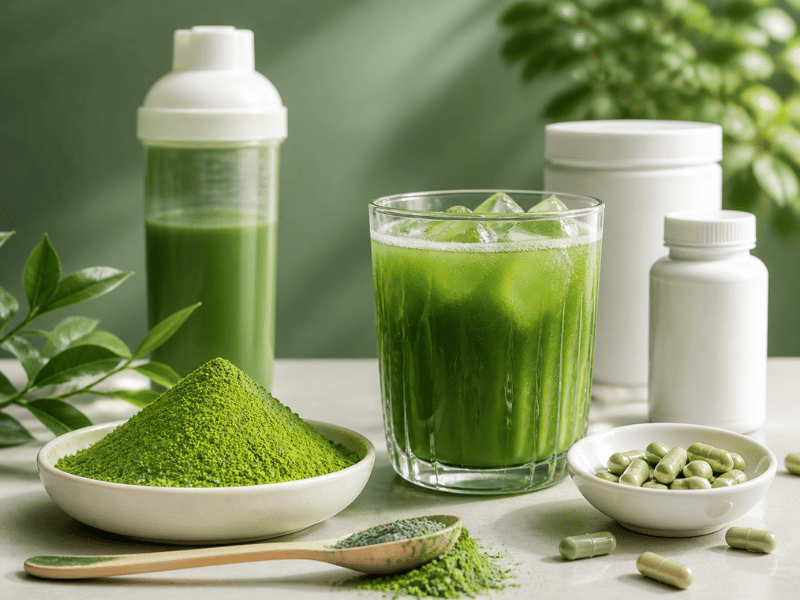
A delicate ceremonial powder often gets entirely lost when mixed with heavy dairy, oat, or almond milks. Conversely, cheap bulk culinary matcha can taste overly bitter and unpleasantly chalky to your customers. Barista grade features a bold, medium-bodied umami profile with a calculated, pleasant astringency that cuts beautifully through fats. This grade maintains its striking, vibrant green color even at a standard commercial dilution ratio of 2 grams of powder per 12 ounces of liquid. Barista grade holds a balanced pH of 5.8 to 6.2, preventing the curdling of delicate plant-based milks like oat or soy while maintaining a strong 2.2% amino acid profile to offset milk fats.
Key Takeaway: Use premium barista grade for lattes to maintain a rich green aesthetic and strong flavor presence without incurring high ceremonial-grade costs.
What are the best culinary matcha grades for baking and food manufacturing?
The best culinary matcha grades for baking and food manufacturing are heavy-bodied ingredient and kitchen grades that offer high flavor stability under high thermal conditions.
Let’s face it:
Using expensive ceremonial tea in an oven is a waste of capital, as high baking temperatures quickly degrade delicate aromatic molecules. Culinary sub-grades are ground from mature, sun-drenched leaves loaded with robust catechins and strong antioxidants. This chemical composition allows the distinct green tea flavor to shine through butter, sugar, and flour. Furthermore, the coarser grind of these industrial powders helps retain a stable, natural green hue during thermal processing up to 180°C.
Key Takeaway: Select robust culinary ingredient grades for food manufacturing to achieve a powerful, heat-resistant green tea flavor profile.
What certifications are critical when sourcing certified organic matcha?
The most critical certifications to verify when sourcing organic green tea powder are the Japanese Agricultural Standards (JAS) and USDA Organic certifications.
The truth is:
Authentic certified organic matcha must carry equivalent, mutually recognized international seals to guarantee chemical-free farming. Cultivating shaded tea without synthetic fertilizers is extremely difficult, as organic nitrogen yields lower overall amino acids and lighter green coloring. Consequently, elite producers utilize advanced, natural compost techniques to achieve impressive chlorophyll levels without violating strict organic laws. Commercial buyers must demand complete traceability documentation, including pesticide residue test results showing zero detections for over 400 chemical compounds.
Key Takeaway: Always demand verified JAS and USDA organic certificates alongside comprehensive third-party pesticide testing sheets to protect your brand.
How do wholesale pricing structures and MOQs vary across matcha grades?
Wholesale pricing and minimum order quantities (MOQs) vary significantly based on the rarity, production speed, and harvest season of each specific matcha grade.
Why does this matter?
Ceremonial grades require slow, hand-crafted grinding methods, which limits volume output and naturally increases the baseline cost per kilogram. Conversely, industrial culinary grades are processed rapidly in high-speed mills, enabling massive output volumes at a highly competitive wholesale price point. Establishing clear volume tiers, competitive shipping terms, and realistic lead times ensures that your supply chain remains both highly agile and profitable. Let us examine the standardized wholesale tiers.
| Matcha Grade | Minimum Order Quantity (MOQ) | Lead Time (Air/Ocean) | Pricing Range (per kg USD) | Primary Packaging Type | |
|---|---|---|---|---|---|
| Ultra-Premium Ceremonial | 10 kg | 7 – 10 Days (Air) | 90.00–140.00 | Nitrogen-flushed aluminum bags | |
| Standard Ceremonial | 20 kg | 10 – 14 Days (Air) | 60.00–85.00 | Foil pouch / 1kg double-sealed bag | |
| Premium Barista | 50 kg | 14 – 21 Days (Air/Ocean) | 35.00–55.00 | Multi-layer 5kg vacuum-packed bags | |
| Industrial Culinary | 100 kg | 21 – 30 Days (Ocean) | 18.00–30.00 | Heavy-duty 10kg export cartons | |
| Certified Organic Utility | 100 kg | 21 – 30 Days (Ocean) | 22.00–35.00 | Double-walled food-grade sacks |
Key Takeaway: Optimize your procurement by matching high-volume culinary orders with ocean freight, while utilizing fast air freight for sensitive ceremonial grades.
What critical pitfalls must beverage brands avoid when choosing a private label matcha supplier?
Beverage brands must avoid suppliers who lack traceability, fail to offer oxygen-barrier packaging, or cannot provide consistent, year-round flavor profiles.
Here is the deal:
Matcha is highly sensitive to light, heat, and oxygen, meaning that poor packaging will rapidly turn an exquisite emerald powder into a dull brown, bitter substance. A reliable partner for matcha private label development should utilize heavy-duty, nitrogen-flushed aluminum pouches equipped with airtight barrier films. Furthermore, look out for brokers who blend cheap Chinese or Taiwanese green tea leaves and pass them off as authentic Japanese stone-ground tea. Always demand proof of agricultural origin from recognized cultivation hubs like Kagoshima or Uji.
Key Takeaway: Protect your brand’s reputation by partnering with suppliers who guarantee genuine Japanese origin and utilize nitrogen-flushed barrier packaging.
How can commercial buyers request custom formulas to match specific menu profiles?
Commercial buyers can request custom formulas by specifying their targeted flavor profiles, chemical parameters, and application-specific color requirements.
The truth is:
One size rarely fits all in the competitive beverage industry, especially when designing signature recipes for national café franchises. Custom blending allows you to adjust the precise ratio of first-flush tencha and second-flush leaves to meet your target cost-in-use. For instance, a brand may need an organic powder with extra-vibrant green chlorophyll but with a lower price point than pure ceremonial grades. The following matrix shows how to choose or request the perfect formulation for your business.
| Target Application | Ideal Grade Option | Key Flavor Profile | Visual Color Hue | Mesh Size / Solubility | AdoroHu Procurement Recommendation | |
|---|---|---|---|---|---|---|
| Traditional Tea Service | Ceremonial (First-Flush) | Sweet, rich umami, zero bitterness | Vivid Electric Green | 800 – 1000 mesh (Excellent suspension) | Order in 100g tins to preserve freshness for luxury table service. | |
| Signature Café Lattes | Premium Barista | Balanced umami, clean, sweet finish | Vibrant Emerald Green | 600 – 800 mesh (High suspension) | Standardize on this grade to cut through milk without losing color. | |
| Protein Shakes & Smoothies | Café / Culinary | Robust, grassy, light astringency | Mid-Green | 500 – 600 mesh (Moderate suspension) | Best balance of intense green tea flavor and cost-efficiency. | |
| Ice Cream & Chocolates | Ingredient Culinary | Highly astringent, robust, tea-forward | Dark Yellow-Green | 400 – 500 mesh (Standard dispersion) | Use for dairy applications to maintain flavor presence against fats. | |
| Baked Goods & Cakes | Kitchen Culinary | Strong, bitter, sharp vegetal notes | Olive-Green | 300 – 400 mesh (Dense dispersion) | Ideal for high-heat recipes where maximum flavor stability is key. |
Key Takeaway: Utilize a structured selection matrix to balance ingredient cost, color retention, and chemical solubility across your entire product line.
FAQ
- Q: What is the main difference between ceremonial and culinary matcha?
- Ceremonial grade is made from young first-flush spring leaves, ground slowly on stone mills, and is meant to be whisked with hot water alone. Culinary grade uses older, later-harvest leaves that contain more catechins, resulting in a stronger, more bitter flavor profile that is ideal for baking, blending, and cooking.
- Q: Why does genuine Japanese matcha cost more than green tea powders from other regions?
- Authentic Japanese matcha involves high-cost cultivation methods, including 20 to 30 days of strict shade-growing to boost L-theanine and chlorophyll levels. It also undergoes meticulous destemming to isolate the leaf parenchyma and slow granite stone-milling, whereas other green tea powders are often sun-grown and machine-pulverized, which degrades the overall quality.
- Q: Can you use culinary grade matcha for making lattes?
- Yes, culinary grade can be used for lattes, but premium barista-grade matcha is highly recommended instead. Barista grade is specifically processed to balance a rich green color and robust flavor, allowing it to cut through dairy or plant-based milks without introducing the excessive bitterness or gritty texture of lower culinary grades.
- Q: Is certified organic matcha always better in quality than non-organic matcha?
- Not necessarily, as organic cultivation restricts the use of fast-acting synthetic nitrogen fertilizers which are critical for developing the deep umami and electric green color of top ceremonial grades. However, organic certification is essential for meeting clean-label consumer demands, and premium organic producers use advanced composting to achieve excellent quality.
- Q: How should bulk matcha be stored to prevent oxidation and color loss?
- Bulk matcha must be stored in airtight, lightproof, and moisture-proof packaging, ideally in nitrogen-flushed aluminum foil bags. For long-term preservation of its vibrant green color and delicate amino acids, the sealed containers should be kept in cold storage at temperatures between 2°C and 5°C.
Conclusion
Navigating the complex matcha grading system is the secret to protecting your product quality and business margins. By aligning your specific applications with the correct agricultural flushes and chemical profiles, you can eliminate procurement inconsistencies. Partner with AdoroHu Matcha today to secure reliable supply chains, custom formulations, and certified organic options. We invite you to contact our B2B team now to request specialized samples and premium bulk pricing.