
A FIFO vs FEFO system makes matcha stock rotation work by selecting eligible lots first, then applying the correct date rule. FIFO follows receipt order, while FEFO gives priority to the lot with the earliest approved shelf-life date.
The risk is treating rotation as a shelf-location habit. A newer lot may expire sooner, and a quarantined lot must never become eligible because its date is favorable. For wholesale matcha supply, the solution is a documented allocation rule that connects lot identity, release status, dates, customer requirements, and pick evidence.
FIFO issues the oldest received eligible stock first. FEFO issues the eligible stock with the earliest expiry or approved shelf-life date first, even when it arrived later. For dated matcha lots, eligibility and customer requirements must be checked before either rule selects a lot.
In short:
Key points:
- Use FEFO for inventory controlled by an expiry or approved shelf-life date.
- Exclude quarantine, hold, rejected, and customer-ineligible lots before allocation.
- Record the chosen lot and every override so the pick can be reconstructed.
What do FIFO and FEFO mean for matcha inventory?
FIFO means first in, first out, while FEFO means first expiry, first out. In a FIFO vs FEFO comparison, the deciding attribute is receipt sequence versus the approved date controlling remaining shelf life.
The WHO warehouse and stock management guidance assigns FEFO to items with expiry dates and FIFO to items without them. That is operational guidance rather than an AHM practice claim, but it gives buyers a clear starting rule.
| Rotation rule | Primary sort field | Appropriate use | Main failure if misapplied |
|---|---|---|---|
| FIFO | Receipt date and time | Stock without an approved expiry field | A later receipt with an earlier expiry can be stranded |
| FEFO | Expiry or approved shelf-life date | Dated lots | Unreleased or customer-ineligible stock may be selected unless eligibility comes first |
Key Takeaway: Choose the rotation field from the inventory’s approved date controls, not from warehouse habit.
When should a matcha buyer use FEFO instead of FIFO?
A matcha buyer should use FEFO when each lot carries a reliable, approved expiry or shelf-life date that can drive allocation. FIFO remains suitable when stock has no such date and receipt order is the controlled basis.
Rotation answers which eligible lot leaves next. It does not calculate how much to buy or when to replenish. Use the separate matcha reorder management guide for demand, lead time, and safety-stock decisions.
Avoid a hybrid rule that staff interpret differently by shift. If date availability or meaning varies by SKU, write one rule per inventory class; otherwise, the same stock can be picked by two competing priorities.
Key Takeaway: Use FEFO only when the controlling date is reliable, visible, and defined for the SKU.
Why can FEFO stock rotation ship a newer matcha lot first?
A newer matcha lot can need to ship first because receipt order and expiry order may diverge. This is the exact case where FIFO vs FEFO produces different picks.
Consider an illustrative allocation on 1 June. Lot A arrived on 1 March and carries a 31 December date. Lot B arrived on 15 April and carries a 30 September date. FIFO selects A, while FEFO selects B, assuming both lots are released and meet the customer’s remaining-shelf-life rule.
That exception matters because leaving Lot B behind consumes its shorter selling window. In practice, choose FEFO for dated stock; choosing FIFO merely because cartons are physically older can create avoidable near-expiry inventory.
Key Takeaway: When receipt and expiry order conflict, FEFO protects the shorter remaining window.

Which matcha grades qualify for FIFO or FEFO allocation?
Only released, saleable, correctly identified lots should enter FIFO or FEFO allocation. AdoroHu’s EU Standard Series E-1 through E-7 and Organic Series O-1 through O-6 are distinct grade systems; rotation must not substitute one grade code for another merely because its date sorts first.
| Lot status | Allocation treatment | Required control |
|---|---|---|
| Released | Eligible if customer and market rules also pass | Release record and available quantity |
| Quarantine or quality hold | Exclude | Physical or system block with named owner |
| Rejected or recalled | Exclude | Segregation and disposition record |
| Returned | Exclude until reviewed | Identity, seal, storage, and disposition review |
| Reserved for a customer | Follow reservation rule | Customer, quantity, and authorization record |
The preferred sequence is eligibility, customer fit, then date sort. Sorting the whole warehouse by expiry before applying status blocks risks turning a quality hold into a picking instruction.
Key Takeaway: A favorable date never overrides release status or disposition control.
What receiving data makes FIFO vs FEFO reliable?
Reliable FIFO vs FEFO starts with receiving data that preserves supplier lot, internal lot, receipt time, controlling date, quantity, handling unit, location, and status. Missing one field forces warehouse staff to guess or inspect cartons during dispatch.
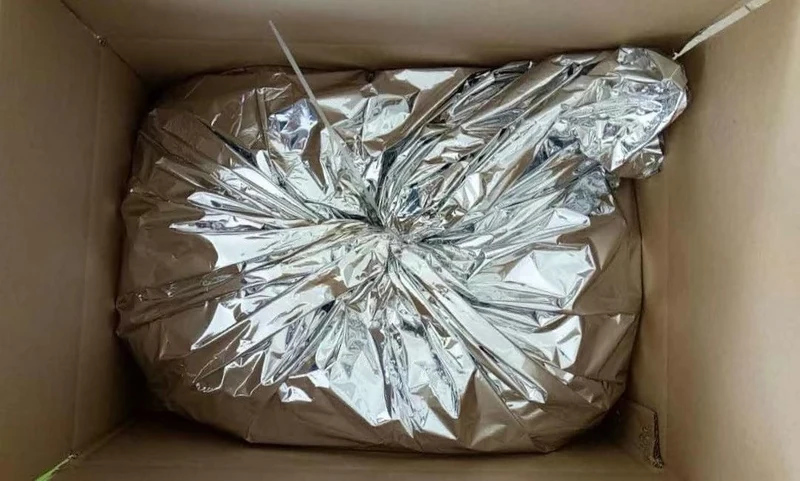
AdoroHu’s approved formats include 10 kg and 20 kg cartons with sealed food-grade liners, plus smaller retail packs and single-serve sachets. That range makes handling-unit identity important: a pallet, carton, inner pack, and partial balance must stay linked to the same lot record.
Connect date and lot-field verification to the new matcha supplier onboarding checklist. Reject free-text date fields when a structured date and defined date type are available; free text causes sorting errors and hides whether two suppliers mean the same thing.
Key Takeaway: Capture lot, date type, date value, quantity, location, and status before stock becomes available.
How should customer shelf-life rules affect a FEFO pick?
Customer shelf-life rules should filter eligible lots before FEFO selects the earliest date. Strict earliest-expiry picking can fail when the chosen lot will not meet the customer’s minimum remaining shelf life at delivery.
For example, the earliest lot may suit local production but fail a long export lane or a distributor’s receiving rule. The next eligible lot may therefore be the correct pick. Record this as a customer-rule result, not an unexplained FEFO override.
Avoid silently choosing the freshest lot for every order. That habit protects one shipment while leaving shorter-dated stock to age; the consequence is distorted availability and rising write-off risk.
Key Takeaway: Apply destination requirements first, then choose the earliest-expiring lot that still qualifies.
How should returns and date corrections re-enter FIFO or FEFO rotation?
Returns and date corrections should enter stock rotation only after controlled review restores a trustworthy identity, status, and date. For U.S. facilities subject to 21 CFR Part 117, §117.93 requires storage and transport to protect food and its container from contamination, allergen cross-contact, and deterioration. The rule does not prescribe FIFO or FEFO, but it supports blocking returned stock until condition and disposition are reviewed.
For a return, review the lot code, seal condition, quantity, storage history, customer handling, and reason for return. For a date correction, preserve the original value, reason, authority, approval, and timestamp rather than overwriting history.
The safer choice is to block ambiguous stock until QA disposition. Reintroducing it quickly may improve apparent availability, but it can contaminate traceability and trigger a second correction later.
Key Takeaway: Restore verified identity and release status before a returned or corrected lot rejoins allocation.
What evidence should a FIFO or FEFO pick record contain?
A FIFO or FEFO pick record should show what was eligible, what rule ran, which lot was selected, and why any exception occurred. That evidence lets QA reconstruct the decision without relying on a warehouse operator’s memory.
| Evidence field | What it proves | Example exception evidence |
|---|---|---|
| Order and customer requirement | Which constraints applied | Minimum remaining shelf life |
| Eligible-lot snapshot | Which lots could be chosen | Hold or reservation exclusions |
| Rule and selected lot | FIFO or FEFO result | Receipt date or expiry sort |
| Override reason and approval | Why normal sequence changed | Customer, damage, or investigation |
| Picker, quantity, location, time | What physically moved | Scan or signed pick record |
Keep the rule version with the record when systems or work instructions change. Otherwise, an old pick can appear wrong simply because today’s logic is being applied to yesterday’s decision.
Key Takeaway: Preserve enough evidence to replay the allocation and its exception path.
How can a team test FIFO vs FEFO before changing its workflow?
A team can test FIFO vs FEFO by running known lot scenarios through the proposed rule before activating it for live allocation. The test should include normal picks, tied dates, holds, customer restrictions, returns, and partial quantities.
Start with a shadow allocation: let the current process ship while the proposed rule records what it would have selected. Compare the results and investigate every difference. A WMS can automate the logic, but a controlled spreadsheet or card exercise can validate the decision sequence first.
Do not automate an undefined exception. Automation makes an unclear rule fail faster and at greater scale; it does not resolve who may approve an override.
Key Takeaway: Validate the decision logic and exceptions before configuring scanners or warehouse software.
Which measures show whether FIFO or FEFO rotation is working?
Useful stock-rotation measures expose date risk and execution failure, rather than rewarding movement alone. Track near-expiry quantity, expiry write-off, blocked-stock aging, exception rate, wrong-lot picks, and traceability completion.
Define each numerator, denominator, time window, and owner before reporting. The same discipline used in matcha supplier KPI definitions prevents teams from arguing about the metric when they should be correcting the process.
Review exceptions by reason. A rising customer-rule exception may signal a mismatch between inventory dates and sales commitments, while repeated hold overrides point to a control failure. Neither result, by itself, proves a replenishment problem.
Key Takeaway: Measure expiry exposure, wrong picks, and explained exceptions, then act on the cause behind each trend.

FAQ
- Which is better for matcha, FIFO or FEFO?
- FEFO is usually the better allocation rule for released matcha lots with reliable expiry or approved shelf-life dates. FIFO fits inventory without such a date.
- What does FEFO stand for?
- FEFO means first expiry, first out: among eligible lots, the lot with the earliest controlling date is allocated first.
- Can a newer lot be picked before an older lot?
- Yes. Under FEFO, a newer receipt should be picked first when it expires sooner and meets release, customer, and market requirements.
- Should quarantined stock appear in a FEFO allocation?
- No. Quarantine, hold, rejected, recalled, and otherwise blocked stock should be excluded before the date sort runs.
- What should happen when the earliest-expiring lot fails a customer’s shelf-life rule?
- Choose the next eligible lot that meets the customer requirement and record the exclusion as a rule-based exception.
- Does FEFO replace reorder-point planning?
- No. FEFO selects which eligible lot leaves next; reorder-point planning decides when and how much inventory to replenish.
Conclusion
Effective FIFO vs FEFO control begins with trustworthy lot dates and release status, then applies customer eligibility before date priority. Keep the rule, selected lot, and exceptions visible so procurement, warehouse, and QA can act on the same evidence. Contact AdoroHu Matcha to align wholesale formats, lot documentation, and buyer requirements for your matcha program.