
Matcha pea protein drink development works when protein hydration, matcha dispersion, foam, suspension, heat, and cold storage are tested separately before they are optimized together. Blending harder may hide powder pockets at the bench, yet create more air, protein damage, or sediment later. Use pure premium matcha as an ingredient; AdoroHu does not supply a protein premix or finished shake.
Protein powders differ in ingredient source and processing history. Choose a pea-specific starting specification, then test that exact ingredient in the intended beverage instead of transferring behavior from another protein system.
A smooth matcha pea protein drink starts with fully hydrated protein and separately dispersed matcha. The team should then control addition order, shear, air, heat, and package hold. Every conclusion belongs to the tested protein, matcha lot, process, and package.
In short:
Key points:
- Hydrate pea protein before judging matcha dispersion.
- Separate foam, sediment, bitterness, and heat instability during diagnosis.
- Approve the beverage after processing and cold hold, not directly from the blender.
What should the beverage brief define?
The brief should define protein source, protein target, beverage base, sweetness, flavor direction, heat process, package, serving temperature, and acceptable settling. These decisions give “smooth” an operational meaning.
| Brief item | Record | Buyer consequence |
|---|---|---|
| Protein | Supplier, lot, composition | Changes hydration and flavor |
| Matcha | Lot and candidate grade | Changes color, bitterness, solids |
| Process | Batch, in-line, heat sequence | Changes foam and stability |
| Package | Format and intended hold | Reveals sediment and oxidation |
Key Takeaway: Lock the protein matrix and process before screening matcha dose.
How should pea protein be hydrated?
Pea protein should be prepared under its supplier’s documented conditions before matcha is added. Ingredient processing history matters: an original study of 10 cultivars processed into 20 concentrate or isolate ingredients found large functional differences. In that experimental set, wet-extracted isolates contained larger denatured aggregates and had much lower solubility than the concentrates across the tested food-relevant pH range. The authors reported isolate solubilities near 15%, while concentrate values reached up to 65% in neutral systems, but those values describe their materials and methods rather than a target for this drink (open-access study).
Run a protein-only control beside the matcha beverage. Record the supplier identity and lot, preparation conditions, visible lumps, flow, and foam. The buyer decision is whether the chosen isolate can reach the required dispersion window before matcha enters; a different process history may require a different trial rather than more mixing time.
Key Takeaway: Establish a repeatable protein-only base so matcha effects can be identified.
How should matcha be dispersed into the hydrated base?
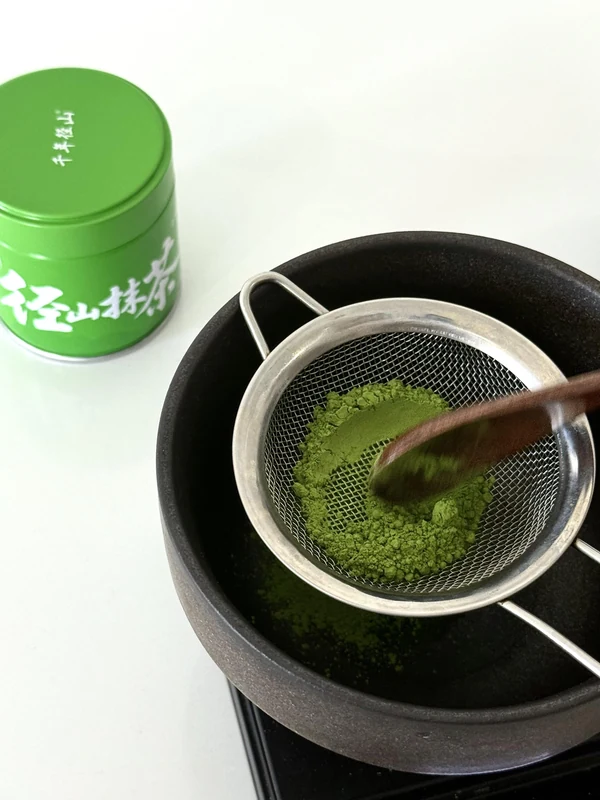
Matcha should be sifted and dispersed through a defined preblend or in-line step after protein hydration. Direct addition to a high-solids base can trap dry pockets. Excess liquid in a slurry can dilute flavor and suspension.
Use the matcha solubility guide to distinguish dispersion from true dissolution. Matcha is a fine leaf powder, so a clear solution is not a realistic universal target.
| Trial | Hold constant | Observe |
|---|---|---|
| Direct addition | Formula and shear | Pockets and mix time |
| Liquid preblend | Added liquid and temperature | Smoothness and dilution |
| In-line dispersion | Flow and pass count | Air, heat, repeatability |
Key Takeaway: Select the lowest-shear route that disperses matcha without destabilizing hydrated protein.
How can bitterness and earthy flavor be controlled?
Bitterness should be controlled by comparing matcha grade and dose in the finished protein base at serving temperature. Pea notes, sweetener, vanilla, salt, fat, and heat can change perception. Do not use spinach or colorants to make a weak matcha result look greener unless they belong in the declared formula.
Use coded samples and score pea aroma, matcha aroma, bitterness, sweetness, chalkiness, aftertaste, and color. A higher matcha dose may improve identity but increase bitterness and ingredient cost. A premium grade may taste cleaner, but only the finished beverage can justify the premium.
Key Takeaway: Buy the sensory result in the protein matrix, not the dry powder story.
What causes foam during processing?
Foam can come from protein functionality, mixer vortex, air leaks, pump design, recirculation, or matcha addition technique. The 20-ingredient study measured different foam capacities across concentrates and isolates, cultivars, and pH conditions; it also found no simple overall correlation between solubility and foam capacity. That result supports supplier-specific foam screening, not a universal claim that an isolate will foam more or less.
Record foam height or density by a consistent method, collapse time, product loss, and fill behavior. Compare low- and high-shear routes at the same temperature. If deaeration is considered, verify its effect on aroma, throughput, and sediment.
Key Takeaway: Reduce air at its source before adding a processing step that may create new costs.
How should suspension and sediment be evaluated?
Suspension should be evaluated through timed package observations, measured flow, and controlled redispersion. In the cultivar-processing study, isolate powders covered a broader particle-size range and contained larger aggregates than concentrates. Those ingredient results make particle history a useful supplier question, but they do not predict the sediment of a matcha beverage. Inspect layer color and texture rather than recording one undifferentiated sediment number.
The matcha soy milk guide provides adjacent plant-protein context, while this trial remains specific to pea protein. Record top ring, bottom layer, pour sequence, and consumer-acceptable inversion through the intended cold hold.
Key Takeaway: Diagnose protein aggregation and matcha settling separately before changing stabilizer or shear.
How should heat stability be tested?
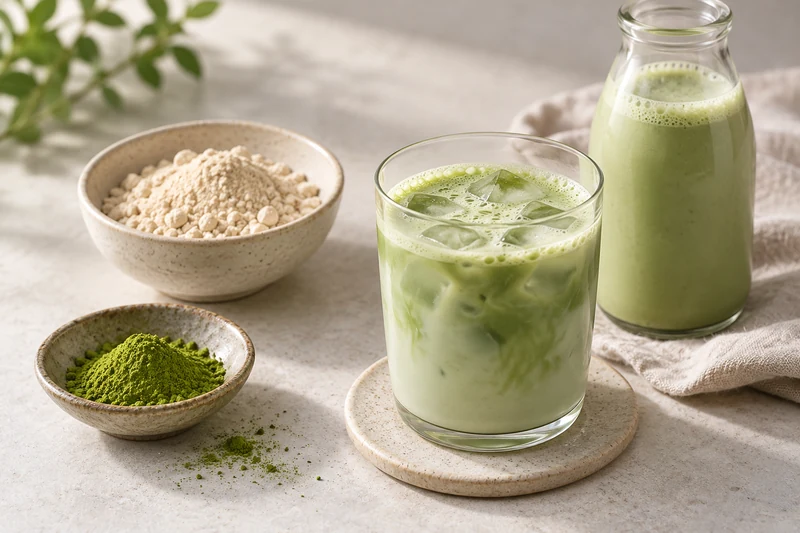
Heat stability should be tested with the intended thermal process after the unheated formula is understood. Bogahawaththa and colleagues (2019) used 4% or 8% pea-protein dispersions at pH 6.8 or 7.5, specified ionic-strength conditions, and heating at 90°C for five minutes. Changing shear altered solubility, heat stability, and the type of aggregates formed. These model conditions show that matrix and process interact; they are not a temperature, shear rate, or formula recommendation for a matcha drink.
Use one-variable trials and inspect preheat, postheat, cooled, and stored samples. Record visible coagulation, flow, sediment, color, flavor, and package condition. Any safety process must be established and validated by qualified owners under the facility’s hazard analysis; 21 CFR 117.160 describes validation requirements for applicable preventive controls.
Key Takeaway: Apply heat only after baseline hydration and dispersion are stable enough to diagnose the result.
What allergen and label review is required?
Allergen and label review should use the complete formula, supplier records, processing line, cross-contact assessment, and target market. The ingredient name alone does not support an allergen-free claim, and matcha does not change the obligations created by other ingredients or the facility.
Keep protein content, nutrition, flavor, and any other claims within verified finished-product data and applicable rules. Consumer recipe language is not evidence for a commercial claim.
Key Takeaway: Review the finished formula and process; never infer an allergen-free or health claim from the protein name.
What should a scale-up report contain?
The scale-up report should contain ingredient identities, lot numbers, water and protein hydration conditions, matcha addition, shear, air observations, heat and cooling steps, package, cold-hold checks, and sensory decisions. Include protein-only and no-heat controls where they answer a real question.
Use the matcha protein bar guide only for supplier and flavor context; bar hardening, binder, and water activity are outside this liquid-drink task.
| Gate | Evidence | Release question |
|---|---|---|
| Base | Hydration and foam record | Is protein controlled? |
| Blend | Dispersion and sensory | Is matcha acceptable? |
| Process | Heat and cooling readback | Did the matrix survive? |
| Hold | Package observations | Does performance persist? |
Key Takeaway: Scale only when the report separates ingredient, process, and storage causes.
FAQ
- Should pea protein and matcha be hydrated together?
- Hydrate the protein first during early trials so matcha dispersion and protein aggregation can be diagnosed separately.
- Why is the drink foamy?
- Protein functionality, vortexing, pumps, recirculation, air leaks, and addition order can all introduce or stabilize air.
- Does matcha dissolve in a protein drink?
- Matcha is fine leaf powder, so commercial work should define acceptable dispersion and suspension rather than promise complete dissolution.
- Can a blender trial predict heat stability?
- No; the intended thermal process and cooling sequence must be tested in the actual formula.
- Is pea protein allergen-free?
- No finished-product claim should be made without reviewing every ingredient, supplier record, line, and applicable market rule.
- Which matcha grade should be tested first?
- Compare culinary and premium candidates in the fixed pea-protein base, then choose by sensory result, stability, documentation, and cost.
Conclusion
Separate hydration, dispersion, foam, suspension, and heat before combining changes. For pure matcha samples for a defined pea-protein beverage trial, contact AdoroHu Matcha with the protein system, process, package, and sensory target.