
Booking matcha production capacity means securing your share of a producer’s processing schedule before the harvest, so that when you place your order the answer is not that the line is already full. Here’s the difference from most manufacturing: a factory told to produce more can add a shift, but a tea garden cannot add a harvest.
That distinction changes what booking means. In semiconductors or apparel, a capacity reservation buys machine hours, and a supplier under pressure can sometimes find more of them. In matcha, the ceiling is set by how much leaf was grown and how much tencha was processed, so what you are reserving is a share of a fixed quantity plus a position in a processing queue that is at its most congested immediately after the first harvest.
Book late and you are not simply waiting longer, you may be receiving material from a later, different batch, or none at all. This guide covers the timing, the mechanism, and what to actually reserve, with any matcha supplier.
The volume and timing a booking must define
Booking matcha capacity means agreeing with your supplier, ahead of the harvest, on the volume, grades, and production slots reserved for you, typically formalised through a capacity reservation or allocation agreement and often supported by a deposit. Reserve against the supplier’s actual seasonal calendar, because leaf supply and allocation cannot be expanded on demand after the harvest plan is set. Reserve grade-specific volume rather than a total, since ceremonial and culinary tiers draw on different material.
Expect to provide a forecast, and expect a deposit or take-or-pay element in exchange for a firm commitment.
In short: reserve volume by grade and production timing before the harvest, back it with a forecast and usually a deposit, and understand that post-harvest there is no capacity to add.
Key points:
- Matcha capacity is capped by the harvest; it cannot be expanded by working overtime.
- You are booking a position in the post-harvest processing queue, not just a quantity.
- Reserve by grade, since tiers draw on different material and cannot be substituted late.
What does booking matcha capacity actually reserve?
Booking reserves three things: a quantity, a grade, and a place in the production schedule. Here’s what buyers often overlook: the schedule position matters as much as the quantity.
Separate leaf, processing, and packing constraints
Understand the constraint stack. The first constraint is agricultural, since total available leaf is fixed by the harvest and cannot be increased afterwards. The second is processing, because the period following first harvest is when demand on tencha processing and milling capacity is heaviest, and every producer works through a queue during that window.
The third is grade-specific, as premium and ceremonial tiers require the best leaf from the earliest picking, so reserving a general tonnage without specifying grade may leave you with volume you can use only in lower-value applications. A capacity reservation therefore functions as insurance against being told the line is full when you are ready to place your bulk order, which is precisely how such agreements are described in other seasonal industries.
The practical framing: you are not buying an option to order later, you are buying certainty that the material and the processing slot will exist when you do, which is a different and more valuable thing.
Key Takeaway: You reserve quantity, grade, and a position in the post-harvest processing queue; total leaf is fixed by the harvest, processing is most congested immediately after it, and premium tiers require the earliest picking, so a general tonnage booking without grade specificity can leave you with unusable volume.
When does the matcha capacity booking window open?
The window opens well before the harvest, and closes once a producer’s allocation is committed. Here’s the timing rule that governs it: book while the producer is still planning, not once they are executing.
Work backwards through the production calendar. The producer’s planning decisions, how much area to shade, when to begin, how to schedule processing, are made before the harvest, and those decisions are informed by the demand they can see. Committed customers shape that plan; uncommitted ones do not. By the time the harvest is underway, allocation is largely settled, and a buyer approaching then is competing for whatever was not reserved. Matcha does not have a universal booking window: it depends on the supplier’s harvest, processing, and allocation calendar.
Ask your supplier when it finalises allocation for the coming season, then work backwards from that actual date rather than importing a benchmark from another industry, using the seasonal patterns set out in our guide to matcha lead times.
Key Takeaway: Book while the producer is still planning shading and processing schedules, not once the harvest is underway and allocation is settled; ask your supplier directly when they finalise allocation, then work backwards from that date rather than from your own planning cycle.
How does capacity booking differ from an allocation contract?
Capacity booking is the operational act of reserving production; an allocation contract is the legal instrument that records it. Here’s the relationship: one is the conversation, the other is the document.
In practice they overlap, and often the booking is formalised through the allocation agreement rather than a separate contract. Where a distinction is useful is in what each governs. Booking concerns the operational specifics: how much, which grades, which processing window, and what delivery schedule follows. The allocation contract concerns the legal architecture: the volume commitment, what happens if either side falls short, how price is set or adjusted, and how a poor harvest is shared among customers, all covered in our guide to matcha allocation contracts.
The reason to think of them separately is sequencing: the operational conversation about capacity should happen early, when the producer is planning, while the contract can be finalised afterwards. A buyer who waits for the contract to be drafted before discussing capacity may find the capacity gone before the paperwork is ready.
Key Takeaway: Booking is the operational act of reserving volume, grades, and processing slots; the allocation contract is the legal instrument recording it. Start the capacity conversation early while the producer is planning, since waiting for contract drafting can cost you the capacity itself.
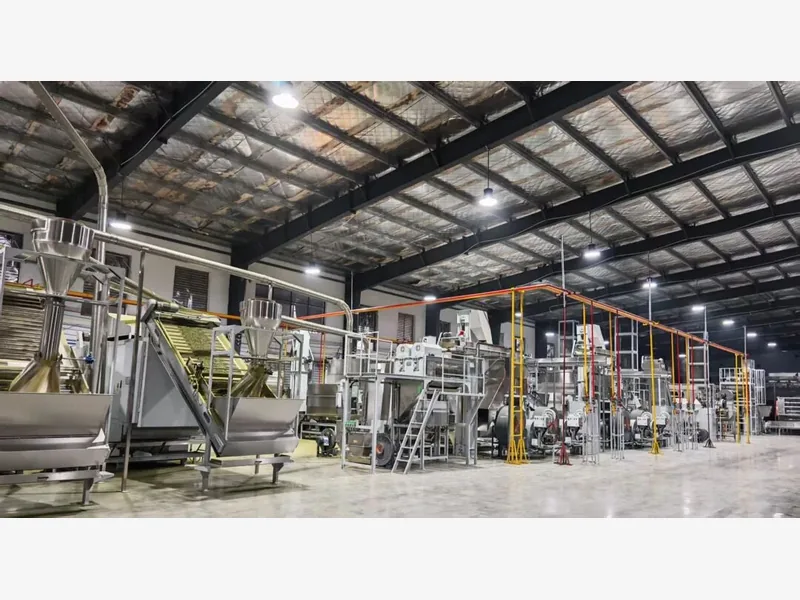
What do suppliers require in exchange for reserving capacity?
Suppliers require commitment in some combination of forecast, contractual volume, and money. Here’s the logic: reserving capacity means turning other business away, so it has to be paid for in certainty.
Three forms of commitment appear in practice, often combined. A forecast, at minimum, giving the producer a credible view of your demand so they can plan against it, which is the lowest-cost commitment you can offer and is covered in our guide to sharing forecasts with your matcha supplier. A contractual volume commitment, frequently on a take-or-pay basis, meaning you pay for the reserved quantity whether or not you take it, which is how capacity reservations are structured across several industries.
And a deposit or reservation fee, sometimes payable in instalments tied to milestones, which compensates the supplier for holding capacity and signals that your commitment is real. What you should expect to negotiate is the balance between these: a buyer with a strong track record and reliable forecasts may secure capacity on forecast and volume commitment alone, while a new customer will more often be asked for a deposit. The payment structures involved connect directly to the conventions in our guide to matcha payment terms.
Key Takeaway: Expect to commit through a credible forecast, a contractual volume commitment often on take-or-pay terms, a deposit or reservation fee, or a combination; a supplier may waive a deposit for some established relationships, but the requirement is a negotiated commercial term rather than a universal rule.
How much capacity should you book?
Book your confident base volume, with a mechanism for adding more rather than a single inflated number. Here’s the asymmetry to manage: booking too little risks a shortfall you cannot fix, while booking too much creates a commitment you must pay for.
Layer firm volume and optional demand
Structure the reservation in layers. Reserve firmly the volume you would consume even in a weak year, since this is the quantity where a shortfall would genuinely hurt and where a commitment carries least risk. Negotiate an option or right of first refusal on additional volume, so upside demand has somewhere to go without your having to commit to it now.
And consider a staggered approach, common in seasonal industries, where you commit to core high-volume grades first and place subsequent orders for more variable requirements once you have better demand information. This mirrors the staggered purchase order strategy used in apparel, where core styles are committed early and trend-driven pieces follow after early sell-through data.
The asymmetry worth weighing: in a constrained market, the cost of under-booking is usually higher than the cost of over-booking, because a shortfall cannot be resolved at any price once the harvest is allocated, whereas surplus can often be managed through extended delivery scheduling. That said, matcha’s shelf life caps how far surplus can be stretched, which is why delivery scheduling matters as much as quantity, as discussed in our guide to matcha reorder management.
Key Takeaway: Reserve firmly the volume you would consume in a weak year, negotiate an option on additional quantity rather than inflating the commitment, and consider committing core grades first with variable requirements following; under-booking usually costs more than over-booking, but shelf life caps how far surplus can be stretched.
What should a matcha capacity booking specify?
The booking should specify grade, volume, processing timing, and delivery schedule, not merely a tonnage. Here’s why precision matters here more than in most reservations: a quantity without a grade and a timing is not really a reservation.
Document grade, timing, remedies, and release
Cover six elements when you book.
- Volume by grade, since ceremonial, premium, culinary, and organic tiers draw on different material and different harvest timings.
- Processing window, indicating whether your material comes from first harvest or later pickings, which affects both quality and cost.
- Delivery schedule, setting instalment timing so material arrives close to when you use it rather than all at once.
- Specification, so the reserved volume must meet your agreed parameters rather than simply being matcha of that grade name.
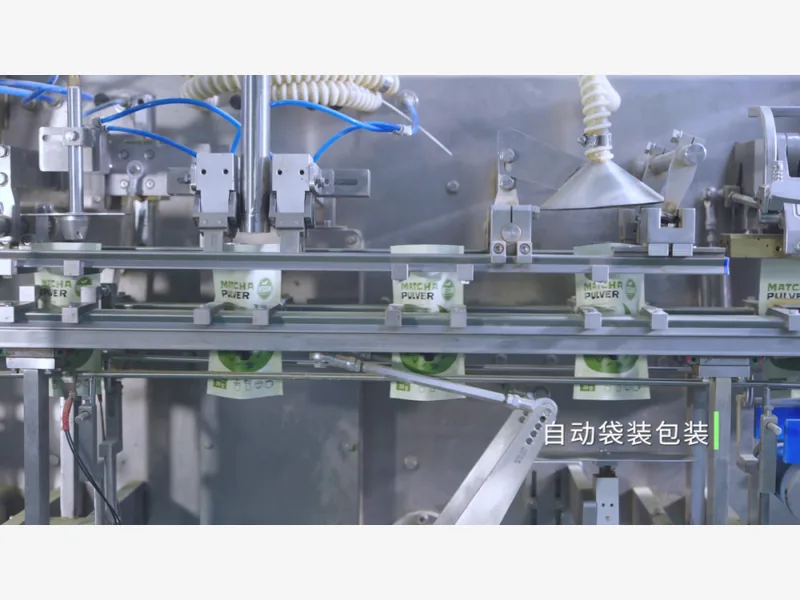
- Packaging format, since packing capacity and materials also require planning, particularly for private-label formats.
- Price basis, whether fixed, indexed, or capped, agreed at booking rather than left to be settled later.
The packaging point is easy to overlook and frequently causes problems: reserving tea capacity while leaving custom packaging unplanned can leave you with matcha you cannot ship in the format your customer expects. Specification should be settled before booking rather than after, which is the purpose of the document described in our guide to matcha spec sheets.
The ISO 9001 Auditing Practices Group guidance on external providers highlights defined purchasing criteria, performance monitoring, and verification of specified requirements. Buyers can apply that control logic to capacity criteria, monitoring, and verification.
Key Takeaway: Specify volume by grade, the processing window and harvest timing, the delivery instalment schedule, the specification the material must meet, packaging format including custom formats, and the price basis; a tonnage without grade and timing is not a genuine reservation.
What risks come with booking matcha capacity?
The principal risks are committing to volume you cannot use and relying on a reservation that may not result in full delivery. The actual commercial risk depends on what capacity the supplier controls, what obligation the agreement creates, and what happens if available output falls short.
Three risks deserve managing. Demand risk: a take-or-pay commitment can oblige you to pay for reserved volume whether or not demand materialises, so commit only what you are confident of consuming and negotiate any make-up rights in writing. Allocation opacity: if the agreement does not disclose allocation rules or create a firm quantity obligation, a buyer may still receive less than expected when output is short.
Under-delivery: a reservation can fail commercially if the supplier controls less usable capacity than expected, has competing commitments, or the agreement provides no effective remedy. Manage those risks by defining the reserved grade and quantity, the supplier’s reciprocal delivery obligation, shortfall allocation rules, and an agreed remedy; verify the producer’s actual cultivation and processing control rather than assuming a reservation proves capacity. Verifying that capacity genuinely exists is one of the purposes of the exercise described in our guide to auditing a matcha supplier.
Key Takeaway: Manage demand risk with make-up rights on take-or-pay volume, recognise that multi-buyer allocation rules are usually undisclosed so your actual share stays uncertain, and counter under-delivery risk with a reciprocal supply obligation, direct questions about committed capacity, and preference for producers who own their cultivation and processing.
How do you negotiate a capacity booking?
Negotiate early, with evidence, and trade certainty for priority. Here’s what a producer values at this stage: demand they can plan around, which is exactly what you are in a position to offer.
Approach it in four steps. Time it before the allocation window, since a discussion opened once capacity is committed is a request rather than a negotiation. Bring evidence: your consumption history, forecast, and payment record, all of which reduce the supplier’s risk and justify preferential treatment. Trade explicitly: offer volume commitment, a deposit, longer notice periods, or forecast sharing, and ask in return for allocation priority, grade guarantees, a price mechanism that protects you, and flexible instalment scheduling.
And address the difficult scenario directly, asking what happens to your reservation in a short-harvest year and whether reductions are applied proportionally across customers or at the producer’s discretion, since the answer tells you what your booking is actually worth. The negotiating principle at work here is the same one that has reshaped matcha purchasing generally: in a constrained market, leverage comes from commitment rather than from price pressure, as examined in our guide to matcha wholesale negotiation.
The same approach applies to complementary lines such as hojicha powder, where capacity is also seasonally constrained.
Key Takeaway: Open the conversation before allocation is committed, bring consumption history and forecasts as evidence, trade volume commitment or deposits for allocation priority and grade guarantees, and ask directly how reservations are reduced in a short-harvest year, since that answer reveals what your booking is really worth.
FAQ
- What is matcha capacity booking?
- It is the practice of reserving a share of a producer’s harvest and processing capacity ahead of the season, so that your volume, grades, and production slots are committed to you before the harvest is allocated among customers. It can be formalised through a capacity reservation or allocation agreement and supported by a forecast, a volume commitment, a deposit, or another negotiated mechanism.
- When should you book matcha production capacity?
- Before the producer finalises allocation for the coming season. Matcha has no universal booking window, so ask the supplier when it sets the harvest, processing, and allocation plan, then work backwards from that actual date.
- What is the difference between capacity booking and an allocation contract?
- Capacity booking is the operational act of reserving specific volume, grades, and processing timing; the allocation contract is the legal instrument recording the commitment, the consequences of shortfall on either side, the pricing mechanism, and how a poor harvest is shared. In practice the booking is often formalised within the allocation agreement rather than as a separate document.
- Do you have to pay a deposit to reserve matcha capacity?
- Not necessarily. A supplier may ask for commitment before reserving capacity, but the mechanism is negotiated and can be a forecast, a contractual volume commitment, a reservation deposit, or a combination. A supplier may waive a deposit for some established relationships, but new and existing buyers alike should confirm the reservation terms in writing.
- What happens if the harvest is poor after you have booked capacity?
- That depends entirely on what your agreement says. A well-drafted arrangement specifies how allocations are reduced proportionally across customers in a short year, rather than leaving reductions to the producer’s discretion. Ask this question during negotiation, since the answer determines whether your booking is a genuine priority claim or simply a place in a queue that can be reordered.
Conclusion
Booking matcha production capacity is the operational step that determines whether your allocation contract has anything behind it, and its logic differs from capacity reservation in manufacturing because no amount of overtime can produce more of a harvest that has already happened.
The decisive takeaway is that what you reserve is not just a tonnage but a grade and a position in a processing queue that is most congested exactly when the best material is being made, which is why the conversation belongs in the producer’s planning period rather than in your ordering cycle. To discuss reserving volume, grades, and delivery scheduling for the coming season, contact AdoroHu Matcha to request samples and a wholesale quote.