
A matcha purchase order is the document that records the buyer’s commercial order and proposed terms, and for food ingredients it must specify far more than quantity and price: grade against a referenced specification, batch and shelf-life requirements, documentation obligations, Incoterms, and your rights on arrival. Here’s the legal reality most buyers underestimate: whether and when a PO forms a contract depends on the governing law, the document set, any conflicting terms, and the parties’ words and conduct.
That omission is where orders go wrong. A buyer who writes “20 kg ceremonial matcha” has specified a marketing term with no regulatory definition and no measurable acceptance criteria. One who forgets to require a batch-specific COA before shipment discovers the documentation gap at customs. One who never states a minimum remaining shelf life receives technically compliant matcha with four months of usable life instead of eleven. A well-drafted PO closes each of these gaps in a single page. This guide covers what belongs on one when buying from a matcha supplier abroad.
The terms a usable purchase order must settle
A matcha purchase order should specify: product identification (grade, and a reference to your agreed specification document rather than a grade name alone); quantity, unit price, total value and currency; batch requirements including minimum remaining shelf life on arrival and lot traceability; documentation obligations listing every document required and when it must be provided; packaging and labelling requirements; Incoterms with the named place; payment terms; the ex-factory date as well as the delivery date; acceptance criteria and rejection rights; and a reference to your standard terms and governing law.
Because omitted or conflicting terms create commercial uncertainty, state the intended requirements clearly and have counsel align the PO with the governing law and framework agreement.
In short: a matcha PO must specify grade against a referenced specification, batch and shelf-life terms, documentation obligations, Incoterms, dates, and rejection rights, because clear terms make the order easier to confirm, perform, and enforce if the governing law gives them effect.
Key points:
- A PO may contribute to contract formation; legal effect depends on the governing law, exchanged documents, and conduct.
- Reference the approved specification document so the product and acceptance criteria are measurable.
- State minimum remaining shelf life on arrival, not just a best-before date.
What legal weight can a matcha purchase order carry?
A purchase order can contribute to contract formation, but timing and legal effect depend on the governing law, the documents exchanged, and the parties’ conduct. Here’s the detail that surprises buyers: acceptance does not require a signature, since fulfilling the order to the PO’s requirements can itself constitute acceptance.
Control which terms govern the transaction
Understand the sequence in international trade. The buyer issues the PO to record the proposed order and terms. The seller then either signs and returns it, or issues a proforma invoice (PI) confirming their intent to fulfil under those conditions, or simply performs. Any of these may contribute to contract formation, depending on the governing law and the full exchange.
The distinction worth holding clearly: the PO is created by the buyer and is a request or offer to buy, while the PI is created by the seller and is a pre-invoice confirming acceptance. Best practice in international transactions is that the buyer sends a PO and the seller returns a countersigned PI, so both sides hold matching documents.
The practical consequence: because the PO is often the primary contract form in commercial transactions, terms you leave off it are terms you have not secured, and terms the supplier adds in their PI acknowledgement may vary yours unless you check them.
Key Takeaway: A PO may contribute to a binding agreement through signature, exchanged documents, or performance, but the result depends on the governing law and the full transaction record; because the PO is often the primary contract form, terms omitted from it are terms you have not secured.
How should a matcha purchase order identify the product?
Identify the product by grade plus an explicit reference to your agreed specification document, never by grade name alone. Here’s why the name is insufficient: terms like “ceremonial grade” carry no regulatory definition, so they create no measurable obligation.
Product identification needs four elements. The grade and product name as the supplier uses them, so there is no ambiguity about which item you mean. A reference to the agreed specification, ideally by document name, version and date, so the measurable parameters, particle size, colour values, moisture, L-theanine, microbiological and contaminant limits, are incorporated by reference. The origin, since origin claims affect both price and compliance. And the certification status required, such as certified organic under a named scheme.
The control that makes this measurable: writing “as per Specification AH-CER-01 rev.2 dated 12 March” turns a subjective grade into objective criteria; the contract and governing law determine the resulting rights and remedies. This is why the specification should be settled before the first PO, as covered in our guide to matcha spec sheets.
Key Takeaway: Identify the product by grade plus an explicit reference to your specification document by name, version and date, along with origin and required certification; grade names carry no regulatory definition, so a referenced specification creates measurable acceptance criteria whose legal effect depends on the contract and governing law.
What batch and shelf-life terms belong on a matcha purchase order?
The PO should state a minimum remaining shelf life on arrival and require full lot traceability. Here’s the gap this closes: matcha within its best-before date can still arrive with most of its useful life already spent.
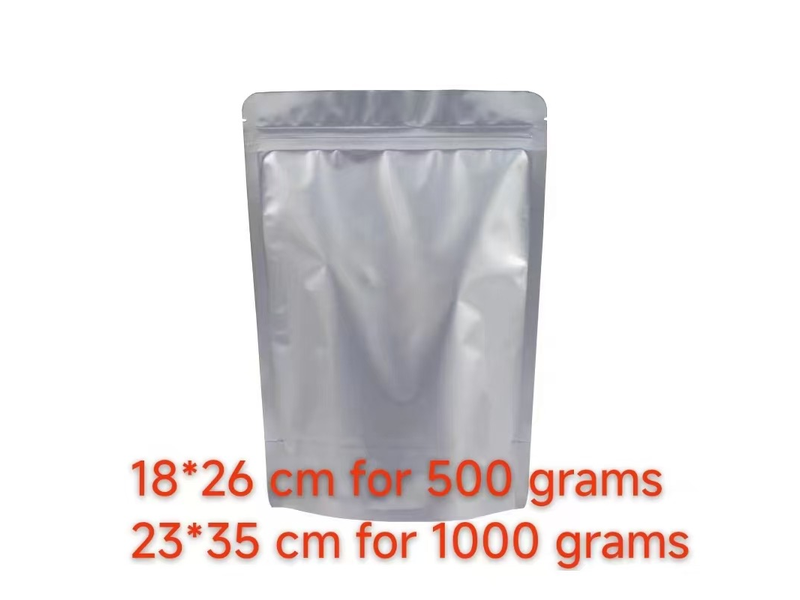
Three batch-related terms protect you. Minimum remaining shelf life: state the minimum proportion or number of months of shelf life that must remain when goods arrive at your facility, since a batch produced eight months ago is technically compliant but commercially much less useful. Production date requirement: specify that goods must be from a production run within a defined recency window, which for a seasonal product also lets you specify harvest year where that matters.
Lot traceability: require that each package carries the lot number, production date, and best-before date, and that these reconcile with the COA. The experienced addition: for matcha specifically, state that the goods must be from a single lot where consistency matters, or specify the maximum number of lots per shipment, since a consignment assembled from several lots can vary within itself. How that material then holds up depends on storage, covered in our guide to matcha shelf life.
Key Takeaway: Specify minimum remaining shelf life on arrival rather than relying on the best-before date, require production within a defined recency window with harvest year where relevant, and mandate lot number, production and best-before dates on every package reconciling with the COA.
Which documentation should the purchase order require?
The PO should list every document required, name the recipient, and state when each must arrive. Here’s the discipline that prevents customs delays: documents that arrive with or after the goods are already late.
Specify the full set explicitly.
- Batch-specific Certificate of Analysis from an accredited third-party laboratory, covering the parameters in your specification, as discussed in our guide to reading a matcha COA.
- Commercial invoice and packing list, matching each other and the physical goods.
- Certificate of origin, where required by your customs authority.
- Organic certificate plus a per-lot transaction certificate where the goods are sold as certified organic.
- Phytosanitary or health certificates where your destination requires them.
- Bill of lading or air waybill.
State timing explicitly: documents such as the COA should be provided before shipment or before balance payment, not on arrival, so problems surface while the goods are still under the supplier’s control. Tie documentation delivery to payment where your terms allow, since linking the balance release to complete, correct paperwork is the most effective enforcement mechanism available, a structure explained in our guide to matcha payment terms.
For U.S.-bound orders, use the FDA guidance on importing human foods as an initial documentation checklist, then confirm the requirements for the product and shipment with the responsible parties.
Key Takeaway: List every required document, the recipient, and a deadline, requiring the COA before shipment or before balance payment rather than on arrival; tying documentation delivery to payment release is the most effective enforcement mechanism a PO can contain.
How should shipping terms and dates be written?
Shipping terms should state the Incoterm with its named place, and dates should distinguish the ex-factory date from the delivery date. Here’s the ambiguity this removes: “delivery in six weeks” means different things depending on who arranges freight.
Define delivery responsibility and timing precisely
Be specific on three points. Incoterms: state the term and the named place together, such as FOB Ningbo rather than simply FOB, since the named place determines exactly where cost and risk transfer and what inland charges you inherit; the practical implications of each term are covered in our guide to matcha Incoterms. Ex-factory date: state when goods must leave the facility, separately from the delivery date, because this is the milestone the supplier actually controls and the one that reveals a production delay early.
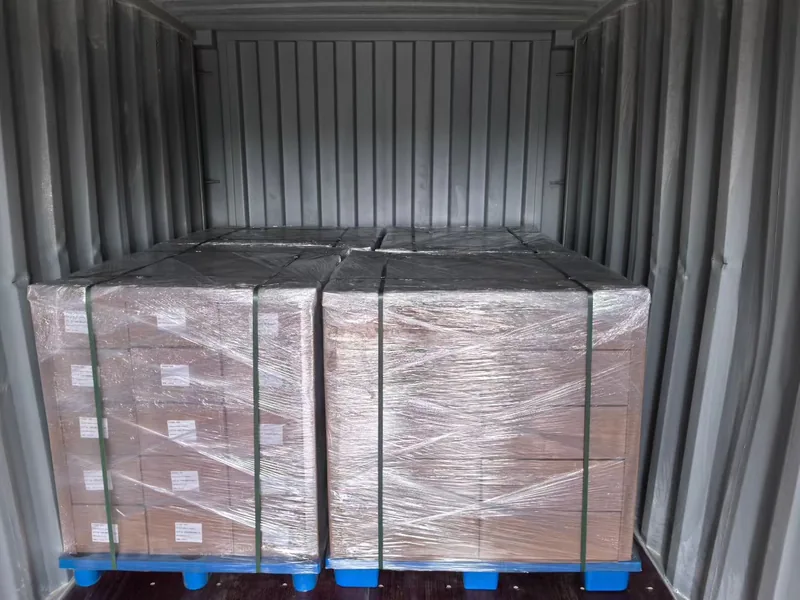
Delivery or arrival window: state the target and, where it matters commercially, what happens if it is missed. Add the shipping method and any transit conditions relevant to a heat-sensitive product, such as container type or a requirement to avoid extended port storage. The judgment: a PO that specifies only a delivery date gives you no visibility of a slipping production schedule until it is too late to react, which is why lead-time expectations should be built in explicitly, using the seasonal ranges in our guide to matcha lead times.
Key Takeaway: State the Incoterm with its named place (FOB Ningbo, not just FOB), and specify the ex-factory date separately from the delivery date, since ex-factory is the milestone the supplier controls and the one that exposes a production delay while you can still react.
What acceptance and rejection terms should a matcha PO include?
The PO should state your inspection rights, the acceptance criteria, and what happens when goods do not conform. Here’s the protection this preserves: unclear inspection and remedy terms make a nonconforming-delivery dispute harder to manage.
Cover four points. Inspection rights: state your right to inspect and test on arrival, and the period within which you will do so, commonly a defined number of days from receipt. Acceptance criteria: tie acceptance to conformity with the referenced specification and the accompanying COA, rather than leaving it to judgement. Rejection and remedy: state what happens if goods fail, whether that is replacement at supplier cost, return, credit, or acceptance under concession with a price adjustment, and who bears freight in each case.
Pre-shipment inspection: where your terms include it, state that inspection or approval before dispatch is required, which is far cheaper than resolving a problem after arrival. The practical note: also state that payment does not constitute acceptance, so releasing a balance against documents does not waive your right to reject non-conforming goods. These provisions should mirror the remedies in your framework agreement, as covered in our guide to matcha supply contracts.
Key Takeaway: State inspection rights with a defined period, tie acceptance to the referenced specification and COA rather than judgement, define rejection remedies and who bears freight, and state explicitly that payment does not constitute acceptance, so a balance release does not waive rejection rights.
What compliance terms does a matcha purchase order need?
The PO should place responsibility for destination-market compliance explicitly, since food imports carry obligations that vary by market. Here’s why silence is risky: if the PO does not allocate these duties, they default in ways you may not expect.
Address compliance in three parts. Market-specific requirements: state the destination market and require that goods and documentation comply with its rules, since pesticide residue limits differ between markets and a residue passing at origin can breach limits elsewhere, as covered in our comparison of matcha import regulations. Importer obligations: identify who acts as importer of record and who handles filings such as FDA Prior Notice for US-bound goods, since these follow from your Incoterm choice and must be assigned to the correct party under the applicable regulation and transaction structure.
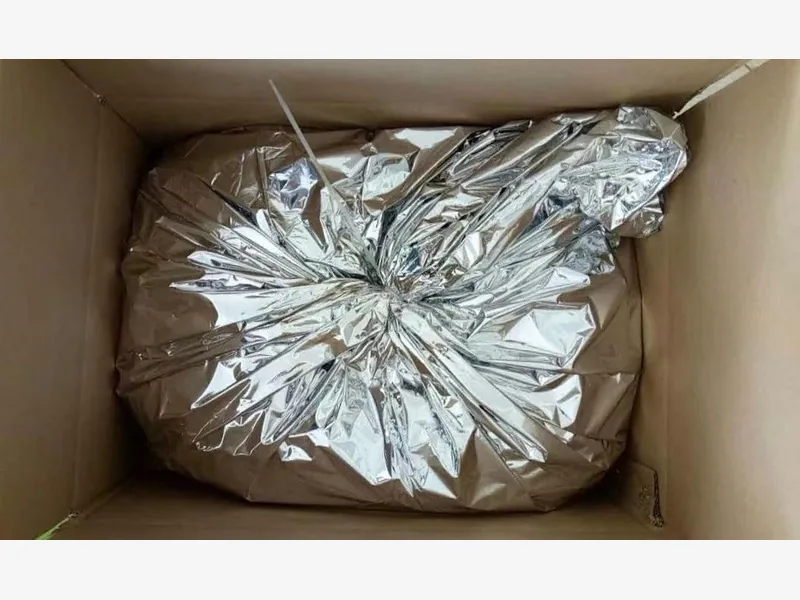
Labelling compliance: specify the labelling required for your market, including language, declarations, and any certification marks, and state that the supplier warrants compliance with the specification supplied. The judgment worth applying: also require prompt notification of any change to the product, process, or certification status, since a supplier changing a process mid-relationship without telling you can invalidate your own compliance position. The end-to-end process is set out in our guide to importing matcha powder.
Key Takeaway: Name the destination market and require goods and documents to comply with its rules, identify who acts as importer of record and handles filings such as FDA Prior Notice, specify market-specific labelling, and require prompt notification of any change to product, process, or certification status.
What mistakes do buyers make on matcha purchase orders?
The most common mistake is treating the PO as an administrative form rather than as the contract it becomes. Here’s the pattern: each omission removes a right you would otherwise have had.
Watch for these errors and their consequences.
- Specifying a grade name with no reference to a specification, leaving nothing objective to reject against.
- Omitting minimum remaining shelf life, receiving compliant but aged material.
- Listing documents without deadlines, so paperwork arrives after the goods and delays clearance.
- Writing an Incoterm without a named place, inheriting unexpected inland charges.
- Stating only a delivery date with no ex-factory date, losing early visibility of delays.
- Leaving payment, inspection, acceptance, notice, and remedy procedures unclear; an express clause can clarify the agreed process, while the contract and governing law determine the parties’ underlying rights.
- Accepting the supplier’s proforma invoice without checking it against your PO, since a variation there may become the operative term.
Each is a one-line fix at the drafting stage and an expensive argument afterwards. The same discipline applies to every order, including complementary lines such as hojicha powder, and a standard PO template with these clauses built in removes the risk of forgetting them under time pressure.
Key Takeaway: Stop treating the PO as an administrative form; the recurring errors, no specification reference, no shelf-life minimum, undated document requirements, unnamed Incoterm places, missing ex-factory dates, no payment-is-not-acceptance clause, and unchecked proforma invoices, each remove a right and are one-line fixes at drafting.
FAQ
- Can a matcha purchase order become legally binding?
- It can, but contract formation is not automatic from one universal act. The result depends on the governing law, the documents exchanged, conflicting terms, and the parties’ words and conduct. Compare the PO, proforma invoice, framework agreement, and acknowledgements, resolve differences before production, and obtain qualified legal review for the chosen jurisdiction.
- What is the difference between a purchase order and a proforma invoice?
- A purchase order records the buyer’s proposed order and terms. A proforma invoice records the seller’s proposed commercial details. Compare the two documents and resolve conflicts before production; their legal effect depends on the governing law and full transaction record.
- What should a matcha purchase order specify beyond quantity and price?
- Product identification by grade plus a reference to your specification document, minimum remaining shelf life on arrival, lot traceability requirements, a full list of required documents with deadlines, packaging and labelling requirements, the Incoterm with its named place, payment terms, both ex-factory and delivery dates, inspection and rejection rights, and applicable governing law.
- Why should a purchase order state minimum remaining shelf life?
- Because a best-before date alone may not provide the remaining commercial life the buyer needs for storage, production, and sale. State a buyer-approved minimum remaining life on arrival using the validated shelf-life evidence, exact pack, storage conditions, distribution plan, and intended use.
- Should the purchase order say that payment is not acceptance?
- An express clause can clarify the parties’ intended treatment of payment, inspection, and acceptance, but it does not by itself create or preserve every remedy. Inspection rights and the effect of pre-inspection payment depend on the contract and governing law; define the inspection period, acceptance process, notice procedure, and remedies, and have counsel align them with the applicable rules.
Conclusion
A matcha purchase order is a core transaction record, and the difference between a protected order and an exposed one is a set of clauses that each take a single line: a specification reference instead of a grade name, a minimum remaining shelf life, dated documentation obligations, a named Incoterm place, an ex-factory date, and explicit rejection rights that survive payment. The decisive takeaway is that performance can have legal consequences under the governing law, so everything you need must already be on the document before it goes out.
To align a purchase order with clear specifications and documentation timing, contact AdoroHu Matcha to request samples, specifications, and a wholesale quote for your grade and destination market.