
Matcha warehouse humidity control should connect ambient conditions with package integrity, handling events, and lot disposition. A single relative-humidity reading cannot show whether a cold surface will condense moisture or whether sealed powder absorbed water. Buyers sourcing wholesale matcha need zone-specific monitoring and evidence-led responses.
Log relative humidity with temperature and calculate or record dew point. Map every place where liners are opened, transferred, staged, or resealed. Hold affected stock until exposure and product evidence support a decision.
In short: Warehouse moisture control follows product movement, package condition, and air conditions together.
Key points:
- Assess receiving, quarantine, staging, repacking, and dispatch as separate zones.
- Use temperature, RH, and dew point together when evaluating condensation risk.
- Distinguish moisture pickup from pressure, vibration, and normal powder agglomeration.
Which decision should matcha warehouse humidity monitoring support?
Monitoring should support defined actions such as normal release, handling restriction, investigation, repacking, sampling, or rejection. Logging conditions without an action plan produces data but little control.
List the product formats, liner and carton structures, storage duration, opening practices, and seasonal conditions. Define alert review roles and the records needed before stock moves. Link any shelf-life conclusion to the company’s matcha shelf-life validation.
Key Takeaway: Every humidity alert needs a named review and disposition pathway.
Where can moisture enter while matcha remains sealed?
Moisture can reach the powder through damaged or poorly sealed liners, weak closures, punctures, wet outer packaging, or permeation over time. Exterior dampness does not prove internal wetting, while an intact-looking carton does not prove the liner is sound.
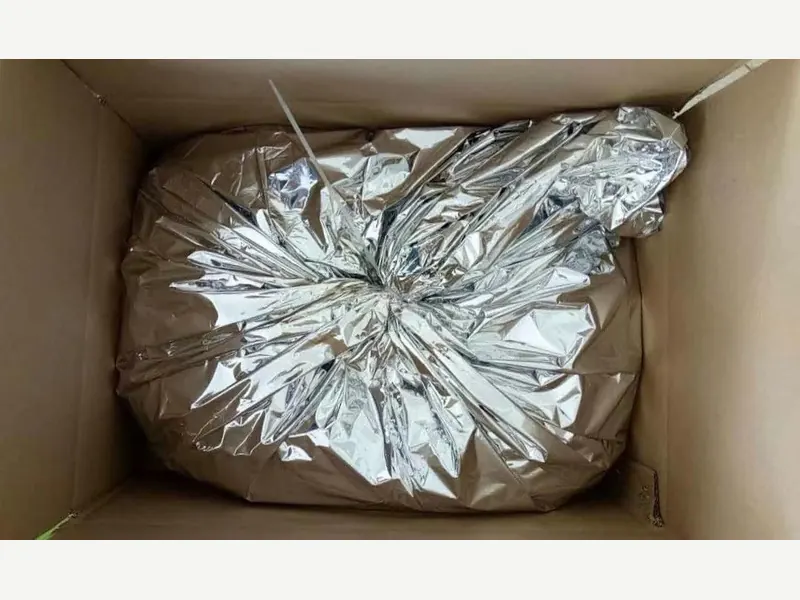
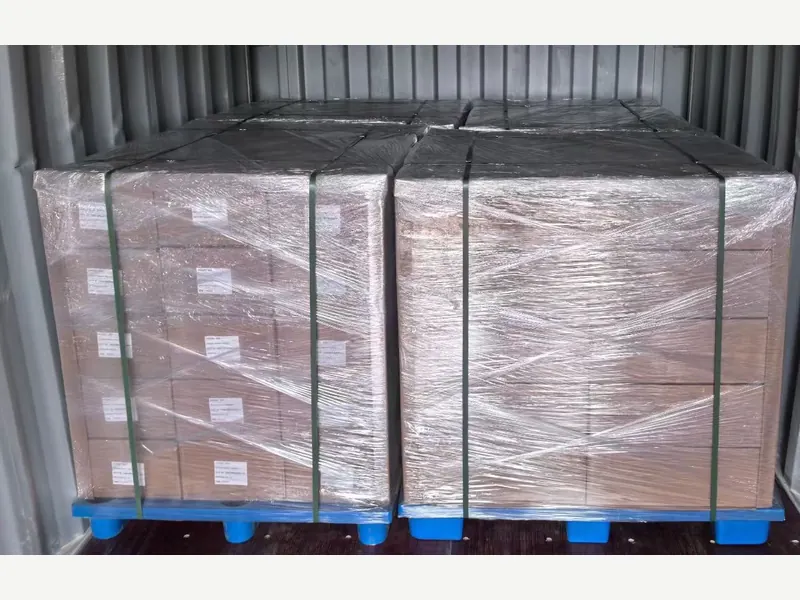
Inspect pallet wrap, cartons, liner seals, zipper or tie closure, punctures, compression, and water marks at receiving. Record lot, pallet position, photographs, container condition, and any wet neighbouring cargo.
AdoroHu's approved bulk configuration is 10 kg or 20 kg per carton with a sealed food-grade liner. This first-party pack fact sets the inspection boundary: a wet or crushed carton calls for inspection of the liner, while an opened liner becomes a different exposure state from an unopened shipping unit. It does not prove barrier performance after damage or prolonged storage.
| Exposure point | Evidence to collect | Initial control |
|---|---|---|
| Receiving | Vehicle, pallet, carton, liner condition | Segregate visibly affected units |
| Storage | Zone logs and package inspections | Protect from walls, leaks, and wet floors |
| Repacking | Open time, room conditions, tools | Use controlled dry handling |
| Dispatch | Staging duration and weather exposure | Keep product sealed and protected |
Key Takeaway: Follow the barrier from outer wrap to product liner before assigning a moisture cause.
Why should temperature, RH, and dew point be logged together?
Relative humidity depends on temperature, while dew point describes the temperature at which the air reaches saturation. NIST's humidity work relates relative humidity to water-vapour pressure and saturation vapour pressure and shows that dry-bulb temperature plus relative humidity can be used to determine dew point. Condensation risk rises when a package or product surface is colder than the surrounding air’s dew point.
Use calibrated instruments appropriate to the decision and preserve timestamps, locations, and sensor identity. A high RH reading in a cool room and the same RH in a warm room do not describe the same moisture content or surface-condensation risk.
ISO 2233:2000 provides controlled temperature and relative-humidity conditioning principles for complete transport packages. It does not establish a matcha warehouse limit, but it supports recording and controlling the atmosphere used for package comparisons.
Practitioner decision: avoid a single universal RH limit detached from packaging, exposure time, and surface temperature. It can create false alarms in one zone and miss a real condensation event in another.
Key Takeaway: Interpret RH through temperature, dew point, package surface, and exposure duration.
Which warehouse zones need separate assessment?
Receiving, quarantine, cold storage, ambient storage, sampling, repacking, production staging, and dispatch need separate assessment because doors, people, equipment, and opening events differ.
Map airflow, exterior doors, evaporators, drains, wet-cleaning routes, walls, roof leaks, and heat sources. Locate sensors where product experiences conditions, while avoiding positions that only measure a supply-air jet or sheltered office corner.
Key Takeaway: Zone the warehouse by exposure and handling, then place monitoring where product decisions occur.
How should packaging barrier and liner integrity change controls?
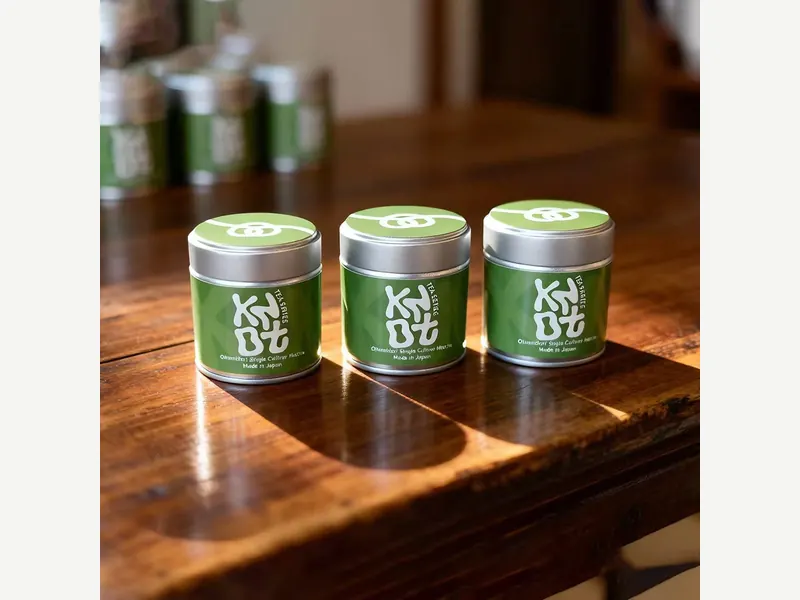
Controls should become stricter as the barrier becomes weaker, damaged, opened, or repeatedly handled. AdoroHu bulk packs use sealed food-grade liners within 10 kg or 20 kg cartons, but each buyer must protect the supplied liner during its own storage and transfer process.
Use the matcha packaging guide to map primary, secondary, and use-stage protection. Record opened status, closure method, remaining mass, and next-use date on working packs.
Key Takeaway: Treat an opened working liner as a different humidity-risk state from an unopened shipping unit.
What opening and resealing practices reduce exposure?
Open matcha only in a controlled area after the sealed pack has acclimated when it arrives cold. Use dry, clean tools and transfer containers, minimize open time, expel excess air where the approved procedure calls for it, and close the liner consistently.
Plan the amount needed before opening. Smaller working packs can reduce repeated exposure, though the operational and packaging costs should be compared. Never return unused powder from an uncontrolled area to a protected master pack.
Key Takeaway: Control the opening event as carefully as the storage room.
How can teams distinguish moisture pickup from compaction or static clumping?
Investigate competing causes rather than treating every lump as moisture damage. Pressure, vibration, fine-particle cohesion, electrostatic effects, temperature, and time can change flow without water entering the powder.
Compare affected and control units for package condition, location, exposure history, lump texture, colour, aroma, flow, and redispersibility. Water-activity or moisture testing may help when performed with a suitable method and representative sample. The matcha storage quality guide places moisture beside light, oxygen, heat, and handling rather than treating one observation as proof of cause.
The official U.S. definition in 21 CFR 113.3(w) expresses water activity as the ratio of the food's water-vapour pressure to that of pure water under identical conditions. This is a product measurement, unlike room RH. The operational consequence is that a warehouse RH excursion and a powder water-activity result answer different questions and should not be substituted for each other.
Key Takeaway: Diagnose the mechanism before choosing drying, sieving, repacking, testing, or rejection.
Which samples and records belong in a caking investigation?
Retain affected units, unaffected units from the same lot, a suitable reference, packaging samples, photographs, logger records, handling records, and sampling details. Record exactly where each sample came from.
| Evidence | Question answered | Common weakness |
|---|---|---|
| Zone logger | What air conditions occurred? | Sensor far from product |
| Package inspection | Was the barrier compromised? | Outer carton checked, liner ignored |
| Product comparison | Is the change lot-wide or local? | Nonrepresentative scoop sample |
| Handling record | Was product opened or transferred? | Missing time and room conditions |
Key Takeaway: Preserve enough evidence to separate a local handling event from a supplier-lot problem.
How should warehouse excursions be assessed?
Assess duration, temperature, RH, dew point, package state, product location, and whether the powder was sealed or open. Compare the event with relevant product and packaging evidence; do not release or reject by an invented universal threshold.
The 2026 original matcha storage study controlled water activity from 0.11 to 0.93 and compared light-shielded storage with continuous laboratory LED exposure of about 450–500 lx. Higher water activity increased the water-solubility index, reduced the water-absorption index, and accelerated losses in the studied compounds, particularly with light. These results support investigating whether moisture exposure changed the powder, but they do not create a universal warehouse RH limit or release rule.
Key Takeaway: Reconstruct the actual exposure, then judge whether existing evidence covers it.
When should stock be held, sampled, repacked, or rejected?
Hold stock when exposure is uncertain, package integrity is compromised, or a material product change is suspected. Sample under a written plan when testing can answer the decision. Repack only when product suitability is established and the operation is controlled.
Release when traceable evidence shows the pack remained protective and the product meets relevant criteria. Reject when evidence shows the product is unsuitable or when uncertainty cannot be resolved to the organization’s risk standard.
Practitioner decision: do not blend questionable powder into unaffected stock to dilute the signal. That expands the affected scope and destroys traceability.
Key Takeaway: Disposition should follow exposure evidence, product evidence, and documented authority.
How should seasonal risk change monitoring and corrective action?
Seasonal plans should reflect local outdoor conditions, door opening, monsoon or rainy periods, heating and cooling transitions, and known building performance. Increase review where risk rises rather than applying one frequency everywhere.
Corrective action may include sensor relocation, door control, dehumidification review, pallet spacing, leak repair, staging limits, dry-room handling, smaller working packs, revised training, or packaging changes. Verify that the action prevents recurrence.
Build an operating record that connects each alert with the stock present in the zone. The record should identify sensor, zone, start and end time, temperature, RH, dew point where available, nearby activities, affected lots, pack state, package observations, temporary controls, reviewer, and disposition. This avoids treating a room alarm as proof that every pallet received the same exposure.
Review sensor placement after layout changes, new racking, altered HVAC operation, or a different door-use pattern. A device can remain calibrated yet stop representing product conditions after the warehouse changes around it. Compare readings across zones during seasonal mapping and investigate persistent differences before setting routine locations.
Cleaning and maintenance deserve explicit boundaries. Wet cleaning, roof work, evaporator defrost, drain problems, and door repairs can create short local events that a distant sensor misses. Plan product protection and movement before the work begins, then inspect the area before returning open or vulnerable materials.
Training should use actual warehouse scenarios. Ask operators what to do with a wet outer carton and an intact liner, an open working pack during an RH alert, a logger gap, a cold pallet moved into humid staging, and repeated clumping without visible wetting. Their answers show whether the procedure leads to consistent holds and evidence collection.
Finally, review trends by zone, season, package state, and root cause. Count recurring door events, damaged liners, wet-carton receipts, uncontrolled opening, and inconclusive investigations separately. A single combined excursion count hides where prevention will have the largest effect.
Set a review rhythm for instruments and records. Confirm calibration status, clock alignment, data completeness, alarm delivery, backup during outages, and access to historical readings. A dashboard display is not enough if the underlying data cannot be exported and tied to a lot investigation.
Include contractors and temporary staff in the handling boundary. They may move pallets, clean around stock, or open doors without knowing why a staging limit exists. Use visible zone rules and escalation contacts, then check compliance during routine floor reviews.
When a supplier or customer asks for warehouse conditions, provide the approved specification and relevant evidence without converting internal alarms into product guarantees. Conditions describe control; package and product evidence determine fitness for use.
Key Takeaway: Use seasonal evidence to adjust monitoring and handling before the next excursion.
FAQ
- What warehouse humidity is safe for matcha?
- There is no universal warehouse RH number that replaces package, temperature, dew-point, exposure-time, and product evidence.
- Can sealed matcha absorb warehouse moisture?
- It may if the liner is damaged, poorly closed, insufficient for the duration, or exposed through handling; inspect the complete package system.
- Does clumped matcha prove moisture damage?
- No. Moisture is one possible cause alongside compaction, vibration, cohesive fine particles, static effects, and temperature history.
- Where should humidity sensors be placed?
- Place qualified sensors where stored product experiences decision-relevant conditions, including higher-risk zones identified by a warehouse map.
- Should matcha be opened immediately after cold storage?
- Keep it sealed during acclimation and open only when the package surface is no longer at condensation risk under the room conditions.
Conclusion
Matcha warehouse humidity control combines environmental data with package and handling evidence. For storage specifications, samples, or lot questions, contact AdoroHu Matcha.
Institutional Author
AdoroHu Matcha