Matcha Powder

Matcha Order Confirmations: What to Check Before Production
A matcha order confirmation is the document your supplier returns after receiving your purchase order, and checking it line by line before…
Matcha Delivery Terms: Schedules, Partials and Penalties
Matcha delivery terms define when goods must leave the factory, whether shipment can be split into instalments, and what happens when a…

Switching Matcha Suppliers Without Disrupting Production
Switching matcha suppliers means qualifying the new source completely, running both suppliers in parallel for a period, and matching the new material…
The Complete Matcha Buyer’s Checklist for 2026
This matcha buyer’s checklist covers the full purchasing cycle in six stages: defining what you need, qualifying suppliers, specifying quality, securing supply,…
Matcha Heavy Metals: Lead, Cadmium and Safe Limits
Heavy metals in matcha come from soil rather than processing, appear in measurable quantities in essentially all field-grown tea, and matter more…

Matcha Pesticide Testing: MRL Compliance by Market
Matcha pesticide testing means screening each lot against the maximum residue limits of the market you are selling into, using a multi-residue…
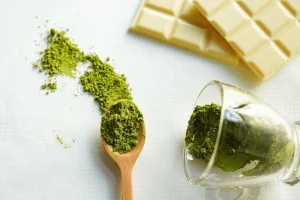
How to Negotiate Matcha Wholesale: A 2026 B2B Playbook
Negotiating matcha wholesale in 2026 means shifting from price-haggling to securing reliable allocation at fair terms, using volume commitment as your leverage…
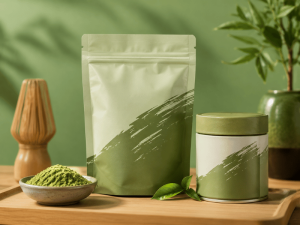
Matcha Export Guide for Suppliers: Compliance, Documents, and Logistics
Exporting matcha successfully means meeting each destination market’s regulations, issuing the correct certificates, including the NOP Import Certificate for US organic shipments,…
Matcha Supplier Guide: Smart Import Sourcing for 2026
An importer’s matcha supplier guide comes down to four moving parts: where you source, what you pay in landed cost, how long…