Matcha Powder

Matcha Pricing Factors Explained: What Really Drives the Cost
Matcha pricing factors are dominated by one thing: the raw material, which accounts for an estimated 70 to 80 percent of the…

Matcha for Distributors (Bulk Guide): Margin, Territory, and Turnover
Matcha for distributors works differently from buying for a café or brand: a distributor sits in the middle, buying in volume from…

Where to Buy Matcha Powder in Bulk: A Channel-by-Channel Guide
To buy matcha powder in bulk, you have four main channels: direct from a manufacturer, through a distributor or importer, on a…

Matcha Lead Times Explained: What B2B Buyers Should Expect
Matcha lead times for B2B buyers typically run 2 to 4 weeks for a standard restock, 3 to 5 weeks for a…

How to Order Matcha Samples: A Smart B2B Buyer’s Guide
To order matcha samples effectively, you request representative, documented samples from a shortlist of suppliers, evaluate each in your actual application, and…

Matcha for Retailers (Supplier Guide): Stocking Shelves That Sell
Matcha for retailers means sourcing retail-ready, packaged product, not bulk powder, then building a shelf range across grades and formats that sells…
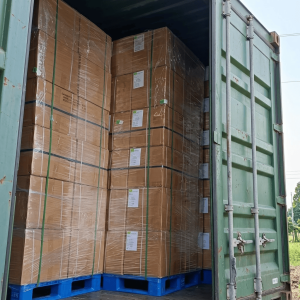
How to Import Matcha Powder (Step-by-Step): A 2026 Compliance Guide
To import matcha powder, you follow a clear sequence: confirm your market’s requirements, choose a compliant supplier, classify the HS code, approve…

Matcha Payment Terms: A B2B Buyer’s Guide to TT, LC & Deposits
Matcha payment terms for B2B buyers usually center on a telegraphic transfer (TT) with a deposit-and-balance split, most commonly 30% deposit to…

Matcha Incoterms Explained: FOB, CIF & DDP for Buyers
Matcha incoterms determine who pays for freight, insurance, and customs, and where risk transfers between you and your supplier: FOB puts you…